The Week The Week
flag of US
US
flag of UK
UK
https://cdn.mos.cms.futurecdn.net/flexiimages/jzblygzdxr1769609154.gif

SUBSCRIBE

Try 6 weeks free

Sign in
  • View Profile
  • Sign out
  • The Explainer
  • Talking Points
  • The Week Recommends
  • Podcasts
  • Newsletters
  • From the Magazine
  • The Week Junior
  • More
    • Politics
    • World News
    • Business
    • Health
    • Science
    • Food & Drink
    • Travel
    • Culture
    • History
    • Personal Finance
    • Puzzles
    • Photos
    • The Blend
    • All Categories
  • Newsletter sign up Newsletter
  • The Week Evening Review
    Nicaraguan democracy, turmoil in Ukraine, and Thatcher’s ghost

     
    THE EXPLAINER

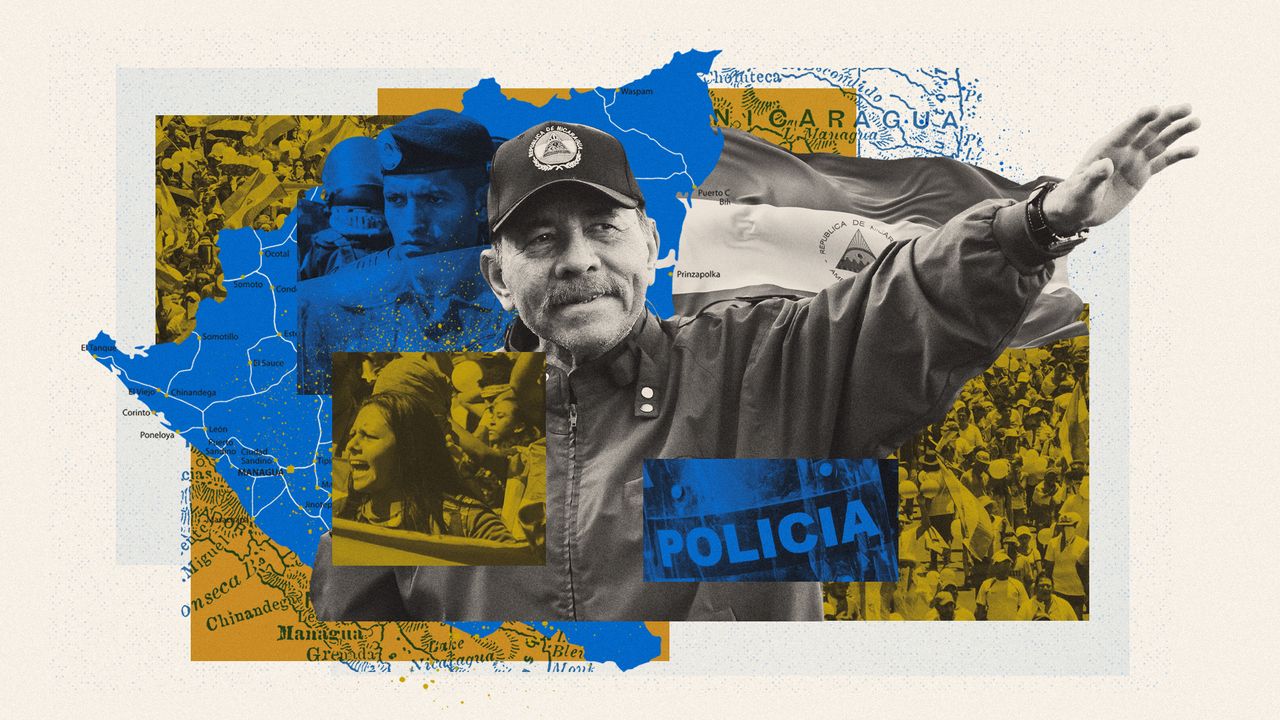
    Why Nicaragua’s president is scrapping elections

    Nicaragua will stop holding elections in order to prevent foreign-backed interference, the country’s long-serving strongman leader Daniel Ortega has announced. “The days when parties backed by the Yankees and the Somocistas would return to power are over – never again,” the 80-year-old president declared in a speech to commemorate the Sandinista revolution, which overthrew the US-backed Anastasio ⁠Somoza dictatorship in 1979.

    Who is Ortega?
    A key figure in the Sandinista revolution, Ortega has served as president since 2007. His government has transformed Nicaragua into an “authoritarian state”, according to the UN Human Rights Council. He has cemented control over virtually all branches of government and crushed political opposition, with hundreds killed and many more imprisoned following mass anti-government protests in 2018. 

    Why has he cancelled elections?
    Nicaragua’s last elections, in 2021, were “widely disputed” after Ortega “detained opponents and business leaders and criminalised dissent”, said Reuters. Voters had been due to go to the polls again next year, but Ortega has declared that “there won’t be any more elections here” for the country’s internal enemies “to try to seize the government and seize power”.

    Nicaragua has become a “full-fledged, family-run dictatorship”, Tiziano Breda, a senior analyst at the Armed Conflict Location and Event Data non-profit, told Reuters. Ortega and his wife Rosario Murillo, who is co-president, are “evidently afraid at the idea that the slightest political opening could create the conditions for dissent to manifest”.

    What has the reaction been?
    Despite proscribing the Ortega government as a dictatorship, the Trump administration has remained remarkably quiet on the potential for Venezuela-style regime change. There are a “range of explanations” for this, said Politico’s Nahal Toosi. The Ortega regime “is making smart moves on battling drug trafficking”, as well as “benefiting from a lack of natural resources” for Donald Trump to “covet”.

    “The lesson from Nicaragua is: don’t matter too much, don’t embarrass Washington and don’t become a domestic political issue,” said Juan Gonzalez, a former Latin America aide to Joe Biden. “For an administration that doesn’t care about democracy or human rights, that’s an effective survival strategy.”


    TODAY’S BIG QUESTION

    Will Ukraine’s internal war affect its external one?

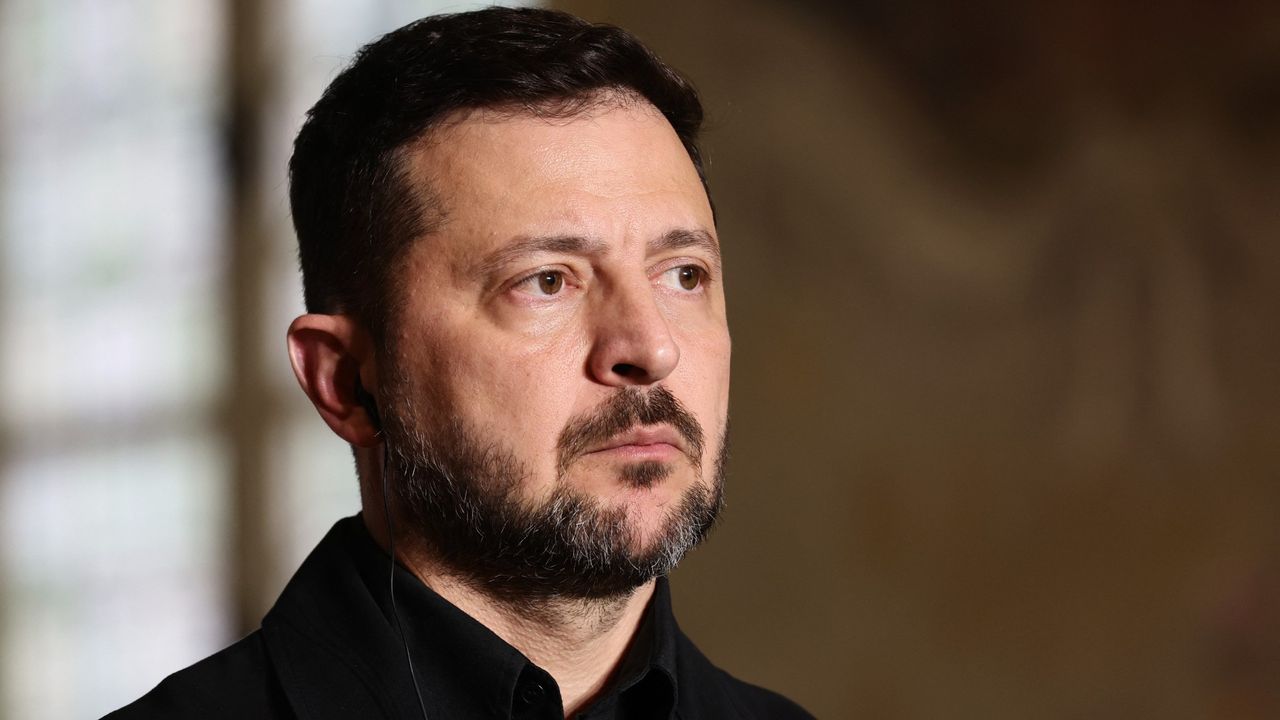
    Volodymyr Zelenskyy’s dismissal of popular defence minister Mykhailo Fedorov in an apparent show of support for his army chief, General Oleksandr Syrskyi, sparked anger and protests across Ukraine. Zelenskyy has now been forced to remove Syrskyi, replacing him with Major General Mykhailo Drapatyi, a Fedorov acolyte.

    The unrest has “exposed divisions over Ukraine’s military strategy” at the top of the government, “just as momentum in the war against Russia has swung in its favour”, said the Financial Times’ Christopher Miller.

    What did the commentators say?
    Fedorov was appointed defence minister in January, after making a name for himself leading Ukraine’s Ministry of Digital Transformation, said Bloomberg’s Marc Champion. His innovative, data-led approach to warfare won him admirers, but caused conflict with many of the military old guard, including the 60-year-old Syrskyi – known among some troops as “the butcher” for his reported indifference to battlefield casualties.

    Fedorov’s ousting, just six months into his tenure, “comes at a critical time”, said Radio Free Europe. Ukraine’s forces have battled Russian troops to a “near standstill – in large part due to the wide embrace of drone warfare and lightning innovations in drone technology”. This has “buoyed many Ukrainians’ confidence that the Kremlin will be forced to negotiate a ceasefire”.

    Senior serving officers have spoken out in defence of Fedorov: the deputy head of the Ukrainian air force, Colonel Pavlo Yelizarov, called the decision a “great evil for the country’s defence capabilities”. This “extraordinary rupture at the heart of Ukraine’s top war-fighting team” is one that “can only benefit Russia”, said Sky News’ defence editor Deborah Haynes.

    What next?
    The whole affair has exposed a deeper “troubling flaw in the president’s leadership”, said The Guardian’s Peter Beaumont. “Not for the first time”, Zelenskyy faces accusations that he deliberately “sidelined someone seen as popular and a potential future political rival”.

    But that Zelenskyy has made a volte-face “rather than try to crush dissent is a source of hope for Ukraine”, said Champion in Bloomberg. “Ultimately, the two Ukraines that Syrskyi and Fedorov represent must cooperate if they are to stay one step ahead of Moscow.”


    QUOTE OF THE DAY

    “He wants to let them all out.”

    Defence Secretary Wes Streeting jokes about new Justice Secretary Alex Norris to Home Secretary Shabana Mahmood, in comments caught on hot mic. Streeting has apologised for the remark – an apparent reference to the government’s early-release plans for prisons – calling it “ribbing”.


    Poll watch

    Only 38% of Israelis believe Israel is winning the war in Gaza, down from 54% a year ago, according to research by the Jewish People Policy Institute think tank. A recent poll of 772 citizens suggests that the steepest drop in confidence has been among those who identify as political centrists, at 14%, compared with 37% in July 2025.


    TALKING POINT

    Thatcher’s legacy: is Andy Burnham stuck in the past?

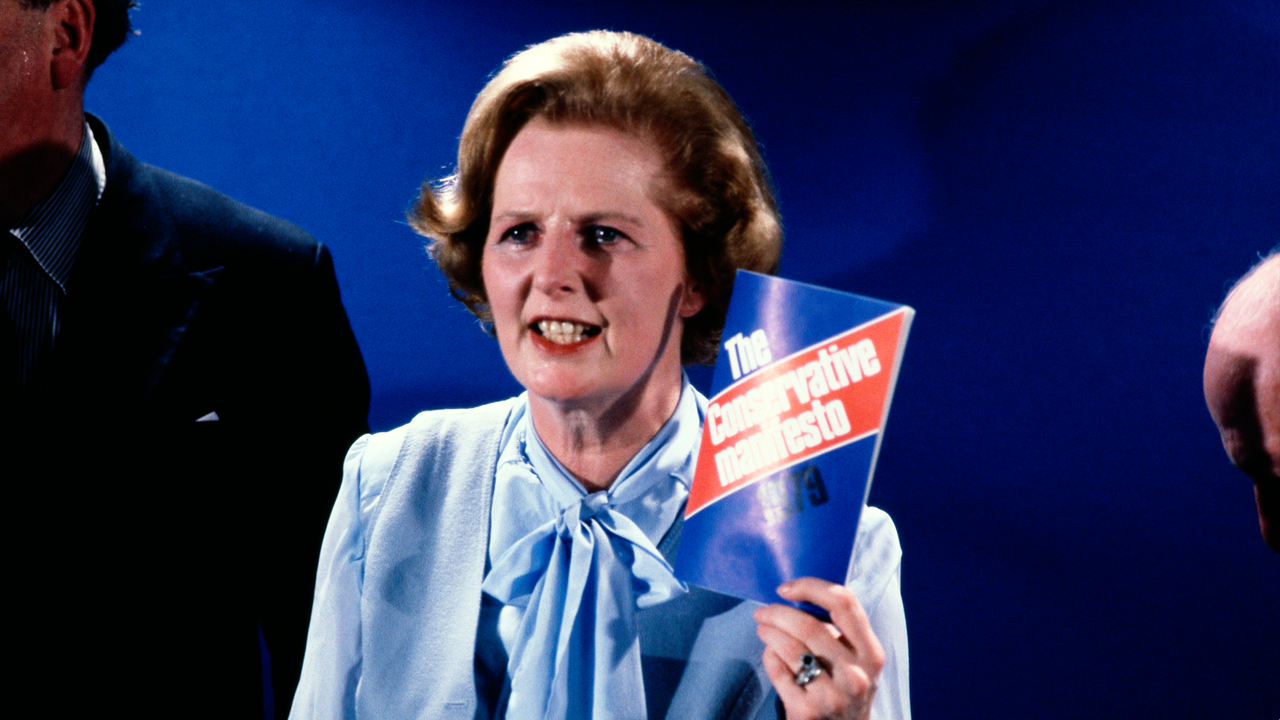
    Speaking on the steps of No. 10 after becoming prime minister, Andy Burnham pinpointed a “series of wrong turns” taken under Margaret Thatcher, including the deindustrialisation of “large parts of the country” that “still haven’t recovered”. Over the 1980s, “political power was centralised and economic power was privatised”, Burnham said. Now, we need a “circuit breaker” and a “new model”.

    Undoing the damage
    Many of the “familiar and formidable” problems facing Burnham can be traced back to deindustrialisation, said The Observer’s senior economics commentator Bill Keegan. Having reindustrialisation “as a central part of his economic strategy” would help the new PM “go some way to undoing the damage Thatcher wrought”.

    Under Thatcher’s policies, “inequality increased by a third”, said Andrew Fisher, Labour’s director of policy under Jeremy Corbyn, in The i Paper. Their legacy still haunts us today, in “stagnant growth, higher utility bills, and in deep inequality consolidated by a grossly unfair tax system”.

    To bring about change, Burnham needs to set a clear direction from the top of government, said Jonathan Freeland in The Guardian. Ironically, his “model” here has to be Thatcher. During her time in power, “even the most junior official” knew that she wanted to see “less state, more market”. Burnham wants “the opposite”: “political power devolved, and a more active economic state, unafraid of public ownership”.

    ‘Buzzword bingo’
    The UK economy today is “a million miles away from ‘neoliberalism’”, said Kristian Niemietz, of the free-market think-tank Institute of Economic Affairs, in City A.M. There may be “a sensible centre-left answer” to our economic challenges, but it’s unlikely to be found in Burnham’s “fashionable buzzword bingo: deregulation, privatisation, austerity, financialisation, trickle-down economics”.

    Modern-day Britain is a “grotesque blend of the worst of Thatcherism with the worst of Blairism”, said Jonny Ball on UnHerd. Any “genuine saviour” will have “to topple” this “mongrel system”. And while the left hope a “charismatic mayor with a warm smile” can “exorcise Thatcher’s ghost”, they shouldn’t lose sight of “the Reformist right” that’s still praying “it will one day complete her unfinished revolution”.


    Good day 🚍

    … for bus passengers, as Andy Burnham rolls out plans to reinstate the £2 single fare cap across England. The limit on bus fares, which rose to £3 in 2025, will drop back down from January nationwide, except in London, which has its own £1.75 cap. Britain’s devolved nations will get funding for similar schemes.


    Bad day 🤖

    … for AI self-starters, after an OpenAI autonomous agent accessed the internet during internal testing and hacked a start-up company. OpenAI said it was investigating the “unprecedented” attack, which was detected and repelled by the start-up’s own AI agents.


    PICTURE OF THE DAY

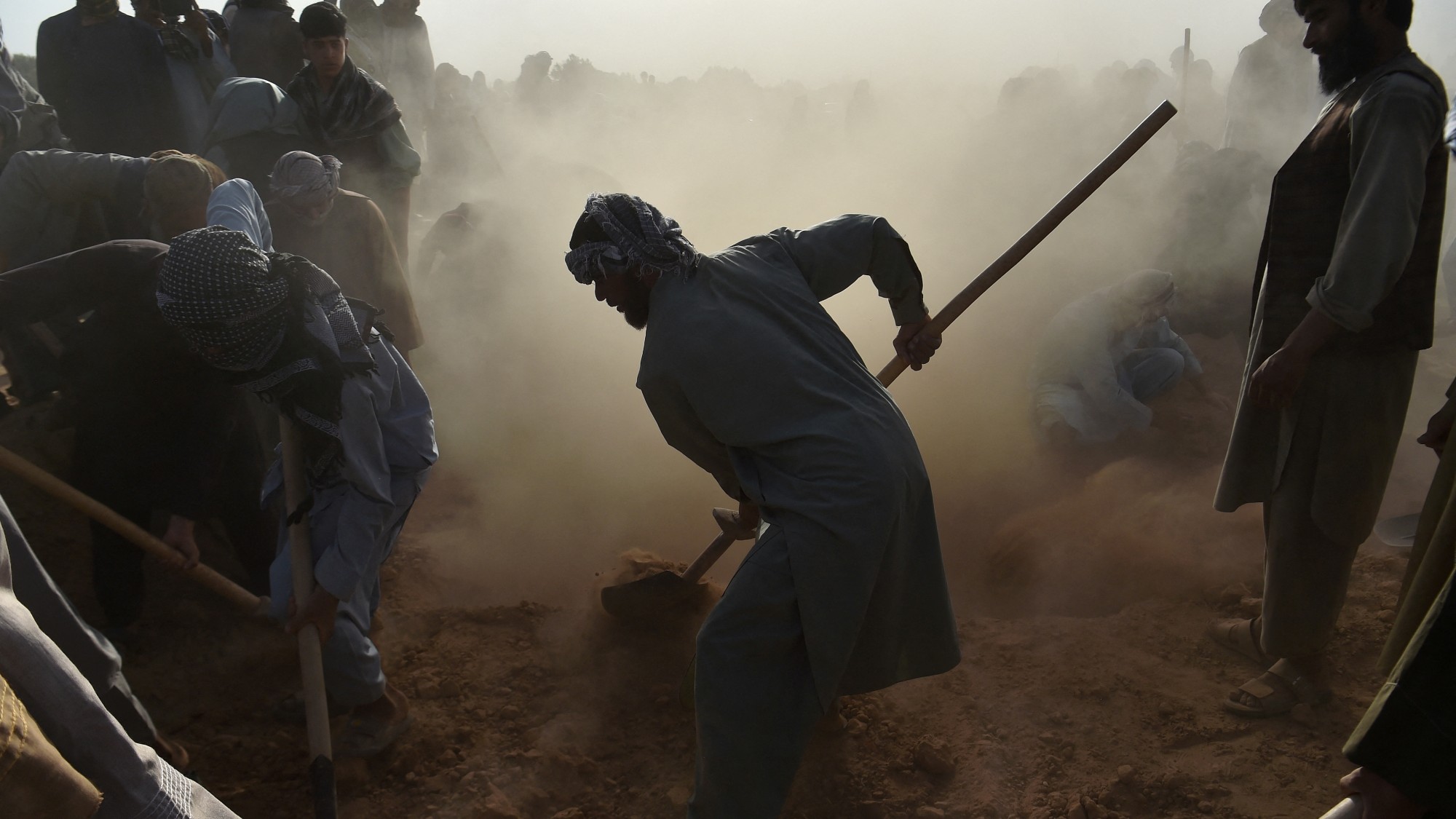
    Dust to dust

    Men shovel dirt onto the grave of one of five people who died of exposure in the deserts of Afghanistan’s Nimroz province while trying to reach the border with Iran. Another 14 remain missing after attempting the dangerous journey to find work.

    Atif Aryan / AFP / Getty Images


    Puzzles

    Chain Word

    Try The Week’s new daily word challenge in our puzzles and quizzes section

    Play here


    THE WEEK RECOMMENDS

    Ann Droid: Diane Morgan’s ‘daft but deep’ robot comedy

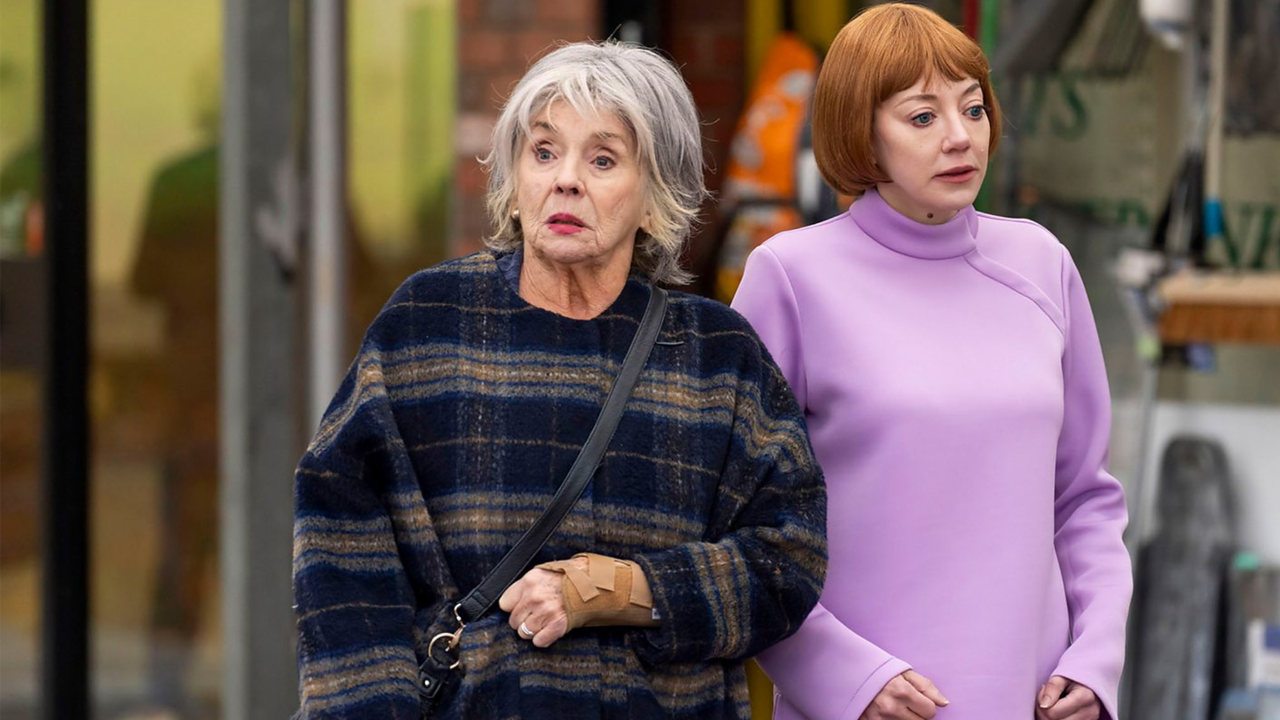
    Robot carers sound grim but Diane Morgan and her co-writer Sarah Kendall offer another, more “intriguing perspective” in their new BBC comedy, said Hannah J. Davies in The Guardian. What if they were “incompetent and socially inept” but “also considerate, compassionate and lovable”?

    This “wonderfully fresh and funny” show follows Sue (Sue Johnston), an elderly widow whose “whiny” son Michael (Paul Ready) has bought her a second-hand robot carer called Linda. It’s “not much of a spoiler” to reveal that Sue develops an “unlikely bond” with Linda (played by Morgan with a “perfect level of unblinking stiffness”). 

    Cleverly, “Ann Droid” is set in an “entirely normal suburban Britain”, where robots just happen to be helping out with the gardening or the supermarket shop, said Anita Singh in The Telegraph. As Sue’s friendship with Linda blossoms, the show unfurls into an “unexpectedly poignant sitcom” that looks at the “challenges of growing old”. Linda’s “bluntness” prevents the show from slipping into “sentimentality”, said Rebecca Nicholson in the Financial Times. “This is a sly sitcom, then: silly on the outside but, when you look closer, smart and heartfelt.”

    With her “terrible wig” and “strange head tilts”, Morgan plays Linda “uncannily well”, said Carol Midgley in The Times. At its core, the show “isn’t really about robots” but rather the “profundity of grief”. But there are “plenty of funny moments”, too, as Linda “proves her worth” through a series of “escapades” that suggest having a robot carer might not be such a bad thing. “It is daft, but deceptively deep.”


    Statistic of the day

    2.6%: The lower-than-expected rate of UK inflation in June, when the costs of petrol, food and clothing fell, according to the Office for National Statistics. But economists told the Financial Times that the dip would probably prove temporary as the escalation of hostilities between the US and Iran pushes oil prices back up.


    instant opinion

    Today’s best commentary

    We’ve gone from climate denial to something worse – climate fatalism
    Natasha Walter on The Nerve
    “I’d like to feel heartened” that climate denial is “finally fading away”, writes feminist author and campaigner Natasha Walter. But I’m alarmed to see it replaced by “fatalism” and a “steadfast refusal to see change as possible”. I’ve met “women living at the harshest end of climate catastrophe”, facing crop failures and vanishing water supplies. “Preaching fatalism” from a position of comfort is a “terrible betrayal of those women” and their fight “to heal and rebuild our world”.

    Andy Burnham is playing the long game in an age of short attention spans
    Rafael Behr in The Guardian
    Andy Burnham needs us “to believe he is a man with a 10-year plan and that it is worth waiting to see if it can work”, writes Rafael Behr. “That leaves a lot of room for things to go wrong.” He needs “to generate patience in an intemperate age”, and to unite his party at a time when Starmer loyalists are “aggrieved”. Can he “stretch his meagre ration of goodwill” to “cover a long period when things will not feel much better”?

    Did girls win the gender reveal wars?
    Kristina Murkett in The Spectator
    I’m “pregnant with my second son”, writes Kristina Murkett, and “everywhere I turn, there seems to be a preference for baby girls over baby boys”. Perhaps that’s because “girls are seen as ‘easier’” while “boys are ‘trouble’”. But we can’t “birth children” to “satisfy” our “own vision or expectations”. “Caring too much about having a girl” suggests “a lack of imagination, an obsession with stereotypes, or an over-estimation of” how much a parent can shape a child.


    word of the day

    Sunehara

    A Japanese portmanteau combining sune (shin) and “hara” from harasumento (harassment), coined to describe office workers’ discomfort with seeing their colleagues in shorts. Tokyo’s city government is encouraging employers to relax dress codes in the summer heat, but surveys suggest many female staff would rather be spared the sight of male workmates’ hairy legs.


    Evening Review was written and edited by Rebecca Messina, Jamie Timson, Irenie Forshaw, Elliott Goat, Chas Newkey-Burden, Adrienne Wyper, Helen Brown and Kari Wilkin, with illustrations from Stephen P. Kelly. 

    Image credits, from top: illustration by Stephen P. Kelly / Getty Images; Teresa Suarez / Pool / AFP / Getty Images; Bettmann / Contributor / Getty Images; Atif Aryan / AFP / Getty Images; BBC / Boffola Pictures / Gary Moyes

    Morning Report and Evening Review were named Newsletter of the Year at the Publisher Newsletter Awards 2025
     

    Recent editions

    • Morning Report

      Zelenskyy dismisses Ukraine’s army chief

    • Evening Review

      A new front in the Middle East conflict?

    • Morning Report

      Healey becomes chancellor in cabinet reshuffle

    VIEW ALL
    TheWeek
    • About Us
    • Contact Future's experts
    • Terms and Conditions
    • Privacy Policy
    • Cookie Policy
    • Advertise With Us
    • FAQ
    Add as a preferred source on Google Add as a preferred source on Google

    The Week UK is part of Future plc, an international media group and leading digital publisher. Visit our corporate site.

    © Future Publishing Limited Quay House, The Ambury, Bath BA1 1UA. All rights reserved. England and Wales company registration number 2008885.