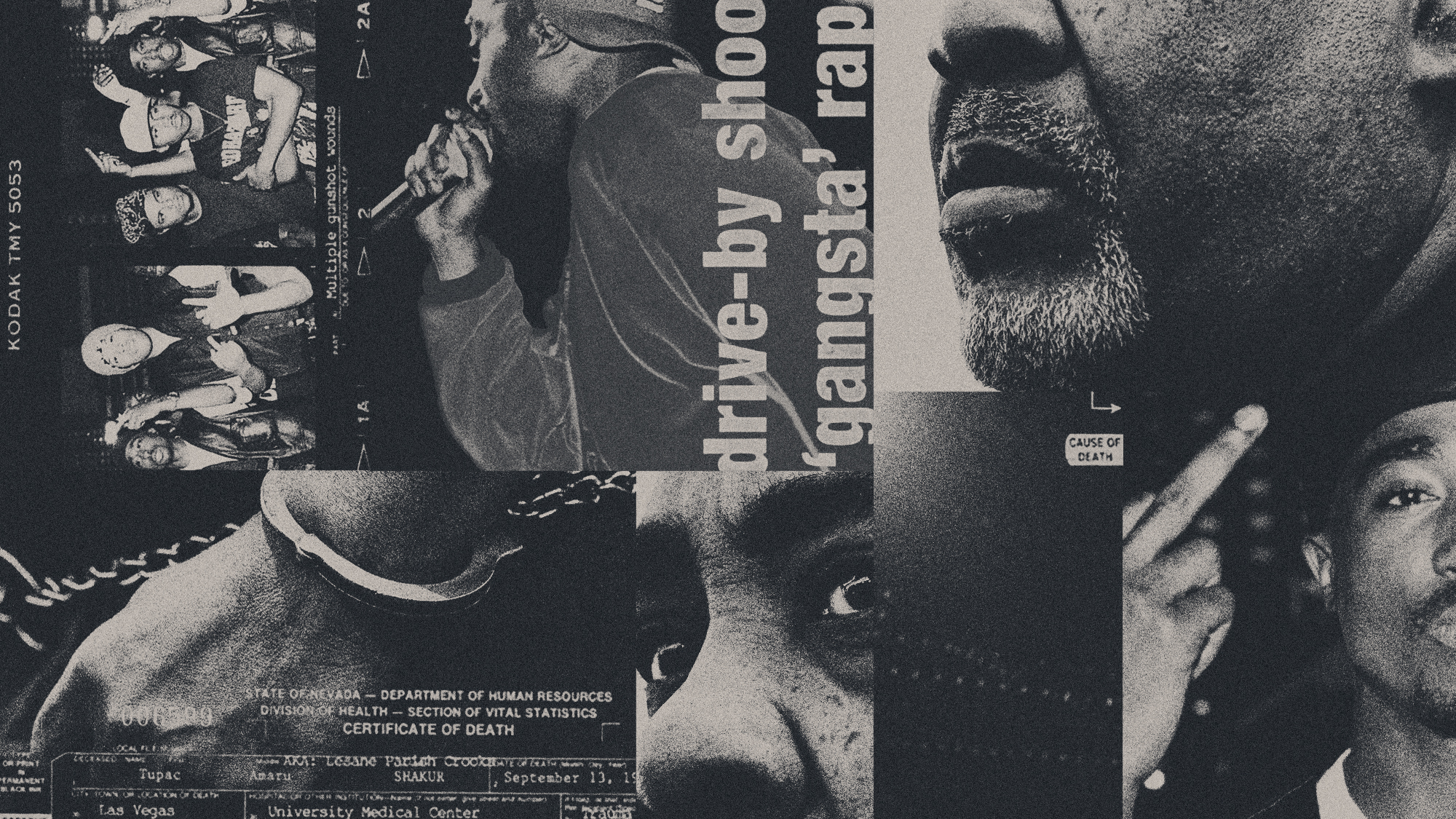
Nearly 30 years after the fatal shooting of rapper Tupac Shakur, Duane “Keffe D” Davis is standing trial for one of America’s most notorious unsolved murders. At the core of the case is a self-published memoir by Davis himself, in which he claimed to be “one of the only living eyewitnesses” to the rapper’s killing.
It means, rather unusually, “he’s the defendant but he’s also the all-star witness,” said CNN legal analyst Joey Jackson.
What is in the book?
“Compton Street Legend”, published in 2019, opens in Las Vegas on the night of 7 September 1996, with a step-by-step account of a plan to confront Shakur and Death Row Records CEO Marion “Suge” Knight in retaliation for an earlier fight. Davis describes how he secured a gun, jumped into a Cadillac with three others and drove around before spotting the pair at a junction. “No words exchanged, the time for talking had passed, the shit was about to go down!” he wrote. Shakur was hit multiple times in the shooting that followed, and died from his wounds six days later.
At first, the book “drew little attention outside online circles devoted to hip-hop lore and true crime”, said Julia Jacobs in The New York Times. But a detective with the Las Vegas Metropolitan Police Department quietly began to build a case around it, and, in 2023, excerpts from it convinced a grand jury to indict Davis on one count of murder – which Davis denies.
How will it be used at trial?
The prosecution’s case is “largely built on the defendant’s own words” – from his book, as well as podcast and documentary interviews and statements made to police, said CNN’s Eric Levenson. Davis is accused of orchestrating the killing, without actually being the one who pulled the trigger. The passages in the book, prosecutors argue, are a confession that he made public in the mistaken belief he had immunity. Davis has pleaded not guilty, and claims that his prior statements about the night in question were false and merely an attempt to sell books.
All this means the jury will face an “unusual dynamic”, said Levenson: prosecutors will “argue the accused murderer is credible and trustworthy, while defence attorneys will deride their client as a liar and fraud”. |