The Week The Week
flag of US
US
flag of UK
UK
https://cdn.mos.cms.futurecdn.net/flexiimages/jzblygzdxr1769609154.gif

SUBSCRIBE

Try 6 weeks free

Sign in
  • View Profile
  • Sign out
  • The Explainer
  • Talking Points
  • The Week Recommends
  • Podcasts
  • Newsletters
  • From the Magazine
  • The Week Junior
  • More
    • Politics
    • World News
    • Business
    • Health
    • Science
    • Food & Drink
    • Travel
    • Culture
    • History
    • Personal Finance
    • Puzzles
    • Photos
    • The Blend
    • All Categories
  • Newsletter sign up Newsletter
  • The Week Evening Review
    The Lib Dem conference, UK support for Saudi Arabia, and the Booker Prize list

     
    TODAY’S BIG QUESTION

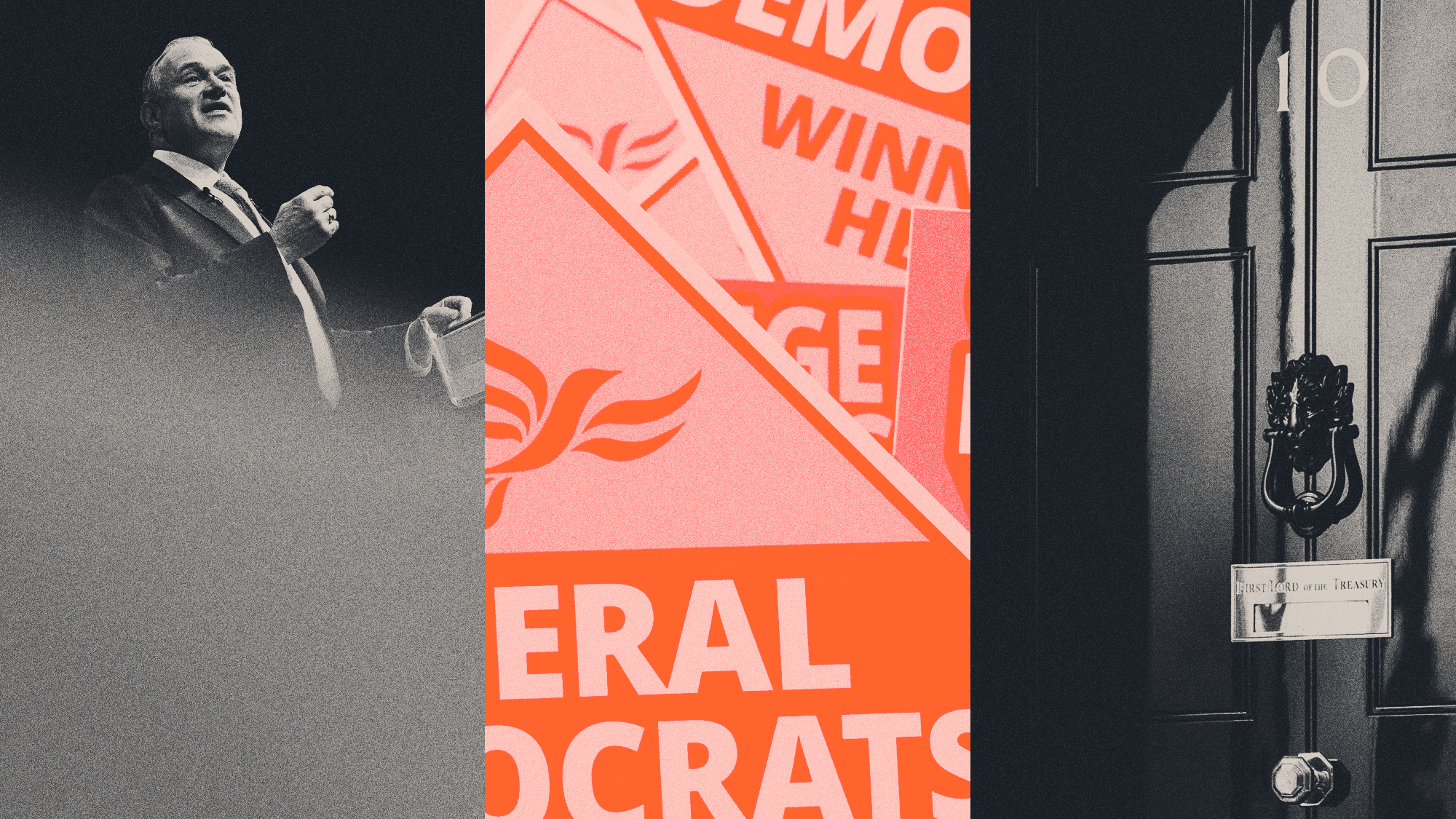
    Could the Lib Dems get back into power?

    “What is the point of the Liberal Democrats?” asked Joanna Williams in The Times. Even those at the party conference seemed unsure: a Lib Dem council leader said the party was “lacking ambition”, while MP Roz Savage wondered why they were “struggling for relevance at precisely the moment when so many people feel powerless”.

    During his headlining speech, leader Ed Davey campaigned for an anti-Reform firewall, income tax cuts and a closer proximity to the EU. Yet despite achieving a record number of MPs at the last election, his party is sliding in the polls and, for many members, its blueprint to Westminster appears to be blank.

    What did the commentators say?
    “Younger readers may not believe me, but we used to take the Lib Dems seriously,” said Gareth Roberts in The Spectator. “Or at least more seriously.” We are surrounded by swathes of “repulsive or infuriating politicians”, but Davey is “merely laughable”. There have been calls from within for him to step down, but such is the predicament of the party that these outbursts “hardly seemed to register”.

    Davey’s call to rejoin the single market in his closing speech underlines how the party’s strategy is “built on sand”, said Sherelle Jacobs in The Telegraph. Traditionally, the Brexit issue was the “ultimate gift” for the Lib Dems, allowing them to move to the left economically, while profiting as the “right tore itself apart”. But now, the subject ranks “as a fifth-order issue” electorally, so placing it at the core of the party’s agenda “just seems odd”.

    Yet if a general election were to be called tomorrow, the Lib Dems would “probably repeat their record-breaking performance of 2024, or get very close”, said Hugo Gye in The Economist. They have “firmly dug in to their core areas”, such as Richmond-upon-Thames, where they won all 54 positions in recent council elections. But it’s difficult to see where the party will go next. “Not everywhere can be Richmond.”

    What next?
    Local elections next year will test whether Davey’s method is working, and a by-election win could help to steady Lib Dem nerves.


    THE EXPLAINER

    The UK’s support to Saudi Arabia in Yemen

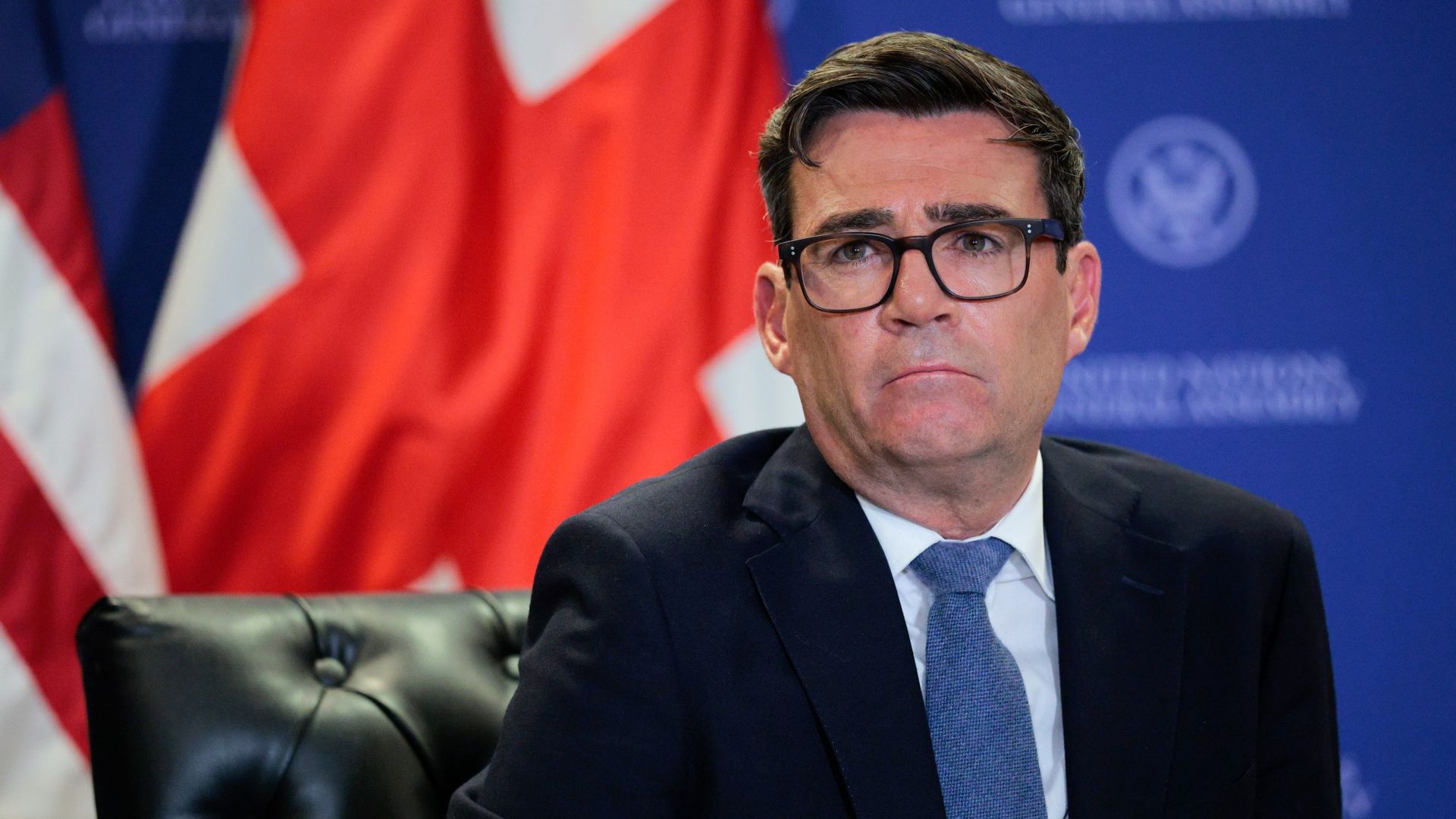
    Andy Burnham has announced military support for Saudi Arabia in operations against Houthi rebels in Yemen, in a bid to avoid further disruption to global energy supplies. A statement from the Ministry of Defence confirmed that an RAF Voyager air-to-air refuelling aircraft is to be deployed to bolster Saudi “defensive activity in support of the legitimate government of Yemen”.

    Why is the UK getting involved?
    The conflict between Iranian-backed Houthis and Yemen’s Saudi-backed government has reignited in recent weeks as the rebels aim missile and drone attacks at targets in Saudi Arabia. The rebels have also seized the strategically vital Yemeni port city of Mokha and declared a blockade on Saudi shipping in the Red Sea and Bab el-Mandeb Strait, through which around 12% of global trade passes.

    The Associated Press reported last week that Saudi Arabia was running low on missile interceptors and had “turned to regional and Western allies for assistance”. Defence Minister Luke Pollard told Sky News that the UK was stepping up “in support of our own national security”, but Burnham alluded to another reason closer to home, citing the need to “keep those pathways open” in the interest of “cost-of-living pressures”.

    The Bab el-Mandeb Strait has been used increasingly as an alternative route for oil exports, bypassing disruption in the ⁠Strait of Hormuz. Any blockade would drive up global energy prices even further.

    Could the UK get dragged into a wider conflict?
    The support builds on the UK’s existing military contribution to Saudi Arabia’s air defence, including the deployment of equipment and of UK personnel helping to protect against missile and drone attacks. The use of the RAF Voyager, normally based in Cyprus, is expected to start within days and to be focused on defensive capabilities. But it could also “include shooting down drones, which is considered a defensive measure”, said The Independent. The deployment will be time-limited, with the initial agreement believed to be for a matter of weeks, but Burnham said it will be kept under review.


    QUOTE OF THE DAY

    “We cannot carry on with a Britain that is a sort of bobbing cork in the sea.”

    David Miliband warns that the country must “find a structured, organised, institutionalised relationship with the EU”. Brexit was a “unilateral declaration of political impotence” that has left Britain “weaker”, the former foreign secretary told The Independent. 


    Poll watch

    Yorkshire puddings have been named Britain’s most iconic regional food in a survey by The Camping and Caravanning Club. The Sunday roast staple was chosen by 54% of 2,000 adults. The Cornish pasty was just behind, on 52%, while Bakewell tart and Cheddar cheese were joint third, on 36%. 


    IN THE SPOTLIGHT

    Struggling men take centre stage in the Booker shortlist

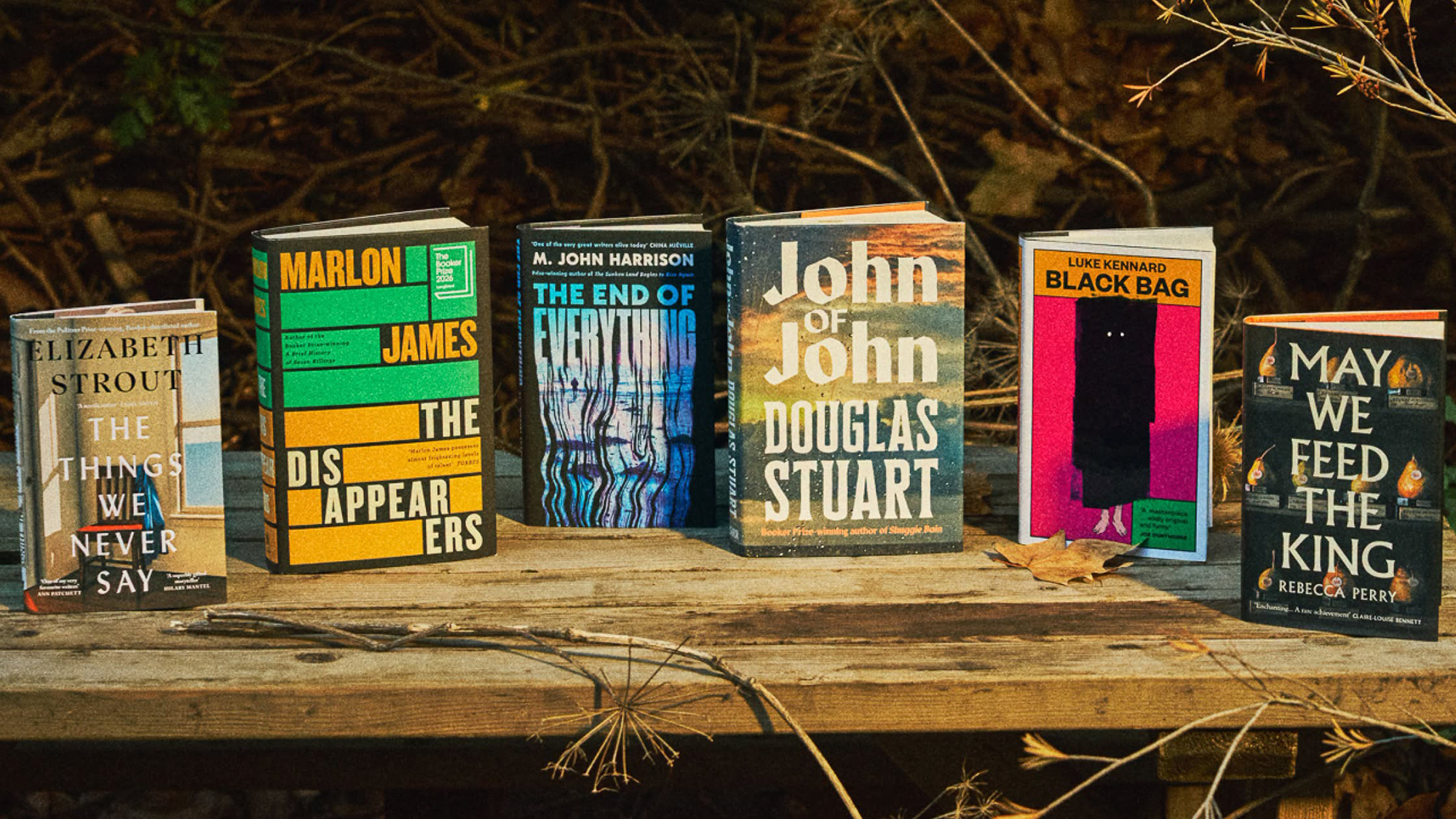
    Men outnumber women on this year’s Booker Prize list, but a key subject matter in their work is “more revealing” than any author’s “identity characteristics”, said Johanna Thomas-Corr in The Times. The shortlisted authors span a “generational arc”, stretching from 40-year-old Rebecca Perry to the “81-year-old veteran of experimental speculative fiction” M. John Harrison. But an “overarching theme” has emerged: “masculine authority in crisis – and discomfort”. These are tales of fathers, sons and husbands “struggling to inhabit the roles, structures and stories that are supposed to contain them”.

    ‘Weight of male expectation’
    Luke Kennard’s brilliantly funny campus novel, “Black Bag”, sees an out-of-work actor paid to lurk inside a “leather suit bag, as status and confidence evaporate”, said Thomas-Corr. And Douglas Stuart “examines the weight of male expectation” in “John of John”, a story about a young gay art student who returns to his repressive home in the Hebrides. 

    In “The Disappearers”, Marlon James charts how masculinity is “brutally policed” in a murderous homophobic attack in 1980s Jamaica, while Harrison “tests the masculine survivalist fantasy of practical competence” in his “unsettling” post-apocalyptic tale “The End of Everything”.

    ‘Mastery of the world’
    The female authors on the list also turn their lens on male characters: Elizabeth Strout’s book “The Things We Never Say” is a domestically precise portrayal of an increasingly isolated husband, while Perry follows a “reluctant medieval monarch who inherits the ultimate ‘great man’ role without wanting it” in “May We Feed the King”, said Thomas-Corr. The books reject the very things that male protagonists would once have taken “for granted”, from sexual legitimacy and paternal authority to economic security and “mastery of the world”.

    Last year’s winner, David Szalay’s “Flesh”, a rags-to-riches story about a Hungarian man catapulted into the world of the super-wealthy, sparked much debate about “literary fiction’s renewed interest in masculinity”, said Anthony Cummins in The Observer. This year’s list will only intensify the discussion, “the theme of which might be summed up as: are men OK?”

    Booker Prize judge and Pulp frontman Jarvis Cocker said it was a “surprise” that four novels written by men had ended up on this year’s shortlist of six – because, “generally speaking, the male-written books weren’t as good as the ones written by women”. The male authors still in the running for the prestigious 2026 literary award are those who are able to “rethink their roles”.


    Good day 🧁

    … for Nigella Lawson, who is being applauded for her debut as a judge on “The Great British Bake Off” following the show’s return last night. The celebrity chef performed “as a domestic goddess should”, said The Times’ deputy TV editor Ben Dowell, “with all the sensual, self-confident elegance of a world-renowned patissier placing a raspberry on smooth butter icing”. 


    Bad day⛰️

    … for Mont Blanc day-trippers, as officials announce new rules to tackle a surge in people on the 105-mile trail around the mountain. The crowd control measures are intended to ensure only “serious hikers” walk the circuit, which goes through France, Italy and Switzerland, amid complaints about littering and vehicles transporting suitcases from stop to stop. 


    PICTURE OF THE DAY

    Star attractions

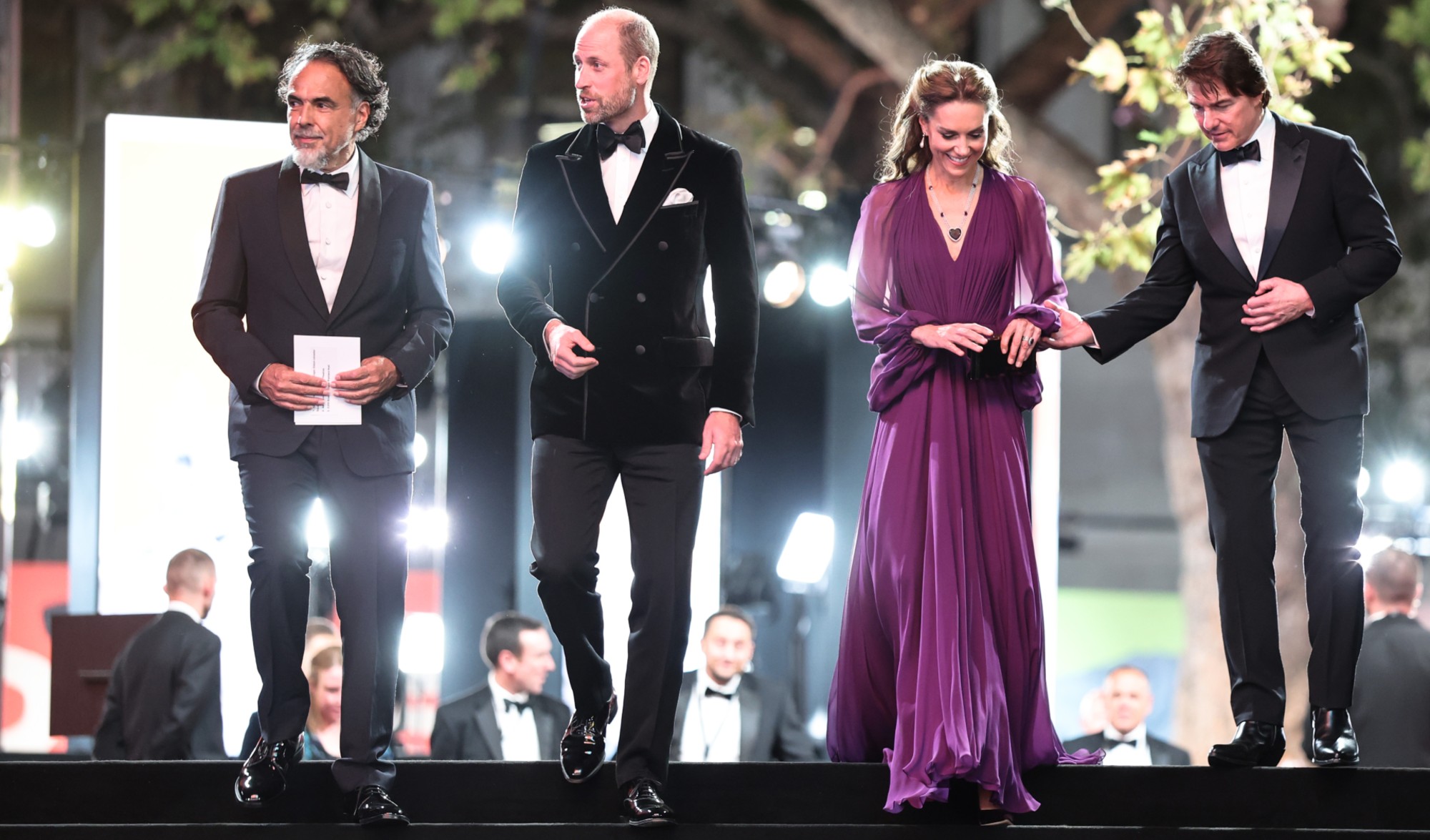
    The Prince and Princess of Wales attend the world premiere of “Digger” in London alongside the film’s star Tom Cruise and director Alejandro González Iñárritu. Other famous faces at the screening in Leicester Square included David Beckham, Salma Hayek and Hannah Waddingham.

    Chris Jackson / Getty Images / Warner Bros.


    Puzzles

    Chain Word

    Try The Week’s daily word challenge in our puzzles and quizzes section, which also includes sudoku and Guess the Number

    Play here


    THE WEEK RECOMMENDS

    The best Aardman films

    Aardman Animations is back with its third feature starring Shaun the Sheep, “the claymation lamb with a heart of gold”, said Empire. The Halloween-themed new film, “The Beast of Mossy Bottom”, sees Shaun and his loyal flock accidentally turn their “beloved if ungainly farmer” into a “Bigfoot-like monster who terrorises the local village”.

    Half a century has passed since Peter Lord and David Sproxton set up Aardman, but the stop-motion animation remains “as sharp as ever”. Here are some of the studio’s other prime films.

    Chicken Run (2000)
    Like every Aardman film, the premise is straightforward – “The Great Escape” with chickens – but “such is the animators’ ability to humanise the birds’ plight that it turns into an improbably emotional epic”, said The Guardian. An instant hit, the film proved Aardman could “hold its own” in Hollywood.

    Wallace and Gromit: Vengeance Most Fowl (2024)
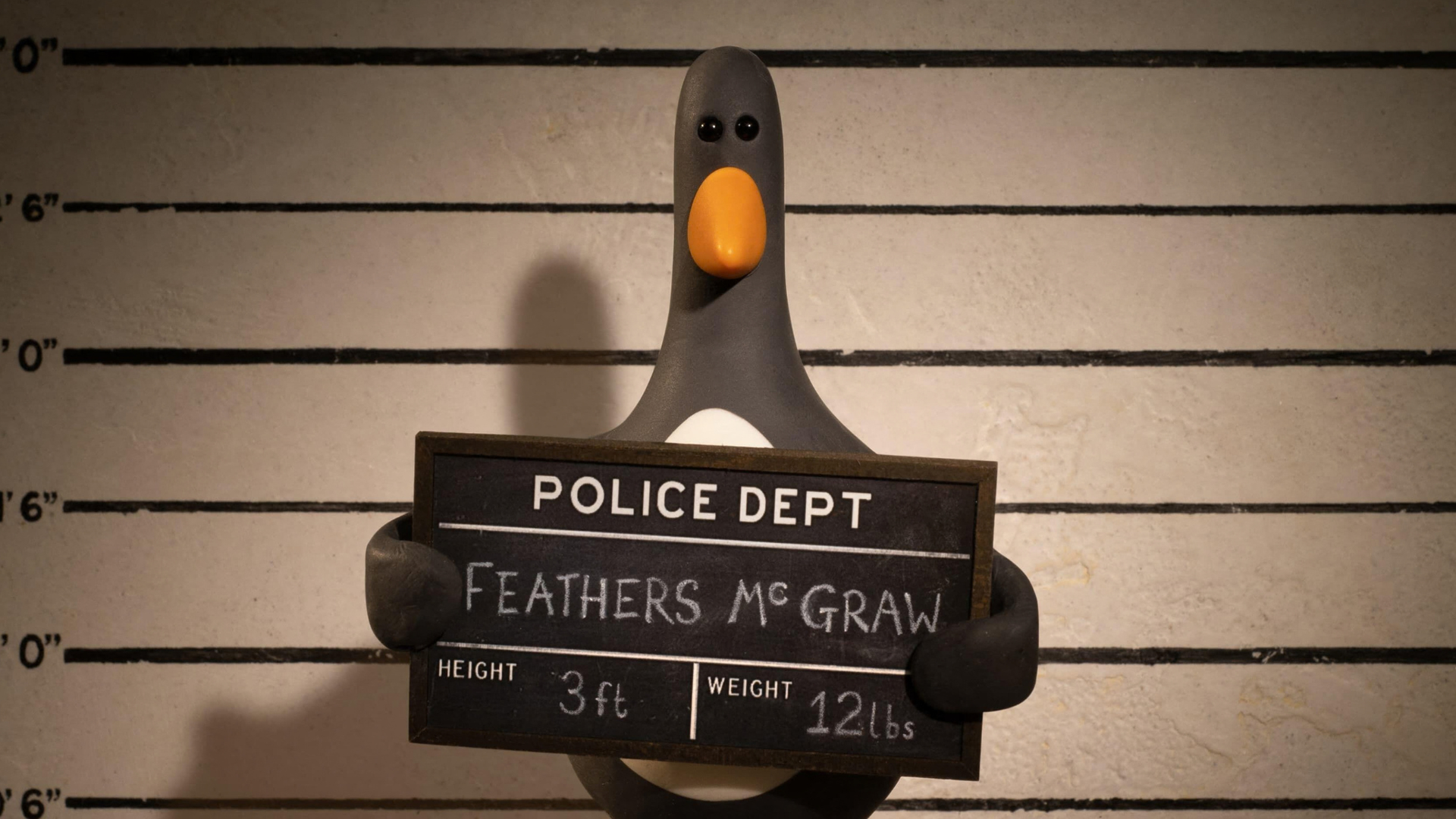
    The beloved man-and-dog pair returned for this “perfectly made” feature in which their relationship starts to strain when Wallace “begins relying too much on his robot garden gnome”, said IndieWire. Beyond the “glossy and gorgeous” claymation, what really makes the film stand out is the return of the “terrifyingly evil” Feathers McGraw.

    Shaun the Sheep Movie (2015)
    Inspired by Aardman’s TV series about a “clever, enterprising” sheep, the film takes the show’s “bare-bones premise and runs wild with it”, said Vulture. Featuring “kid-friendly sight gags” and “adult-friendly puns”, it’s a fun watch for the whole family. But its meditation “on urban alienation” also makes it potentially “the most emotionally mature film in Aardman’s catalogue”.


    Statistic of the day

    2.1C: The increase above the average sea temperature in the El Niño region of the Pacific Ocean – exceeding the 2C threshold for a “Super El Niño” climate event. Updated predictions from the US government’s National Oceanic and Atmospheric Administration suggest a 75% chance that this year’s global weather phenomenon will be the strongest ever recorded.


    instant opinion

    Today’s best commentary

    It’s Time to Cry Wolf Over A.I.
    Thomas L Friedman in The New York Times
    The “biggest disaster stories”, writes Thomas L Friedman, tend to “have one big thing in common: a failure of imagination” by those at the top. Donald Trump’s “dismissal of fears” about artificial intelligence shows he is “uniquely unsuited” to the “sustained, coordinated governance” that could keep us safe. That’s “what was missing in the run-up” to his war with Iran, “and we are paying a huge price”. Imagine how much worse it could be if AI goes “off the rails”.

    Could we be about to see the end of northern English dialects? My experience – and the science – says aye
    Zahaan Bharmal in The Guardian
    I’m a Londoner living in York and “I’ve never tried to change” my “southern tones”, writes Zahaan Bharmal. But I recently mentioned Tadcaster Road and “completely forgot to pronounce the ‘arse’ in the middle”. This accent “flexing” works the other way, too. In fact, scientists think “northern linguistic traits” may dissolve over time as “people move, marry, have children and absorb” each other’s words. “Like bubbles in a bath (pronounced ‘bath’ or ‘bar-th’)”, dialect boundaries merge and reshape “wherever they touch”. 

    High time we woke up to the state we’re in
    Alice Thomson in The Times 
    Fly-tipping, shop-lifting, fare-dodging, running red lights: so many Britons “lack a sense of civic duty, social obligation or deference to the law”, writes Alice Thomson. And the “diligent majority” who do “follow rules” increasingly “feel like mugs for having morals”. The government must “tackle the rise in hyper individualism”. “Much as he hates being seen as the bad guy”, Andy Burnham needs to “shame the cheats whose ‘right’ to do as they please” is “ruining life” for the rest of us.


    word of the day

    Super

    The adjective that Donald Trump wants everyone to use instead of “artificial” when talking about AI. The word “artificial makes intelligence sound fake”, the US president said during his UN General Assembly speech yesterday. So all official US documents, and “hopefully the world’s”, will now use the “much more accurate” term super intelligence, or SI. 


    Evening Review was written and edited by Hollie Clemence, Jamie Timson, Will Barker, Irenie Forshaw, Chas Newkey-Burden, Steph Jones, Helen Brown and Kari Wilkin, with illustrations from Stephen P. Kelly.

    Image credits, from top: illustration by Stephen P. Kelly / Getty Images; Chip Somodevilla / Getty Images; Yuki Sugiura / Booker Prize Foundation; Chris Jackson / Getty Images / Warner Bros. / FlixPix / Alamy
     

    Recent editions

    • Morning Report

      Burnham to revisit Chagos deal after Trump meeting

    • Evening Review

      Burnham and Trump come face to face

    • Morning Report

      Burnham authorises first RAF deployment as PM

    VIEW ALL
    TheWeek
    • About Us
    • Contact Future's experts
    • Terms and Conditions
    • Privacy Policy
    • Cookie Policy
    • Advertise With Us
    • FAQ
    Add as a preferred source on Google Add as a preferred source on Google

    The Week UK is part of Future plc, an international media group and leading digital publisher. Visit our corporate site.

    © Future Publishing Limited Quay House, The Ambury, Bath BA1 1UA. All rights reserved. England and Wales company registration number 2008885.