The Week UK
flag of US
US
flag of UK
UK
https://cdn.mos.cms.futurecdn.net/flexiimages/jzblygzdxr1769609154.gif

SUBSCRIBE

Start your trial today

Sign in
  • View Profile
  • Sign out
  • The Explainer
  • Talking Points
  • The Week Recommends
  • Podcasts
  • Newsletters
  • From the Magazine
  • The Week Junior
  • More
    • Politics
    • World News
    • Business
    • Health
    • Science
    • Food & Drink
    • Travel
    • Culture
    • History
    • Personal Finance
    • Puzzles
    • Photos
    • The Blend
    • All Categories
  • Newsletter sign up Newsletter
  • The Week Evening Review
    Trump’s future, ‘Made in Europe’, and the slavery reparations row

     
    TODAY’S BIG QUESTION

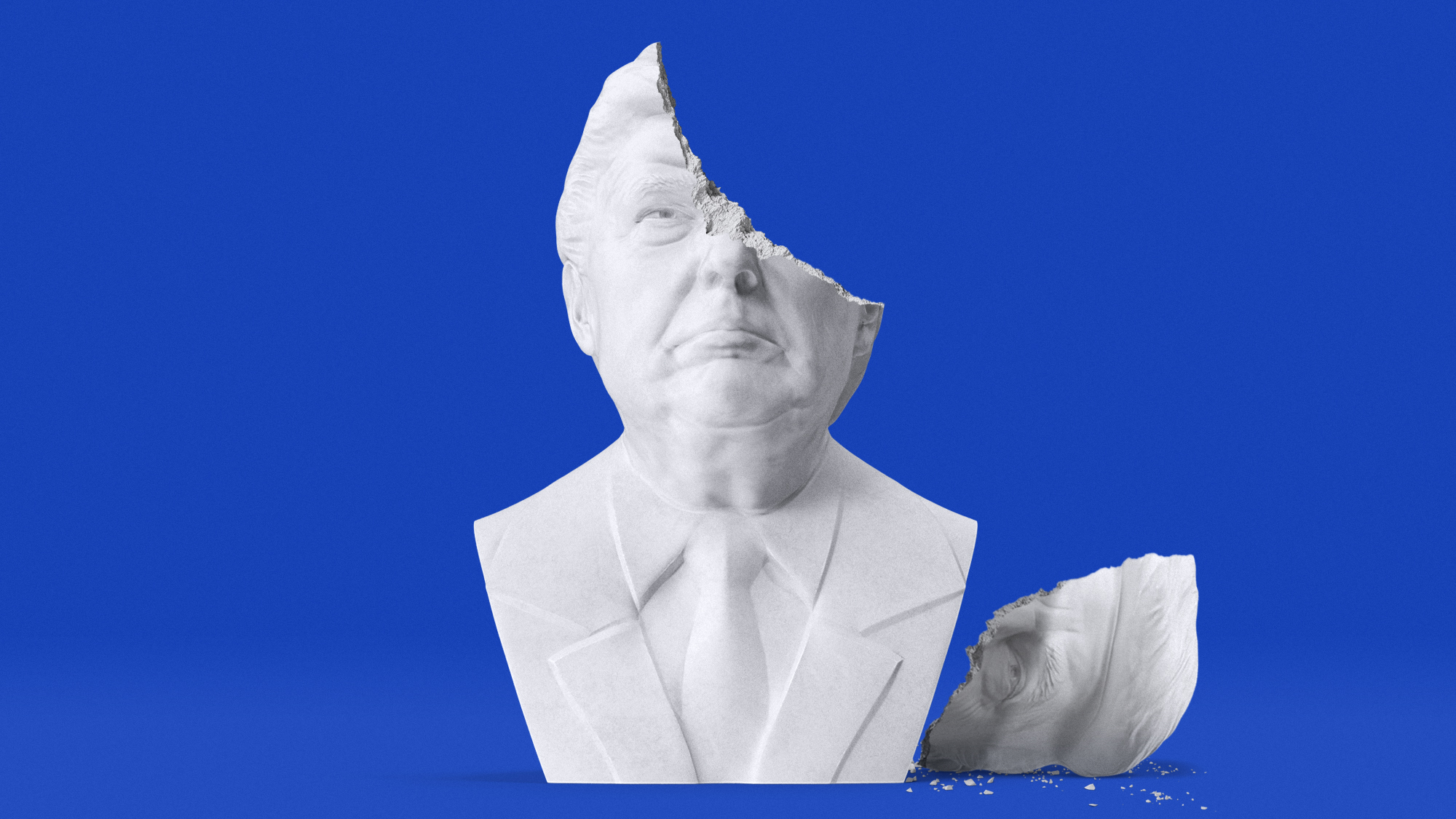
    Is this the end of Trumpism?

    The US midterm elections were “a total referendum” on Donald Trump, said his former-ally-turned-critic Marjorie Taylor Greene. “He told people to vote like he was on the ballot and they did” – resulting in a Republican rout. 

    The president has long relied on the support of a vocal, tight-knit fanbase, but even the Maga faithful have wobbled as petrol prices soar and the Iran war drags on while he focuses his attention on remodelling the White House.

    What did the commentators say?
    “The political weather in Washington and beyond changed overnight,” said The Times’ Washington editor Katy Balls. This was not a Democratic “blue trickle” but a “blue tsunami”. Trump’s failure to challenge the results could be a “rare show of magnanimity”, but they were “so bad, it would be hard to claim this was down to a few thousand lost votes”.

    Trump is “now officially, thoroughly, a lame duck”, said Jonathan Lemire in The Atlantic. This “electoral wipeout” suggests his “instincts and influence seem to be waning”, which could make his party “more willing to defy him”. As the US gears up for the next presidential race, Republicans will be trying to map out “what their post-Maga future will look like – and what role, if any, Trump plays in it”.

    The campaigns to become the 2028 Republican nominee “will begin straightaway”, said the Financial Times’ US editor Edward Luce, but “Trump’s unpredictability” is likely to command even more attention as he plays out the rest of his term. He is “rarely outbid in the drama stakes”.

    Although his power “may be receding”, Trump will do “everything he can to remain a dominant voice for as long as he can”, said Peter Baker in The New York Times. View him as a “spent force” at your peril.

    What next?
    “The next two years will look nothing like the previous two,” said The Guardian’s US columnist Moira Donegan. Ambitious politicians in the party will “smell blood in the water” and “turn on him to shore up their own prospects”. Trump will “rage at their betrayal”, but his efforts to “exact revenge may be severely diminished”.


    THE EXPLAINER

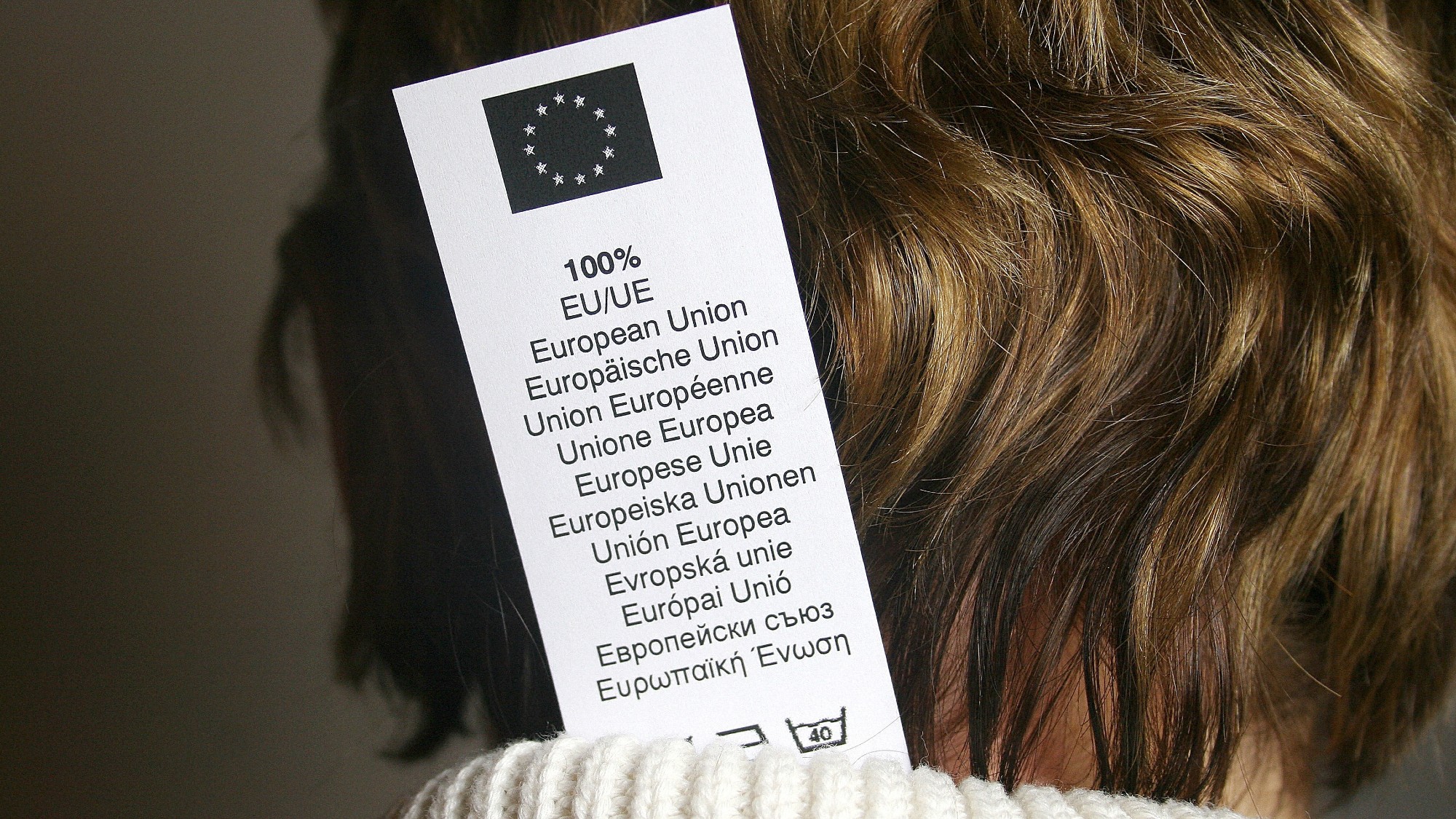
    How the ‘Made in Europe’ scheme will work

    The UK is considering spending £450 million a year to give students from the EU discounted university fees. The government wants access to the bloc’s “Made in Europe” protectionist industrial scheme in return.

    What is ‘Made in Europe’?
    The European Commission’s proposed Industrial Accelerator Act is designed to help stimulate demand for European-made clean technologies while reducing reliance on producers from abroad, most notably China but also the US. Covering strategic sectors including steel, aluminium and cement, electric vehicles, batteries, solar and ⁠wind power, hydrogen technology and nuclear energy, the law aims to use the €2 trillion spent by member states on public procurement each year to shore up struggling domestic industries and push into newer growing sectors.

    Supporters of the scheme say rivals such as the US, China and India already have similar rules in place and it would merely bring the EU in line with them. “If we do nothing” then very soon, “100% of clean tech” will be ⁠made in China, Stéphane Séjourné, an EC executive vice president for industry, said in March.

    The problem is that “EU governments disagree over where Europe ends”, said Euronews. France has been pushing for a strict EU approach, while Germany wants a more open model. Last month, they reached a compromise that would allow suppliers from non-EU members such as the UK, Norway and Switzerland to qualify for “European origin” status.

    Will the UK be able to join the scheme?
    “Made in Europe” has become a major obstacle to the UK’s long-hoped-for Brexit “reset” with the EU. Wrangling over rules affecting British businesses has twice delayed a UK-EU summit, now due to take place on 20 November. Andy Burnham said in September that he would make the case for Britain to be considered a “trusted partner” under the scheme, warning that excluding the UK could damage the British car industry.

    The UK and EU have already agreed a draft deal on removing post-Brexit checks from food and agriculture exports. Burnham’s government now hopes the promise to subsidise EU students could be enough to win over EU negotiators in the “Made in Europe” talks.


    QUOTE OF THE DAY

    “We could wake up one morning and see flames coming out of the roof rather like Notre Dame.”

    Public Accounts Committee chair Geoffrey Clifton-Brown warns of “significant risks” if the government fails to invest the billions needed to renovate the Houses of Parliament. The outdated electrics could go “phut” and trigger a fire, the Tory MP told The Times.


    Poll watch

    Support for South Africa’s African National Congress has sunk to 30% as the country votes in local elections today, according to the latest Ipsos poll. The survey of 2,533 people suggests that no party is commanding majority support, the pollster said, so “coalition politics is likely to remain a defining feature” in the lead-up to the next national election. 


    IN THE SPOTLIGHT

    King Charles and the slavery reparations row

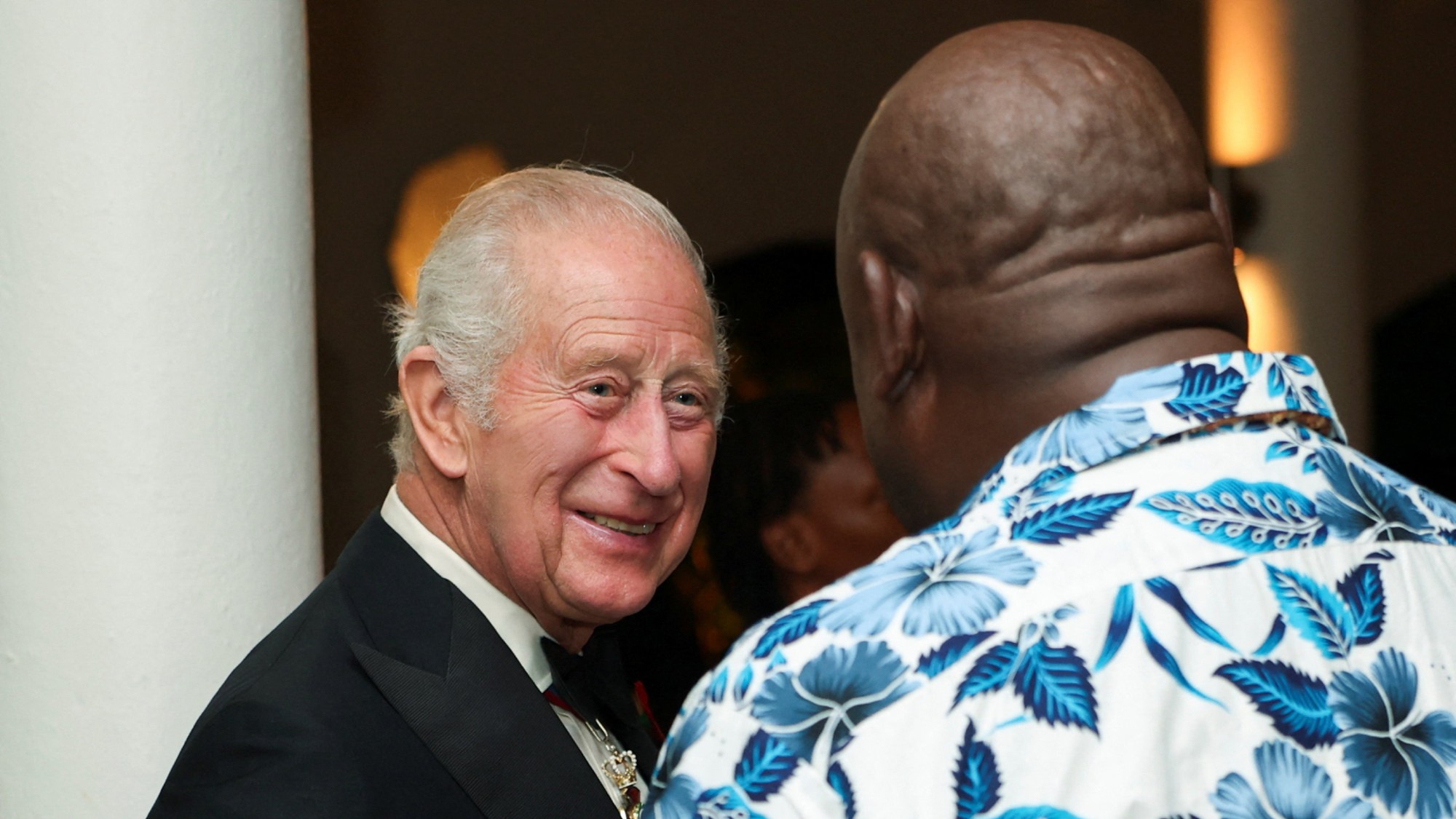
    “No one seems to want to apologise for the transatlantic slave trade,” said Tom Peck in The Times. The prime minister and King Charles were both in the Caribbean for the Commonwealth Heads of Government Meeting in Antigua yesterday, a summit dominated every year by calls for slavery reparations.

    King Charles, the head of the Commonwealth, spoke of the “monstrous injustice” of the trade estimated to have forced between 12 million and 15 million enslaved people from Africa, of whom about 4.7 million were sent to the Caribbean. This unquantifiable human suffering “fills my heart with horror and my soul with the most profound personal sorrow”, he said in a speech to Commonwealth leaders.

    But the King “artfully declined” to apologise for Britain’s role, said Peck. Even Andy Burnham, “one of the great apologisers of his generation”, stopped short. The problem with apologising is that sorry will “inevitably open the door to what it has always really been about”: reparations.

    ‘No personal part’
    It’s right and patriotic to have the “difficult conversations” that Commonwealth members have been requesting, said Burnham in The Guardian. That’s why Britain is offering a “structured dialogue” with nations affected by the slave trade. But financial reparations are not the “right answer”. British people today shouldn’t be “liable for historical wrongs, however heinous, that happened in a different age under different laws and in which they played no personal part”.

    “One of the biggest slave-trading countries” is leading the campaign directed at Britain, which was “not the most guilty” of those involved, said historian Robert Tombs in The Telegraph. In doing so, Ghana is demanding to be “compensated for its own crimes against humanity”.

    ‘Meaningless’ gestures
    Meaningful reparations “cannot be reduced” to the improved debt repayment conditions proposed by Burnham, said Caricom Reparations Commission vice-chair Verene Shepherd on Al Jazeera. What we, “the descendants now living with the legacies of chattel enslavement and colonial terror”, are seeking is debt cancellation and monetary compensation. We “reject the notion” that a country that profited from slavery should not now be held responsible.

    Sorrow without accountability is a “meaningless attempt at appeasing the ‘natives’”, said Kenneth Mohammed in The Guardian. The Caribbean “need not accept neocolonialism and historical amnesia” as the price of partnership.


    Good day 📖

    … for cultural heritage, with a GCSE in Ukrainian to be offered to students in England, Wales and Northern Ireland from 2028. The qualification is aimed at teenagers displaced by the Ukraine war, amid fears that some have been pushed to take Russian GCSEs in the absence of exams in their own language.


    Bad day 🌾

    … for Snap, Crackle and Pop, after Kellogg’s announced that the recipes for Rice Krispies and Coco Pops are changing. Rather than whole rice grains, the toasted puffs will be made from corn flour and rice flour, including wheat gluten, due to “changing weather conditions” that have disrupted rice supplies. 


    PICTURE OF THE DAY

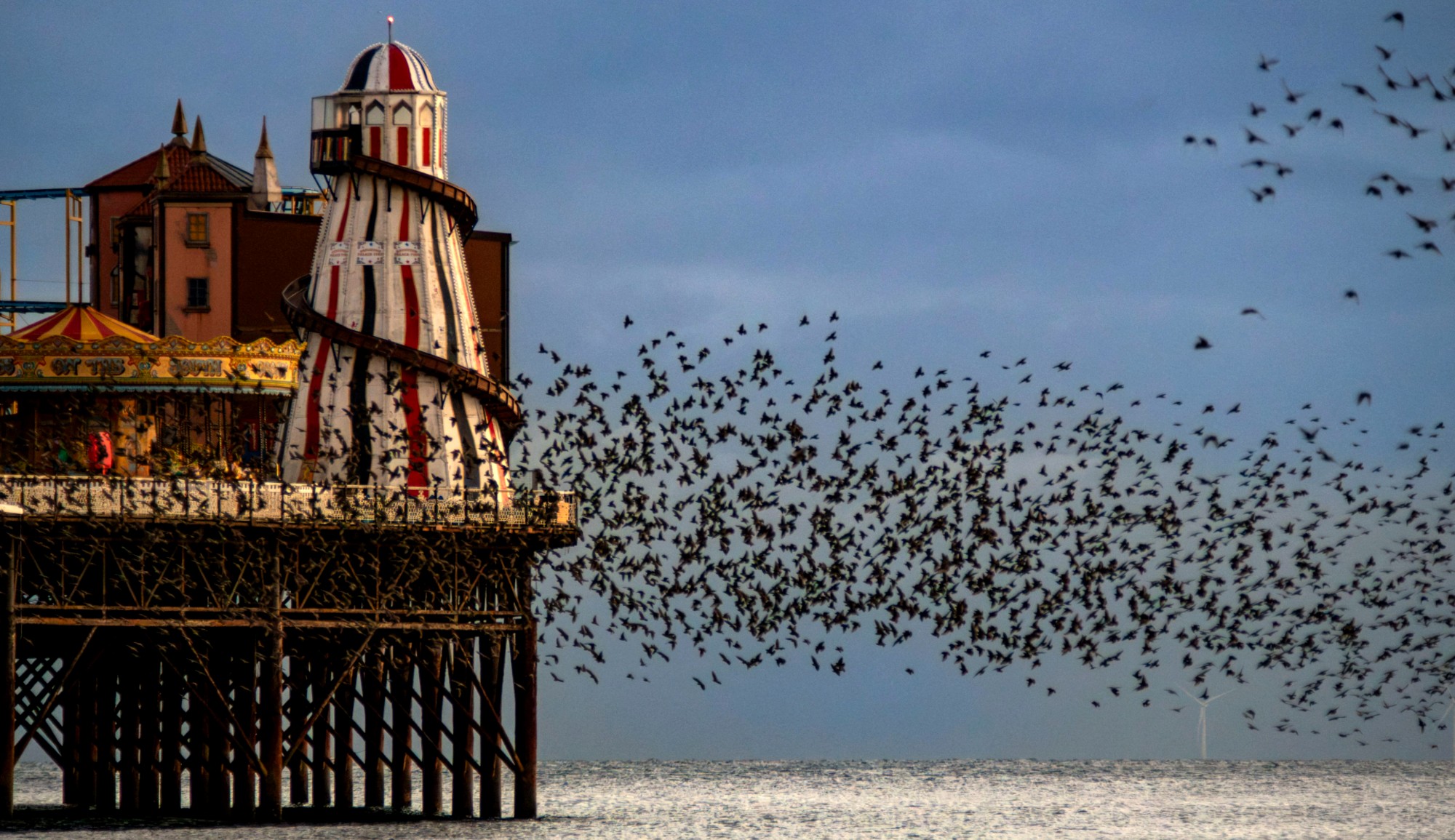
    Twists and loops

    Starlings murmurate before roosting for the night under Brighton’s Palace Pier. These aerial displays, where the birds flock together in shape-shifting flight patterns, increase across the UK between November and February as more starlings migrate from Scandinavia.

    Andrew Hasson / Alamy


    Puzzles

    Chain Word

    Try The Week’s daily word challenge in our puzzles and quizzes section, which also includes sudoku and Guess the Number

    Play here


    THE WEEK RECOMMENDS

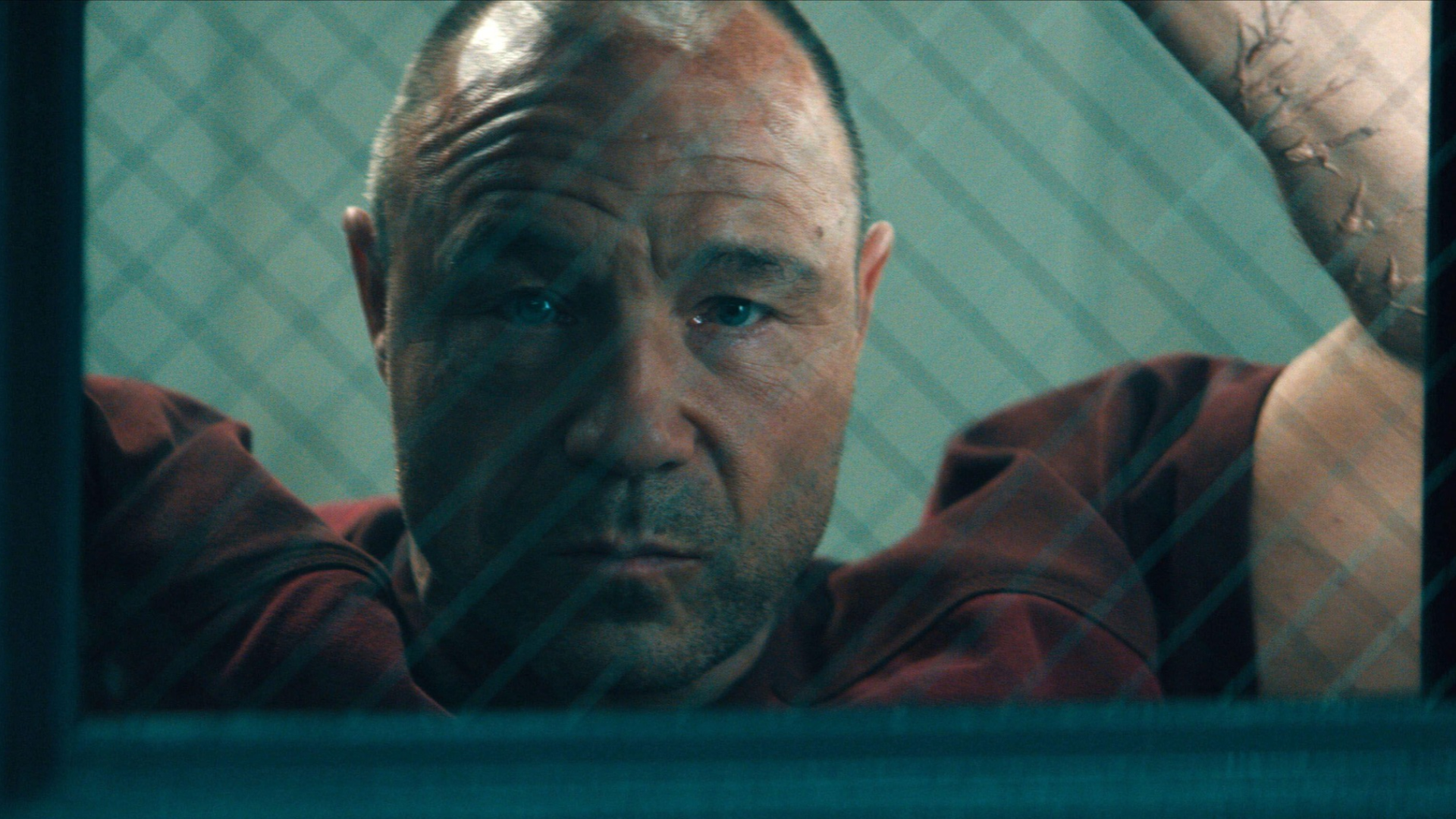
    Nocturne: Stephen Graham is ‘profoundly unsettling’

    There aren’t many shows that can claim to be as “straightforwardly creepy” as Apple TV’s “Nocturne”, said the Financial Times. The 10-part drama is based on two books from the bestselling “Joona Linna” series by Lars Kepler (the pen name of husband-and-wife team Alexander Ahndoril and Alexandra Coelho Ahndoril), but the setting is transported from Sweden to the suburban town of Fairhaven, Pennsylvania.

    Here, in the “bowels of a secure psychiatric hospital”, we meet Jurek Walter (Stephen Graham) – “a calculating and manipulative serial killer with an unsettling singsong voice” who is locked away indefinitely. But when one of Walter’s last presumed victims stumbles out of the woods “filthy, half-starved and mute with shock”, the boy’s reappearance poses a new question: “If Jurek has been under lock and key all this time, then how is he still pulling the strings?” Old wounds resurface for the detective who was in charge of the case, Jonah Lynn (Liev Schreiber).

    The show unfurls with “pulsating, edge-of-your-seat suspense”, said The A.V. Club. The “effectively claustrophobic” production design helps to “amplify the dread”, but it’s Graham’s performance as Walter that really dials up the “creepy factor” of the “superbly disturbing” thriller.

    “It has taken a while but I think the torch may finally have passed from Anthony Hopkins as the screen’s most profoundly unsettling and instantly-absorbed-by-the-cultural-imagination serial killer,” said Lucy Mangan in The Guardian. Oddly still and “occasionally emitting a high-pitched giggle”, Graham’s Walter gives Hannibal Lecter a run for his money. 


    Statistic of the day

    10.7%: The proportion of children starting school in England last year who were classified as obese, according to newly released data from the National Child Measurement Programme. The obesity rate among four- to five-year-olds is the highest in 20 years, excluding the first year of the pandemic. 


    instant opinion

    Today’s best commentary

    The Right’s contempt for Burnham makes us blind to how dangerous he is
    Annabel Denham in The Telegraph
    Labour’s opponents are “clinging on to a comforting theory” that voters will soon realise Andy Burnham is just another “Keir Starmer, with unbuttoned shirts”, writes Annabel Denham. But Burnham’s “disturbingly casual” approach shouldn’t be dismissed as “unserious”. His policy “tinkering” has generated “goodwill”, his “interventions” on the EU “speak to younger disaffected voters”, and his tough immigration measures might “win back a few soft Reform” supporters. Beneath that “affable everyman façade”, there’s a “more coherent” political project than many right-wingers “care to admit”.

    The next global pandemic could be brewing on a mink farm in Utah – and little is being done to stop it
    George Monbiot in The Guardian
    Investigative journalists report that “bird flu has been raging” on a US mink farm since August, writes George Monbiot, and “next to nothing has been done by public officials”. Minks can infect “other species, including human beings”, and I’ve long warned that conditions on mink farms “could scarcely be better designed to generate lethal” variants of the virus. “All forms of livestock farming” pose the “greatest risk factor in the development of new pandemics”; this “neglect” of the dangers “seems psychopathic”. 

    Journalists hounded Jason Arday. Now they’re getting awards for it
    Richard Sudan in The Voice
    The British Journalism Awards 2026 shortlist includes “one journalist as a possible prize winner for his role in the media coverage that many feel hounded Jason Arday to his death”, writes anti-racism activist Richard Sudan. In apparently vindicating “this media lynching”, the industry is showing itself to be “rotten to the core and infested with racism”. After helping to push Arday “to the edge”, they are now “dancing on his grave”.


    word of the day

    Ance

    A noun-forming suffix, and also the four letters that opened a brass padlock from a ship wrecked on Margam Beach in 1583. Museum Wales and Cardiff University researchers used CT scanning to view the internal mechanism and identify the correct combination without damaging the lock, now on display at Swansea’s National Waterfront Museum. Metal detectorist Peter Hughes, who found the artefact in 1999, told the BBC that he was “delighted” they’d “been able to crack what’s like the Da Vinci Code, really”. 


    Evening Review was written and edited by Hollie Clemence, Jamie Timson, Rebecca Messina, Will Barker, Harriet Marsden, Chas Newkey-Burden, Irenie Forshaw, Helen Brown, David Edwards and Kari Wilkin, with illustrations from Stephen P. Kelly.
    Image credits, from top: illustration by Stephen P. Kelly / Shutterstock / Getty Images; Wodicka / Ullstein Bild / Getty Images; Isabel Infantes / Pool / Getty Images; Andrew Hasson / Alamy; A+E Studios / Hardy / Son & Baker / Range Studios / Album / Alamy 
     

    Recent editions

    • Morning Report

      Democrats win control of US House and Senate

    • Evening Review

      The midterm results to watch

    • Morning Report

      Trump’s $1m bounty sparks fears of election vigilantes

    VIEW ALL
    TheWeek
    • About Us
    • Contact Future's experts
    • Terms and Conditions
    • Privacy Policy
    • Cookie Policy
    • Advertise With Us
    • FAQ
    Add as a preferred source on Google Add as a preferred source on Google

    The Week UK is part of Future plc, an international media group and leading digital publisher. Visit our corporate site.

    © Future Publishing Limited Quay House, The Ambury, Bath BA1 1UA. All rights reserved. England and Wales company registration number 2008885.