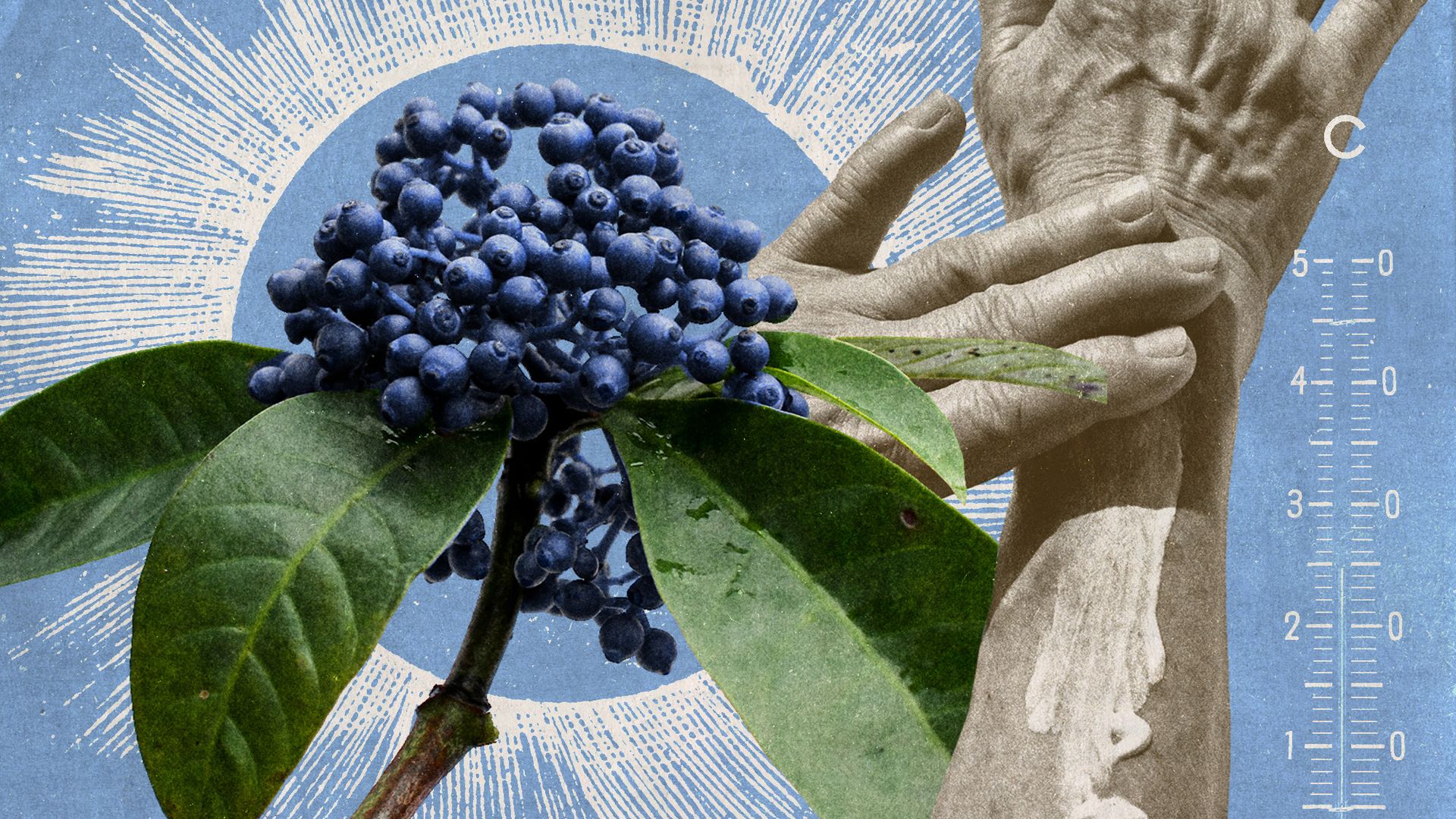
A plant from a Brazilian rainforest could lead to the creation of a natural sunscreen.
A compound found in the shrub may potentially be a more effective and sustainable form of sun protection. Researchers are optimistic about its potential to be used as a broad-spectrum sunscreen in the future.
Brachycerine, a substance that comes from the leaves of the Psychotria brachyceras plant, “absorbs in the UV range” and is a “powerful antioxidant” that guards against solar radiation, said a study published in the journal Photochemistry and Photobiology. The compound, when applied to human skin samples, “protected the integrity of nerve endings” and “prevented DNA damage” when “exposed to UV-A and UV-B light”, according to a release. Researchers have confirmed that brachycerine is not toxic to mammalian cells.
While promising, the brachycerine testing was “conducted on donated skin samples in a laboratory” and not on “people applying the ingredient in their daily routines”, said lifestyle site Mindbodygreen. Past research has suggested that skin samples “respond to UV much like skin on the body”, but “more evidence is needed before these compounds could be added to future broad-spectrum sunscreens”.
Many chemical sunscreens have also “raised environmental concerns because they can enter wastewater and reach aquatic ecosystems”, added Mindbodygreen.
Scientists “already know how to sustainably propagate” the Brazilian tree, said Vice news. As such, brachycerine is a “promising, sustainable key component for novel broad-spectrum natural sunscreens”, said study author Arthur Germano Fett-Neto. |