Multi-drug antibacterial resistance caused by the war in Ukraine is now “on the doorstep” of western Europe, according to an Australian clinician who has worked in the war-torn country.
The number of potentially lethal infections in Ukraine has increased 10-fold since the start of the war, Hailie Uren told the health platform Vaccines Work, and this “really frightening” level of antimicrobial resistance (AMR) is on the march beyond its borders.
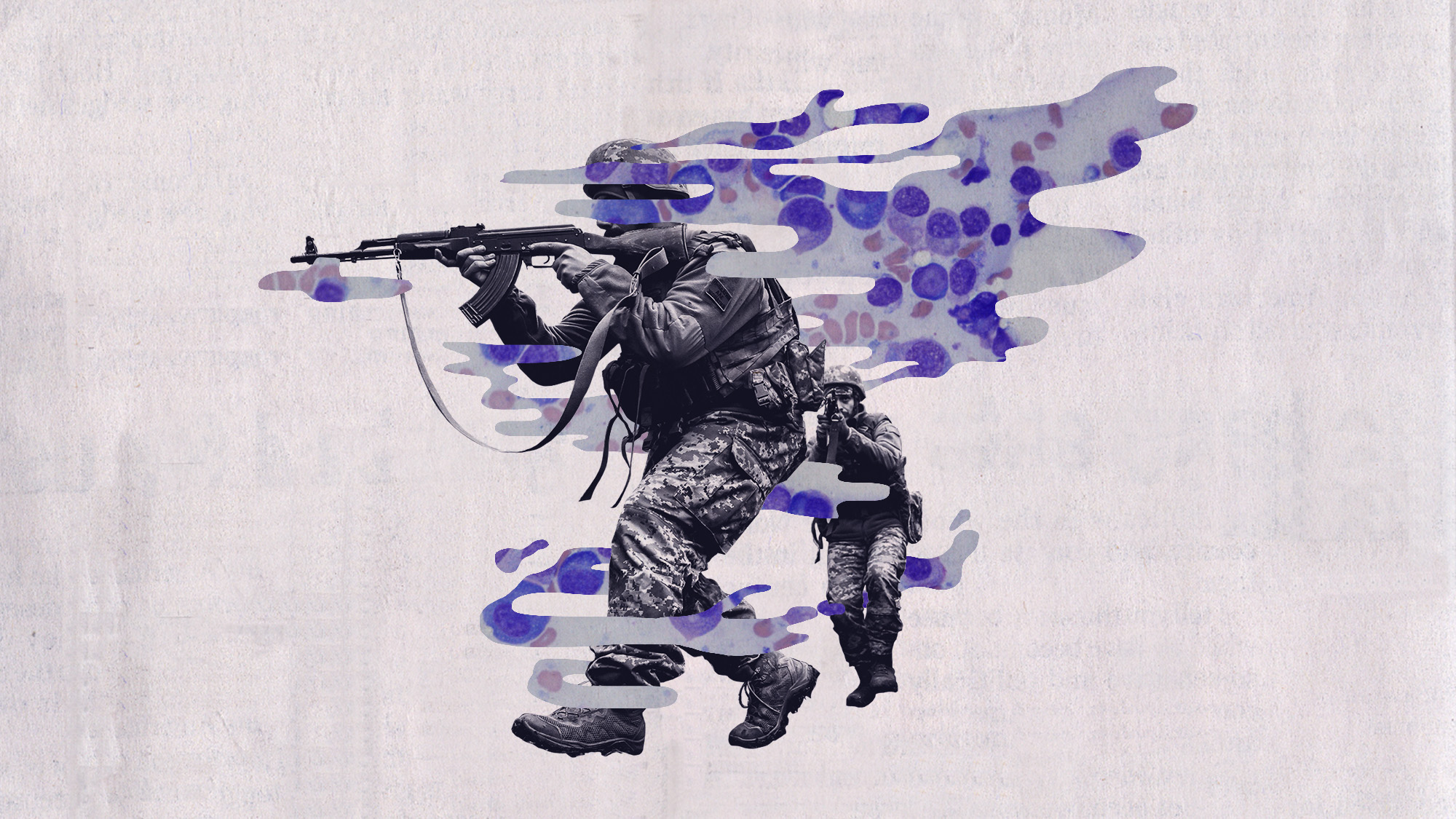
Humans are “host” to more than a thousand species of bacteria, including some superbugs that are “deemed critical threats”, said The New York Times. Normally they don’t “become pathogenic in healthy people”, but “war changes that”. War “deprives people of food, clean water and sanitary living conditions”, and “when bombs and bullets fly”, wounds become “perforated with shrapnel, debris and soil teeming with microbes”.
A “rising number of wounded soldiers” in Ukraine are being infected with microbes that are “extensively drug-resistant” or which “withstand most or all antibiotics thrown at them”, said Vaccines Work. Doctors and scientists in Ukraine are waging a “shadow war” against these “pernicious infections”, which have also “begun circulating in the general population”, including children.
Last year England’s former chief medical officer Dame Sally Davies warned that the rise of superbugs that are resistant to antibiotics poses a greater threat to humanity than climate change. A paper published in The Lancet last September estimated that AMR could contribute to the deaths of 8.22 million people a year by 2050 – more than the number currently killed by cancer. |