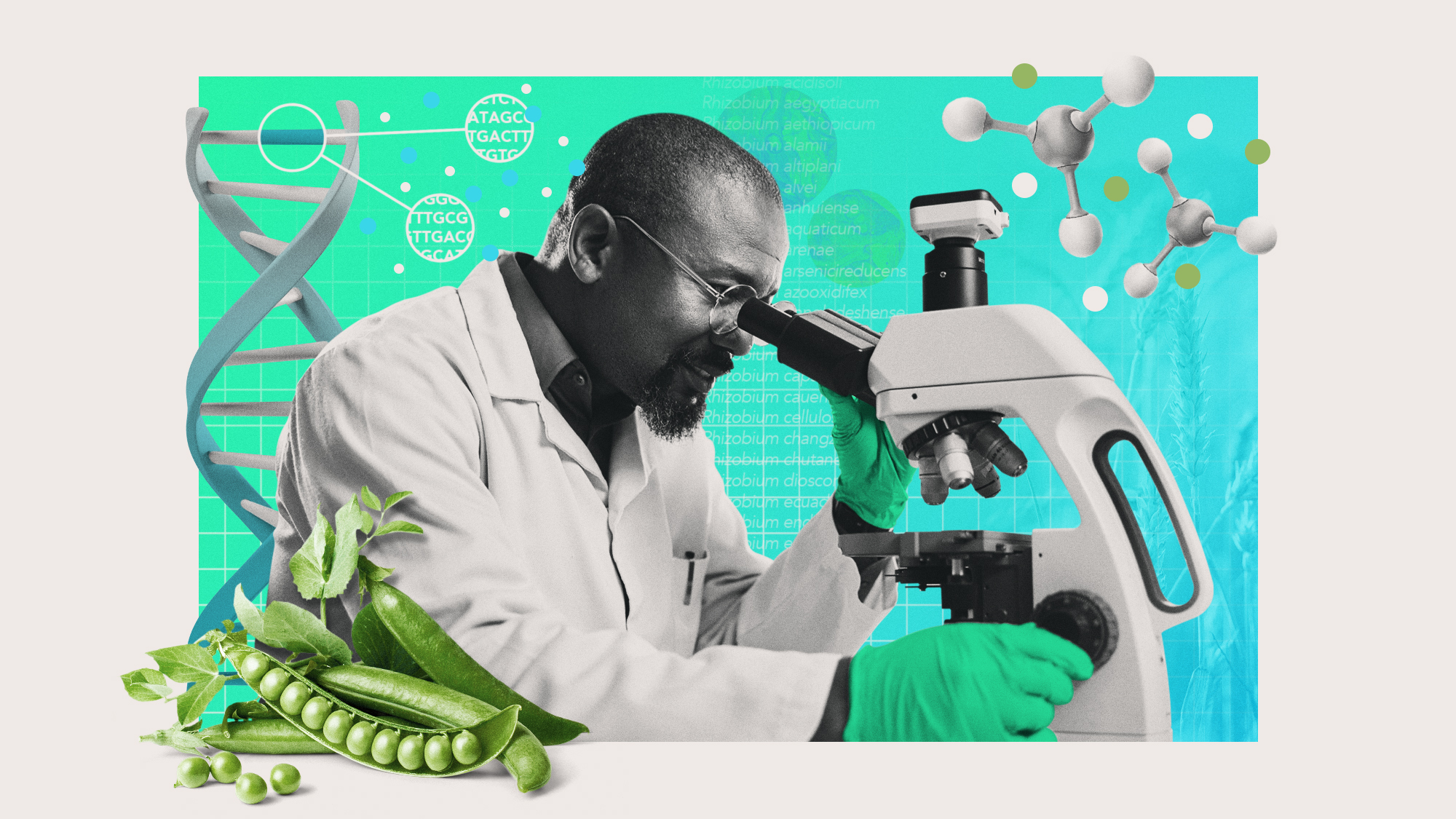
Excessive fertiliser use can be expensive and bad for the environment, but plants require nutrients to grow. To combat this problem, scientists have been attempting to use genetic engineering to help crops control their own fertilisation, making them cooperate with nitrogen-fixing bacteria. The new method could fight food insecurity and save waterways.
Plants need nitrogen to grow, and most crops require fertiliser to obtain it. However, a “small group of plants, including peas, clover and beans, can grow without added nitrogen” by “forming a partnership with specific bacteria that turn nitrogen from the air into a form the plant can absorb,” said a release by Aarhus University about a study published in the journal Nature.
Taking a page from those plants’ books, researchers have been working on developing self-fertilising crops, and major strides have already been made. In August 2025, scientists were able to use the gene editing tool CRISPR to make wheat crops produce their own fertilizer, according to a study published in Plant Biotechnology Journal. The edits enabled the wheat to “assist specific soil bacteria in nitrogen fixation,” which meant the “plants can absorb necessary nutrients without the reliance on synthetic fertilisers,” said Sustainability Times.
Self-fertilizing crops are a “fundamental redesign of how modern agriculture works,” Steve Cubbage, a precision agriculture consultant and farmer, said in a piece for The Scoop. “Reduced fertiliser dependence means lower exposure to global supply disruptions, energy price shocks and geopolitical risk,” as well as a “resilience strategy that should be taken as seriously.” |