The Week The Week
flag of US
US
flag of UK
UK
https://cdn.mos.cms.futurecdn.net/flexiimages/jzblygzdxr1769609154.gif

SUBSCRIBE

Try 6 weeks free

Sign in
  • View Profile
  • Sign out
  • The Explainer
  • Talking Points
  • The Week Recommends
  • Podcasts
  • Newsletters
  • From the Magazine
  • The Week Junior
  • More
    • Politics
    • World News
    • Business
    • Health
    • Science
    • Food & Drink
    • Travel
    • Culture
    • History
    • Personal Finance
    • Puzzles
    • Photos
    • The Blend
    • All Categories
  • Newsletter sign up Newsletter
  • WeekDay AM: 10 Things you need to know this morning
    Spain win World Cup final, Burnham to enter No. 10, and pay gap hits record high

     
    today’s sport story

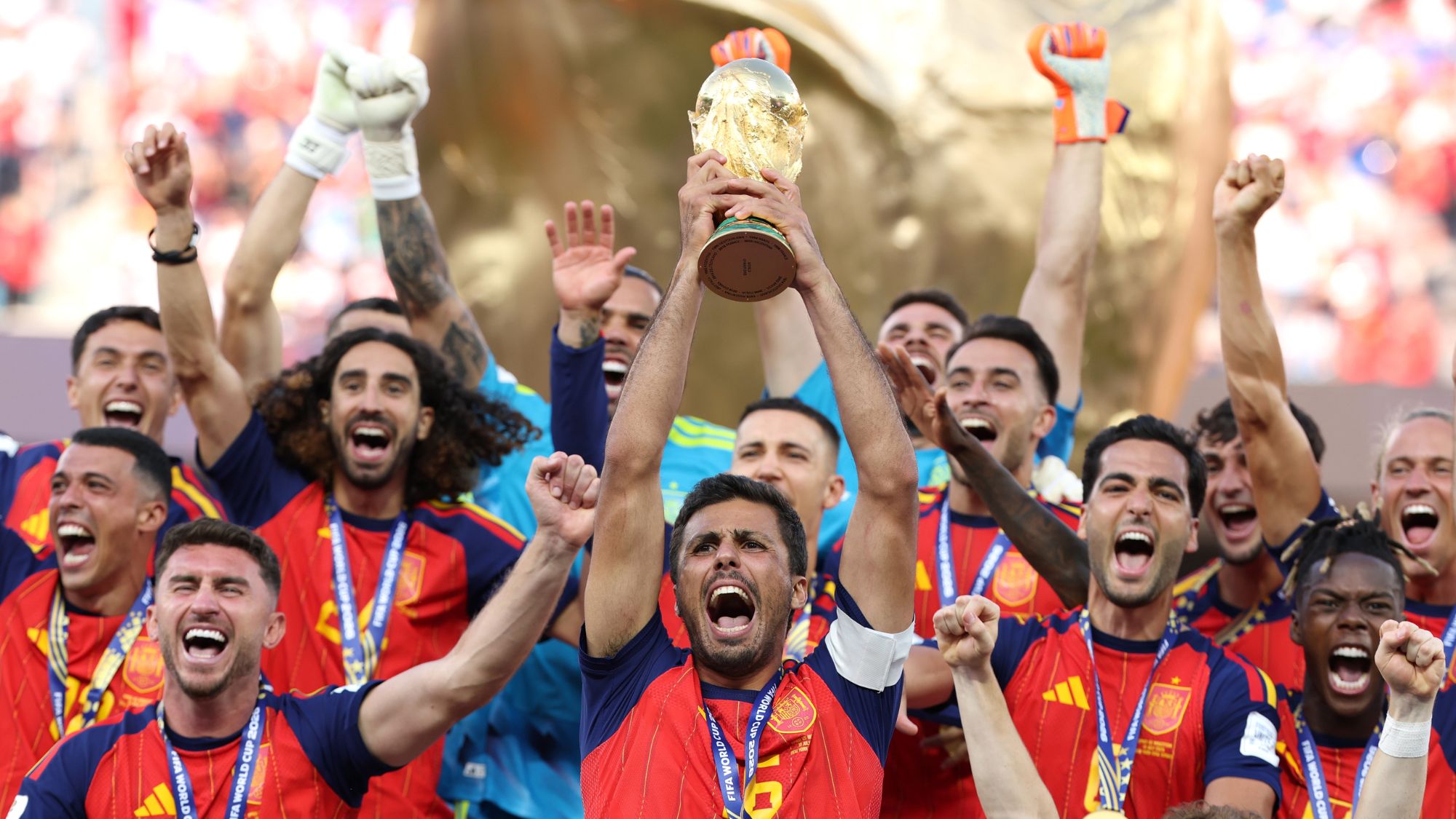
    Spain edge Argentina to reclaim World Cup

    What happened
    Spain defeated Argentina 1-0 after extra time to lift the men’s World Cup for the second time, with Ferran Torres scoring the final’s decisive goal in the 106th minute. The Barcelona winger/forward finished from close range after Nico Williams kept Pedro Porro’s cross alive, finally beating Argentina goalkeeper Emiliano Martínez, who had produced a string of outstanding saves.

    Argentina were reduced to 10 men late in regular time when Enzo Fernández was dismissed after receiving a second yellow card. Tempers flared again after the final whistle, with Leandro Paredes also sent off following a confrontation involving Gavi and Eric García.

    Who said what
    “Don’t cry for me,” said Charlie Gordon in The Sun. Lionel Messi was “in tears as devastated Argentina players collapsed to the pitch” after their “timid 1-0 defeat”. It was “Football 1 Felons 0”, said Jason Burt in The Telegraph. Argentina “deserved nothing because they did nothing as they became the first World Cup finalists not to even have a shot until the 121st minute”.

    Before the final, Fifa President Gianni Infantino described the tournament as “the most incredible event in human history”. But when he and Donald Trump came on to the field for the trophy presentation, “boos rang out around the stadium”, said Alexander Abnos in The Guardian.

    What next?
    The victory adds the World Cup to Spain’s European Championship crown, making them world and continental champions once again. Lionel Messi collected his runners-up medal in what was his final Cup appearance, while Spain’s captain Rodri also received the tournament’s best player award.


    today’s politics story

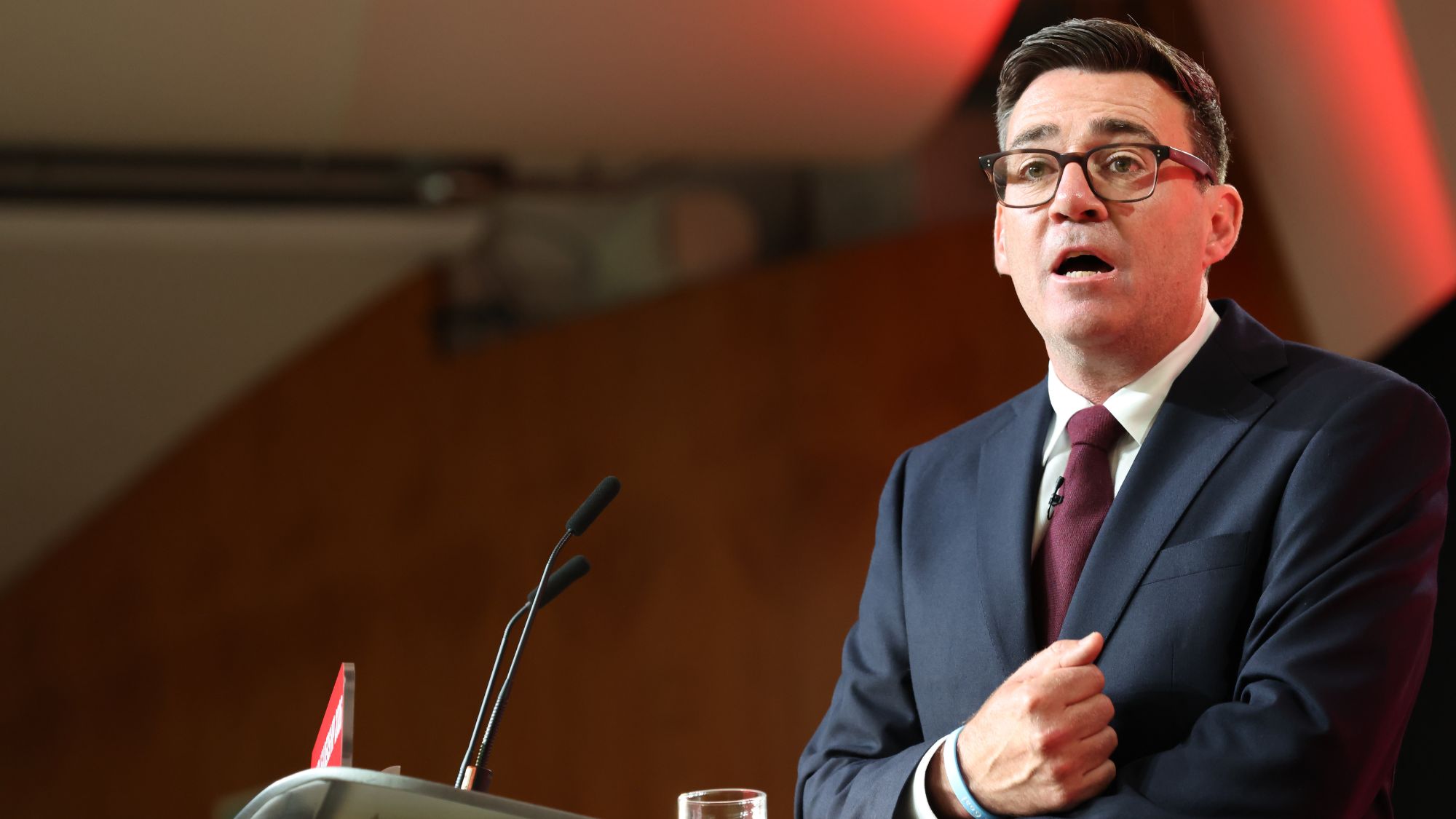
    Burnham to promise honesty as he enters No. 10

    What happened
    Andy Burnham is to become Britain’s sixth prime minister in a decade today, using his first address in Downing Street to argue that the country must confront its problems with realism while offering hope for the future.

    The Labour leader is expected to unveil an initial package of measures aimed at easing household costs, including action on energy bills and, potentially, bus fares. He is also preparing to allow increased oil and gas extraction in existing North Sea fields, while stopping short of approving major new developments.

    Who said what
    In an interview with The Times, Burnham said: “A concept I will talk about tomorrow is a 10-year plan for the country. I think that’s what it needs.”

    But “being a skilled communicator – immeasurably better than his predecessor – is not enough”, said Renie Anjeh in The Telegraph. It was Starmer’s “lack of direction, not his charisma bypass, which sank him”. And “the same fate could await Burnham”.

    Burnham “must take hard decisions on spending or risk failure”, said The Times’s editorial board. Yes, the British people are “a little richer after two years of Sir Keir”. But “the big challenges endure: anaemic growth” and “a national debt that consumes north of £100 billion in interest each year”. Burnham “does not like the party whip”. And yet “he will find himself having to crack it; or fail”.

    What next?
    Burnham is due to accept the King’s invitation to form a government and is expected to announce his cabinet this afternoon.


    Today’s business story

    CEO-worker pay gap hits record high

    What happened
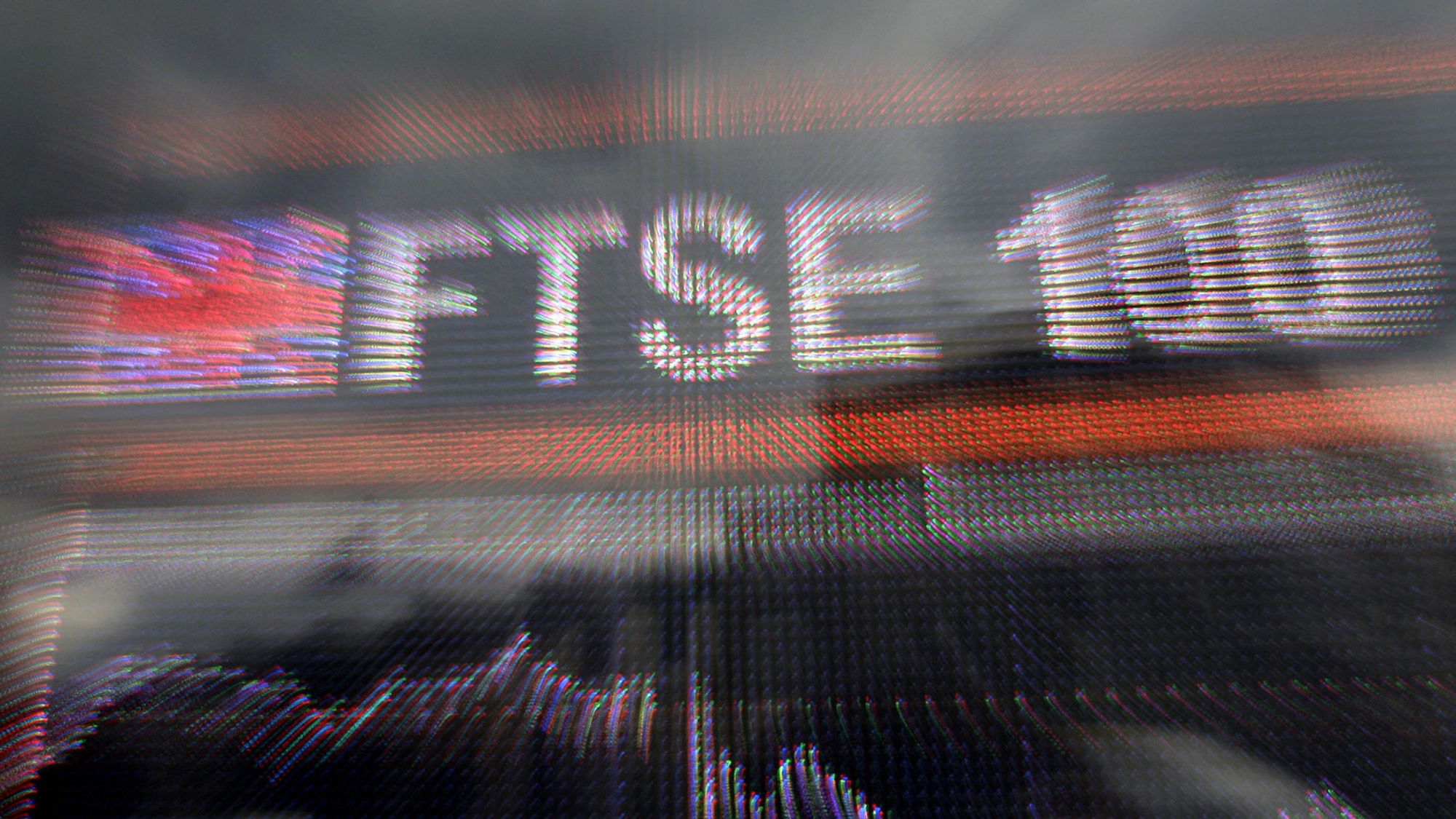
    The UK’s biggest listed company bosses received their highest level of pay on record last year, with median remuneration for FTSE 100 chief executives rising to £5.06 million, according to new analysis by the High Pay Centre.

    The figure represents an 8.6% increase on the previous year and means that top executives now earn about 130 times the salary of the average full-time UK worker, whose median annual pay is £39,000. The gap is the widest since 2018.

    The report found that 66 of the 94 companies analysed had increased their CEO’s pay package. AstraZeneca boss Pascal Soriot was the highest-paid executive, receiving £17.7 million, followed by former GSK chief Emma Walmsley on £15.6 million.

    Who said what
    “The substantial growth in the gap between executive and worker pay in the last year should be a wake-up call to those who’ve turned a blind eye to rising executive pay,” said High Pay Centre interim director Andrew Speke.

    What next?
    The High Pay Centre is urging the new Labour government to reform executive pay rules by implementing measures such as a “fat-cat tax”, adding worker representatives to company boards and strengthening employees’ rights.

    The think tank, which has campaigned for pay inequality since 2011, is also preparing to close after 15 years. This is nothing short of a “shock”, said Polly Toynbee in The Guardian. The closure of an organisation that analyses the widening pay gap between CEOs and their employees “feels like the death of an idea”.


    It’s not all bad

    Climate campaigners have hailed a victory after the Bank of England announced that it would no longer accept bonds linked to thermal coal as collateral for key loans from October. The move reflects concerns that coal assets could lose value as the world shifts towards cleaner energy. Campaigners say the decision sends a powerful signal to financial markets and could encourage commercial banks to reduce their exposure to one of the world’s most heavily polluting fossil fuels.


    under the radar

    Another Arctic island caught in the geopolitical crosshairs

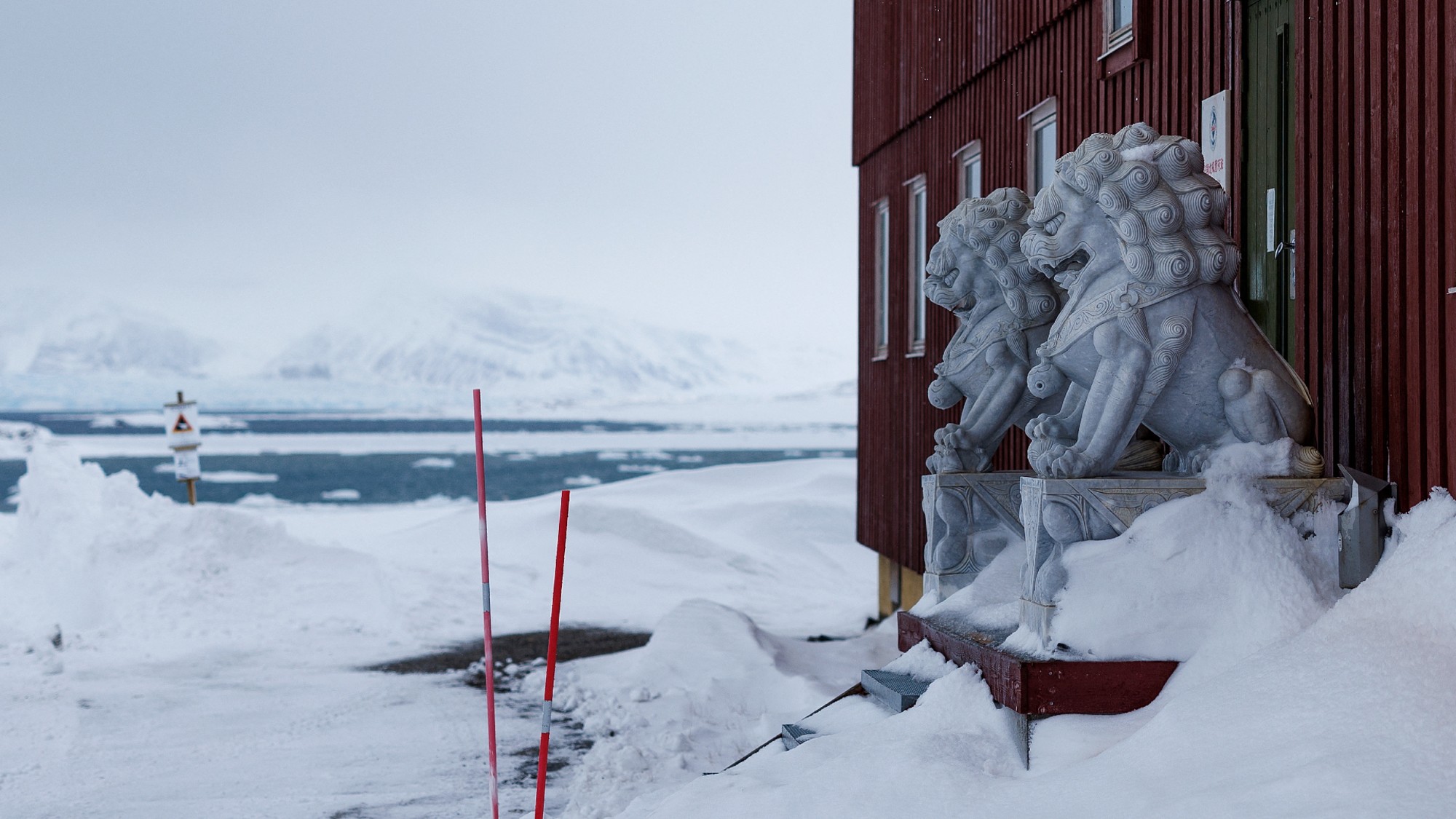
    While Donald Trump continues his rhetoric against Greenland, another Arctic island – Svalbard, a sparsely populated Norwegian territory – could end up playing an outsize role in global affairs.

    Svalbard is home to scientific researchers from 49 nations and has become the “planet’s leading hub of Arctic science and a rare site of international cooperation”, said CNN. But this also collides with a “quest for influence in the fast-warming Arctic” among the world’s largest powers.

    Both China and Russia have research stations on Svalbard that “provide a gateway to Arctic influence”. Beijing has “plans for a ‘polar silk road’, an infrastructure and shipping corridor across the top of the world”. Meanwhile, Russia hopes that controlling more of Svalbard will allow it to dominate the nearby Bear Gap, one of the “key maritime routes” for its naval vessels to reach the North Atlantic, said Al Jazeera.

    Military bases and fortifications are banned on Svalbard under a 1920 treaty. However, the article in the treaty that prohibits this is only one sentence long and states that Svalbard cannot be “used for ‘warlike purposes’, leaving much room for interpretation”, said The Arctic Institute.

    Russia has recently been using Svalbard as a “grey zone” for military testing, and the “utilisation of these methods is becoming more concentrated on Svalbard as the Arctic Circle captures evermore geopolitical attention”. Norway’s response “may determine if Svalbard maintains its status as an international research hub or becomes defined by its importance in global trade and military security”.


    on this day

    20 July 1885

    The Football Association formally voted to legalise professionalism within its ranks. Prior to the England men’s victory over France in a frenetic World Cup third-place match on Saturday that ended 6-4, the FA had already reiterated its support for manager Thomas Tuchel despite the team’s loss to Argentina in last Wednesday’s semi-final.


    Today’s newspapers

    ‘Big state era’

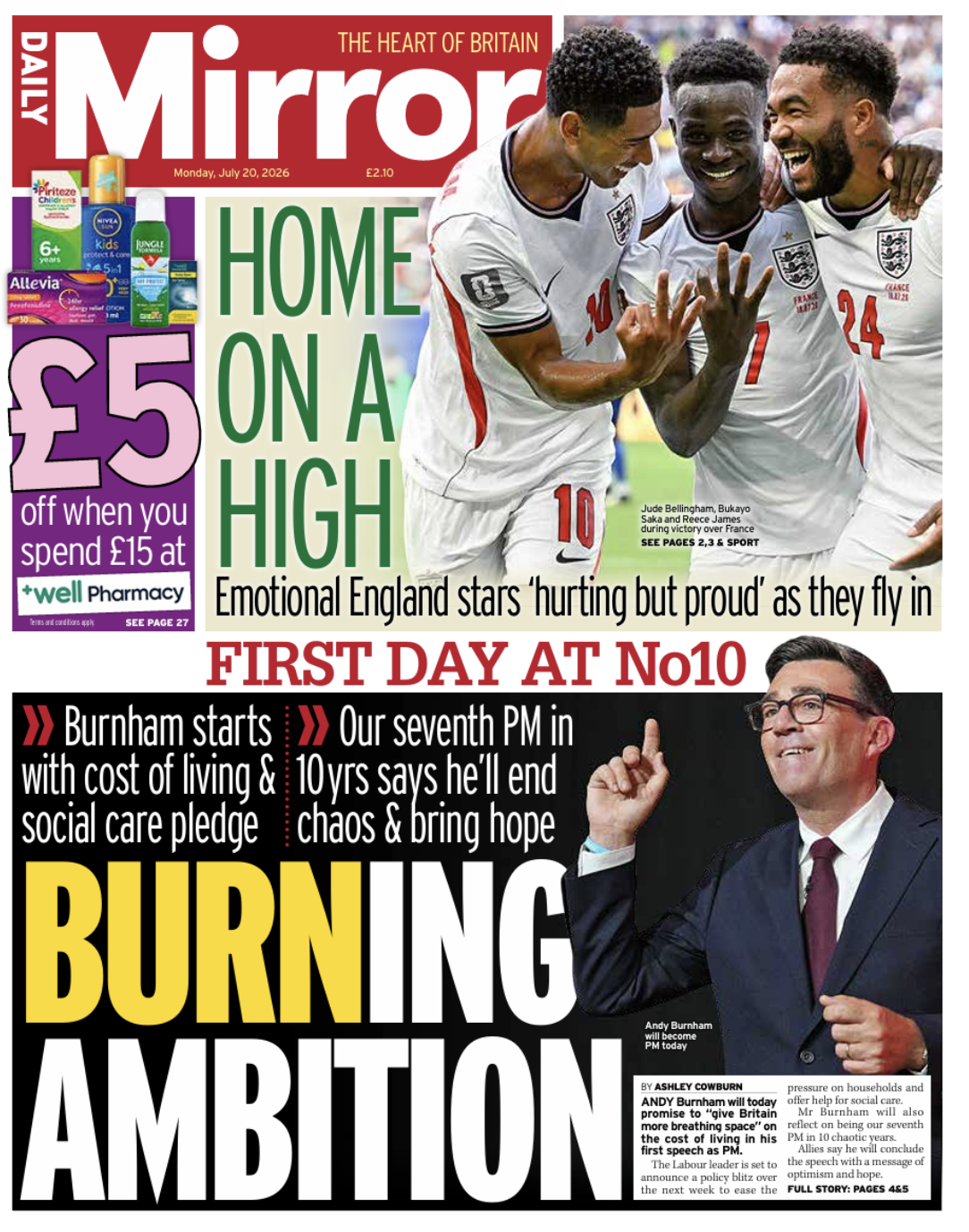
    Andy Burnham has a “burning ambition”, says The Mirror. The new Labour leader has “no mandate to raise taxes again”, says the Daily Express. It’s “time” for the UK to “face up to its challenges”, Burnham says in The Guardian. He will usher in a “new era of big state”, The Telegraph says. The incoming PM has a “10-year plan”, says The Times, but “voters in the south” say he “doesn’t speak” for them, says the Daily Mail.

    See the newspaper front pages


    tall tale

    Banking on a big pig

    A Colombian theme park has created the largest ceramic piggy bank in the world, paying tribute to local pottery tradition. Complete with a coin slot, the pig stands more than 29 feet tall and 33 feet wide, while weighing roughly 27 tonnes. Visitors can donate their change and even explore a dedicated gallery within it. The “sheer precision of the clay modelling is stunning”, said Natalia Ramirez, who was adjudicating the attempt for Guinness World Records. The “panoramic view of the Boyacá mountains” from the top of the piggy bank is also “absolutely beautiful”.


    Morning Report was written and edited by Arion McNicoll, Jamie Timson, Will Barker, Justin Klawans, Ross Couzens and Chas Newkey-Burden.

    Image credits, from top: Alex Pantling / Fifa / Getty Images; Nicola Tree / Getty Images; Shaun Curry / AFP / Getty Images; Lisi Niesner / Reuters.

    Morning Report and Evening Review were named Newsletter of the Year at the Publisher Newsletter Awards 2025
     

    Recent editions

    • Evening Review

      A new front in the Middle East conflict?

    • Morning Report

      Healey becomes chancellor in cabinet reshuffle

    • Evening Review

      How to take on Burnham

    VIEW ALL
    TheWeek
    • About Us
    • Contact Future's experts
    • Terms and Conditions
    • Privacy Policy
    • Cookie Policy
    • Advertise With Us
    • FAQ
    Add as a preferred source on Google Add as a preferred source on Google

    The Week UK is part of Future plc, an international media group and leading digital publisher. Visit our corporate site.

    © Future Publishing Limited Quay House, The Ambury, Bath BA1 1UA. All rights reserved. England and Wales company registration number 2008885.