The Week The Week
flag of US
US
flag of UK
UK
https://cdn.mos.cms.futurecdn.net/flexiimages/jzblygzdxr1769609154.gif

SUBSCRIBE

Try 6 weeks free

Sign in
  • View Profile
  • Sign out
  • The Explainer
  • Talking Points
  • The Week Recommends
  • Podcasts
  • Newsletters
  • From the Magazine
  • The Week Junior
  • More
    • Politics
    • World News
    • Business
    • Health
    • Science
    • Food & Drink
    • Travel
    • Culture
    • History
    • Personal Finance
    • Puzzles
    • Photos
    • The Blend
    • All Categories
  • Newsletter sign up Newsletter
  • WeekDay AM: 10 Things you need to know this morning
    Burnham takes on homelessness, bond markets ‘on fire’, and the great oak die-off

     
    today’s homelessness story

    Burnham unveils ‘everyone in for Christmas’ plan

    What happened
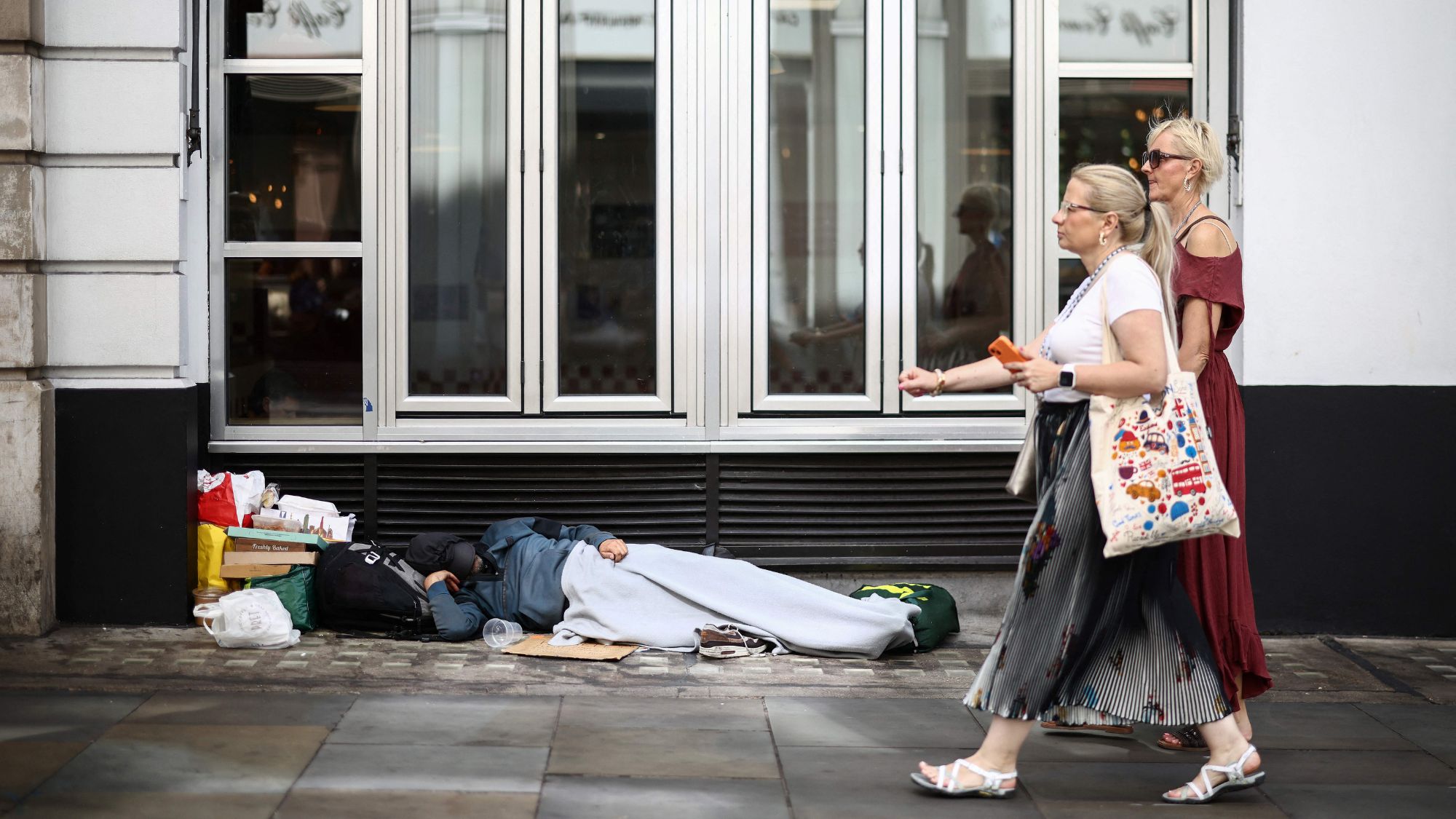
    Every person sleeping on England’s streets is to be offered somewhere to stay this winter under a £442 million government programme. The plan includes emergency housing, medical and practical assistance, and more than 1,000 permanent homes over three years. The government says £102 million of fresh funding will be added to existing spending.

    Official figures recorded 4,793 rough sleepers on one night last autumn – almost twice the number of five years earlier. And campaigners believe that the real total is considerably higher.

    Who said what
    “No-one should have to bed down in a doorway or outside a station. But we’ve seen it for so long that it feels like Westminster has started to accept it. I won’t accept it,” said Andy Burnham.

    Crisis described the announcement as “really significant”, while Shelter called it a “game-changing move”. Chloe, a former rough sleeper, told the BBC she welcomed the proposal, but said people also needed help with mental health and money problems.

    “Burnham is not the first prime minister to make such a pledge,” said Kiran Stacey in The Guardian. Boris Johnson said he would end rough sleeping, while Keir Starmer said he would cut it in half. The number of rough sleepers did actually fall steeply during the Covid pandemic as the government mobilised student accommodation, B&Bs and holiday rentals under the “Everyone In” scheme.

    What next?
    Today Burnham will tell local leaders that they must offer a route off the streets to anyone who wants one by Christmas. The PM is also planning an autumn street homelessness summit involving charities, businesses and faith groups.


    today’s economics story

    Debt and doubt set global bond markets ‘on fire’

    What happened
    The cost of government borrowing has climbed sharply across major economies, with investors increasingly concerned about ballooning debt, persistent inflation and political uncertainty. US 30-year Treasury yields have reached 5.33%, which is their highest level in two decades, while Britain sold £4 billion of bonds at a 5.155% yield – the highest rate since 2007. Japan and France have also seen borrowing costs reach multi-year highs.

    Who said what
    Robin Brooks of the Brookings Institution said global bond markets were “on fire”, arguing that countries with heavy debt burdens were particularly exposed to economic shocks. Simon French, chief economist at Panmure Liberum, said the figures were “a warning to the chancellor” about plans to increase borrowing.

    What next?
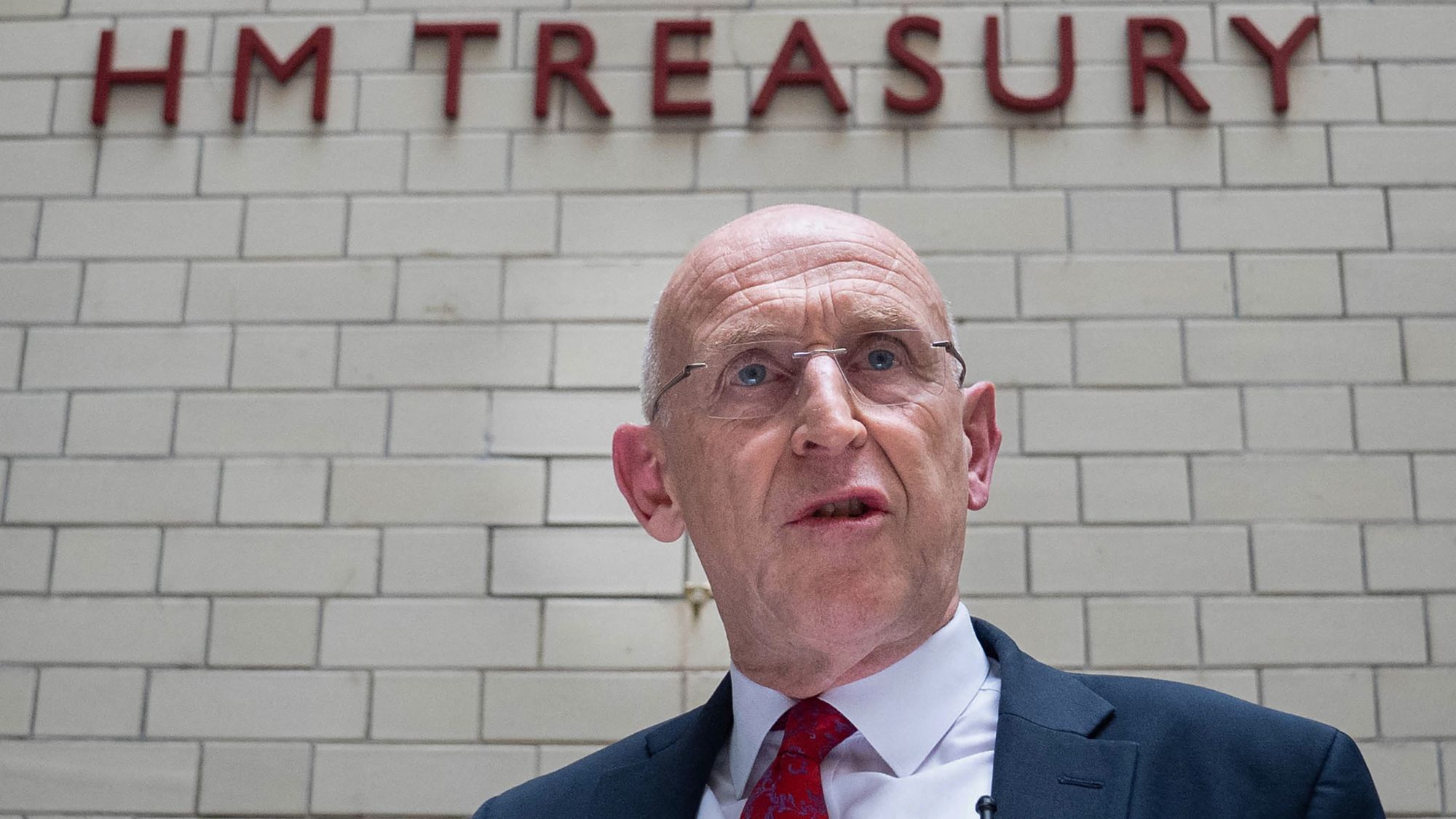
    Rising debt costs “are posing a headache” for John Healey (pictured above), said Szu Ping Chan in The Telegraph. As the new chancellor prepares to unveil his first Budget on 28 October, economists warn that higher inflation could further squeeze government finances. Inflation is expected to approach 4% by year’s end, potentially keeping interest rates elevated and increasing mortgage costs.


    Today’s environment story

    Scorching summers are causing a great oak die-off

    What happened
    England’s increasingly dry and hot summers are killing its ancient oak trees, according to the Woodland Trust. Most oaks are losing too much water, causing their leaves to wilt and die in a visible “early autumn” phenomenon, the conservation charity warned.

    Who said what
    These “really old trees” are “survivors, but, like us, when they get old they get a bit less resilient”, said Ed Pyne, senior conservation adviser at the Woodland Trust. Extreme weather was a key factor in the death of the Major oak, one of Europe’s oldest and largest trees, in June. The “incessant droughts” each year create “a cumulative effect that compounds across time”, added Pyne. “Almost all of our ancient trees” are “dying of this drought stress”. Beech trees are also struggling and “may die, which would be disastrous”.

    Even Europe’s drought-tolerant species, such as pine, are dying, experts told The Guardian.

    What next?
    The Woodland Trust estimates that at least half of the ancient oaks in England and Wales could die over the next 60 years, with many already in a critical condition.


    It’s not all bad

    London’s clean air zone appears to have helped children’s lungs recover from years of pollution. A study tracking thousands of youngsters found that after the introduction of Ulez, London pupils’ lung development caught up with those in less polluted Luton as exposure to nitrogen dioxide fell sharply. The findings suggest that ambitious clean air zones could offer cities around the world a practical model for reversing the damage done to children’s health by pollution.


    under the radar

    Bangladesh’s long battle against ‘yaba’ pills

    A methamphetamine known as the “crazy pill” is wreaking havoc in Bangladesh and fuelling an addiction crisis. Authorities there have struggled to crack down on “yaba”, which is also known as “Nazi speed”. Their efforts are bearing some fruit, but tackling the widespread use of the drug remains an uphill battle.

    Yaba is a street name for pills containing methamphetamine, a powerful, highly addictive stimulant. Users generally crush and smoke the pills, although some swallow them whole. The drug increases alertness and energy, and raises the heart rate and blood pressure of users. Heavy use can bring on a range of problems, including paranoia, psychosis, seizures, cardiovascular problems and even death.

    Yaba, which means “crazy pill” in Thai, is “pushing thousands into addiction” in Bangladesh, said The Telegraph. The tablets, which are a blend of the stimulant with caffeine and other adulterants, are particularly common in South and Southeast Asia.

    Bangladesh has become a leading destination and market for yaba because of its geographic proximity to Myanmar, where production of the drug is particularly concentrated. Since 2006, yaba has been a common escape for the poor from the realities of the “daily drudgery that makes life so hard for so many of Bangladesh’s 178 million people”, meaning there is “little to dull the allure” of the drug, added The Telegraph.

    Bangladeshi officials have been fighting for years to stamp out trade in the stimulant. However, drug lords are still able to “churn out” millions of yaba pills from camps in the jungle borderlands of Myanmar at a “relentless” rate, according to The Telegraph.


    on this day

    19 August 1848

    The New York Herald reported the discovery of gold in California, sparking a mass influx of hopeful prospectors. The price of gold has soared to record highs this year as investors turn to the “safe haven” commodity in response to global uncertainty and volatile stock markets.


    Today’s newspapers

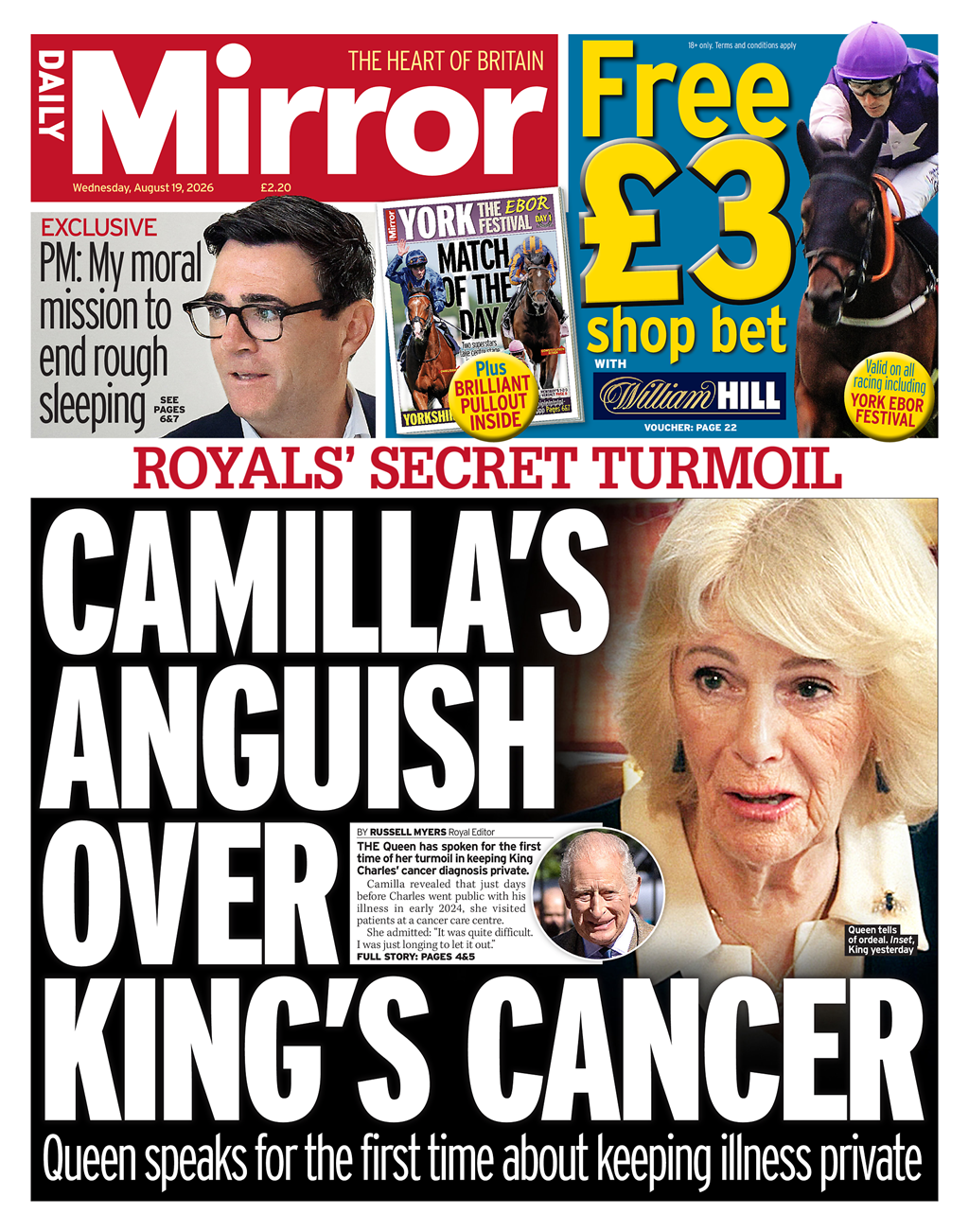
    ‘Royals’ secret turmoil’

    “Camilla’s anguish over King’s cancer” is the Daily Mail’s front page as the Queen “speaks out for the first time about keeping the illness private”. “Meta sued in landmark trial in US”, says The Guardian. “Long-term borrowing costs hit highs as inflation and fiscal deficit fears rise”, reports the Financial Times. “Power shift puts growth in hands of No. 10 North”, says The Times. “Patients die after NHS hospital rationing”, says The Telegraph, with the safety watchdog finding that “GPs were encouraged to refer fewer people to hospital”.

    See the newspaper front pages


    tall tale

    Moz-art theft

    More than 200 gold statuettes of Wolfgang Amadeus Mozart have disappeared from an exhibition marking the composer’s 270th birthday. The mini-Mozarts, part of a total of 320 unveiled in his birthplace Salzburg last month, are worth about €100 (£86) each, meaning whoever took them “has not become an overnight millionaire”, said The Associated Press. Designer Ottmar Hörl, who has been forced to space out the remaining statuettes on show, was unsurprised by the theft. “That’s just how it is.”


    Morning Report was written and edited by Arion McNicoll, Rebecca Messina, Harriet Marsden, Will Barker, Ross Couzens and Chas Newkey-Burden, with illustrations by Julia Wytrazek.

    Image credits, from top: Henry Nicholls / AFP / Getty Images; Stefan Rousseau / Pool / AFP / Getty Images; Carl Court / Getty Images; Illustration by Julia Wytrazek / Getty Images.

    Morning Report and Evening Review were named Newsletter of the Year at the Publisher Newsletter Awards 2025
     

    Recent editions

    • Evening Review

      How Reform’s welfare axe would fall

    • Morning Report

      Trump threatens Oman as Iran talks miss deadline

    • Evening Review

      Why is Donald Trump punishing South Korea?

    VIEW ALL
    TheWeek
    • About Us
    • Contact Future's experts
    • Terms and Conditions
    • Privacy Policy
    • Cookie Policy
    • Advertise With Us
    • FAQ
    Add as a preferred source on Google Add as a preferred source on Google

    The Week UK is part of Future plc, an international media group and leading digital publisher. Visit our corporate site.

    © Future Publishing Limited Quay House, The Ambury, Bath BA1 1UA. All rights reserved. England and Wales company registration number 2008885.