A war is being waged over the future of Argentina’s Andean glaciers as environmentalists warn of the dangers posed by heavy resource mining and the construction of vast new data centres.
These might be a boon for the country’s fragile economy, but geologists fear that they could lead to severe water shortages and devastating flash-flooding – similar to the disaster that killed more than a thousand people in Nepal and Tibet last month.
President Javier Milei has looked to attract major oil and mining investments to Argentina through tax breaks and regulatory reforms, including changes to the 2010 Glacier Law banning damaging commercial activity on the country’s nearly 17,000 documented glaciers.
The amendments, passed by MPs in April this year, transferred responsibility for defining protected glacier areas to provincial governments, something Milei said would “empower” them to permit exploitation in glacial zones where they judged there was “nothing to protect”, reported the BBC.
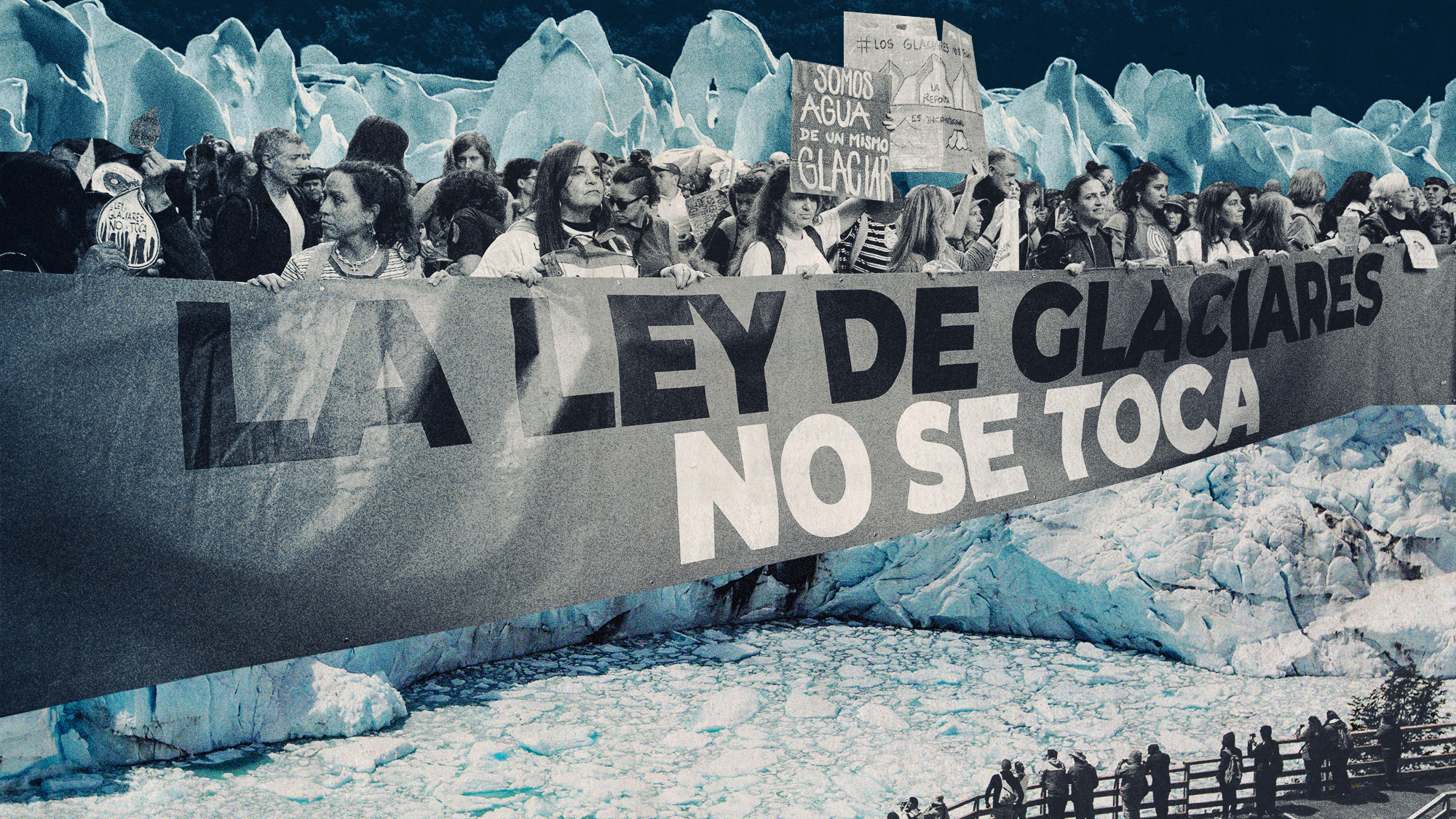
But the changes to the Glacier Law have sparked widespread public protest in areas reliant on them for water. Scientists and geologists have warned that glacial development will further accelerate the retreat of Andean ice sheets, creating unstable conditions that expose Argentina – as well as neighbouring Chile and Peru – to the risk of catastrophic floods and mudslides.
In November 2005, the collapse of the Laguna de los Erizos reservoir in San Juan province unleashed a 1.1 billion cubic feet mudslide that stretched for 155 miles, although its remote location prevented any deaths. “What happened in Nepal has already happened in Argentina,” Juan Pablo Milana, a researcher with Argentina’s National Scientific and Technical Research Council, told Argentinian news site Infobae. |