The Week The Week
flag of US
US
flag of UK
UK
https://cdn.mos.cms.futurecdn.net/skoGBi9qKFoUtnNWkovjJQ.jpg

SUBSCRIBE

Try 6 Free Issues

Sign in
  • View Profile
  • Sign out
  • The Explainer
  • Talking Points
  • The Week Recommends
  • Podcasts
  • Newsletters
  • From the Magazine
  • The Week Junior
  • More
    • Politics
    • World News
    • Business
    • Health
    • Science
    • Food & Drink
    • Travel
    • Culture
    • History
    • Personal Finance
    • Puzzles
    • Photos
    • The Blend
    • All Categories
  • Newsletter sign up Newsletter
  • Saturday Wrap, from The Week
    Trump’s ‘invading army’, doctor strikes, and Le Pen’s court appearance

     
    Briefing of the week

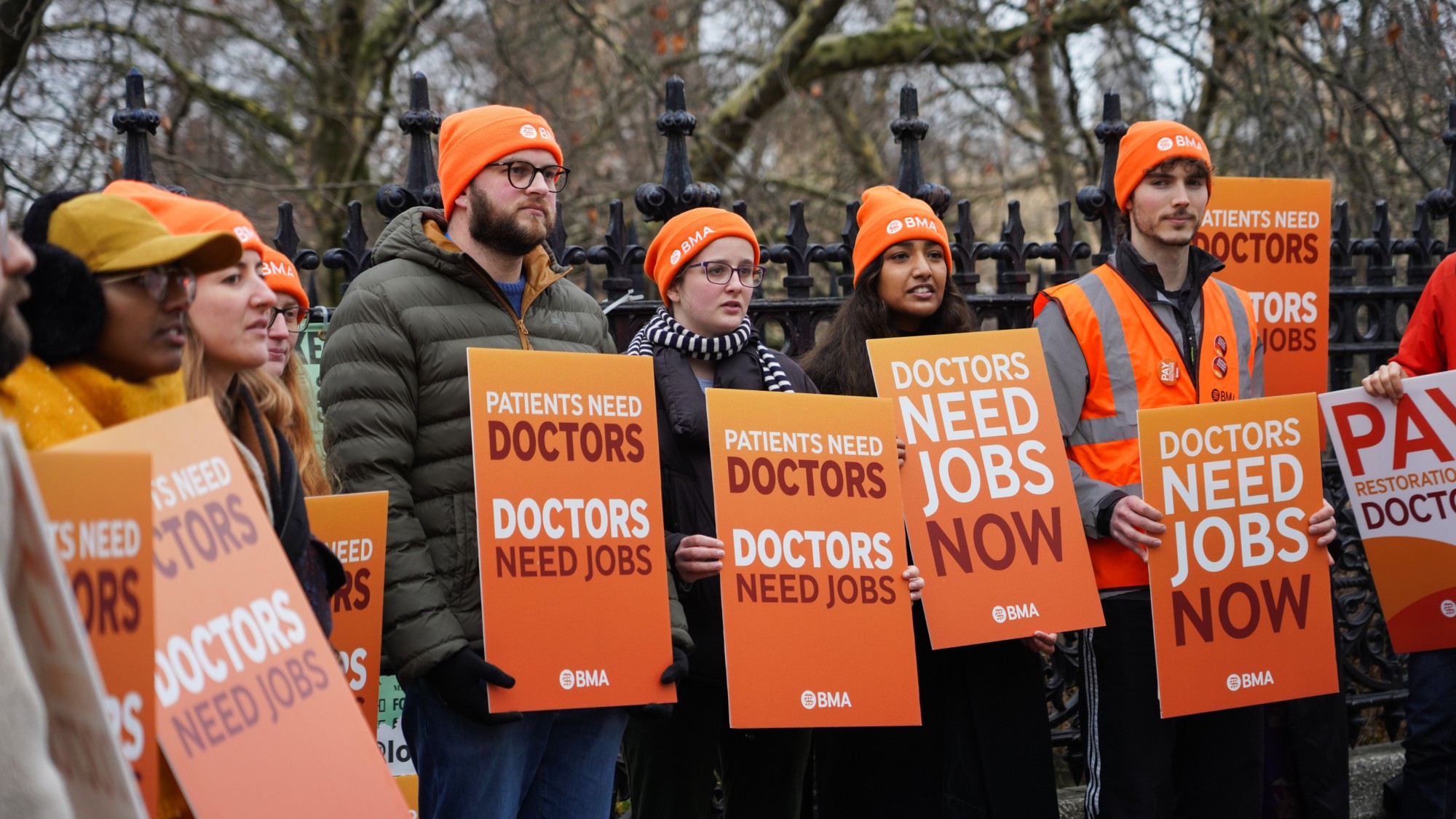
    The doctors’ strikes

    Resident doctors working for NHS England are currently voting on whether to go out on strike again this year

    What is the dispute about?
    At heart it’s an intractable pay dispute, which has been running since March 2023. Average pay for resident doctors (previously junior doctors) has risen, in total, by 28.9% since then, with a pay rise of 8.8% awarded by the last government, and three separate rises given by Labour since. But the doctors’ union, the British Medical Association, is demanding “full pay restoration”, arguing that the value of resident doctors’ pay has been eroded heavily by inflation since 2008/09, and that an additional 26% pay increase for members “over the next few years” is needed. The dispute isn’t only about pay, however: there are long-standing gripes among resident doctors about working conditions. The BMA also complains that there are insufficient numbers of training posts. It is now demanding that UK medical graduates are prioritised for training posts in future. 

    Who are resident doctors and what do they earn? 
    They are the workhorses of the NHS, providing most day-to-day medical care in hospitals. There are 79,000 of them across the NHS, making up about half the doctors in secondary care (hospitals). They range from newly qualified “foundation” doctors to “core trainees” and specialised registrars, all working under the supervision of more senior doctors. The Government’s average full-time basic pay figure for resident doctors is £54,000. But this covers quite a range, from £38,830 for the newly qualified, to registrars who can earn as much as £74,000. Also, in practice they earn between a quarter and a third more than their basic salary from overtime, unsocial-hours pay, and so on. 

    Do they have a point about pay? 
    Doctors certainly suffered real-terms pay cuts between 2008 and 2024. The BMA says that pay remains a fifth lower than it was then, despite recent pay rises. (Pay for most UK jobs is about the same or slightly less than in 2008.) The exact proportion is, though, contested: the BMA uses the RPI measure of inflation for pay calculations, while the Government uses the CPI, which is typically lower. The proportion of UK doctors, particularly those trained abroad, leaving or considering leaving the UK has been rising, in part because of money. The independent pay review body found that resident doctors in Australia are paid 23%-48% more; in Canada they are paid almost twice as much. In Ireland, France and New Zealand, though, they are paid about the same or less. 

    What is the Government position? 
    Health Secretary Wes Streeting accepted the review body’s recommendation of a 5.4% rise for 2025/26. The Government recognises the need to improve pay over time, but it doesn’t accept unconditional pay restoration claims, deeming them unrealistic when the NHS and public finances are struggling: besides, Streeting says resident doctors have received the highest pay rise of public-sector workers in the past three years.

    What about the other issues? 
    The BMA complains that supply of posts for core and speciality training has not kept pace with numbers. This is hard to dispute: figures for last year showed as many as 33,000 doctors chasing as few as 10,000 places. This means that many are stuck in lower-level roles and unable to progress. Beyond this, resident doctors consistently report a range of workplace problems: excessive workload; staffing shortages; high levels of stress and burnout; poor access to basic facilities, such as rest areas and canteens. 

    What is Streeting’s response? 
    In December, the Health Secretary made an offer that included a rapid expansion of training posts, and emergency legislation to give UK medical graduates priority for the posts; before this they had competed on equal terms with foreign-trained doctors. He had earlier offered to pay resident doctors’ exam fees, and cover mandatory membership costs for medical royal colleges, which add up to several thousand pounds while doctors train to become consultants. Streeting has also said that NHS trusts need to be “better employers”, and that he is open to negotiation on working conditions – but not on pay. 

    Why is the dispute so bitter? 
    Historically, strikes by NHS doctors have been extremely unusual. Before 2016, resident doctors hadn’t staged a national strike since 1975. But in 2022, a hardline group calling themselves “Doctors Vote” gained control of the BMA’s resident doctors committee, and there have since been 14 strikes – evidence of deep anger and disillusion. (Doctors Vote’s grip on the union has weakened to some extent in recent months.) Labour, for its part, feels that it has committed fully to resolving this dispute – Streeting’s first meeting as Health Secretary was with the BMA – and has made generous offers. A war of words has escalated between the two sides. Streeting described the decision to strike during December, when flu was at record levels, as “morally reprehensible”, “reckless” and a threat to patient safety. The BMA has accused the Health Secretary of “emotional blackmail”, “scaremongering” and “grandstanding”. 

    Can a resolution be reached? 
    We shall see, when the results of the latest BMA ballot on whether industrial action should continue over a further six months are revealed on 2 February. The two sides appear to be deadlocked. Streeting seems to have won the public argument. Polling suggests that support for the strikes had fallen from a majority in 2024 to around 30% by December; several high-profile doctors, including Sir Robert Winston, have quit the BMA in protest at its strategy. However, he has not so far won over those who matter most: the resident doctors. The last ballot, in December, on a turnout of 65%, saw 83% of doctors vote to continue striking. Last week, negotiations were reported to be planned between the two sides. But at this stage, further walkouts over the coming months look likely

    How strikes affect the NHS 
    During strikes, consultants are drafted in to “act down” and cover their more junior colleagues’ shifts. Non-urgent appointments are routinely postponed. At least 1.7 million appointments have been rescheduled owing to industrial action since the end of 2022, according to data from August – dealing a blow to the Government’s efforts to cut waiting lists. The strikes also carry a large financial cost, as consultants are expensive (this is notoriously hard to estimate, but between April 2023 and May 2024 it is thought to have exceeded £1.7 billion). This diverts resources away from other parts of the health service, and potentially impacts patient care. It also places additional burdens on staff and morale.

    However, NHS England has got better at dealing with walkouts. During the most recent 17-22 December strike, NHS figures indicate, over 90% of planned operations, tests and procedures were maintained – though that still meant that tens of thousands of procedures were disrupted. It was even reported that strikes by younger doctors before Christmas helped to forestall a winter crisis in the NHS, because senior medics are more confident in their decision making: they admitted fewer patients, were quicker to discharge them, and ordered fewer diagnostic tests.



    Spirit of the age

    Sienna Rose is a soul singer who has amassed nearly 3.5 million monthly listeners on Spotify since releasing her first single in 2024. One of her smoky, jazz-infused tracks, “Into the Blue”, has been played six million times. Yet according to streaming service Deezer, which has AI detection tools, Rose does not exist, and her music is computer-generated. Clues include the fact that she has never performed a gig, she has minimal presence on social media and many of her songs have a “telltale hiss” running through them.


    talking point

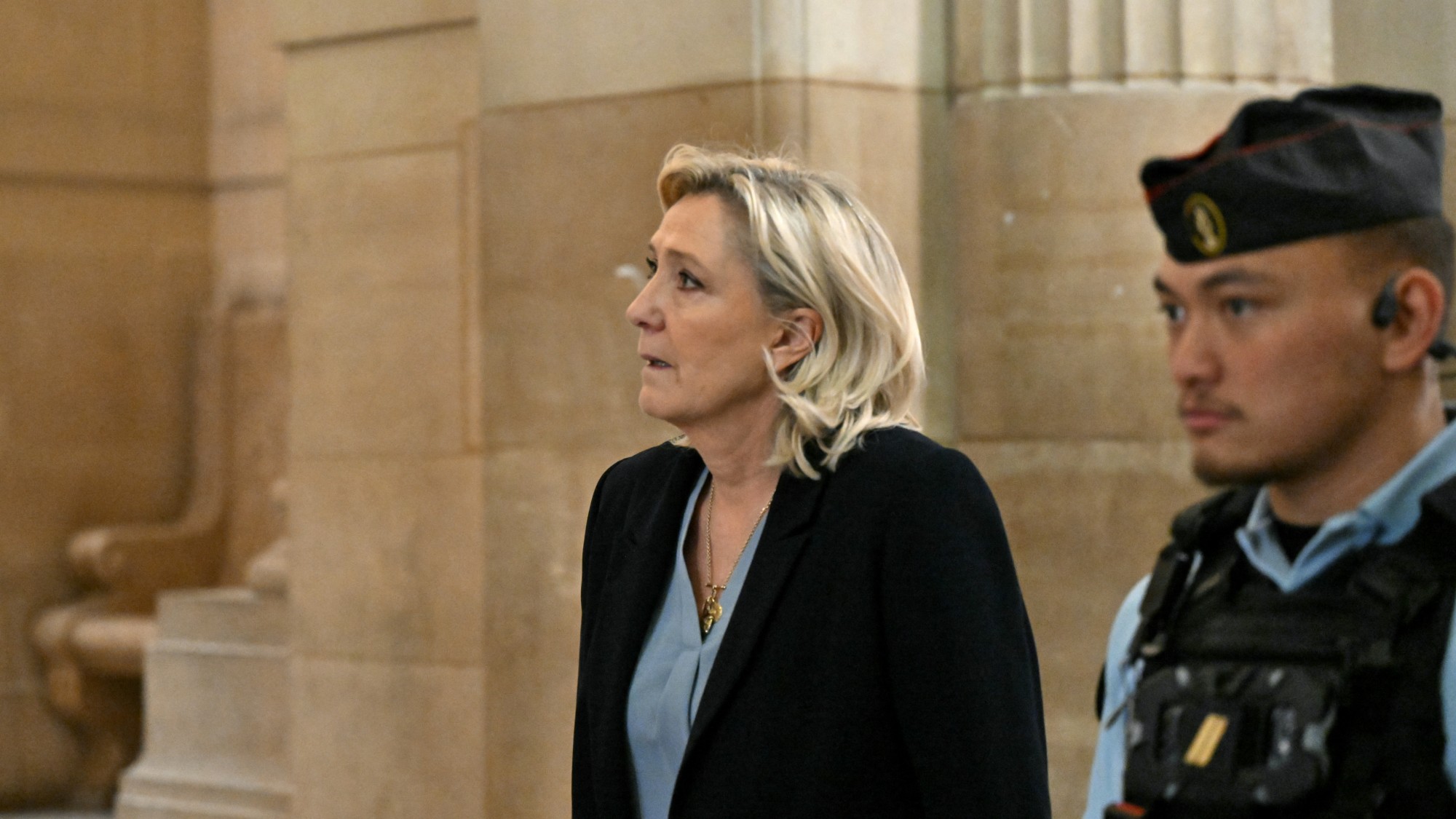
    Le Pen back in the dock: the trial that’s shaking France

    A trial of “immense significance” for the future of France began this week, said Florian Harms on T-Online (Berlin). Marine Le Pen, 57-year-old head of the far-right National Rally (RN) party, was convicted last year of embezzling millions of euros of EU funds, handed a four-year prison sentence and banned from running for office for the next five years. But now she is appealing that conviction. And if she wins on appeal and goes on to win next year’s presidential election, as polls suggest she well might, the fundamental values of the Fifth Republic will be imperilled. Her programme is one of national isolation, of withdrawing France from the structures of the European Union; she and her party have scant regard for democratic checks and balances. The judges in the Paris appeal court hold France’s destiny in their hands. 

    Mind you, Le Pen is taking a big risk in appealing her conviction, said Jedrzej Bielecki in Rzeczpospolita (Warsaw). Yes, some feel the four-year prison sentence she received last March was unduly harsh. Yet as it stands, she won’t spend any time behind bars. Two of those years were suspended; the other two she is to serve with an electronic tag at home. Should she lose her appeal, however, the judges could well decide to up that to 10 years in jail. The crime for which she was convicted is no small one, after all: she was judged to have been “at the heart” of a decade-long system of embezzlement, in which taxpayers’ money allocated to MEPs by Brussels to defray the cost of staff assistance in the European Parliament was instead syphoned off to pay for her party workers in France. 

    Le Pen has previously insisted no crime was committed and that she has been the victim of a judicial “witch-hunt”, said Anthony Berthelier on HuffPost (Paris). And it was the judges’ fear that if she couldn’t see that she had committed a crime she might very well do the same again, which is what persuaded them to ban her from running for office for five years. So this time round Le Pen has changed her tune: her defence strategy is now to admit a crime was indeed committed but that she was unaware of it, and that it was the European Parliament’s fault for not alerting her to it. But this new strategy could easily backfire: blaming the victim for the crime, which is what this looks like, may not go down well with the court. 

    Actually, it may be no bad thing for her RN party if she does fail in her appeal, said Anaïs Gerbaud in L’Echo Republicain (Chartres). It’s true that, ever since she took over the reins of the party in 2011 from her father Jean-Marie Le Pen, and sought to “civilise” it, its vote share in presidential elections has soared, rising to 41.45% in 2022. “She has never been so close to success,” said Jedrzej Bielecki. But now there are signs that the corruption scandal “has badly dented her image”. Only 36% of respondents in a recent survey in Le Monde felt that “she has been treated more harshly by the courts than the average French person”. More to the point, the party has a far better alternative to her waiting in the wings: its charismatic 30-year-old party president, Jordan Bardella. He is free of the antisemitic and racist taint still associated with the name “Le Pen”, and he now seems to be more popular with voters than his mentor. In the Le Monde poll, 49% of respondents saw Bardella as the candidate who “has the best chance of winning the presidential election”, compared with just 18% for Le Pen. 

    Whoever its candidate is, RN’s victory is no foregone conclusion, said Le Monde (Paris). The party may command a strong lead in the polls, but Le Pen’s and Bardella’s ideological ties to Donald Trump and “past closeness with Putin” could prove damaging. All is not lost: there’s still time for RN’s opponents to up their game and dispel the “illusory promises of the far-right”.


    controversy of the week

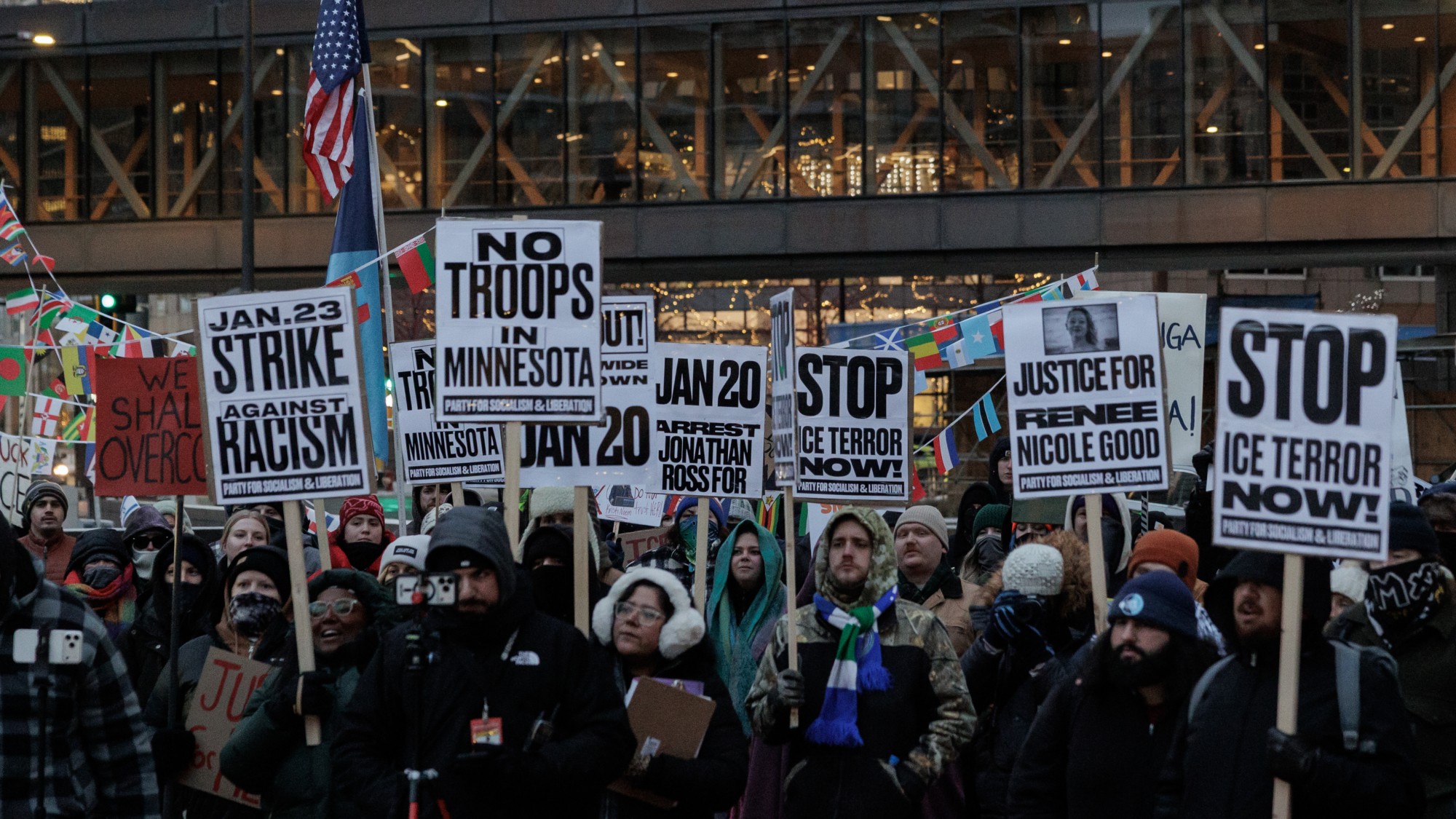
    Trump’s ‘invading army’: should Ice be abolished?

    This is the year that America celebrates the 250th anniversary of its founding, said Jackie Calmes in the Los Angeles Times. What a bitter irony that it is doing so under the leadership of a “wannabe king” who is emulating the tyrannical tactics of George III. Among the grievances listed in the Declaration of Independence is that King George “sent hither swarms of Officers to harass our People”; and that he protected those forces “from Punishment for any Murders which they should commit”. The same charges could be levelled against Donald Trump and his Immigration and Customs Enforcement agency, better known as Ice. The recent killing of Renée Nicole Good in Minneapolis by an Ice officer has fuelled growing protests against the agency. But far from pulling back, Trump deployed further Ice agents to the city, where they already outnumbered local police by more than three to one. 

    Given the numerous documented instances of unacceptable behaviour by Ice officers, it’s no surprise that many Democrats are now calling for the abolition of the agency, said Ruy Teixeira on Substack. They regard all its actions as presumptively illegitimate and cruel. Democrats must take care with this line of argument lest they set themselves up for “a rerun of the ‘Defund the police’ debacle”, which lost them a lot of support among mainstream voters. Maximalist slogans such as “Abolish Ice” play well with progressive voters, but they ignore the fact that enforcement against illegal immigration inside the US, conducted properly, is entirely legitimate; and that voters really do want their politicians to control the country’s borders and prevent abuse of the asylum system. 

    There’s always a chance that Democrats will overreach, said Ross Barkan in New York Magazine, but they look to be on pretty safe ground here. The “Defund the police” slogan backfired because municipal police have for centuries been seen as essential for a functioning society. There’s no such support for Ice, which was only created in 2003. Under Trump, it has morphed into an “invading army” that feels “fundamentally alienating to ordinary people”. Polls suggest that most voters disapprove of the way it is enforcing immigration laws, said Greg Sargent in The New Republic. As the star podcaster Joe Rogan, who backed Trump in 2024, complained on his show last week: “You don’t want militarised people in the streets roaming around, snatching up people … Are we really gonna be the gestapo? ‘Where’s your papers?’ – is that what we’ve come to?” Trump and his Maga backers have sought to depict the unleashing of Ice on liberal cities as an act of cleansing national renewal. The bad news for them is that “it’s causing most people to recoil in horror”.


    viewpoint

    Against podcasts

    “If you wondered why people seem to be lacking a spring in their step, here’s the answer: podcasts. We now have the tech to walk around with the entire history of music in our pocket, yet millions forsake Bach or Bowie in favour of listening to some stranger bang on about how they need to eat more protein, or perfect their people-management skills, or improve their ‘sleep hygiene’. Apparently, people listen to podcasts for ‘optimisation’, which I think is a misspelling of ‘lobotomisation’, because it is a fact that 97% of podcasts consist of two men agreeing with each other or two celebrities saying how proud they are of one another’s ‘journey’.”

    Hadley Freeman in The Sunday Times


    It wasn’t all bad

    A woman whose baby got trapped in her burning car has credited two strangers with saving her child’s life. Alex McClean, 21, was driving on the A465 near Merthyr Tydfil when smoke began to fill her car. She stopped in a layby and got out, but then couldn’t open a door to extract her baby. As the situation worsened, she started to panic, but Wesley Beynon and his uncle Marc Wilding came to her aid, and managed to get a door open. McClean said she’d never forget their heroism.


    People

    Monica Lewinsky

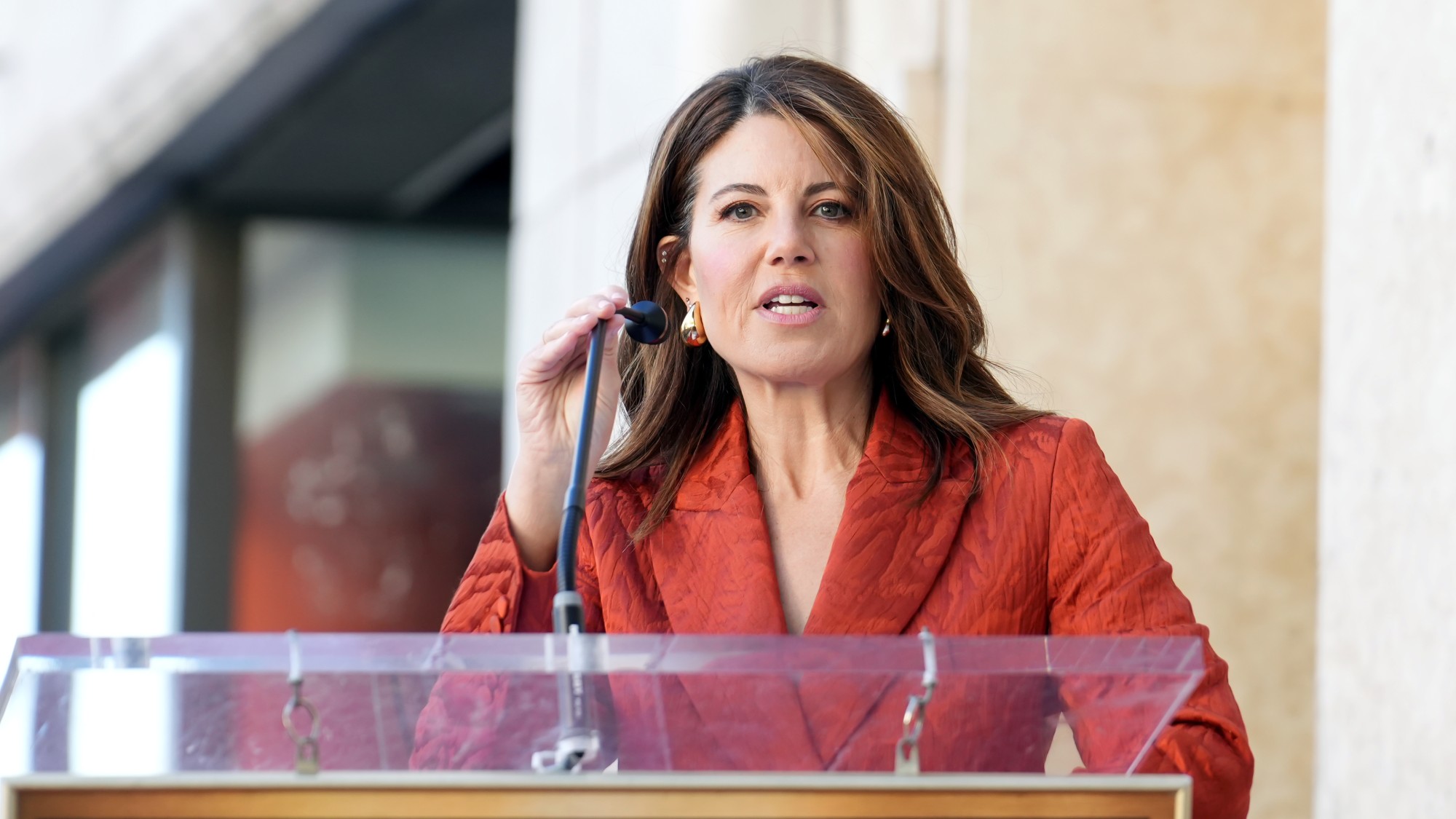
    When news of Monica Lewinsky’s 18-month affair with Bill Clinton broke in 1998, the former White House intern instantly became a global hate figure, says Jane Mulkerrins in The Times. Then 24, she couldn’t leave home without being pursued by paparazzi; for years afterwards, she’d travel in disguise. 

    Eventually, in 2005, she left for London to begin a master’s in social psychology. “I naively thought I could leave Monica Lewinsky in the United States,” she says. But at the LSE, “I suddenly understood the impact of people having called me a dumb bimbo and stupid. I hadn’t realised how deeply that had seared into my psyche and my soul.” She found herself unable to speak in tutorials, or even ask for advice on essays. “We all know impostor syndrome, but it felt different to me because I’d been dissected on a world stage.” 

    Even after finishing her course, she found that nobody would hire her: bearing a name that carried such stigma, she was rejected for hundreds of jobs, and was even asked by one potential employer to secure a letter of indemnification from the Clintons. “I had no purpose,” she reflects. Today, she has a successful career as a TV producer and podcaster, and reckons that the public response to a similar scandal in a post-MeToo world wouldn’t be as “misogynistic” as it was in the 1990s. “But,” she adds, “I don’t think it would be as different as everybody thinks.”


    Image credits, from top: Madison Thorn / Anadolu / Getty Images; Kristian Buus / In Pictures / Getty Images; Bertrand Guay / AFP / Getty Images; JC Olivera / Getty Images
     

    Recent editions

    • Evening Review

      The trilateral summit for peace

    • Morning Report

      Starmer allies to bar Burnham’s return

    • Evening Review

      Nato’s theatre of war

    VIEW ALL
    TheWeek
    • About Us
    • Contact Future's experts
    • Terms and Conditions
    • Privacy Policy
    • Cookie Policy
    • Advertise With Us
    • FAQ
    Add as a preferred source on Google

    The Week UK is part of Future plc, an international media group and leading digital publisher. Visit our corporate site.

    © Future Publishing Limited Quay House, The Ambury, Bath BA1 1UA. All rights reserved. England and Wales company registration number 2008885.