The Week The Week
flag of US
US
flag of UK
UK
https://cdn.mos.cms.futurecdn.net/flexiimages/jzblygzdxr1769609154.gif

SUBSCRIBE

Try 6 weeks free

Sign in
  • View Profile
  • Sign out
  • The Explainer
  • Talking Points
  • The Week Recommends
  • Podcasts
  • Newsletters
  • From the Magazine
  • The Week Junior
  • More
    • Politics
    • World News
    • Business
    • Health
    • Science
    • Food & Drink
    • Travel
    • Culture
    • History
    • Personal Finance
    • Puzzles
    • Photos
    • The Blend
    • All Categories
  • Newsletter sign up Newsletter
  • Saturday Wrap, from The Week
    The MP safety debate, Cuba under threat, and the Graham Platner affair

     
    controversy of the week

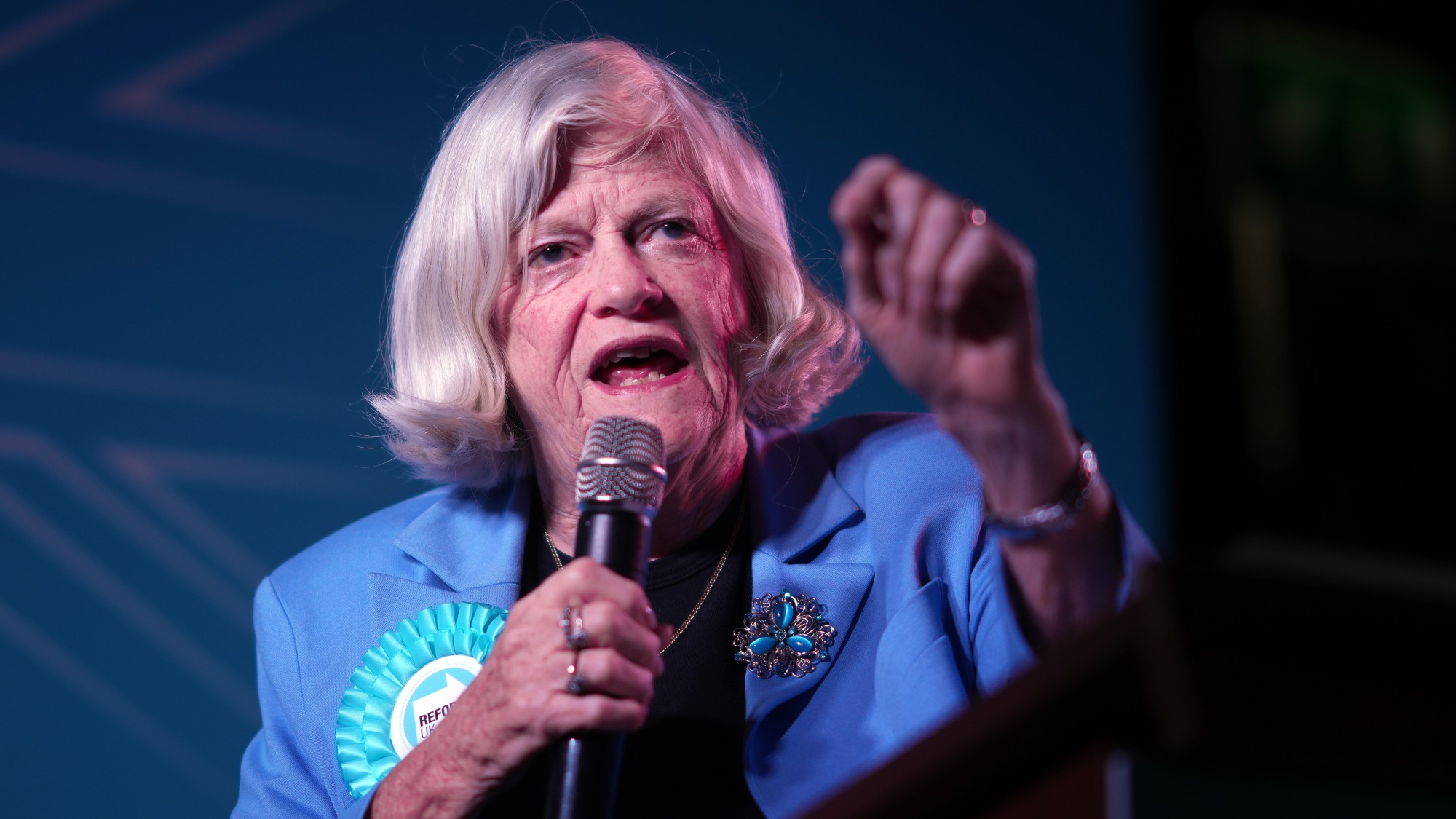
    Ann Widdecombe: a political murder?

    “Westminster is reeling” from the news that, it seems, Ann Widdecombe was murdered, said Tim Shipman in The Spectator. “At this stage it is the done thing to urge people not to jump to conclusions” – but “the leaping has already begun”. 

    Nigel Farage declared on Saturday that it was “premeditated murder”; Reform UK clearly believes she was targeted because she was its migration spokesperson. Devon and Cornwall Police had declared on Sunday that there was “nothing to suggest” the killing was “politically motivated”. On Monday, though, there was an about-turn. Counterterrorism police took over the investigation; a 28-year-old man, who had reportedly driven 300 miles from his home in Rotherham, South Yorkshire, to her village on Dartmoor on the day she died, was arrested. The crime was described as a “targeted attack”, perhaps linked to extremism. 

    If the police don’t know what happened, said The Telegraph, it’d “be better for them to say so”. Official speculation and obfuscation only fuels “mischief”. Once again, MPs found themselves considering the question of their own safety, said the BBC’s political editor Chris Mason. The veteran Tory Bernard Jenkin, recalling the deaths of Jo Cox and David Amess, claimed that as a member of Parliament “you are more likely to meet a violent death than a member of His Majesty’s Armed Forces or a member of the British police forces”. MPs need to remain both “accessible and safe”. This, today, is a massive task. Farage believes the Royal and VIP Executive Committee, which is responsible for MPs’ security, has not taken his own safety seriously enough. And Widdecombe’s death suggests that not only the 650 sitting MPs, but also former members, may need help. 

    Her death is shocking, “not just for its brutality”, said Mary Harrington on UnHerd. It’s shocking because it highlights “how much better, kinder and more trusting a country Widdecombe believed Britain to be, than the place we actually live in”. She was a traditional “British battleaxe”: a staunch conservative who never shied away from controversy, but was open, warm and courteous to those with whom she disagreed. Britain, sadly, has grown “more fractured, skint, alienated and online” than the world she grew up in. 

    “Parasocial fixations” on public figures are more and more common; harassment, and serious violence, often result. This baleful trend seems to have pursued Widdecombe to her home in a sleepy Dartmoor village – the last place on Earth, you’d imagine, “something so horrifying might happen”.


    Briefing of the week

    Cuba under siege

    The Trump administration wants regime change in Cuba by the end of the year

    How are things in Cuba? 
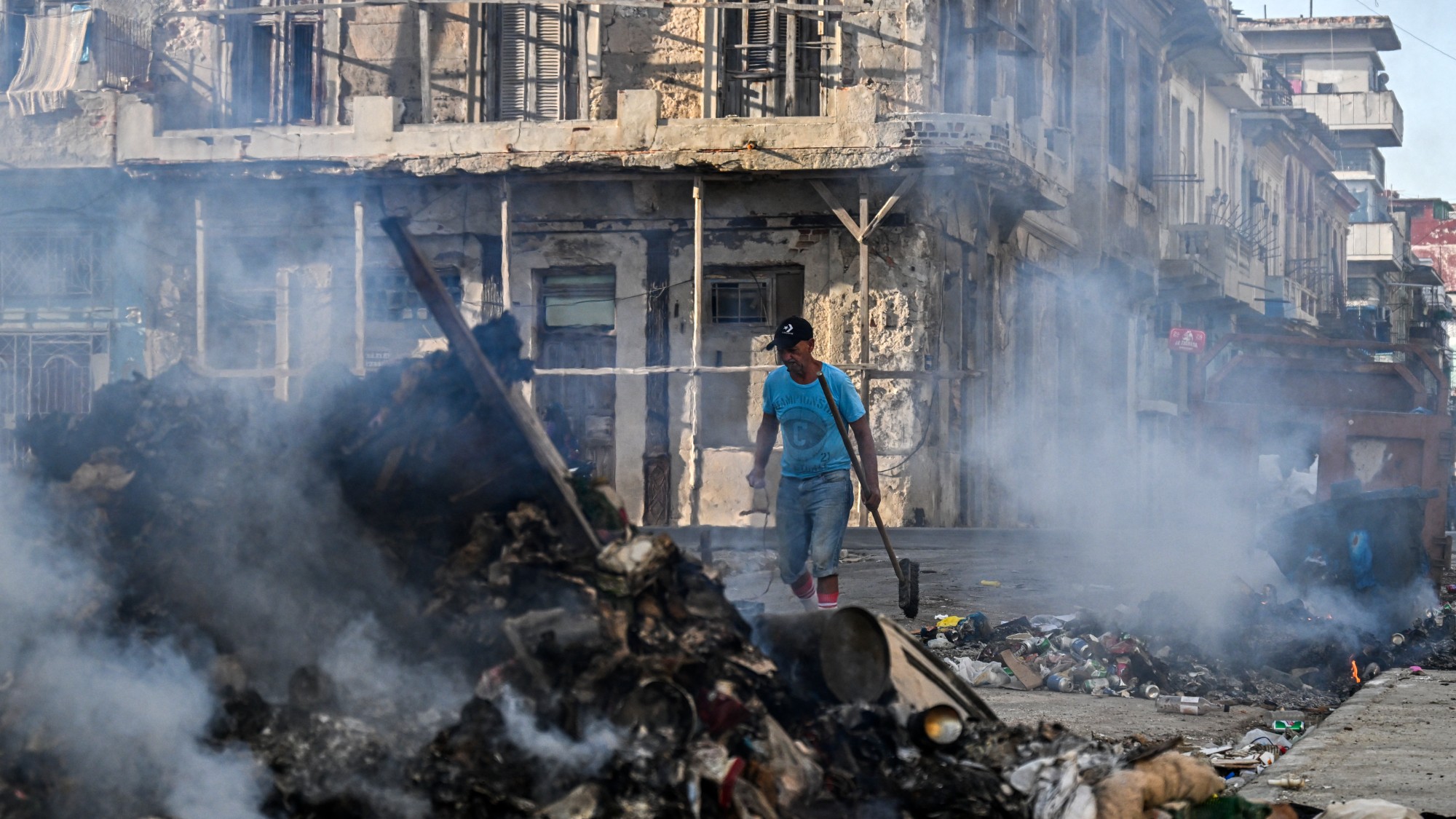
    Very difficult. Since February, the country’s power grid has suffered three nationwide blackouts: there is currently electricity for two hours a day at most in Havana, and less in rural areas. Mains water works roughly every other day. The average monthly wage, in real terms, is under $20 (£15). Food production has fallen drastically; shortages are common. Petrol is prohibitively expensive. Cuba’s once-impressive healthcare and education systems are in tatters.

    Tourism – the island’s main economic lifeline – was down 58% in the first five months of 2026 compared with the year before. Long-haul flights there have stopped because they can’t refuel. Mosquito-borne diseases such as dengue fever and chikungunya have staged a comeback, and the UN reported last month that child mortality has risen sharply. An estimated fifth of the population has left since 2021. 

    Why is this happening? 
    Cubans have endured decades of mismanagement from their own communist government, along with economic warfare from the US – but the past few years have been particularly harsh. Cuba invested heavily in tourism and underinvested in healthcare during the 2010s, only to see both sectors heavily impacted by the Covid pandemic. Miguel Díaz-Canel, who in 2021 became the nation’s first leader not from the Castro family since 1959, ordered a crackdown that year on the largest wave of protests seen for decades.

    But the main cause of the present trouble is a US oil blockade, which began in January – the biggest such action since the Cuban Missile Crisis in 1962. Donald Trump at the same time issued an executive order designating Cuba a national security threat – and called on Cuba’s leaders to “make a deal before it is too late”.  

    Why does the US think Cuba is a national security threat? 
    It didn’t offer specific reasons beyond Cuba’s alliances with Russia and China, along with claims that it “destabilises the region through migration and violence”. Cuba’s communist regime has historically been a bugbear for the US, particularly for Republicans. And Trump’s secretary of state, Marco Rubio, a son of Cuban immigrants, favours regime change.

    But the timing suggests that the decision to tighten the screws was inspired by the successful US action against Venezuela on 3 January – and, more broadly, by Trump’s desire to assert US primacy in the western hemisphere. In March, the president told reporters he believed he’d have “the honour of taking Cuba… I think I can do anything I want with it.” 

    What’s Venezuela’s role in this? 
    Venezuela became Cuba’s main regional ally in 1999, when Hugo Chávez’s left-wing government began supplying Fidel Castro with cheap oil. The alliance continued under Chávez’s successor, Nicolás Maduro, and until this year, 75% of its oil imports came from Venezuela and Mexico. But after seizing Maduro in January, killing 32 Cuban security personnel in the process, the US made Venezuela cut off Cuban oil supplies; Mexico did the same under the threat of tariffs. The island requires around 100,000 barrels of oil per day for its power stations and infrastructure to function; since January, episodic shipments have only given short-term relief.

    It now seems that the Trump administration is looking for a similar outcome to Venezuela: sources told The Wall Street Journal they were aiming for regime change by the end of 2026. 

    What are the US’ exact demands?
    They haven’t shared them in public, though the Cuban government confirmed in March that talks were taking place. Trump’s previous actions suggest that his definition of regime change is flexible. In Venezuela, the US left Maduro’s government in place under the control of his deputy, Delcy Rodríguez; the country was forced to open up its oil and mining to US investors, but not to democratise. In the case of Iran, similarly, Trump has shown himself willing to treat a change of personnel at the top as regime change. The Cuban leadership may feel they have some wiggle room; in June it announced a package of 176 free-market reforms in an effort to placate the US. But there are big obstacles to a political settlement on both sides. 

    Why might a deal be difficult? 
    A law from 1996 prohibits the US from recognising any Cuban government that includes Raúl Castro, Fidel’s brother, who is still, aged 95, a major figure in Cuban politics. Florida’s Cuban-American community, a key part of Trump’s voter coalition, would also object to any deal that did not mean the end of the regime. The US might settle for custody of Castro, who was indicted this May by a Florida grand jury for his part in shooting down two planes belonging to a Cuban exile group in 1996.

    But the Cubans are unlikely to agree to that, and there is no plausible opposition party or Delcy Rodríguez-like figure to deal with – though Raúl Castro’s grandson, Raúl Guillermo Rodríguez Castro, a reputed playboy who’s close to the Cuban military’s wealthy holding company, is said to have been auditioning for the role. 

    What if there’s no deal? 
    An American invasion looks unlikely: Trump is clearly wary of that level of commitment, and has his hands full trying to extricate himself from his “excursion” in Iran. Cuba’s military isn’t the fighting force it used to be, but the country has been resisting US pressure since 1962, and it’s difficult to see the Cuban elite colluding – as some of Venezuela’s did – with a theatrical special-forces raid on Raúl Castro or Díaz-Canel. Castro’s age may be the best hope for a solution, but Cuba has been a one-party state for generations, and with the Trump administration on the opposite side, any transition is likely to be messy.

    From the point of view of ordinary Cubans, however, something has to give. “Living like this is agony,” Meyboll Font, a 51-year-old Havana resident, told Agence France-Presse last week.

    Cuban migrants: in Trump’s sights 
    Refugees started arriving in Miami soon after Fidel Castro’s small band of guerrillas overthrew the US-backed dictator Fulgencio Batista in 1959. They were largely welcomed with open arms, especially after Castro declared himself a communist in 1961. Over time, they became a reliable Republican voting bloc. Cubans also acquired unique protections as political refugees, with the right to a green card after just a year in the US. There are about three million Cuban Americans; the population of Cuba itself is now less than 11 million.

    During Trump’s second term, however, the immigration authorities have treated Cubans like any other Latin American refugees, even finding legal loopholes to deport people with pending asylum applications. Around 8,000 Cuban nationals have been expelled since Trump returned to the White House, either to Mexico or to Cuba. Several have died in Ice custody, and – in a case that caused an outcry in Florida – a woman named Heidy Sánchez was separated from her 17-month-old daughter at a routine immigration appointment, put in shackles and flown to Havana. Around 70% of Cuban Americans in Florida voted for Trump in 2024, but the situation is causing mounting alarm in the community.


    Spirit of the age

    The Church of England’s special World Cup prayer has been mocked by its own vicars. It begins: “May we see and celebrate the hand of God in the creativity of every curving free kick, silky pass or impossible save.” The Rev Jeremy Moodey complained to the General Synod that it has been “widely ridiculed online for its religious illiteracy and the inauspicious reference to the ‘hand of God’”. Michael Ipgrave, the Bishop of Lichfield, defended the use of “accessible, informal and light-hearted” prayers.


    VIEWPOINT

    The establishment

    “Are you now, or have you ever been, a member of the establishment? This is the one question to which no one – princes, party leaders, prime ministers – can ever bring themselves to answer ‘yes’. Nigel Farage, privately educated multimillionaire and former City broker, sees the establishment as the enemy. Robert Jenrick, a privately educated former Conservative cabinet minister, is definitely not part of it. Tony Blair says he’s ‘not a great one for the establishment’. When Prince Harry lost an appeal last year, he described the court ruling as ‘a good old-fashioned establishment stitch-up’. With so many on the outside, can there be anyone left on the inside?” 

    Craig Brown in The Sunday Times


    talking point

    The Platner affair: ‘vibes’, sexting and a Nazi tattoo

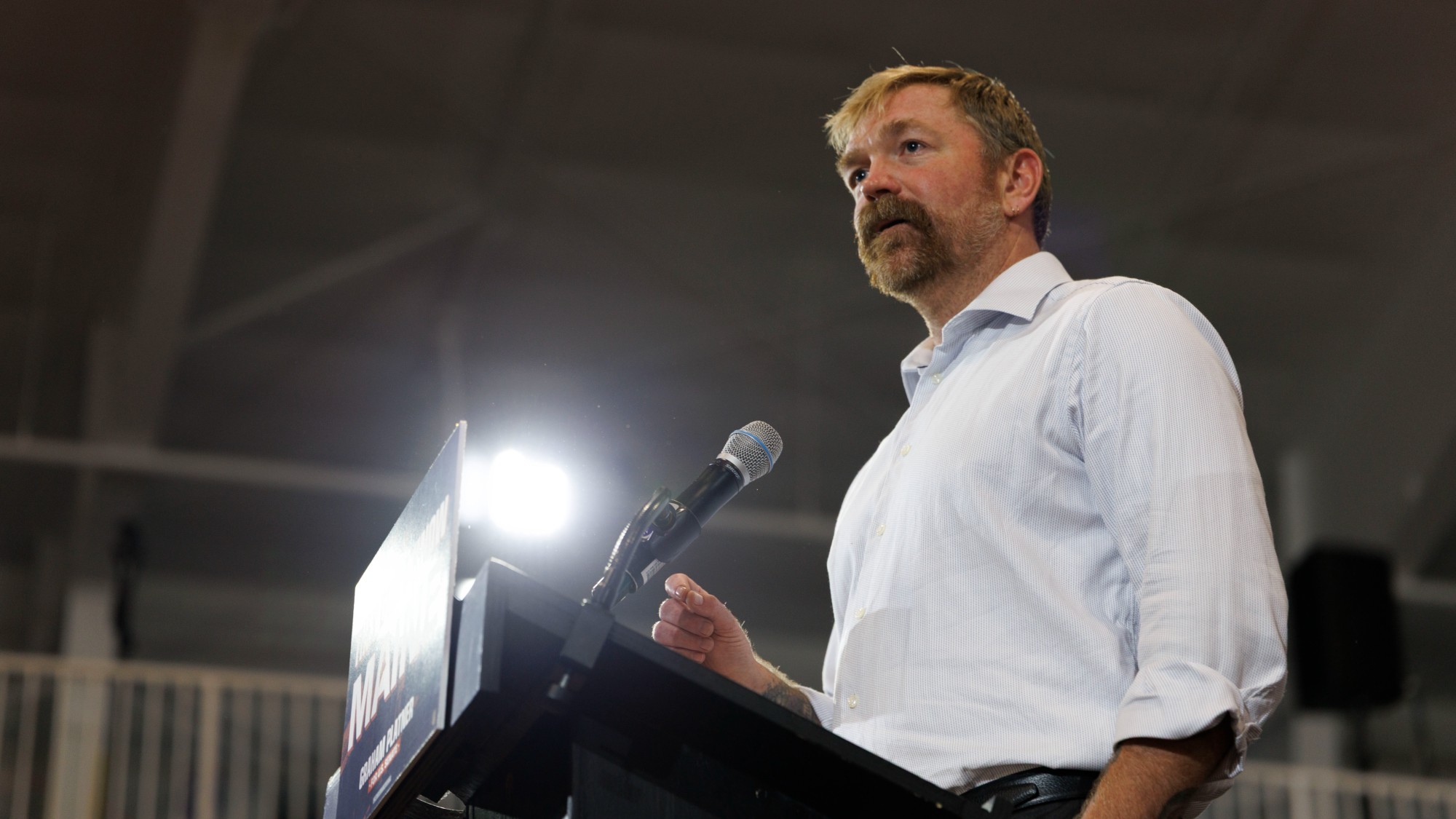
    “Imagine the ecstasy Democrats felt when they first found Graham Platner,” said Carine Hajjar in The Washington Post. At last, a man who could help them win back the blue-collar vote: a charismatic, gruff-talking oyster farmer and combat veteran. 

    They were so excited to think his run for Maine senator might succeed, and deliver their party control of the upper chamber of Congress, that they dismissed a growing list of ugly revelations about him. 

    That large Nazi tattoo on his chest? Platner didn’t know the skull motif had SS associations (though he apparently called it his “Totenkopf”). His history of bigoted comments on social media, and sexting of women? He’d been through a “dark period”, but had “grown”. The allegation of physical abuse from a (Republican) ex-girlfriend? Probably politically motivated. But an accusation of rape from a (Democratic) former partner finally tipped the balance – and, last week, Platner quit the race. 

    The Platner affair was a train wreck, said Perry Bacon in The New Republic, but that shouldn’t deter Democrats from seeking unconventional candidates who will make voters give them a second look. The party has to enlist support from outside its core base. Platner was a gamble too far, but we know from the 2016 and 2024 elections what happens when Democrats run milquetoast candidates with “Republican-lite” policy platforms: they lose. 

    The party needs new blood, said The New York Times. More importantly, though, it needs to define what it would do with power. It needs “a purpose” more than it needs charismatic outsiders. 

    The Democrats must take more care with recruitment, said Christina Cauterucci on Slate. Platner was enlisted by a political strategist called Daniel Moraff, solely on the basis of “vibes”. He had no track record as an official or an activist. There was minimal vetting. Voters wanted “real human beings”, Moraff insisted, not “vat-grown people”. Yet the joke is that Platner’s rugged image is itself confected. He comes from an affluent family and attended a fancy prep school; his oyster farm’s main customer is his mother’s upscale restaurant. Genuinely working-class voters weren’t impressed by Platner: he polled poorly among them, and did much better among college-educated voters. 

    This is a cautionary tale about treating “class signifiers” – a dense beard, tattoos and a grimy sweatshirt – as proof “of political merit”.


    It wasn’t all bad

    NHS patients are to be given wearable sensors that detect the symptoms of sepsis, as part of a drive to cut deaths from the hard-to-spot illness by a quarter by 2035. Vulnerable people such as immunocompromised cancer patients will be given devices to monitor their vital signs – blood pressure and heart rate – at home, allowing them to be tested and treated more quickly if their conditions deteriorate. Some hospitals are already rolling out the technology. At present, sepsis kills an estimated 48,000 people in the UK every year.


    People

    Finn Wolfhard

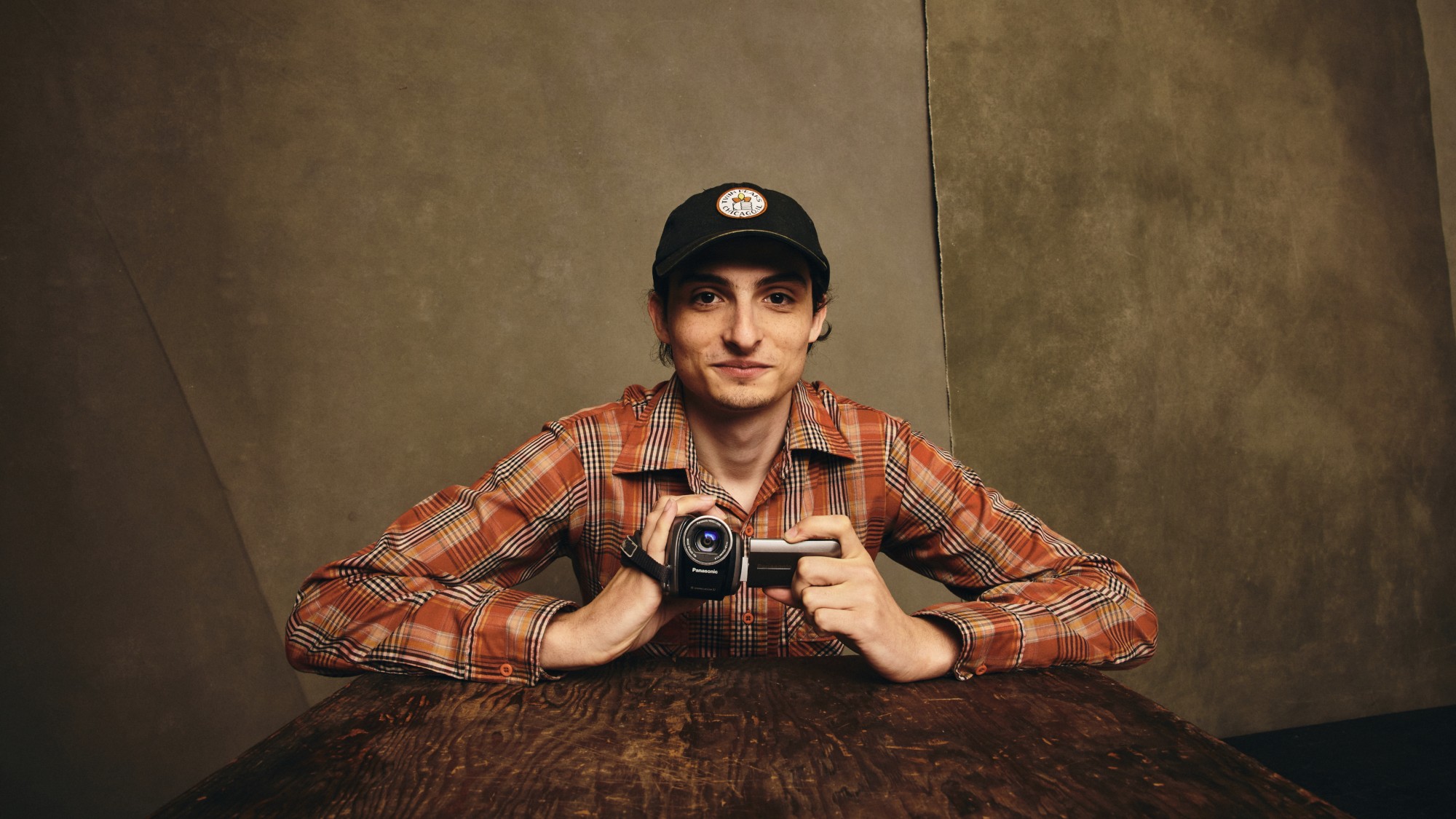
    Finn Wolfhard’s early childhood was pretty ordinary. Growing up in an arty family in a not very arty neighbourhood of Vancouver, he had interests that made him “nerdier” than other kids, but mostly he just rode around on bikes like everyone else. 

    All that changed when he was 12 and he won a part in “Stranger Things”, says Steve Rose in The Guardian. The Netflix drama quickly became a global phenomenon, and its child stars the subject of relentless online attention. Reams of fan fiction were written about their characters (not all of it appropriate); Etsy creators sold weird merchandise emblazoned with their faces; and on social media, there was running commentary about everything from their voices breaking to the way their facial features changed between seasons. Meanwhile, he and his young co-stars had to navigate adolescence in the public eye: Wolfhard’s first proper kiss was on screen. 

    The show finally ended last year, by which time he was 22. For a while, he felt “lost”, he says, but it was ultimately liberating, not least because it meant that he could spend more time on his first love, which is music. He has fronted two indie rock bands, and last year he released a solo album. “I spent my whole childhood having to be on a certain mark, and listen to directors and having the pressure to be perfect all the time, and with music it’s great because I can control my own thing, control my own life and destiny.”


    Image credits, from top: Christopher Furlong / Getty Images; Yamil Lage / AFP / Getty Images; CJ Gunther / Getty Images; Robby Klein / Getty Images / IMDb
     

    Recent editions

    • Sunday Shortlist

      Sam Ryder’s ‘sensational’ performance

    • Saturday Wrap

      A political murder?

    • Evening Review

      China allegations: what’s Trump’s game?

    VIEW ALL
    TheWeek
    • About Us
    • Contact Future's experts
    • Terms and Conditions
    • Privacy Policy
    • Cookie Policy
    • Advertise With Us
    • FAQ
    Add as a preferred source on Google Add as a preferred source on Google

    The Week UK is part of Future plc, an international media group and leading digital publisher. Visit our corporate site.

    © Future Publishing Limited Quay House, The Ambury, Bath BA1 1UA. All rights reserved. England and Wales company registration number 2008885.