The BBC journalist known as “the Voice of India”
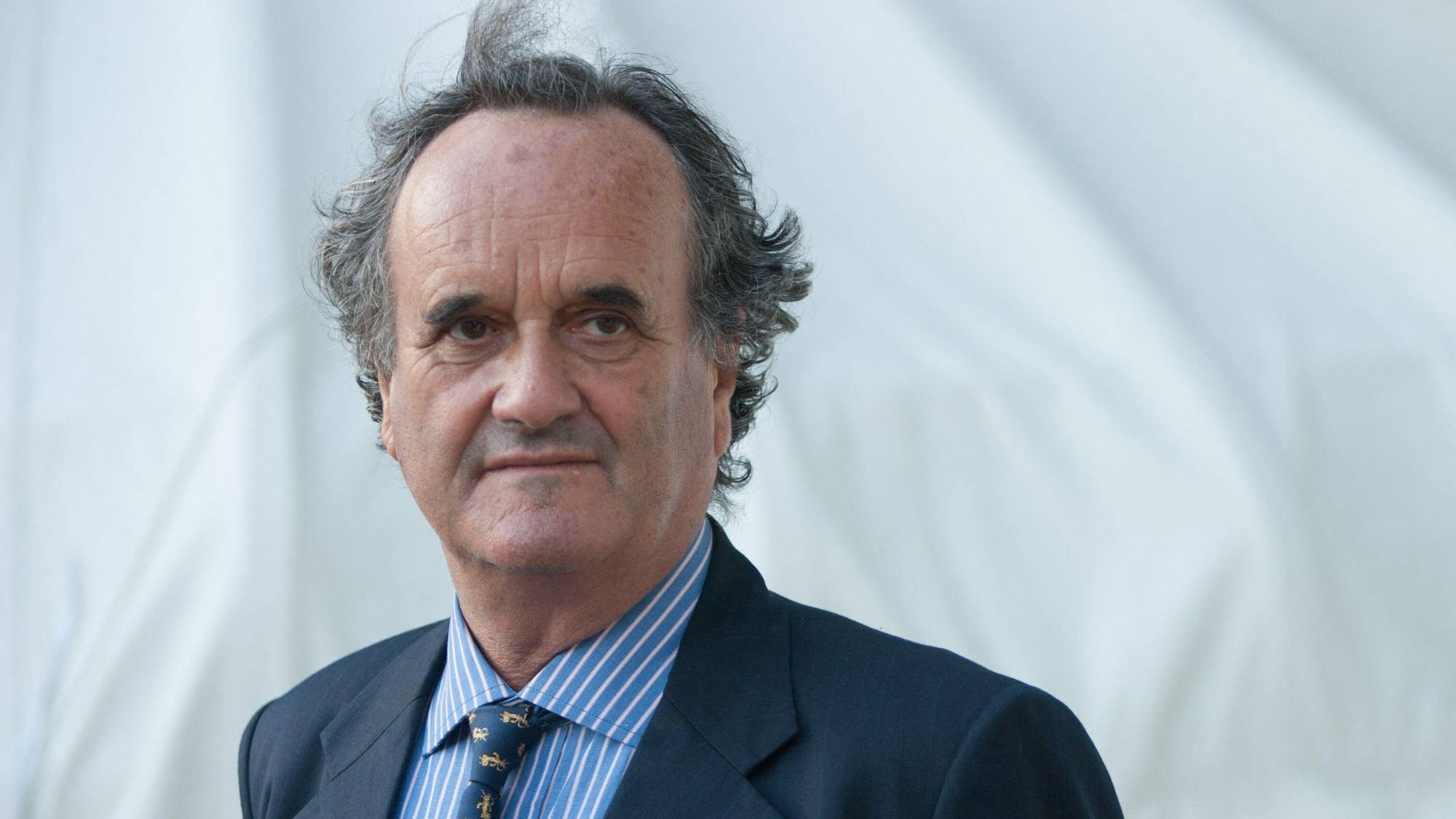
When Rajiv Gandhi was told – while on a road trip deep into India’s interior – that his mother had been assassinated, he refused to believe it, until he had turned on his radio, and heard the news from Mark Tully of the BBC. Known as “the Voice of India”, Tully, who has died in New Delhi aged 90, was one of the most revered foreign correspondents of his generation, said The Guardian. He spent most of his life in India, and over the decades, won respect all over the country for his sensitive, knowledgeable broadcasts on key moments in the nation’s 20th-century history – including the Bangladesh war of independence in 1971, the siege at the Golden Temple at Amritsar, the disaster at Bhopal and Indira Gandhi’s assassination, all in 1984, and Rajiv’s killing seven years later. There were times when his reporting enraged specific groups, said The Telegraph, and during the Emergency of 1975-1977, Indira Gandhi had him expelled for more than a year; but in 2004, a poll found that 70% of Indians would be happy to have Tully as their prime minister.
Mark Tully was born in Calcutta in 1935, during the British Raj, where his father had a senior role at an Anglo-Indian company. His early childhood was spent in an exclusive neighbourhood known as Regent Park. The family had numerous Indian servants, but he had no Indian friends. His European nanny was under strict instructions that her charges did not “go native”. Nevertheless, said The Telegraph, Tully saw ordinary Indian life unfold in the streets – and missed it after the family moved back to “dark, drab” England in 1945. He went to Marlborough College, then spent time in the Army before taking up a place at Cambridge, where he studied theology under Robert Runcie. He planned to train for the priesthood. But, he recalled, “the bishop told me I liked wine, women and song too much, and that my face was more appropriate in the pub than in the pulpit”.
After a few years working for a housing charity, he joined the BBC as an administrator in 1964, and was soon posted to Delhi. “Just after I arrived, sitting on the hotel verandah, I smelt the gardener’s food: it brought memories of my childhood flooding back. I suddenly sensed I had a root.” He started reporting, and in 1972 he was made bureau chief. He had, he said later, drifted into journalism. “It doesn’t obsess me. India is what obsesses me.”
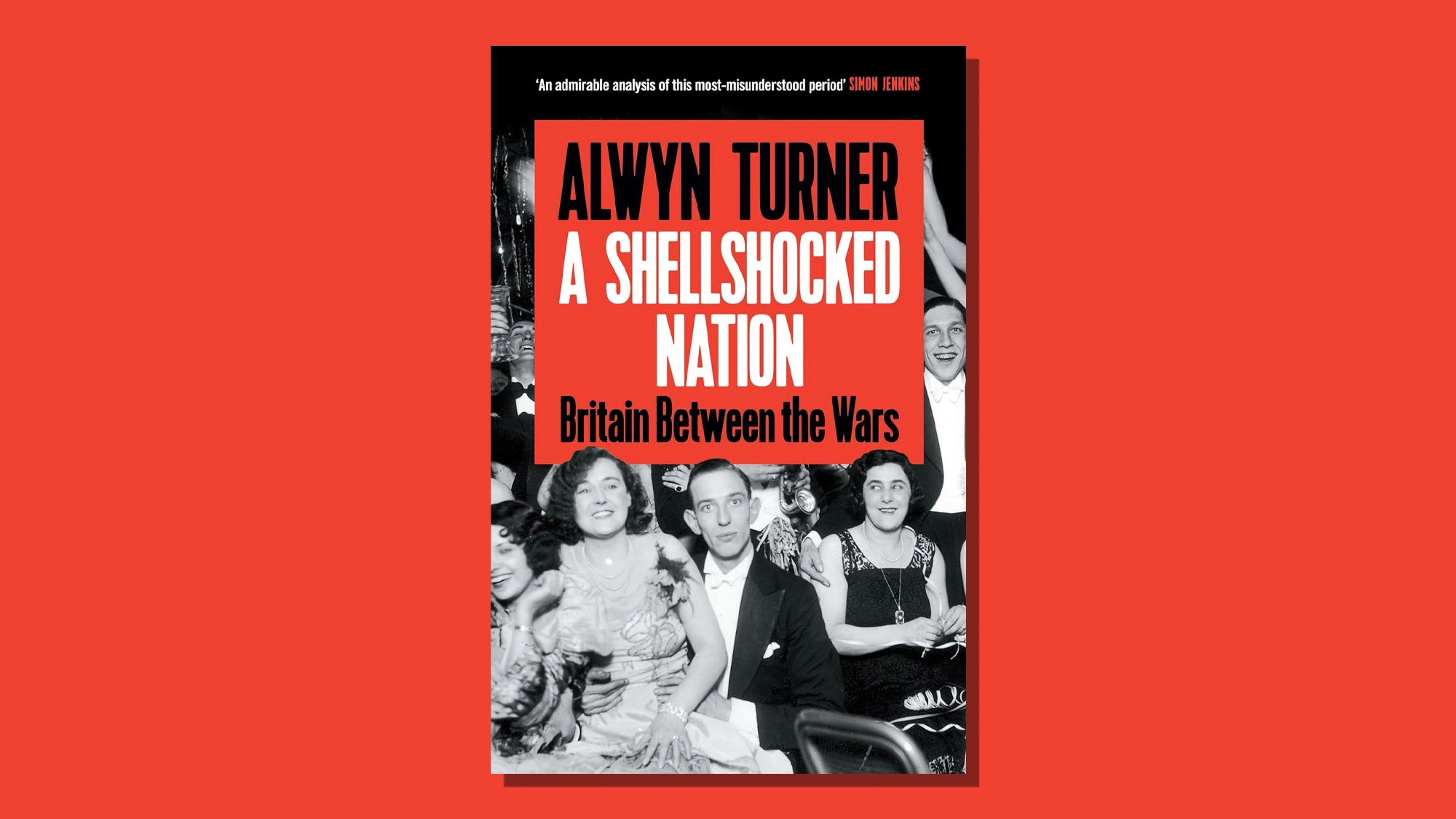
A tall, rumpled figure, he spoke in a plummy English accent but dressed in a kurta, smoked cheroots and was fluent in Hindi. His reports – rebroadcast in Hindi, Urdu, Tamil, Nepali and Bengali – often reached 50 million people in that pre-internet era, said The Times. He also wrote several books about India. His fans on the subcontinent called him Tully Sahib. “I owe everything to India,” he once said, “and if you asked me if I care more for England or India, I’d say India every time.”
Tully sensationally left the BBC in 1994, having been enraged by its then-director-general, John Birt, whom he accused of “turning the BBC into a secretive monolith with poor ratings and a demoralised staff”. However, he returned soon after to front “Something Understood”, a long-running Radio 4 series that explored spirituality and philosophy. He had married Margaret Butler in 1960. They had four children and he lived with her on his prolonged visits to London each year. In Delhi, he shared his home with a fellow journalist, Gillian Wright. It was “complicated”, he said. “I am able to have a meaningful relationship with two women, but both women suffer.” He was knighted in 2002. He also received the Padma Shri (1992) and the Padma Bhushan (2005) from the government of India.