The Week The Week
flag of US
US
flag of UK
UK
https://cdn.mos.cms.futurecdn.net/flexiimages/jzblygzdxr1769609154.gif

SUBSCRIBE

Try 6 weeks free

Sign in
  • View Profile
  • Sign out
  • The Explainer
  • Talking Points
  • The Week Recommends
  • Podcasts
  • Newsletters
  • From the Magazine
  • The Week Junior
  • More
    • Politics
    • World News
    • Business
    • Health
    • Science
    • Food & Drink
    • Travel
    • Culture
    • History
    • Personal Finance
    • Puzzles
    • Photos
    • The Blend
    • All Categories
  • Newsletter sign up Newsletter
  • Sunday Shortlist, from The Week
    A ‘must-see’ revival, and a ‘magically nimble’ love letter to Lagos

     
    THEATRE REVIEW

    Arcadia 

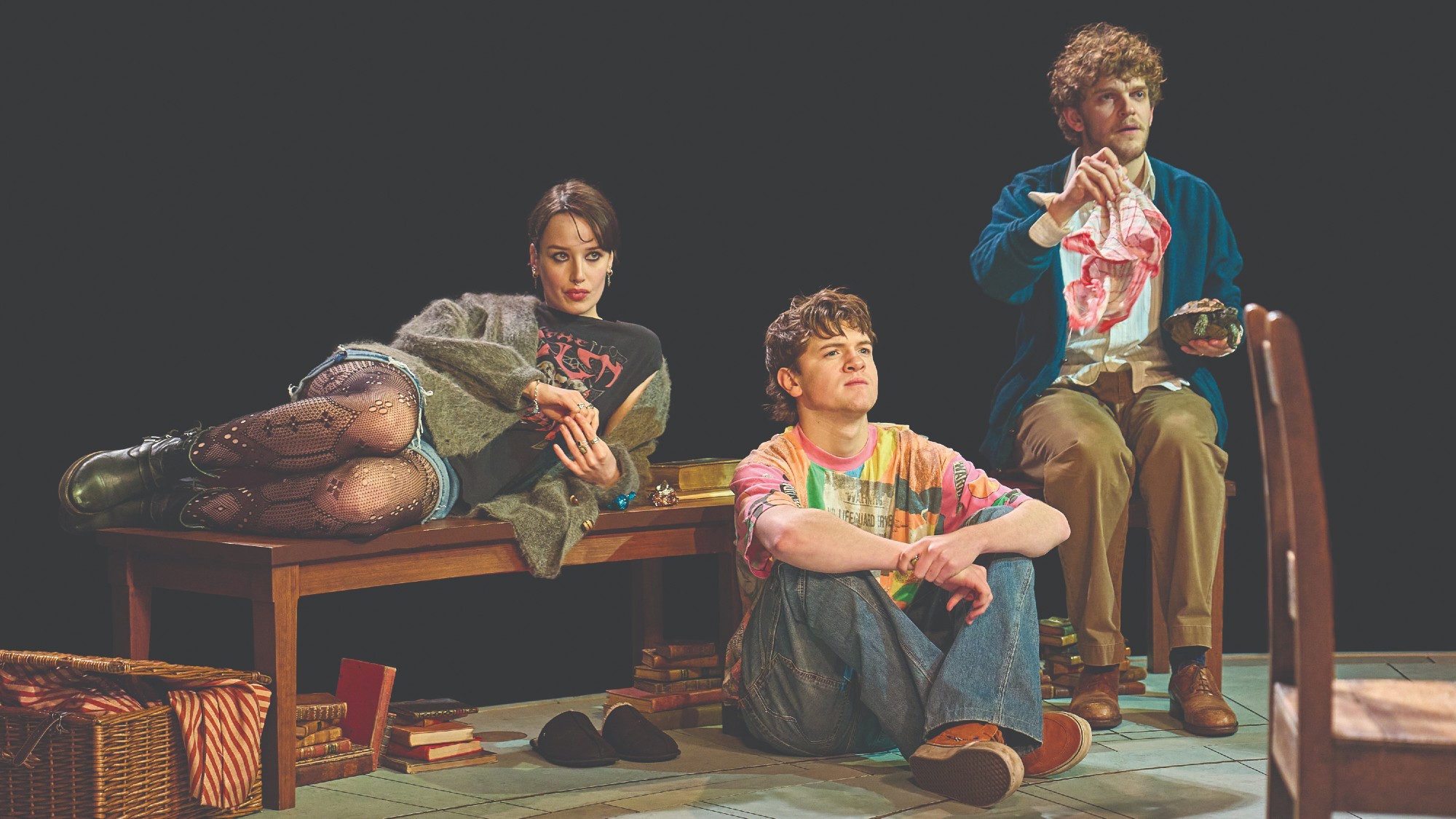
    Carrie Cracknell’s Tom Stoppard revival at the Old Vic ‘grips like a thriller’

    Tom Stoppard’s “teemingly intelligent” and “breezily witty” 1993 play “Arcadia” is often seen as his finest, said Nick Curtis in London’s The Standard. Unfolding in two separate timelines – 1809 and the 1990s – in the same room in a stately home in Derbyshire, it’s a “meditation on love, death and mathematics” that also encompasses poetry, landscape design, sex and more. Indeed, Arcadia “packs in more challenging matter than most writers would attempt in a lifetime” – but has the “seeming effortlessness of pure entertainment”. What a shame Stoppard, who died in November aged 88, didn’t live to see its “triumphant return”, said Dominic Cavendish in The
    Telegraph. Carrie Cracknell’s production is presented in the round, beneath two elliptical lighting rigs that suggest planets in orbit. This creates a sense of “magnified scrutiny” that “grips like a thriller”. It’s a “must-see” production of a “masterpiece”.

    Isis Hainsworth gives a “gorgeous” performance as Thomasina, the precocious teenager who, in 1809, is “buzzing with life, passion and intellectual brilliance”, said Sarah Hemming in the FT. And she is “beautifully matched” by Seamus Dillane as the tutor who slowly realises she has a mind and spirit to cherish. In the present day, said Sarah Crompton on What’s on Stage, the attraction between Prasanna Puwanarajah’s “odiously self- satisfied” academic Bernard and Leila Farzad’s gentler Hannah “registers less strongly. They seem a little self-consciously smart; the lines between them don’t always flex and fly.”

    I enjoyed this revival, but only up to a point, said Robert Gore-Langton in The Mail on Sunday. Some of the cast seemed a bit “daunted” by the in-the- round staging, and while the “play’s long, spooling speeches on science and physics” should feel “tantalisingly just beyond our reach, here [they] seem like downright hard work. Pay attention at the back!” Arcadia is so clever, it “can make your head hurt”, agreed Arifa Akbar in The Guardian. But this production has an “inbuilt exuberance and is invigoratingly realised. It’s like a complicated piece of algebra, exquisite in its difficulties, unsolvable to the end.”

    The Old Vic, London SE1. Until 21 March


    film REVIEW

    My Father’s Shadow

    Akinola Davies Jr’s ‘tender’ tale of two brothers in 1990s Nigeria

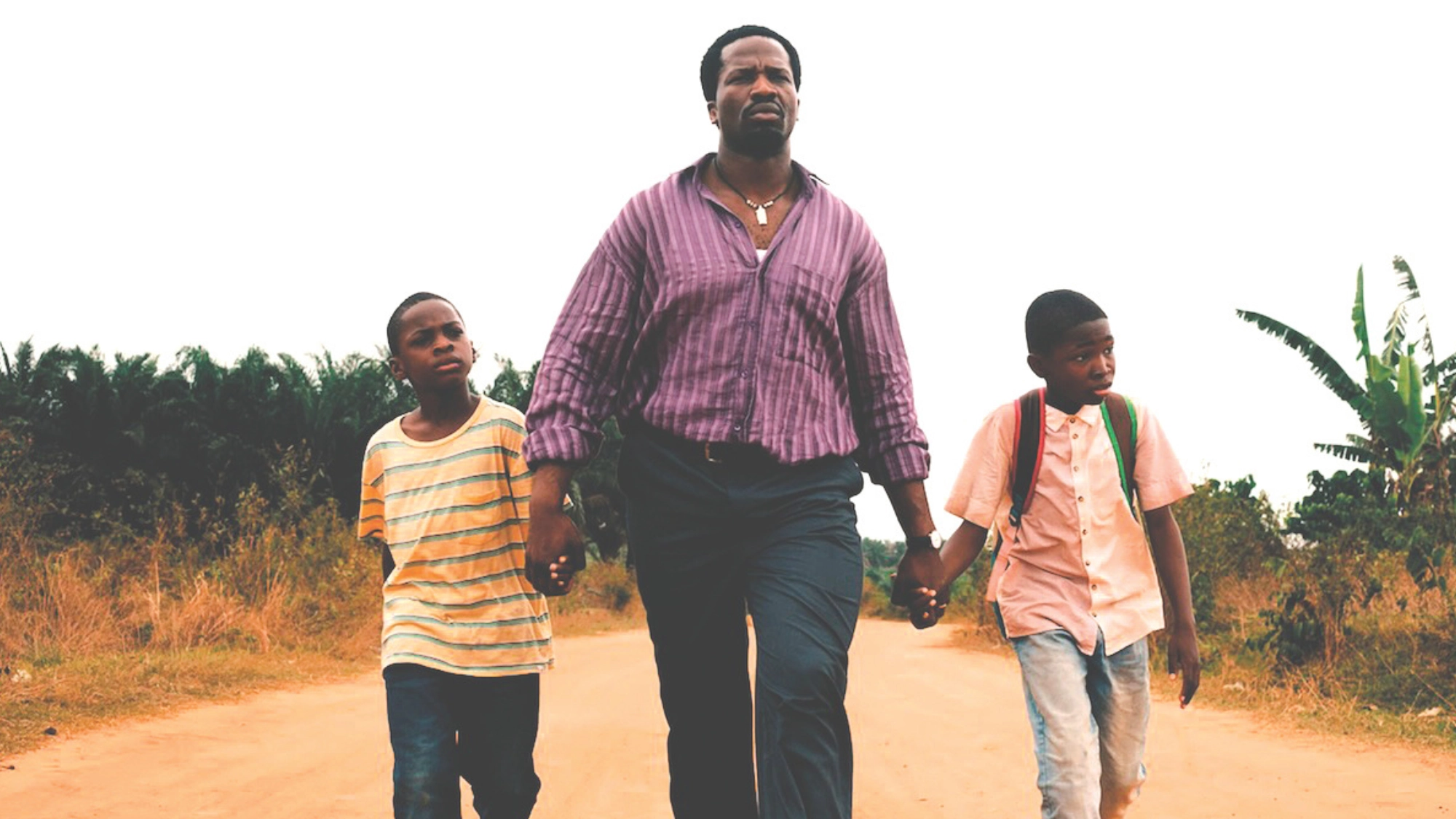
    A “coming-of-age film” with “inspired” casting, this Nigerian drama is set during that country’s turbulent 1993 presidential election, said Jonathan Romney in the Financial Times. 

    Mainly told over the course of one day, it opens with two boys aged eight and 11 (played by brothers Godwin Egbo and Chibuike Marvelous Egbo) mucking around at home, when their father (Sopé Dìrísù, known for TV’s “Slow Horses”), whom they barely know, turns up – and to their delight, takes them on a trip to Lagos.

    The film (in English, Yoruba and pidgin English) “is made in a mode that you might call Hallucinatory Realism: events and images flashing before the camera in the same rush that the boys experience them”. We get a “panorama of 1993 Lagos, but also fleeting, arresting details (ants on a cracked wall, sand-specked crabs on the beach)”. The overall effect is of a dream, and one “you want to experience again right away”.

    Director Akinola Davies Jr co-wrote the script with his brother, Wale Davies, said Thomas Page on CNN. Their father died young, and so they were never able to spend the day scampering around after him in Lagos. The result is a “sad, serious and tender” film that also feels like a “devastating act of wish fulfilment”.

    Yet the father here is more than just a “ghostly ideal”, said Tim Robey in The Telegraph. The way he interacts with his sons is just one of the highlights of a “magically nimble” film.


    BOOK OF THE WEEK

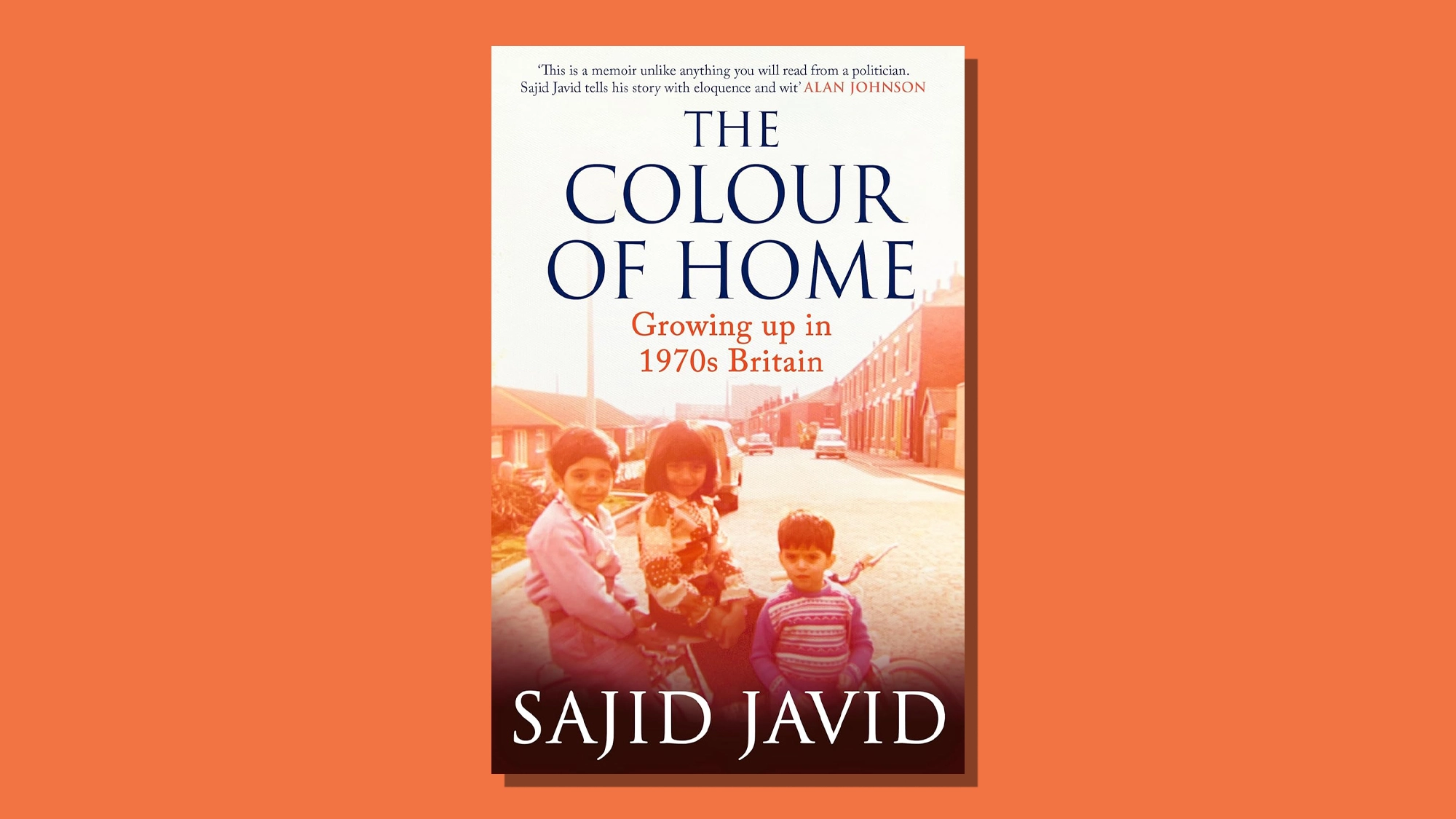
    The Colour of Home

    by Sajid Javid 

    From the outside, Sajid Javid has “led a charmed life”, said Tomiwa Owolade in The Telegraph. After 20 years as a banker, he spent 14 years in politics, rising to become home secretary and, briefly, chancellor. He was often tipped as a future prime minister. Yet we learn little of this trajectory in his memoir, which is focused on his childhood and tells a “tale of Britain in the 1970s and 1980s”, where racism was rife and education was an escape.

    I found it “surprisingly moving”, if at times frustrating, said Yasmin Alibhai-Brown in The i Paper. Javid was born to Pakistani immigrant parents in Rochdale – then a “mean, racist town”, where he learnt early on to look at the laces on the Doc Martens boots worn by the local skinheads: black laces denoted nothing to fear; red indicated a National Front supporter; yellow – the worst – meant the wearer “particularly hated Pakistanis”. Javid’s escape was education (he was the first member of his family to go to university) and love. He met his wife Laura, a “blonde beauty”, when he was 18, and married her in defiance of his parents’ wishes. Much of this book is genuinely “absorbing”, but there is a troubling “disconnect” between Javid’s childhood experiences and the “vehemently” anti-immigration policies he later pursued.

    “The prose is a bit ‘Jack and Jill’,” said Hanif Kureishi in The Guardian. The book “could have done with a sharp edit”. But what Javid does capture well is the “Dickensian” precariousness of his childhood: bailiffs at the door; the stock in his dad’s corner shop never selling. And the argument it advances about meritocracy is “more nuanced than Javid’s political slogans ever were”. A second volume, documenting his rise through the Tory party, “would be fun to read if he can be as honest about that as he is about his childhood”.


    OBITUARY

    Catherine O’Hara  

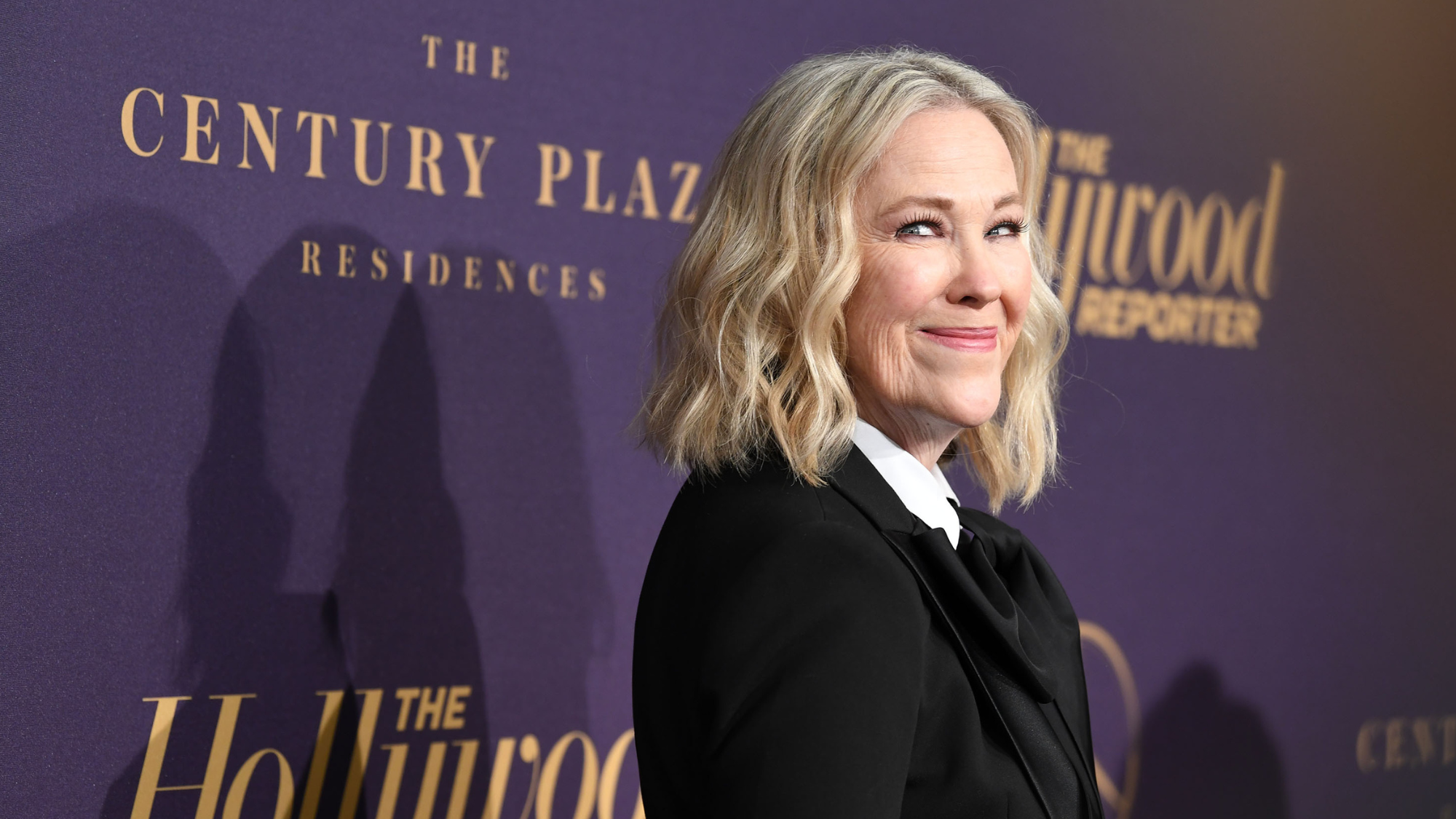
    Much-loved actress who won an Emmy for Schitt’s Creek

    “Kevin!” With that one word, delivered to camera, Catherine O’Hara cemented her place in cinema history as one of the screen’s most neglectful parents, said The Guardian. Her role in the 1990 box-office smash “Home Alone”, as the suburban mother who realises, mid-flight to Paris, that her youngest son (Macaulay Culkin) has been left behind, made her face familiar to millions. Many “Home Alone” fans were not aware, however, that O’Hara had already developed a gift for quirky comic roles, which later made her a star of independent cinema. So there was some excitement during lockdown when they realised that Kevin’s mother was now one of the stars of “Schitt’s Creek”, the Netflix hit about a rich couple and their spoiled adult children who lose their fortune and move to a rural backwater.

    As the self-centred but lovable ex-soap star Moira Rose, O’Hara wore a variety of outlandish wigs and had an affected accent that was “mystifyingly wayward”, said The Guardian. Her son David became “Dare-vid”, and “baby” was rendered “bare-bare”. The script, written by her friend Eugene Levy and his son Dan (who played her husband and son) also gave her some great one-liners. “What have I told you about putting your body on the internet?” Moira asks her daughter in one episode, before adding: “Never! Never without proper lighting!” For her sublime performance, she won both an Emmy and a Golden Globe.

    Catherine O’Hara was born in Toronto into a Catholic family where, she said, “laughing and being funny” was encouraged. Via her brother’s then-girlfriend, the actress Gilda Radner, she became involved in the Second City improv group, said The New York Times. There, she befriended Levy, among others, and when the troupe got its own TV sketch show, “Second City Television”, she became a star in Canada and won recognition in the US, too. Film roles followed, including in Martin Scorsese’s “After Hours” and Mike Nichols’ “Heartburn”. It was Tim Burton who elevated her to the A-list, said The Times, when he cast her in “Beetlejuice”. In one memorable scene, she had to dance like a deranged marionette to Harry Belafonte’s “Day-O”. Burton also set her up with the film’s production designer Bo Welch. She had taken a shine to Welch but had been too shy to ask him out. They married in 1992, and had two sons. She and Levy continued to work together in a series of Christopher Guest films beginning with “Waiting for Guffman” (1996), then in the mockumentaries “Best in Show” (2000) and “A Mighty Wind” (2003), and lastly in the comedy “For Your Consideration”, in 2006. By the time Levy co-created “Schitt’s Creek”, he and O’Hara had known each other for about 50 years.

    The success of “Schitt’s Creek” opened new doors. O’Hara had recently been nominated for a further Emmy for her role in the TV series “The Studio”, and in 2024 she was invited to the Oscars to hand out the award for hair and make-up. Paying tribute to its nominees, she noted that “the last thing we [actors] want is for anyone knowing what we really look like”. She had remained in touch with her on-screen son Culkin through the ups and downs of his adult life. She is survived by her husband and her actual sons.


    Image credits, from top:  Manuel Harlan; Mubi; Abacus; Amy Sussman / Getty
     

    Recent editions

    • Morning Report

      North London hit by ‘fast-spreading’ measles outbreak

    • Sunday Shortlist

      The ‘triumphant return’ of Tom Stoppard’s ‘masterpiece’

    • Saturday Wrap

      Student loans: an ‘aspiration’ tax?

    VIEW ALL
    TheWeek
    • About Us
    • Contact Future's experts
    • Terms and Conditions
    • Privacy Policy
    • Cookie Policy
    • Advertise With Us
    • FAQ
    Add as a preferred source on Google

    The Week UK is part of Future plc, an international media group and leading digital publisher. Visit our corporate site.

    © Future Publishing Limited Quay House, The Ambury, Bath BA1 1UA. All rights reserved. England and Wales company registration number 2008885.