Character actor described as ‘America’s Laurence Olivier’
Although he was sometimes cast in lead roles, Robert Duvall, who has died aged 95, was never regarded as a leading man. That his looks fell a bit short of “movie-star handsome” may have been a factor in this; but it was largely due to the way he disappeared into the characters he played. Whether it was the suave Mafia lawyer in “The Godfather”, the washed-up country music singer in “Tender Mercies”, or the tough military man at war with his own family in “The Great Santini”, Duvall was someone new in every film, said The New York Times. One director described his transformation into character as “uncanny”. Others likened him to Laurence Olivier.
Duvall had no time for the Method; he relied, he said, on observation, or “talking and listening”. He drove across Texas in search of accents for “Tender Mercies”. He spent time with hoodlums for the role of Tom Hagen in “The Godfather”. He was interested in authenticity, not showmanship – and he pursued it so single-mindedly, it led to explosive rows on set. “I don’t try to be a hard guy to work with,” he said in 1981. “But I decide what I’m going to do with a character. I will take direction, but only if it kind of supplements what I want to do.” The results could be electrifying. As the mad, surfing Lieutenant Colonel Bill Kilgore in Francis Ford Coppola’s Vietnam War epic “Apocalypse Now”, he delivered a line that has become one of the most famous in screen history: “I love the smell of napalm in the morning.” He was only onscreen in “Apocalypse Now” for 11 minutes, said The Times, but he made them “the most memorable 11 minutes of the entire film”.
Robert Duvall was born in San Diego in 1931. His mother was an amateur actress; his father was a rear admiral in the US navy. He had a peripatetic childhood, but mainly grew up in Maryland. After leaving Principia College, Illinois, he served for a short time in the US army – but he knew by then that he wanted to be an actor. In 1955, he moved to New York, where he trained at the Neighborhood Playhouse alongside Dustin Hoffman and Gene Hackman, who became his flatmates and lifelong friends. Duvall started to pick up theatre roles in the late 1950s, and TV work followed; he made his film debut in 1962, as Boo Radley, the reclusive oddball who saves the lives of Atticus Finch’s children in “To Kill a Mockingbird”.
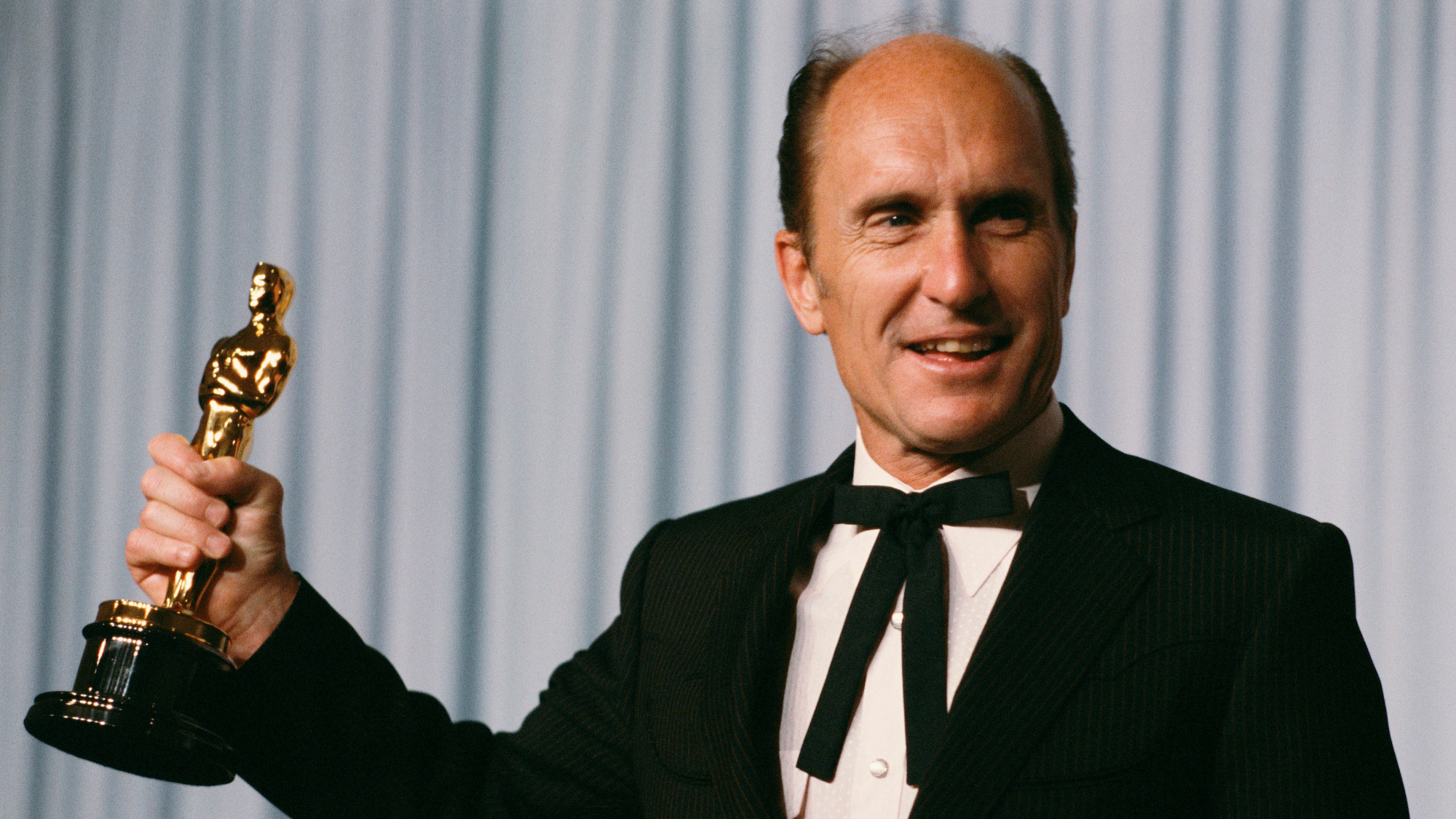
Other roles followed, in films including “Bullitt” and Robert Altman’s “Countdown”. On the set of “True Grit”, John Wayne was so incensed by Duvall’s arguments with the director, he threatened to punch him. While making “The Godfather”, by contrast, he and James Caan started an epidemic of mooning. He worked with Coppola several times (he appears uncredited in 1974’s “The Conversation”) but declined to return for “The Godfather Part III”, complaining that the fee he’d been offered was a fifth the size of Al Pacino’s. He was nominated seven times for Oscars, and won in 1984 for “Tender Mercies”, for which he co-wrote and performed the songs. In 1997 he wrote, directed and starred in “The Apostle”, about a charismatic preacher. However, he said his favourite part was that of a rancher in the 1989 TV mini-series “Lonesome Dove”. Duvall was a Republican voter and a critic of what he called Hollywood’s “bleeding heart” liberalism; nevertheless, he remained in demand. In 2015, he became the oldest actor ever to be nominated for a best supporting actor Oscar, for “The Judge”. Duvall’s first three marriages ended in divorce. He is survived by his fourth wife, Luciana Pedraza. They met in Buenos Aires, where he had gone to pursue his love for the tango, and married in 2005. He had no children.