The Week The Week
flag of US
US
flag of UK
UK
https://cdn.mos.cms.futurecdn.net/flexiimages/jzblygzdxr1769609154.gif

SUBSCRIBE

Try 6 weeks free

Sign in
  • View Profile
  • Sign out
  • The Explainer
  • Talking Points
  • The Week Recommends
  • Podcasts
  • Newsletters
  • From the Magazine
  • The Week Junior
  • More
    • Politics
    • World News
    • Business
    • Health
    • Science
    • Food & Drink
    • Travel
    • Culture
    • History
    • Personal Finance
    • Puzzles
    • Photos
    • The Blend
    • All Categories
  • Newsletter sign up Newsletter
  • Sunday Shortlist, from The Week
    An ‘incredible’ display of acting talent and a ‘refreshing’ podcast

     
    THEATRE REVIEW

    Summerfolk

    National Theatre production hits the ‘perfect fast-revolving pace’

    In Robert Hastie’s “glorious revival” of Maxim Gorky’s tragi-comedy “Summerfolk”, the new regime at the National has its first “bona fide hit”, said Clive Davis in The Times.

    Written in 1904, the play is a sprawling, plot-light affair with no fewer than 23 characters. In its approach and setting, it has echoes of Chekhov. But Gorky made his focus not the landed gentry on their estates, but the newly prosperous middle classes – “pre-revolutionary strivers” who are flirting and moping through a long summer in dachas that were built, perhaps, where the old cherry orchards had stood. And whereas the “good doctor” generated only “quizzical smiles”, Gorky delivers “earthy laughter” along with the pathos.
    This production is “rich in period detail”, but the modern turns of phrase in Nina and Moses Raine’s adaptation “conjure up visions of 21st-century families bickering over what to watch on Netflix in a Tuscan Airbnb”.

    The effect is “like Chekhov made explicit”, said Sarah Crompton on What’s on Stage. “All his references to sex, repression, the changing times, are here emphasised and elaborated as the characters fall in love, get bored, get angry, get drunk.” The play is “staggeringly wordy” (though this version is 40 minutes shorter than the last major staging in London in 1999), so the humour is welcome.

    It takes a fine cast to make this work, and you won’t find a better one, said Dominic Maxwell in The Sunday Times. There is an “incredible” display of acting talent here. The sheer number of people wandering onto the stage does make the first half tricky: you wish they had name badges, the better to keep tabs on who is who; but the second half “finds the perfect fast-revolving pace of Chekhovian wit and wisdom, love and loss”.

    Gorky’s critics complained that his characters lacked depth, said Dominic Cavendish in The Telegraph. These actors make us care, “in some cases sensationally so”. It is a “drawback” that the script is loaded with “distracting” modern vernacular and swearing. But go if you can. “Summerfolk” is so costly to stage, “it’ll be a generation before it’s back”.

    Olivier, National Theatre, London SE1. Until 29 April


    FILM REVIEW

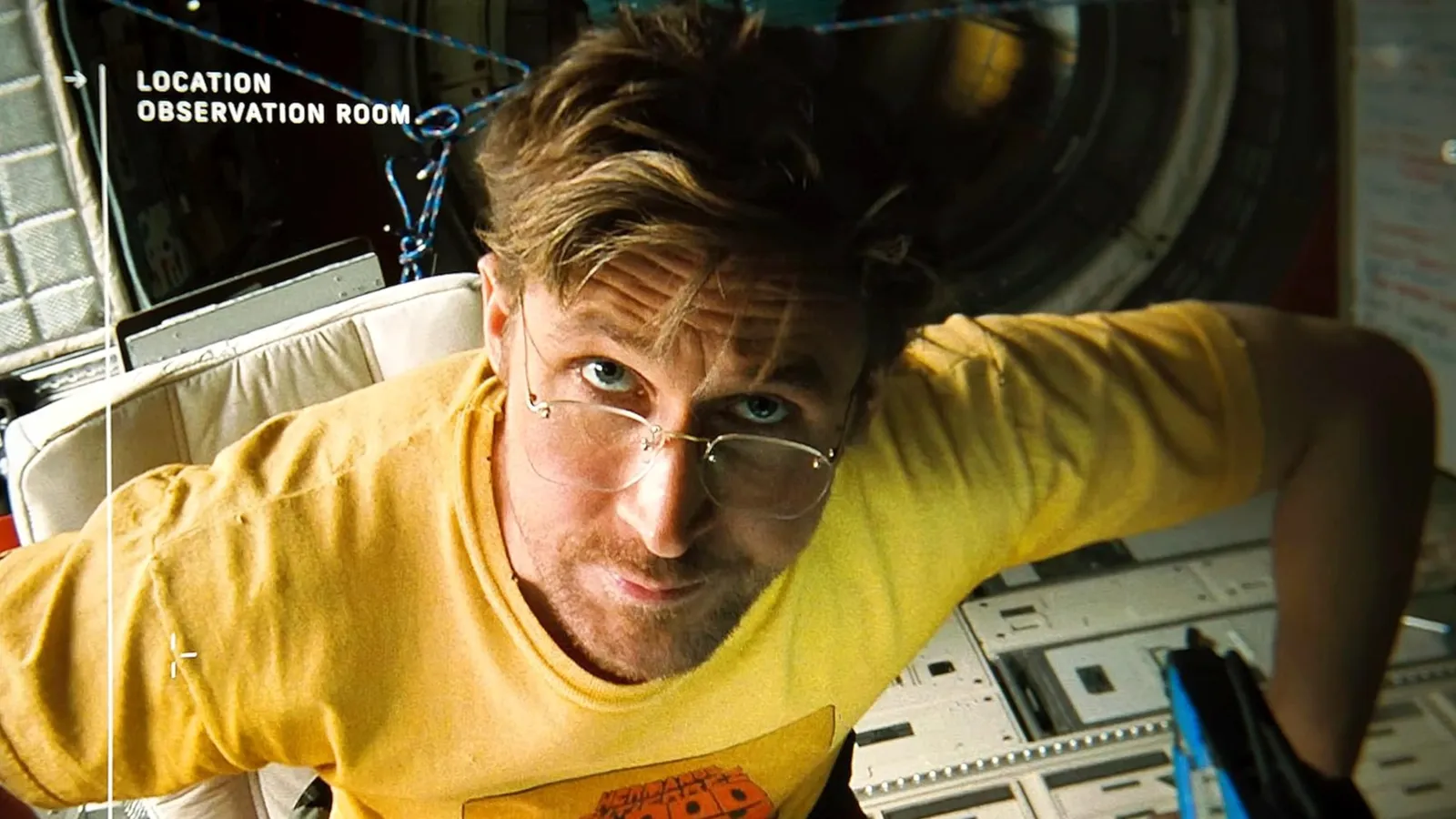
    Project Hail Mary: Ryan Gosling on ‘charisma overdrive’ 

    Actor plays a science teacher on a mission to save human life

    This sci-fi film (from the team behind “The Lego Movie”) tugs at the heartstrings, while also delivering “galactic” levels of good cheer, said Jonathan Romney in the Financial Times.

    Adapted from a novel by Andy Weir (who also wrote “The Martian”), it stars Ryan Gosling as Dr Ryland Grace, a molecular biologist turned schoolteacher who comes round from an induced coma to find himself stranded on a spaceship 15 light years from Earth, with no memory of how he got there.
    Through a series of flashbacks, however, we gradually learn that he ended up on the Hail Mary mission after joining a taskforce to prevent the Sun from being destroyed by highly heat-resistant alien microbes. As Dr Grace battles to fulfil this mission to save life on Earth, he befriends a perky alien critter named Rocky.

    The film isn’t wildly original, said Robbie Collin in The Telegraph: it’s “essentially ‘Interstellar’ recast as a buddy movie”. But it is gorgeous to look at, with wonderfully “tactile” visual effects, and the story is pretty involving.
    It suffers from too many false endings, said Kevin Maher in The Times, but Gosling is on “charisma overdrive” and powers it “to the highest-possible entertainment orbit”.

    I’m afraid I found it “a bore”, said Brian Viner in the Daily Mail, not helped by the fact that it runs to a “bladder-challenging” two-and-a-half hours. The cutesy alien seems to have wandered in from another film (perhaps “Guardians of the Galaxy”), and essential elements just don’t ring true. For instance, we are told that Gosling’s character was selected for the mission because he had no friends or lover at home who’d miss him. Yet he is “affable and witty”, and he looks like Ryan Gosling. It makes no sense.


    BOOK OF THE WEEK

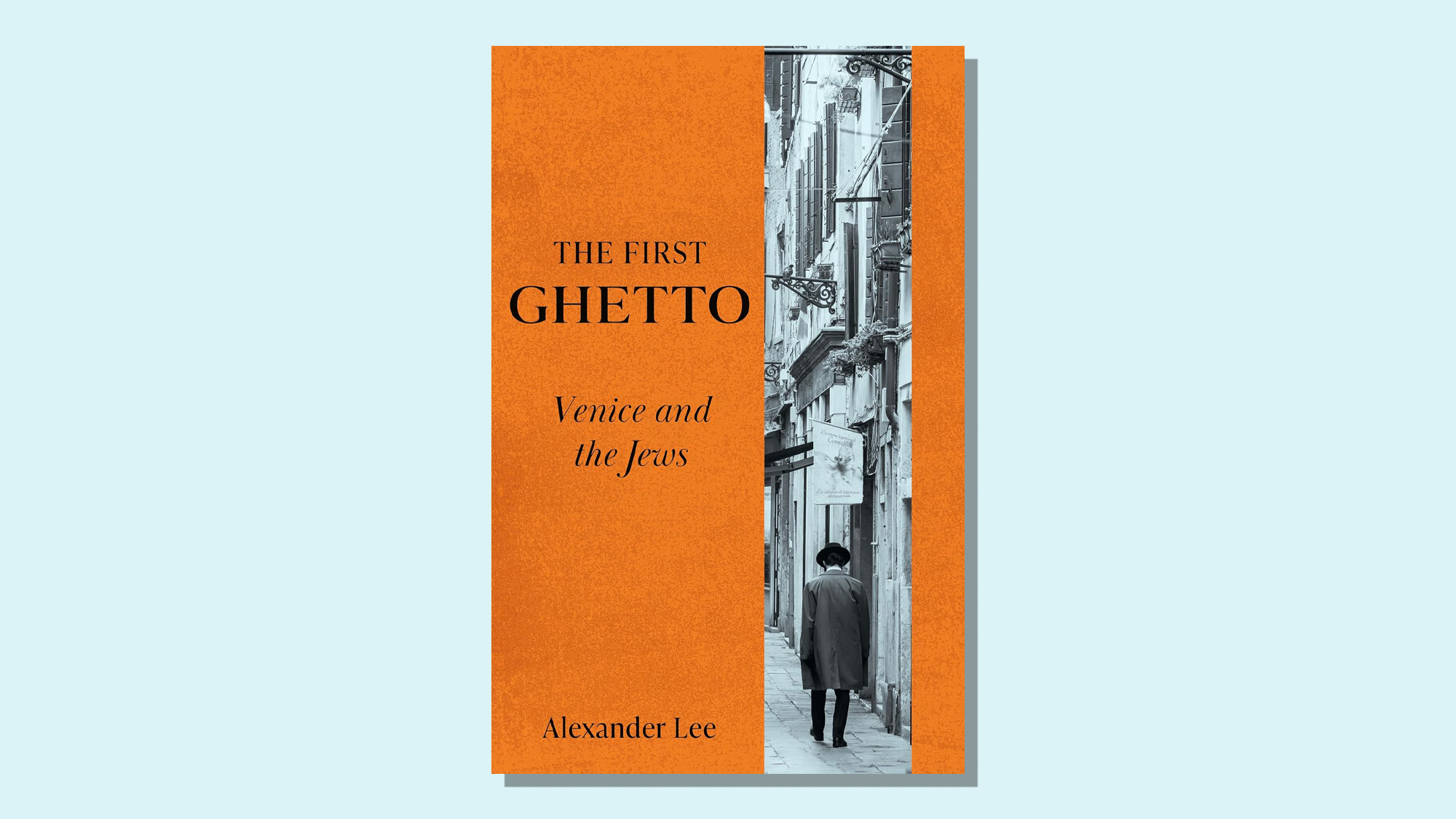
    The First Ghetto

    by Alexander Lee 

    The word “ghetto” has long been associated with “cruelty, poverty and prejudice”, said Gerard DeGroot in The Times. But it has an innocent origin. The word arose from geto nuovo, meaning “new foundry”, a small island in the Cannaregio district of Venice. The area, once a copper foundry, was selected in 1516 as a living quarter for the city’s 500 or so Jews – a group who were reviled yet “embarrassingly indispensable”, because they were willing to act as moneylenders, an occupation forbidden to Christians. The first Jews had arrived in Venice in the late 14th century – mostly refugees from persecution – and ever since, as Alexander Lee explains in this “fascinating book”, the city had found ways to “reconcile religious prejudice with pressing economic needs”. Previously, Jews had been ordered to wear yellow badges and yellow hats; but this had not allayed fears of “contamination”. So a “more radical solution” was agreed upon: confining all the city’s Jews within Ghetto Nuovo. In charting the ghetto’s history, from the 1500s to the present day, Lee has written an “engrossing tale of cruel prejudice and resilience”.

    At first, the ghetto consisted of a few “shoddily constructed houses”, with “as many as five Jewish families” crammed in each, said Frances Wilson in The Telegraph. Yet it evolved into something very different. The guarded gates that confined Jews within the ghetto also made it a “safe haven”, protecting them not only from persecution, but from infection in times of plague. As housing and infrastructure improved, there was an “influx of Levantine and German Jews”. Soon, a second settlement – Ghetto Vecchio – was established, and the two ghettos became “self-sustaining worlds, with synagogues, tailors, barbers, hat makers, kosher butchers, wood carvers”. By 1630, Lee observes, Venice had become “the best place in the world to be a Jew”.

    Predictably, it didn’t stay that way, said Jonathan Keates in Literary Review. The Republic’s decline – through a combination of war, plague and competition from new trade routes – caused “Gentile resentments to resurface”. Jews were blamed by “cash-strapped patricians” whenever bad harvests caused prices to rise. The Republic’s collapse in 1797 led to a period of greater equality; but under Mussolini, the ghetto became “re-ghettoised”, and this culminated in “inevitable round-ups” after the Nazis occupied the city in 1943. Lee’s “splendid” book is the “most extensively researched” yet written on this subject; and given its “resourcefulness and variety of detail”, it will be “hard to rival”.


    OBITUARY

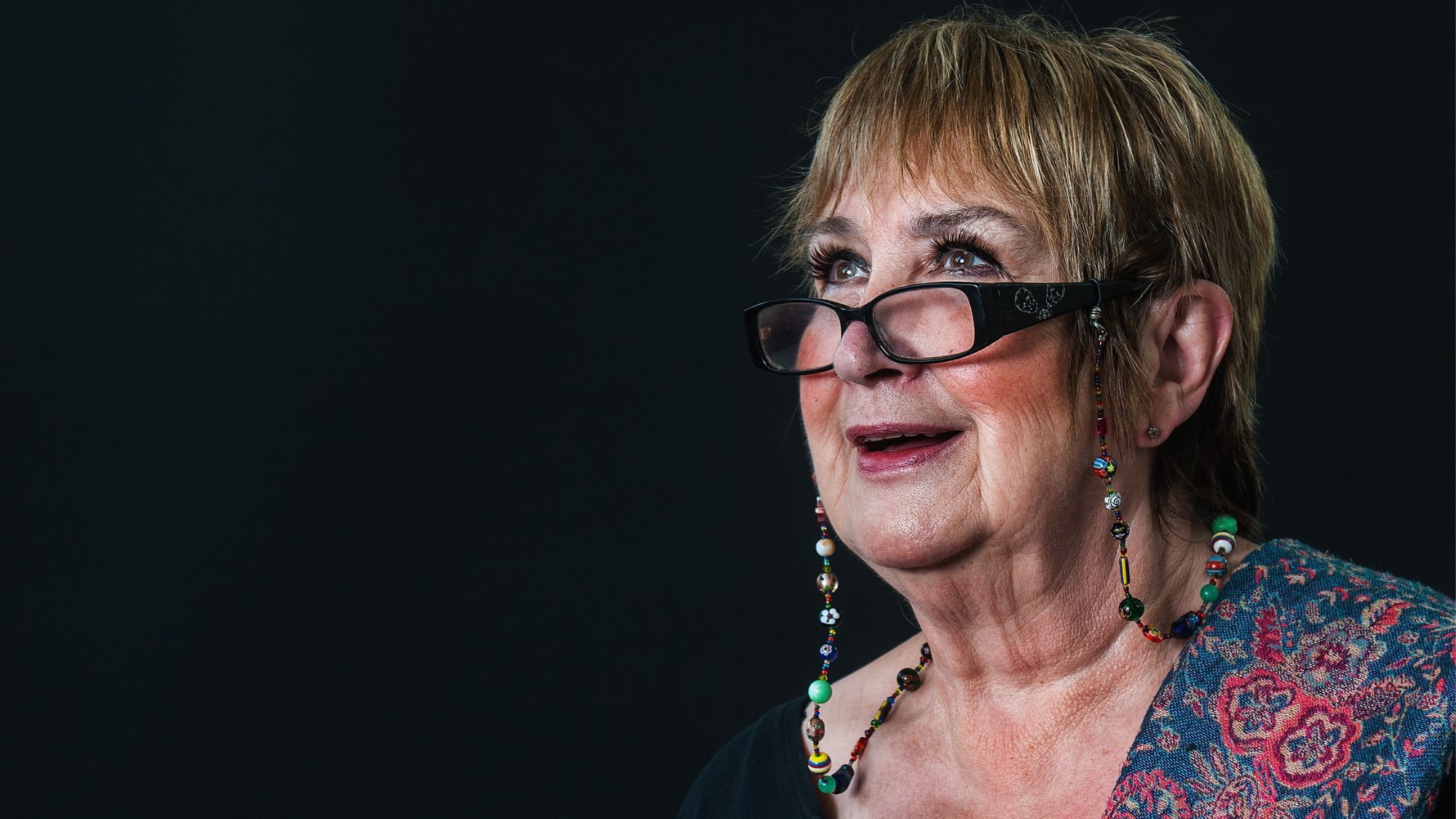
    Jenni Murray

    Fearless presenter of ‘Woman’s Hour’ for 33 years

    When “Woman’s Hour” began, in the 1940s, the Radio 4 programme featured housekeeping tips and romantic serials, said The Guardian. By the time Jenni Murray took over, in 1987, it had become a platform for serious debate too, on issues ranging from domestic violence to equal pay. Humorous and warm but also razor sharp, Murray, who has died aged 75, was equally at home discussing home furnishings and female genital mutilation, said The Telegraph. With a rare talent for drawing people out, she was sensitive to those who had come on air to discuss tragedies and traumas, but politicians found her well prepared, tough and fearless. Famously, Murray asked Edwina Currie when she’d last had a smear test, Gordon Brown whether he had shown his wife his tax return, and Hillary Clinton why she had stayed in her marriage, after the Lewinsky affair. Yet people queued up to be interviewed by her. Indeed, Margaret Thatcher gave “Woman’s Hour” her last major interview before her resignation.

    Jenni Bailey was born in Barnsley in 1950. Her father was an electrical engineer; her mother had been a civil servant, but had given up work when she started a family. When she was a child, she was sent to speech and drama lessons, where she lost her Yorkshire burr. Later, her warm, silky tones were much admired: the broadcaster Charles Wheeler said she had the “most beautiful voice on radio, ever”. After leaving Barnsley Girls’ High School, she went to the University of Hull where she met Brian Murray, who became her first husband. She began her career at BBC Bristol radio in 1973. After a few years on regional TV, she got a job at “Newsnight”. She returned to BBC Radio as a presenter of “Today” before taking over at “Woman’s Hour”. By then, she had divorced Murray and had two children with David Forgham, a Naval officer. Having spent years juggling small children with a busy job, she once demanded of Mrs Thatcher why she had so little interest in childcare provision, said The Times. In 1990, Forgham left the Navy and took on the day-to-day parenting. Not long after, Murray caused a furore when she described marriage as a trap for women. She and Forgham eventually tied the knot in 2002, but Murray insisted that they’d done so mainly for tax reasons.

    On “Woman’s Hour”, where 40% of her audience was male, and in her books and journalism, Murray often discussed her own experiences – of motherhood, menopause, weight-loss surgery and ill health: she was diagnosed with breast cancer in 2006. “Life is copy,” she said, quoting Nora Ephron. In 2017, she wrote an article for The Sunday Times headlined, “Be trans, be proud, but don’t call yourself a ‘real woman’”, in which she argued that trans women should not expect entry to all women-only spaces. It provoked a massive backlash. She was subjected to a torrent of abuse, and the BBC ordered her not to lead any more debates on the subject. When she left “Woman’s Hour” in 2020 – after 33 years at the helm – it was to the tune of “I Am Woman”.
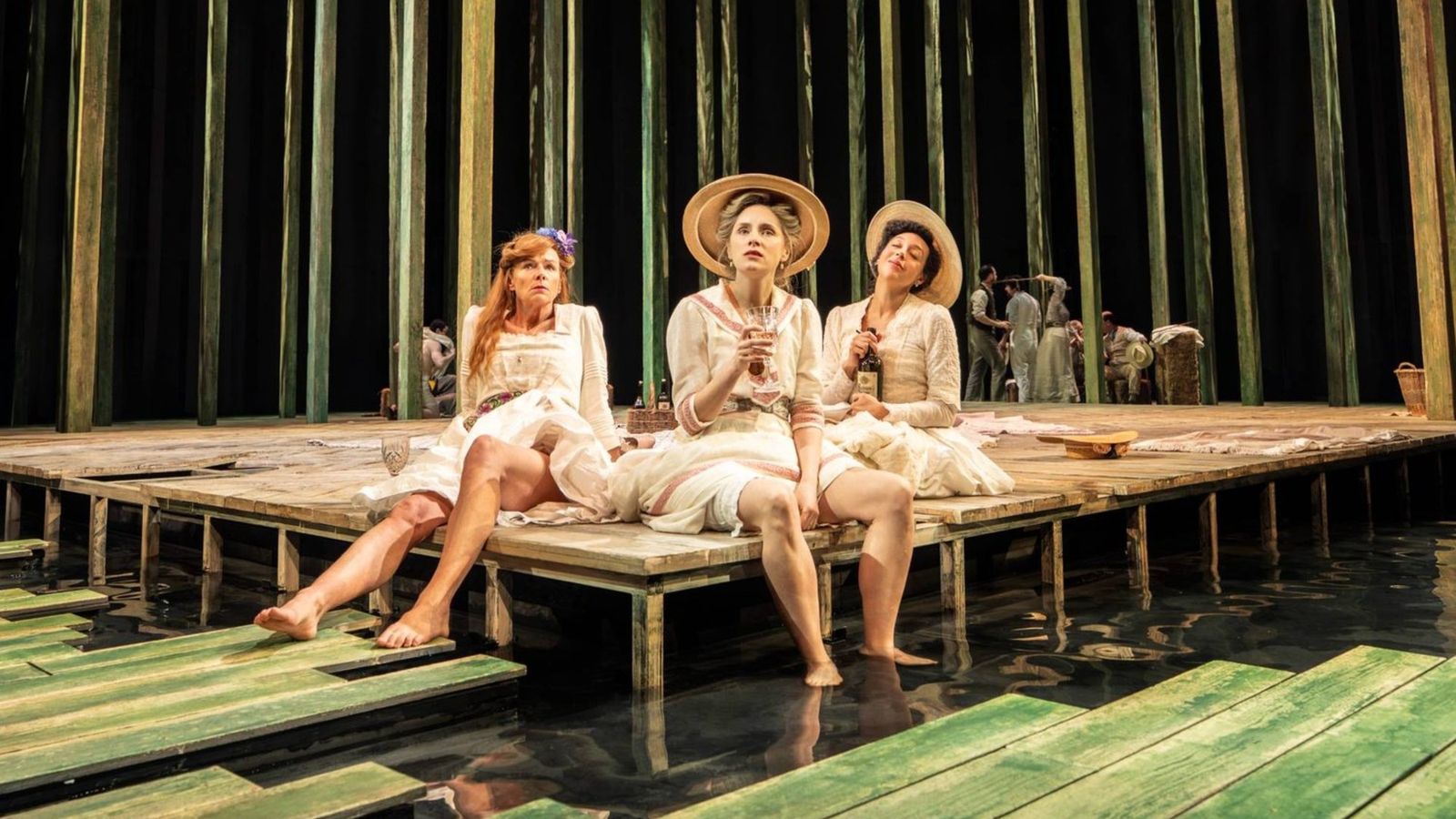


    Image credits, from top: Johan Persson / National Theatre; Amazon MGM Studios; Picador; Simone Padovani / Awakening Contributor / Getty Images
     

    Recent editions

    • Saturday Wrap

      Meningitis: was the response too slow?

    • Evening Review

      Big Tech’s ‘Big Tobacco’ moment

    • Morning Report

      Trump delays Iran strike deadline again

    VIEW ALL
    TheWeek
    • About Us
    • Contact Future's experts
    • Terms and Conditions
    • Privacy Policy
    • Cookie Policy
    • Advertise With Us
    • FAQ
    Add as a preferred source on Google Add as a preferred source on Google

    The Week UK is part of Future plc, an international media group and leading digital publisher. Visit our corporate site.

    © Future Publishing Limited Quay House, The Ambury, Bath BA1 1UA. All rights reserved. England and Wales company registration number 2008885.