The Week The Week
flag of US
US
flag of UK
UK
https://cdn.mos.cms.futurecdn.net/flexiimages/jzblygzdxr1769609154.gif

SUBSCRIBE

Try 6 weeks free

Sign in
  • View Profile
  • Sign out
  • The Explainer
  • Talking Points
  • The Week Recommends
  • Podcasts
  • Newsletters
  • From the Magazine
  • The Week Junior
  • More
    • Politics
    • World News
    • Business
    • Health
    • Science
    • Food & Drink
    • Travel
    • Culture
    • History
    • Personal Finance
    • Puzzles
    • Photos
    • The Blend
    • All Categories
  • Newsletter sign up Newsletter
  • Sunday Shortlist, from The Week
    An ‘unnerving’ film and a ‘magnificent’ tragicomic satire

     
    FILM REVIEW

    Rose of Nevada   

    Mark Jenkin’s ‘almost biblical tale of sacrifice and loss’

    It is “hard not to love” the Cornish auteur Mark Jenkin, said Kevin Maher in The Times. That isn’t just because he is a “one-man film industry” who writes, directs and edits his own work. Nor is it because of his remarkable signature style, which involves shooting on a hand-cranked 16mm Bolex camera, then hand-processing the stock to make it scratched and grainy, before adding “deviously complicated” sound design in post-production. The result is films – such as 2019’s “Bait” – that feel as if they were found in a rusted biscuit tin in a Cornish attic. “No, I love Jenkin because his films represent a startlingly distinctive expression of a certain English, indeed Cornish, identity – one seemingly lost yet cherished, fading from memory yet vitally present if only as a troubling recurring dream.”

    This “terrifically atmospheric” drama opens in a decaying fishing village in the 2020s, said Deborah Ross in The Spectator. One day a trawler appears in the harbour. It is the Rose of Nevada, a boat that was lost 30 years earlier. The owner is mystified, but decides to put it back to use, so he hires two hands (George MacKay and Callum Turner) and sends them out with an old sea dog (Francis Magee). The trio catch an abundance of fish, but something is not right, and when they bring their haul in, they find the village not in their own time, but in 1993 – when it was thriving. Yet more weirdly, the younger men are greeted as though they are the boat’s original deckhands. One of them accepts this new reality; the other is desperate to get back to his young family in the present. An “almost biblical tale of sacrifice and loss”, the film is as “moving as it is unnerving”, said Rafa Sales Ross on Little White Lies. By the end, you will feel “quietly stunned” by Jenkin’s ethereal creation.


    THEATRE REVIEW

    The Resistible Rise of Arturo Ui 

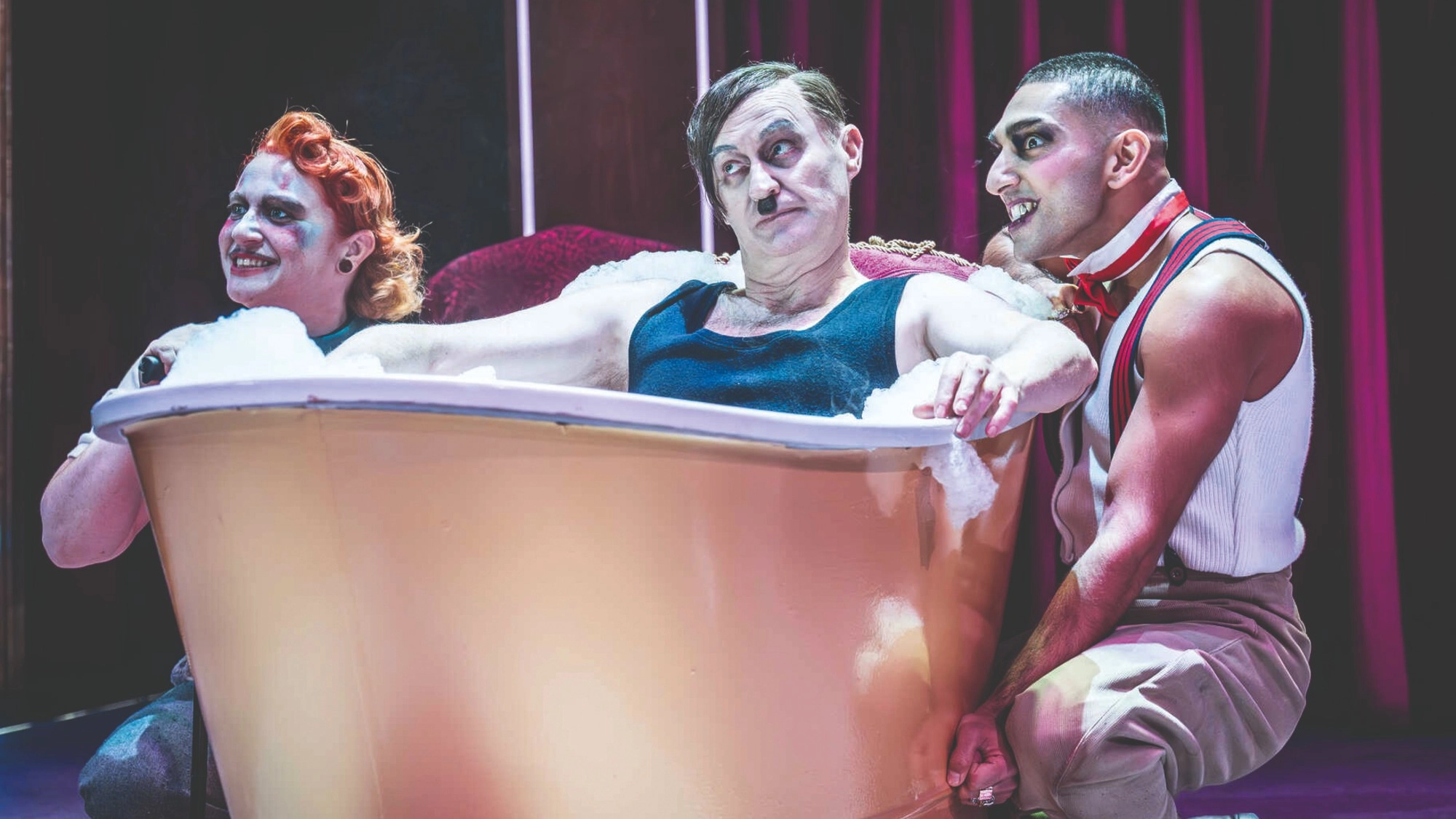
    Mark Gatiss is ‘hypnotic’ in Bertolt Brecht’s parable about Hitler’s rise to power

    Bertolt Brecht’s “The Resistible Rise of Arturo Ui” is a “slight play, perennially unloved”, said Houman Barekat in The New York Times. But when it is staged with conviction and daring theatrical élan – as in this terrific revival at the RSC – it works a treat.

    Written in 1941, but not performed until 1958, it is a parable about Hitler’s rise to power, set in Chicago, where gangsters are operating a vegetable racket. Director Seán Linnen has imbued his staging with a “lurid, burlesque aesthetic, blending menace and absurdism”. And as Ui, the small-time racketeer who bribes and bullies his way to ascendancy, Mark Gatiss is skin-crawlingly brilliant, said Dominic Cavendish in The Telegraph. He delivers a truly “hypnotic” performance.

    When this play was last revived in the UK in 2017, with Lenny Henry in the lead role, it really “hammered home” the parallels with the rise of Donald Trump, said Arifa Akbar in The Guardian. Mercifully, there is almost none of that here. Just once, Gatiss slips into Trump’s distinctive tones – and though he earns “sniggers of recognition”, the moment “feels redundant”. “You have already made the connection to the comic grotesquery of our current world.” It is “the smallest of blips in an otherwise magnificent” production.

    Brecht’s plays can so easily “tip into wooden didacticism”. But this spectacular, high-octane staging – with music by Placebo adding a “thumping rock’n’roll energy” to the circus-like proceedings – is seductive and menacing. Brecht’s play has been likened to Charlie Chaplin’s “The Great Dictator”, and there is something decidedly “Chaplinesque” in Gatiss’ unnerving transition from the “tragicomic” to the “truly terrifying”.

    This is not the kind of show where you can pat yourself on the back for “getting it”, said Dominic Maxwell in The Times. Linnen’s “carnivalesque” revival really leans into the “awful charade of it all”. It benefits from a fine supporting cast, who have “fun with the gangsterisms”, and excellent design from Georgia Lowe. As for the terrific Gatiss, wait for his last line – a chilling point, powerfully made.

    Swan Theatre, Stratford-upon-Avon. Until 30 May


    ALBUM REVIEW

    Ella Langley: Dandelion

    “In case you’d missed the memo, country music is having a moment,” said Kayleigh Watson on NME. In the past two years, global stars like Beyoncé and Post Malone have hitched their wagons to the Nashville sound, and country’s share of the UK singles market has doubled, reflecting a “growing enthusiasm for all things Americana”. Leading the pack of next-generation talents is Ella Langley, a 26-year-old Alabama native whose “infectious, irresistible” second album, “Dandelion”, is cementing her status as a major star (the lead single, “Choosin’ Texas”, has already spent seven weeks at the top of the Billboard Hot 100). This is a “saloon-door-slammer of a country classic” album, from an “old-school songwriter with a great, straight-shootin’ voice”, said Helen Brown in The Independent. “It recalls peak Shania Twain in its ability to bounce from fun to heartbreak.” The songs “lean so heavily on the standard bar-room furniture of the genre” that they teeter towards the formulaic. But Langley’s “craftswomanship and intentional delivery” stop her “slipping into cliché”.


    BOOK OF THE WEEK

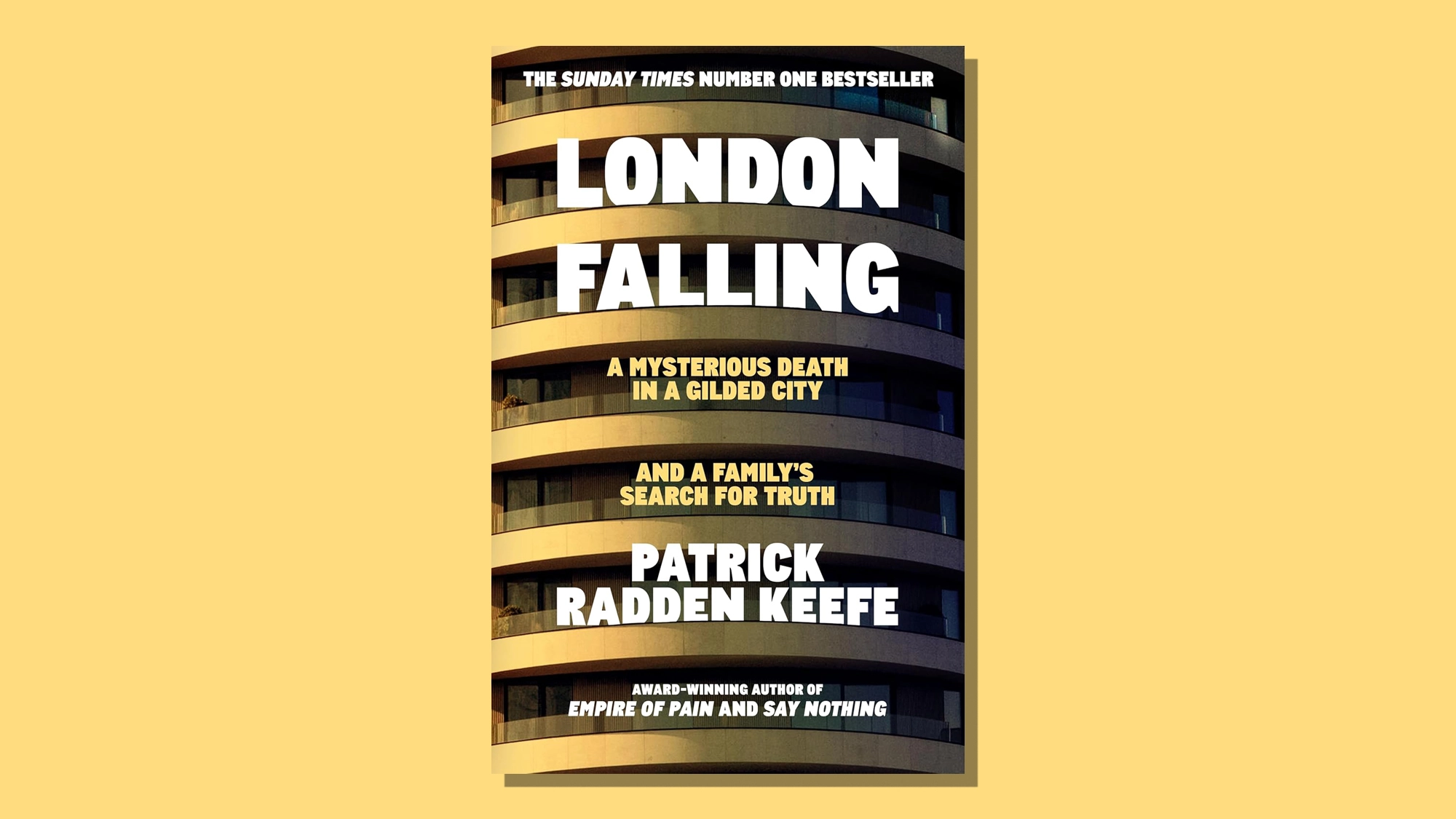
    London Falling  

    by Patrick Radden Keefe 

    In the small hours of 29 November 2019, a young man was captured on CCTV jumping from a fifth-floor flat on Millbank on the Thames. His body struck the embankment wall on the way down, and he drowned in the water below. It emerged that he was 19-year-old Zac Brettler, a former public schoolboy from Maida Vale known for telling “tall stories”, said Ian Thomson in The Guardian. That night, he’d been in the apartment with “gangland debt collector” Verinder Sharma, and another associate, a cryptocurrency and real estate trader named Akbar Shamji. There was evidence that the two men, who’d befriended Brettler weeks earlier, had assaulted him shortly before his death – though neither was charged by police, who concluded that the death was probably suicide.

    In this “scrupulously researched” and “page-turning” book, The New Yorker magazine journalist Patrick Radden Keefe revisits the case – and reaches a different conclusion. Opening a disturbing window onto Britain’s capital, with its dirty money and “Walter Mitty-like” fantasies of wealth, “London Falling” is a “grimly absorbing” work.

    Despite coming from a comfortable background, Brettler always “wanted more”, said Craig Brown in The Times. At his north London private school, he’d rubbed shoulders with the “offspring of dodgy oligarchs”, and envied “the way they would hire Ubers rather than walk a few minutes from dormitory to classroom”. He compensated by spinning fantasies: it emerged that when he’d met Sharma and Shamji, he’d posed as “Zac Ismailov, the son of an oligarch”, and had claimed he was about to come into a £200 million fortune. Radden Keefe suggests that this “bogus boast” is what sealed his fate – that when the pair discovered that he’d conned them, they lured him to the apartment to exact revenge. Brettler jumped, he thinks, in order to escape, believing he’d land directly in the water.

    Radden Keefe – best known for “Empire of Pain”, his exposé of the Sackler family’s role in the opioid epidemic – specialises in character-based narratives from which “wider moral themes emerge”, said Martin Vander Weyer in Literary Review. “London Falling” is at heart a “desperately sad family story”, but Radden Keefe overlays this with a “disturbing glimpse of London’s sinister, money-driven, exploitative underbelly”. There are a few minor slips: no Londoner would think of calling Park Lane “a short street”. Overall, however, this “impeccable” book is a “masterclass of evidence-chasing, narrative clarity and authorial empathy”.


    OBITUARY

    Desmond Morris 

    The insatiably curious scientist who wrote The Naked Ape

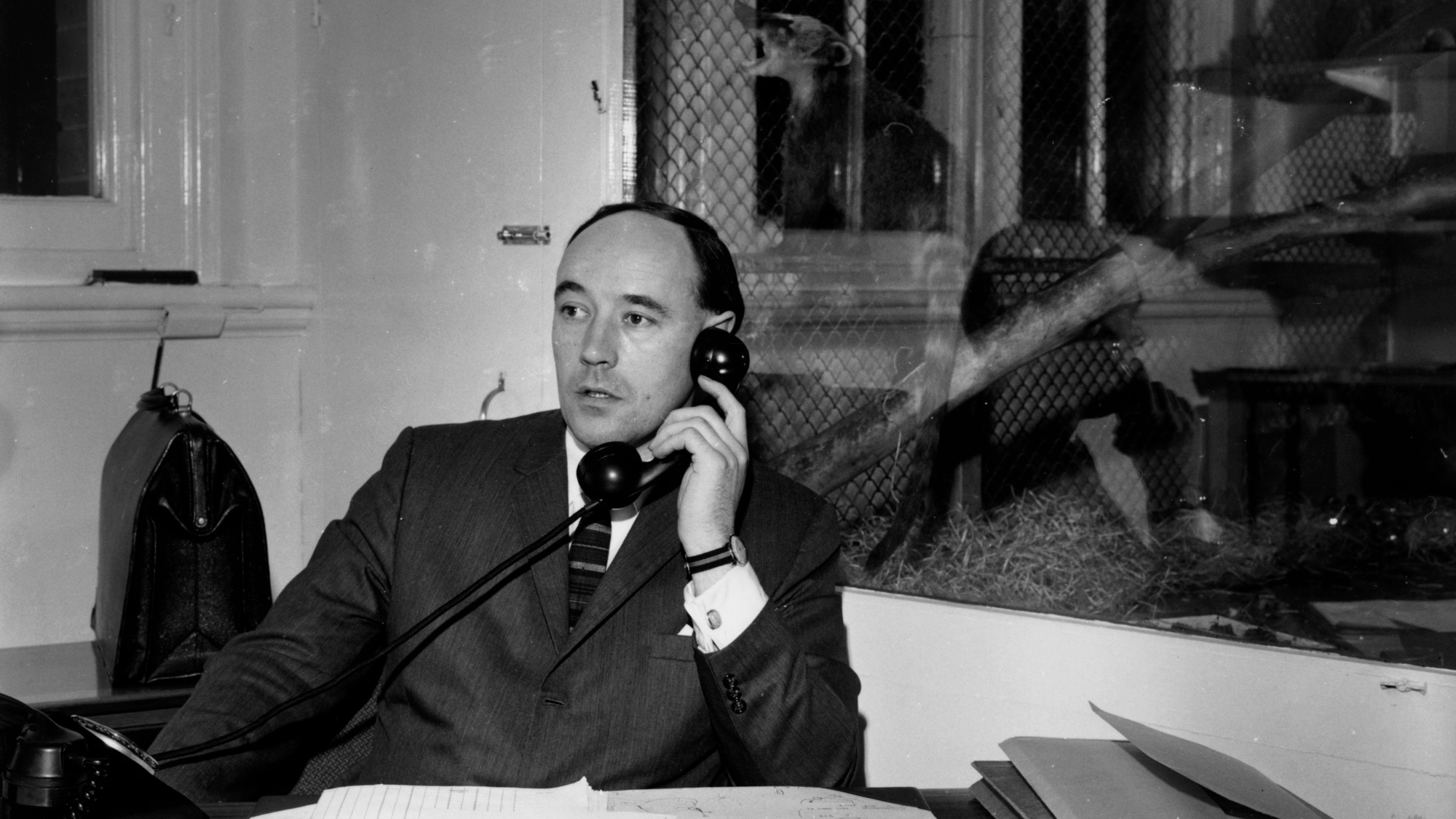
    An artist, zoologist and television presenter, Desmond Morris, who has died aged 98, is the only curator of mammals at London Zoo to have become the head of the Institute of Contemporary Arts, said The Guardian. He did not stay long in the job, however, owing to the opportunities offered by the runaway success of “The Naked Ape” (1967), a book he had dashed off in four weeks a few months earlier. In it, he argued that man is best understood not as a “fallen angel” but as a “risen ape” – the only hairless primate and “the sexiest” of them.

    Civilisation, he argued, is just a “veneer”. For all the millennia of progress, humans still have bodies and brains that adapted for life on the African savannah, and our behaviour is still “subject to all the basic laws of animal behaviour”. A mix of academic argument, intriguing facts and sometimes titillating detail, the book irritated many scientists. His suggestion, for instance, that female breasts evolved to mimic the buttocks, because when humans became bipedal – and had more face-to-face engagement – there was a need for a front-facing sexual signal, was regarded as speculative at best. (Why then, one critic asked, do the buttocks not have nipples?) It also outraged many Christians. But Morris’s arguments – such as that organised religion is an expression of the primate need for an “alpha” to keep the community in order, adapted for a larger group – chimed with the era, and proved highly influential. “The Naked Ape” became one of the bestselling science books of all time. He followed it up with some 50 other books, including “The Human Zoo”, “Bodywatching”, “Dogwatching” and even “Christmas Watching” (about the roots of human rituals).

    Born in 1928, Desmond Morris grew up in Wiltshire, where he became fascinated by the natural world. His father, a children’s writer, had been gassed in the trenches, and died when Desmond was 14. His mother, he recalled, “never, ever said ‘Don’t do that’ about anything”. She did not baulk when he created a menagerie with 200 toads, said The Telegraph, nor when he painted his room black to intensify his dreams. After Dauntsey’s School, he read zoology at Birmingham University, where he took up painting. He had his first exhibition in a library in Swindon in 1948. Two years later, his surrealist works were shown at a gallery in London, alongside those of the great Spanish artist Joan Miró.

    Having graduated with a first, he embarked on a doctorate at Oxford in 1951. His thesis was on the reproductive behaviour of the 10-spined stickleback. In 1956, he moved from academia to showbusiness when he began fronting ITV’s “Zoo Time”, a series about animal behaviour filmed at London Zoo. In the process of making it, he was bitten by a bear cub, sprayed with lion urine, and knocked over by a giant tortoise. It proved hugely popular, and ran for more than 500 episodes. One of its stars was a chimp named Congo, which he encouraged to paint so he could consider the evolutionary origins of art. He staged an exhibition of Congo’s work, and Pablo Picasso bought one of the chimp’s paintings. Later, Morris was sought out by Marlon Brando, who was fascinated by his ideas, and who became a lifelong friend.

    His first girlfriend, aged 17, had been Diana Fluck – the future “blonde bombshell” Diana Dors. In 1952, he married Ramona Baulch, who died in 2018. They had, for a time, lived in a huge house on Malta, bought with the proceeds of “The Naked Ape”; latterly he had moved to Ireland to be close to their son, Jason. He published his final book, “101 Surrealists”, in 2024. His life, he said, had been driven by an insatiable curiosity; but this, he would add, was just an intense version of a fundamental human trait.

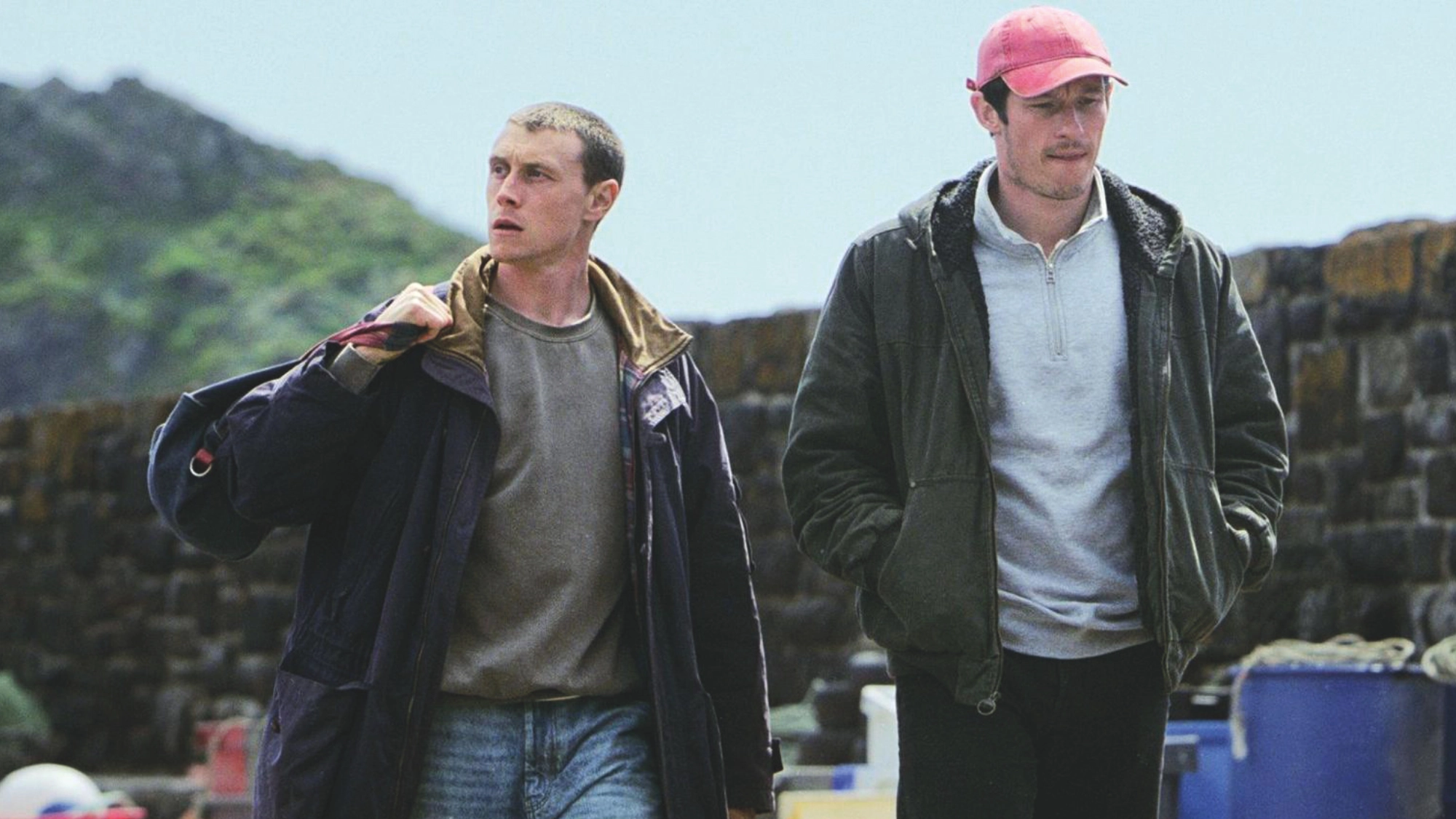


    Image credits, from top: Steve Tanner; Picador; Marc Brenner; William Vanderson / Stringer / Getty
     

    Recent editions

    • Saturday Wrap

      Has Trump ‘worked himself into a trap’?

    • Evening Review

      The Ajax tank comeback

    • Morning Report

      Terror threat level raised to ‘severe’

    VIEW ALL
    TheWeek
    • About Us
    • Contact Future's experts
    • Terms and Conditions
    • Privacy Policy
    • Cookie Policy
    • Advertise With Us
    • FAQ
    Add as a preferred source on Google Add as a preferred source on Google

    The Week UK is part of Future plc, an international media group and leading digital publisher. Visit our corporate site.

    © Future Publishing Limited Quay House, The Ambury, Bath BA1 1UA. All rights reserved. England and Wales company registration number 2008885.