The Week The Week
flag of US
US
flag of UK
UK
https://cdn.mos.cms.futurecdn.net/flexiimages/jzblygzdxr1769609154.gif

SUBSCRIBE

Try 6 weeks free

Sign in
  • View Profile
  • Sign out
  • The Explainer
  • Talking Points
  • The Week Recommends
  • Podcasts
  • Newsletters
  • From the Magazine
  • The Week Junior
  • More
    • Politics
    • World News
    • Business
    • Health
    • Science
    • Food & Drink
    • Travel
    • Culture
    • History
    • Personal Finance
    • Puzzles
    • Photos
    • The Blend
    • All Categories
  • Newsletter sign up Newsletter
  • Sunday Shortlist, from The Week
    A ‘lavish’ film and a ‘smartly funny’ show

     
    FILM REVIEW

    Kokuho

    Japan’s highest grossing live-action film of all time

    “A three-hour Japanese epic about a classical performance art (kabuki) isn’t the easiest sell,” said Deborah Ross in The Spectator, but it may be that you come away from this “masterfully sweeping” drama thinking – was three hours enough?

    Spanning 50 years, it opens in 1964, in Nagasaki, with the brutal killing of a crime boss in front of his 14-year-old son Kikuo (Soya Kurokawa). A year later, Kikuo, who has already shown promise as an amateur kabuki artist, is sent to Osaka to sit at the feet of Hanjiro, a highly revered kabuki actor (played by the great Ken Watanabe). Hanjiro has a son who is the same age as Kikuo, and the two train together as onnagata – men who play the female roles. Over the years we follow their fortunes – their “deep friendship” and “blistering rivalry”. And of course there is a lot of kabuki, a form of theatre similar to ballet, which is “highly stylised” and involves “fantastically precise movements”. It makes for a “true spectacle”.

    This “lavish picture” has become Japan’s highest-grossing live-action film of all time, said Wendy Ide in The Observer. Kabuki’s cultural specificity (including a mannered vocal delivery) means it is unlikely to replicate that success here. But even those not attuned to the art form will be moved by the “sumptuous period production design”, stunning costumes, and the “depiction of the savagery and suffering inherent in creative excellence”.

    At times, the film “overindulges into soapier territory” and starts to flag, said Brandon Yu in The New York Times. But it comes back around with “moving flourishes”, to assert its ideas about the “beauty, bloodshed and loneliness of true artistic greatness”.


    THEATRE REVIEW

    Fourteen Again

    Chamber musical pays tribute to the late comic Victoria Wood

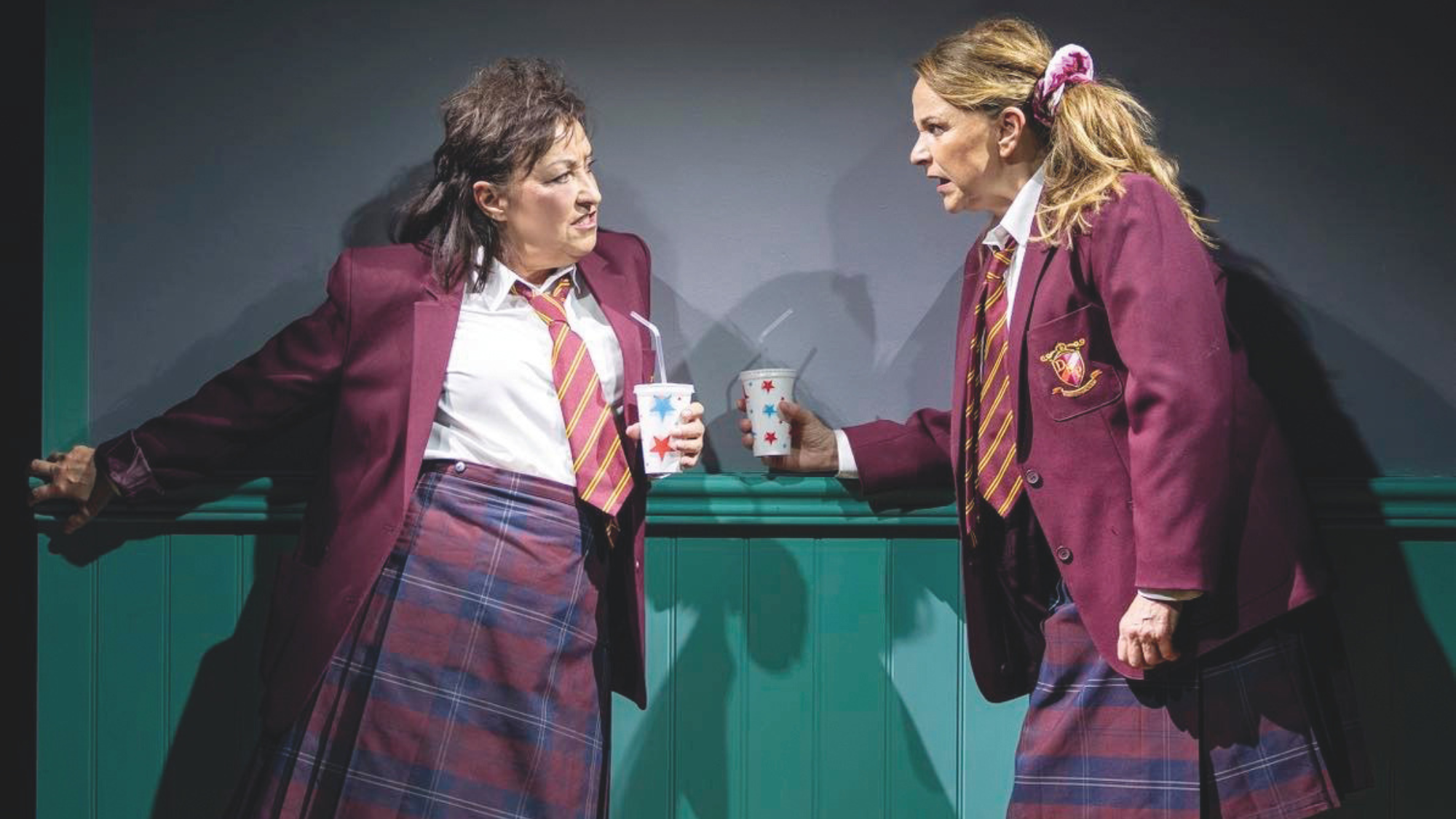
    Victoria Wood’s death 10 years ago, aged just 62, left “a hole where her wit and wisdom, her humanity and her sharp satirical eye used to be”, said Sarah Crompton on WhatsOn Stage. Now, at a theatre in the Lake District newly renamed in her honour, comes this chamber musical showcasing 12 of her best songs. It is an “enterprise built on love and friendship”: the show’s “magnificent stars” (Sally Ann Triplett and Ria Jones) and key members of its creative team had long associations with Wood. But it is not just a tribute to an inimitable talent: “Fourteen Again” is a “smartly funny evocation of female friendship and endurance that is heart-raisingly hard to resist”.

    In this “time-slip” show, with a book by Tom MacRae (“Everybody’s Talking About Jamie”), Triplett and Jones play Peggy and Lou, said Arifa Akbar in The Guardian – best friends at school who meet again at a diet club decades later. The two reminisce, and share the disappointments of their lives. Then Peggy wakes up 14 again, and vows to do better this time. With references to Bejam and Basil Brush, the show initially comes across as a slightly ersatz “nostalgia fest”, but by the end “you are crying for these women, as well as for the genius who died too early” but left us her “glorious” songs. Some are “giddy with domestic delights”, others Larkinesque in their melancholy, pathos and bathos.

    Strongly sung, and pacily directed by Jonathan O’Boyle, the show has two problems, said Susannah Clapp in The Observer. One is that “while evoking Wood, it also makes you miss her singular melt-an-audience-with-one-look quality”. Another is that her songs were not written to “advance a plot”: they are “compressed dramas”. Still, it does prove an essential truth about her: she is rarely one thing. In her work, sadness and joy, exuberance and despair, all dissolve into each other. At their sharpest, her songs are “the musical equivalent of Alan Bennett’s ‘Talking Heads’ monologues”, said Clive Davis in The Times – and it is a pleasure to hear them again, in this poignant, effervescent, superbly acted show. It “would need bulking up if it transferred to a larger venue”, but it surely deserves another life.

    The Victoria Wood Theatre, Bowness-on-Windermere. Until 6 June


    ALBUM REVIEW

    Kacey Musgraves: Middle of Nowhere

    The Texan country star Kacey Musgraves’ sixth album is a “satisfying return to form and easily her best LP since the luminous, Grammy-winning 2018 triumph ‘Golden Hour’”, said Lindsay Zoladz in The New York Times. Filled with sprawling songs about single life, dry spells and toxic exes, there’s a “bite and texture” that some of her recent work lacked – and a “grittier and more down-to-earth wisdom”.

    I would rank “Middle of Nowhere” as a new “career-best”, said Roisin O’Connor in The Independent. The sonic palette draws on the singer’s home in Mexico, as well as her Texas roots: think Spanish guitars, zydeco and bluegrass. And compared with 2024’s “Deeper Well”, Musgraves has regained “some of her old spikiness, wielding lyrics like a freshly sharpened chef’s knife”. Highlights include the hilarious “Dry Spell”, on which she “laments her lack of a sex life over spaghetti western twangs of guitar”; the luxuriously paced title track; and the “outrageous” duet “Horses and Divorces”, in which she mends her long-rumoured feud with fellow country queen Miranda Lambert.


    BOOK OF THE WEEK

    The Things We Never Say 

    by Elizabeth Strout

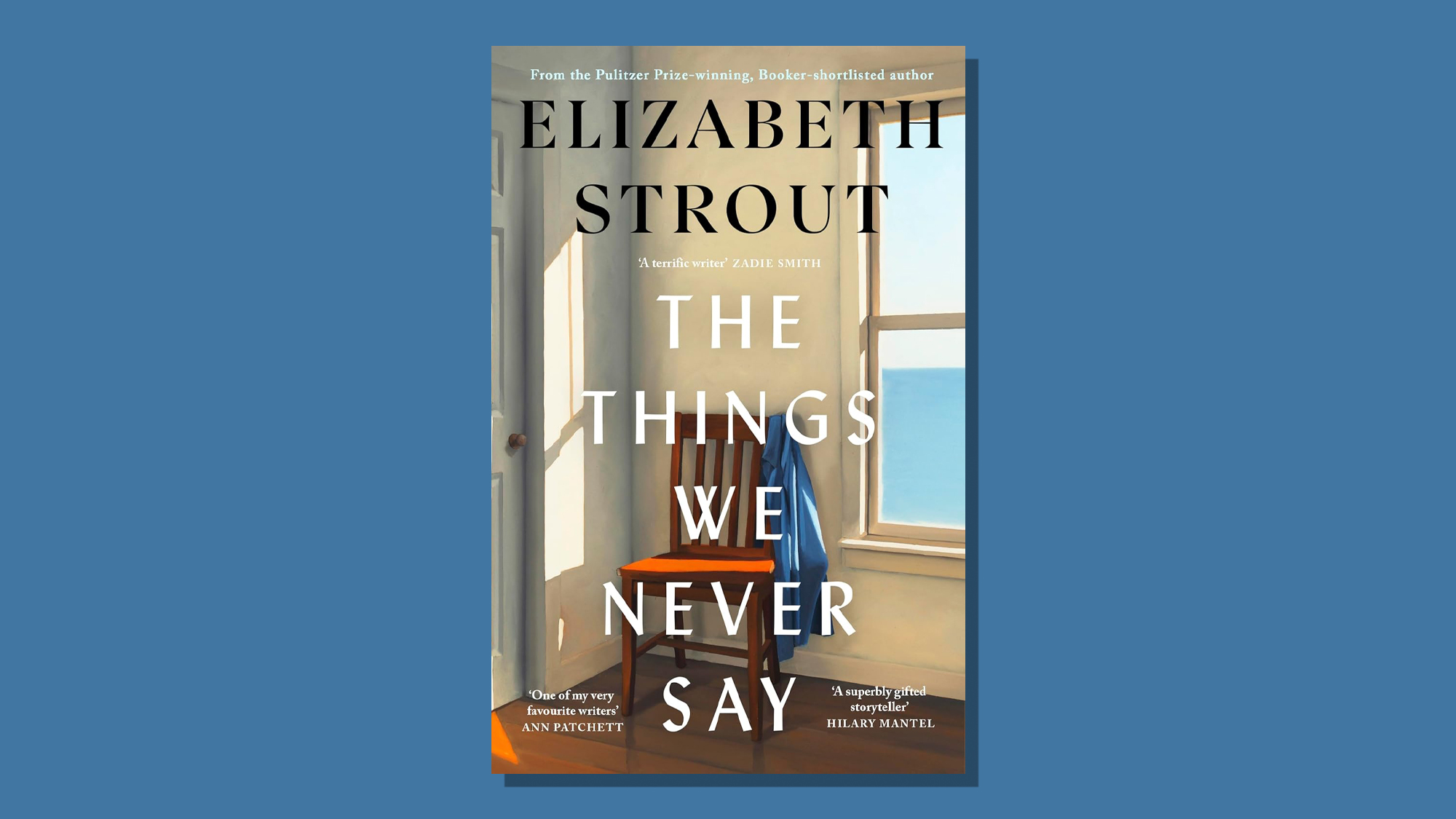
    Fans of Elizabeth Strout have grown used to certain characters – such as Olive Kitteridge and Lucy Barton – appearing in several of her novels, said Claire Adam in The Guardian. Yet her latest work, set in coastal Massachusetts, unveils a “fresh cast”. Artie Dam, a history teacher in his 50s, lives in a “spacious home” by the ocean. Although “outwardly happy”, Artie is “secretly struggling”. His relationship with his wife Evie has not been the same since their son Rob was involved in a tragic accident a decade ago. And he feels as if the “world is changing in ways he can’t understand”. Displaying Strout’s usual attentiveness to “small details of ordinary lives”, this is a book “readers will delight in”.

    Strout’s work has often successfully drawn on current events, such as the Covid pandemic or the 2021 assault on the Capitol, said Elizabeth Lowry in The Telegraph. Yet here, references to “the terrible stuff in the Middle East”, or the “evil genius” Elon Musk, feel “oddly grafted on”. It’s a shame, because when she focuses on the inner lives of her characters, Strout’s writing remains as “nuanced” as ever.


    OBITUARY

    Ted Turner

    The brash media mogul who transformed television

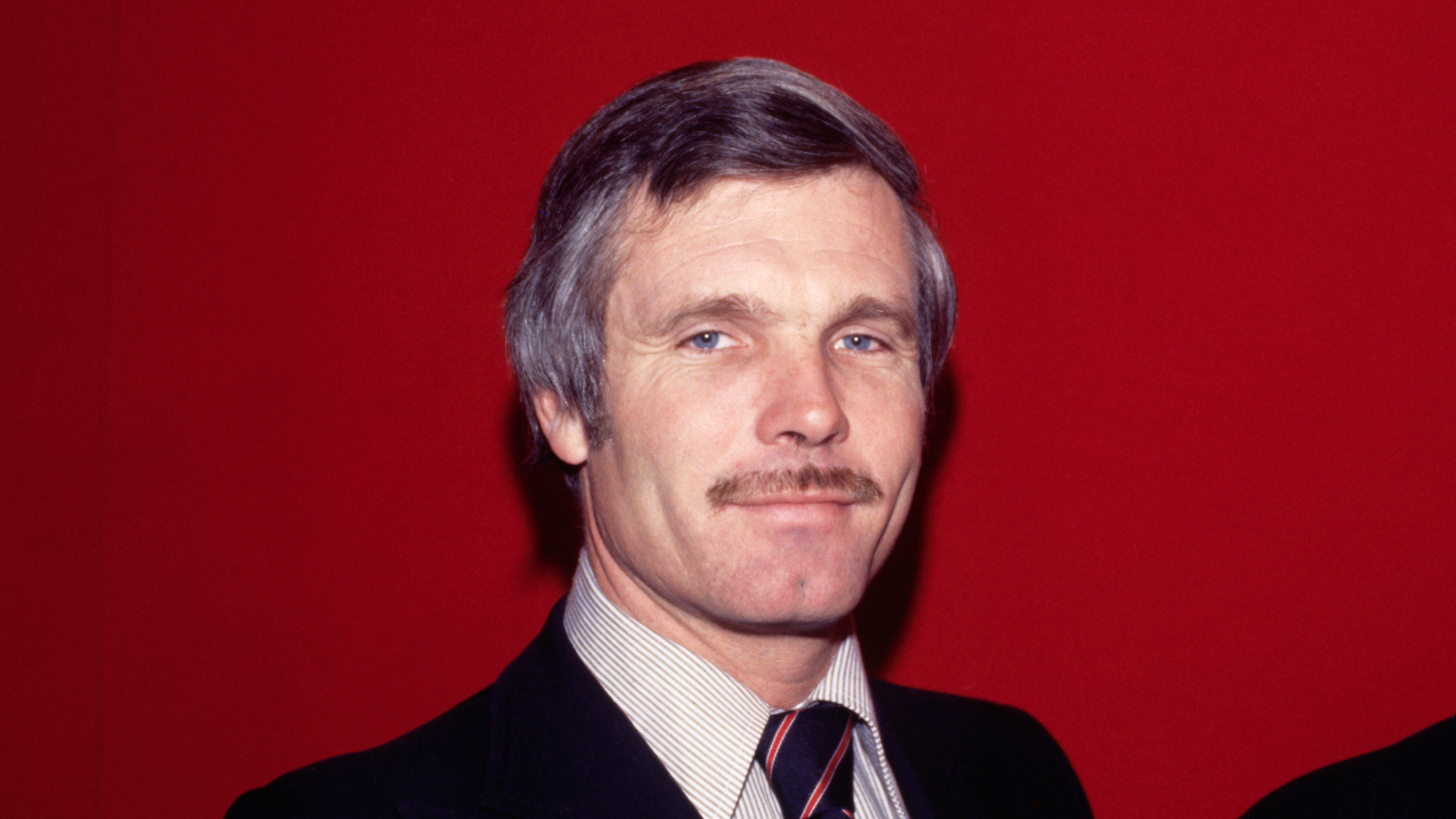
    Ted Turner, who has died aged 87, was the media mogul who revolutionised television in 1980 by launching CNN – America’s first rolling, 24-hour news channel. Known as the “mouth from the south”, for his brash, self-aggrandising ways, Turner presided over a sprawling empire that included Turner Classic Movies, Cartoon Network and Castle Rock Entertainment, said The New York Times. But he had other interests beyond business. A skilled yachtsman, and intensely competitive, he won the America’s Cup in 1977. He gave $1 billion to the UN for its humanitarian work; he acquired two million acres of land – much of which he dedicated to conserving native species including the American bison; and he married a film star. He also became embroiled in a feud with Rupert Murdoch, whose New York Post once ran the headline “Is Turner insane?”

    In 1998, Turner, a hard-drinking womaniser, explained his restless energy to a journalist. “I’m trying to set the all-time record for achievement by one person in one lifetime,” he said. “And that puts you in pretty big company: Alexander the Great, Napoleon, Gandhi, Christ, Mohammed…” Others put it down to his difficult relationship with his depressive, alcoholic father.

    Robert Edward Turner III was born in Ohio in 1938, but was brought up in the south. His father, a strict disciplinarian who ran a billboard business, sent him to boarding schools and military academies. Later, he won a place at Brown, but he was expelled after being caught with a woman in his dorm. When he was 24, his father shot himself. He had suffered from terrifying mood swings; similarly afflicted, Ted Turner was prescribed lithium in the 1980s.

    His father had fallen into debt, but Turner managed to claw his business back from investors. Ruthless and driven, he made it a success, and in 1968 he was able to use the profits to buy a radio station. Then he took an even bigger gamble, on a TV station. He bought local baseball and basketball teams, so that he could broadcast their matches; he acquired old TV shows that he could run on repeat without paying fees; he bought Hanna-Barbera’s cartoon library, as well as film back catalogues, including MGM’s, to add to his huge vault of what would come to be known as “content”. The Cable News Network, which he launched partly because he cared passionately about news and saw information as a tool for peace, was slow to take off. It was beset by technical glitches and production gaffes (once, a cleaner was seen emptying a bin on air). Its detractors dismissed it as the Chicken Noodle Network. But its breathless rolling coverage of events – including the 1981 shooting of Ronald Reagan – won it viewers, said The Telegraph, and over time it became clear that this was the future of news TV. In 1996, Murdoch set up Fox News as a right-wing, opinion-driven rival to CNN.

    That year, the Turner Broadcasting System merged with Time Warner, and in 2001 it was acquired by America Online (AOL), to create the US’s then fourth-largest company. The deal, which came just before the dotcom crash, proved a disaster. As AOL’s share value slumped, Turner lost $8 billion. Around the same time, he split up with his third wife, Jane Fonda. It had been viewed as an odd match, said The Times – between the macho capitalist billionaire and the aerobics-pioneering Hollywood liberal. But they’d shared a passion for conservation, and the marriage had lasted 10 years. During that time, she’d steered his philanthropic efforts, and was credited with encouraging him to form a closer relationship with the five children he’d had with his first two wives. In 2018, he revealed that he had been diagnosed with Lewy body dementia.




    Image credits, from top:  Pyramide Films / Capital Pictures / Alamy; Pamela Raith Photography; Penguin; Bettman / Getty
     

    Recent editions

    • Saturday Wrap

      Is India a one-party state?

    • Evening Review

      Can Andy Burnham win Makerfield?

    • Morning Report

      Labour turmoil deepens as Burnham eyes Commons return

    VIEW ALL
    TheWeek
    • About Us
    • Contact Future's experts
    • Terms and Conditions
    • Privacy Policy
    • Cookie Policy
    • Advertise With Us
    • FAQ
    Add as a preferred source on Google Add as a preferred source on Google

    The Week UK is part of Future plc, an international media group and leading digital publisher. Visit our corporate site.

    © Future Publishing Limited Quay House, The Ambury, Bath BA1 1UA. All rights reserved. England and Wales company registration number 2008885.