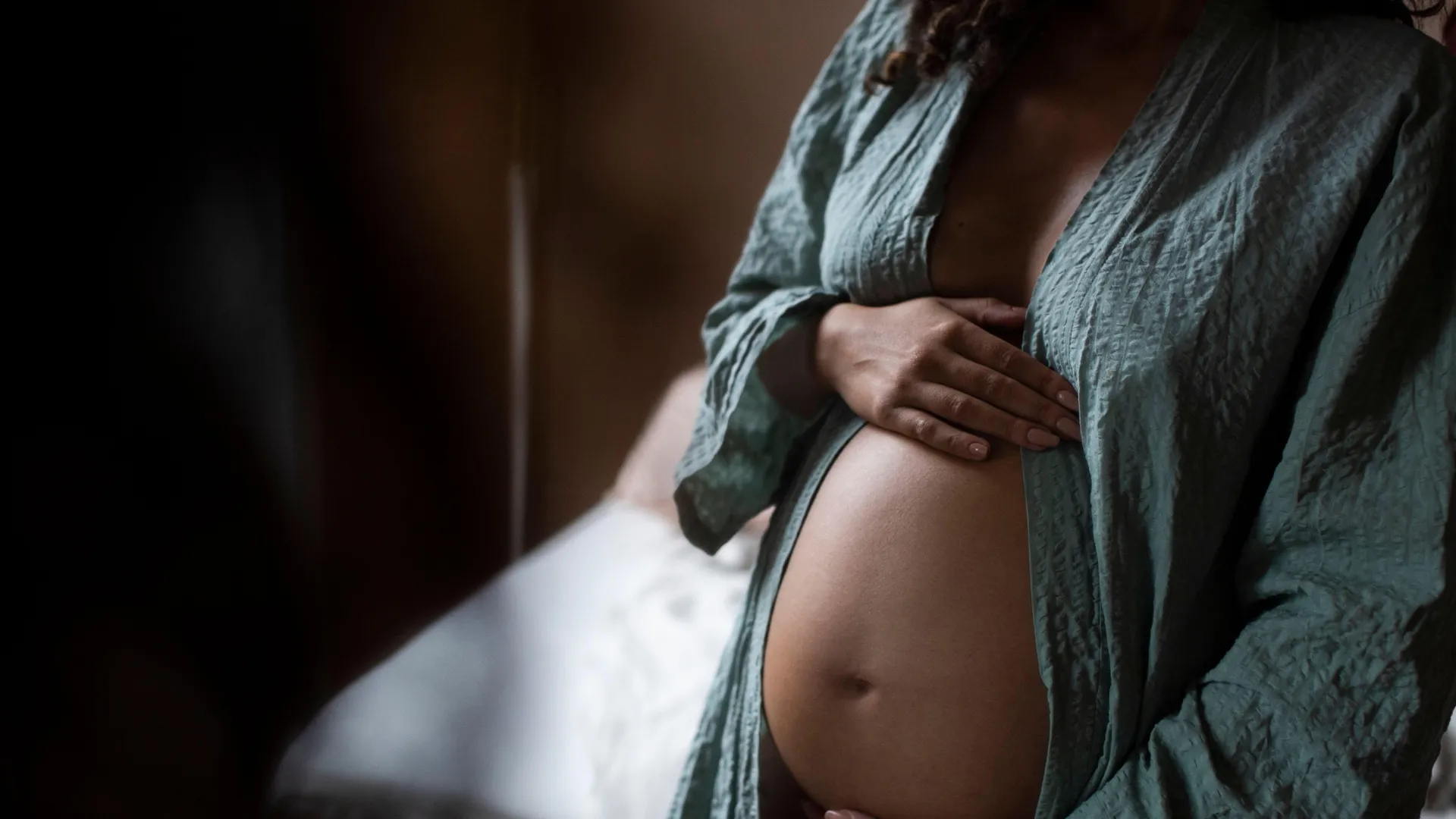
A small but growing number of pregnant women are choosing to give birth alone or with a doula (a nonmedical birth companion) and without assistance from a doctor or midwife. They are instead trusting in influencers’ tales of the “euphoria” of what’s called a free birth.
Why are some women choosing free birth?
Free births are promoted to expectant mothers as “returning something sacred that had been stolen from them” by the “violence” of modern obstetrics, said The Guardian, which conducted a yearlong investigation into the influencers behind the movement.
The exact number of free births in the U.S. is unknown, as many of them are unannounced. But distrust in professional maternity care is on the rise, as the maternal mortality rate climbs to one of the highest among wealthy countries worldwide. In 2002, 45% of mothers agreed that giving birth is a “natural process that should not be interfered with unless absolutely medically necessary,” according to a survey by the National Partnership for Women & Families. By 2018, 74% of new mothers agreed.
Who’s promoting free births?
A leading group is the Free Birth Society in North Carolina. Founded by former doula Emilee Saldaya, it promotes an “extreme” version of a home birth that dispenses with all medical support, said The Guardian. It even advises avoiding prenatal checks, including ultrasound scans, falsely claiming they can harm unborn babies. FBS has a popular podcast, a large Instagram following, and a YouTube channel boasting 25 million views.
What do doctors say?
It’s “medically illiterate, misleading or dangerous,” said experts who reviewed FBS material to The Guardian. During its investigation, the outlet identified 18 cases of late-term stillbirths, neonatal deaths, or other forms of “serious harm” in which FBS “played a significant role in the mother’s or the birth attendant’s decision-making.”
The rejection of prenatal care is particularly troubling, as it means that “risk factors,” such as a baby in a breech position, might go unnoticed, said Hannah Dahlen, a professor of midwifery, at The Conversation. This can lead to unforeseen complications during labor, and even if a doula is present, they “don’t have the training, regulation, or medical equipment and skills needed to manage emergencies.”
But FBS’ Saldaya is defiant. Following publication of The Guardian’s investigation, she said to her 133,000 Instagram followers: “They will try to discredit you. They will lie about you. They will attempt to silence what they don’t understand.” |