A growing obsession is seeing people “hum into their phones, gargle with theatrical enthusiasm, dunk their faces into bowls of ice water, and poke at their ears”, said health experts Katie Edwards and Dan Baumgardt on The Conversation. They are all trying to “activate” their vagus nerve, the new “favourite body part” of the internet.
Social media is abuzz with the transformational potential of vagus-nerve “training”. Stimulate it and reset it, wellness influencers claim, and you can improve your mental and physical well-being.
What is the vagus nerve?
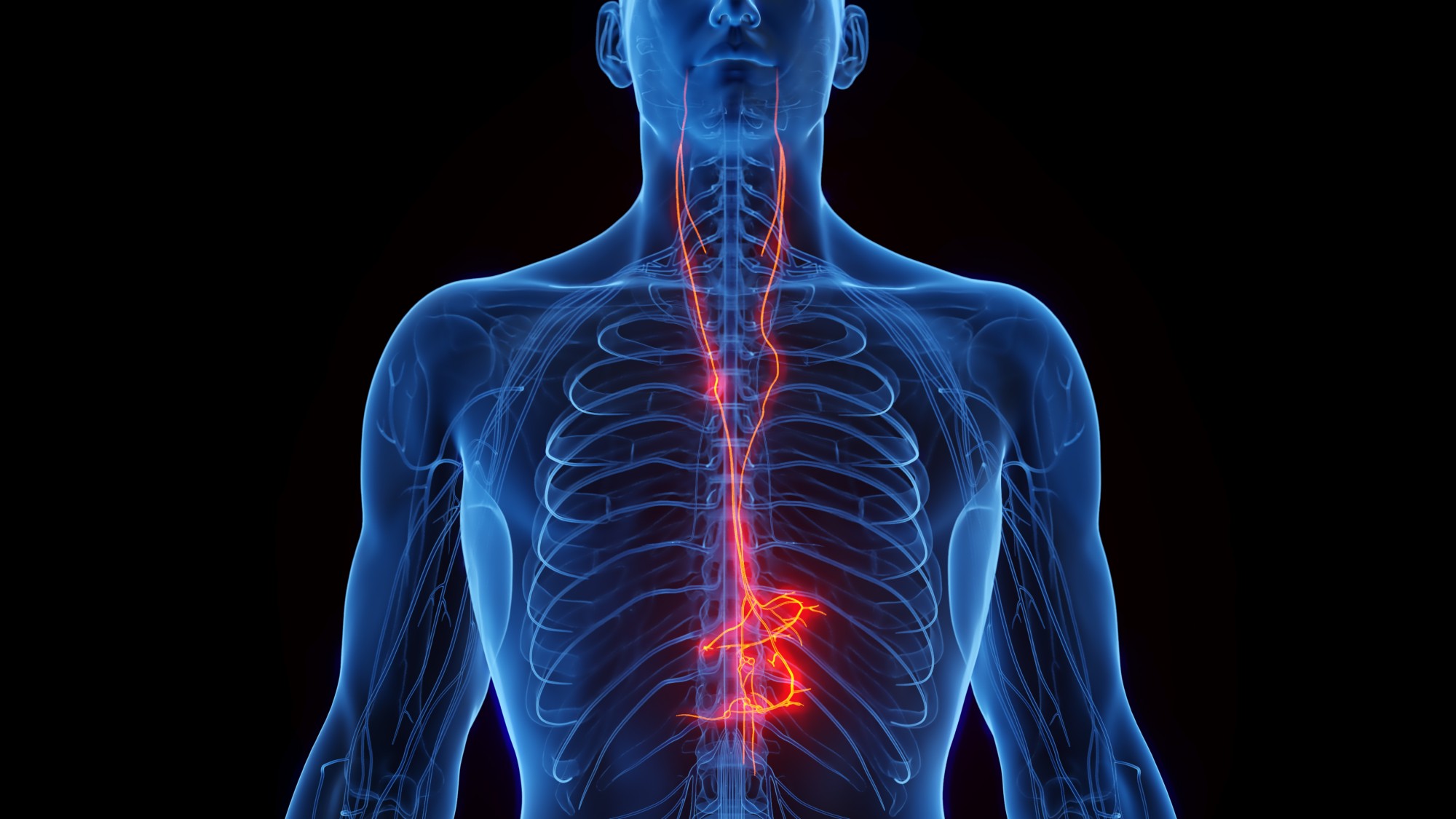
It’s the longest cranial nerve in the human body. The name derives from the Latin for “wandering”, because its two branches rove through the entire body – travelling from the brainstem down into the neck, chest and abdomen, connecting to the heart, lungs, gut and the liver. It constantly relays information from the brain to the organs and back again, and is often described as an internal communication superhighway, or our body’s intranet.
How important is it?
As “signal updater” between brain and body, the vagus nerve is a part of the autonomic nervous system that regulates processes that we don’t consciously control, such as heart rate, breathing and digestion. Within that system, it has a key role in the parasympathetic response – sometimes known as “rest and digest” – slowing heart rate and decreasing blood pressure. Put simply, when we feel calm, safe and relaxed, the vagus nerve is helping to make that happen. The theory is that the body can sometimes get “stuck” or spend too long in “fight or flight”, and stimulating the vagus nerve can prompt a return to calm.
Can stimulating it make you healthier?
Implanted devices that directly stimulate the vagus nerve have long been used to treat neurological conditions including epilepsy and treatment-resistant depression. More recently, trials of transcutaneous devices, often placed around the neck or in the outer ear, have shown promising results in treating conditions including diabetes, Crohn’s disease, fibromyalgia and irritable bowel syndrome.
I’m cautious about claims that the vagus nerve can be “switched on like a light”, said Arshad Majid, a professor of cerebrovascular neurology at the University of Sheffield, on The Conversation. That said, various clinical trials are taking place and the “next few years of research” could “reshape” how we treat a range of conditions. But “maybe hold off on aggressively poking your ear” for now. |