The Week The Week
flag of US
US
flag of UK
UK
https://cdn.mos.cms.futurecdn.net/flexiimages/jzblygzdxr1769609154.gif

SUBSCRIBE

Try 6 weeks free

Sign in
  • View Profile
  • Sign out
  • The Explainer
  • Talking Points
  • The Week Recommends
  • Podcasts
  • Newsletters
  • From the Magazine
  • The Week Junior
  • More
    • Politics
    • World News
    • Business
    • Health
    • Science
    • Food & Drink
    • Travel
    • Culture
    • History
    • Personal Finance
    • Puzzles
    • Photos
    • The Blend
    • All Categories
  • Newsletter sign up Newsletter
  • The Week Evening Review
    The Southport Inquiry, peptides, and Harry and Meghan down under

     
    TODAY’S BIG QUESTION

    Why wasn’t the Southport killer stopped?

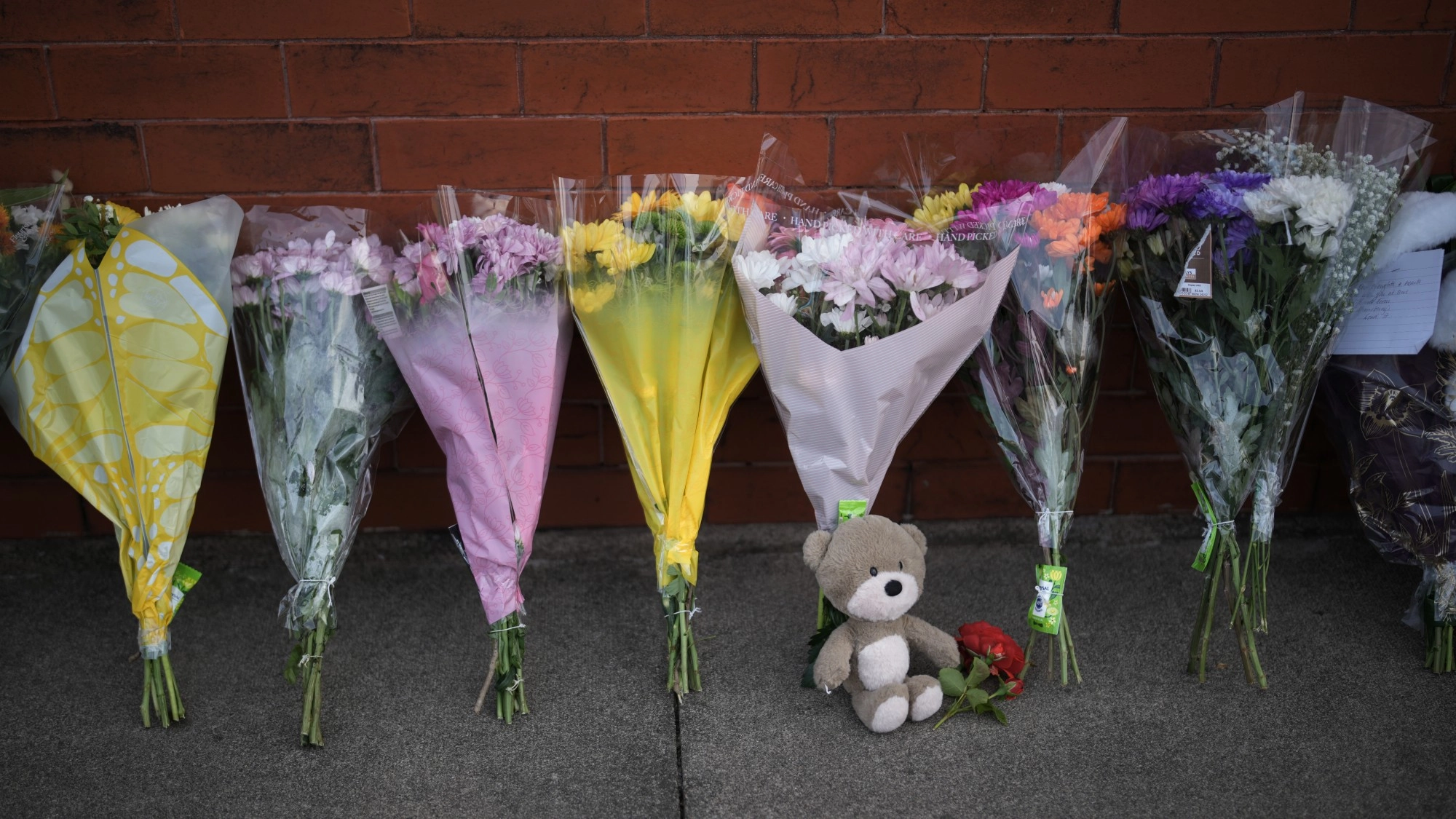
    An inquiry into the Southport murders has condemned the “inappropriate merry-go-round” of public sector agencies handing off responsibility for an increasingly troubled teenager who went on to kill three young girls.

    Ten other people were injured, and many children were left traumatised, by Axel Rudakubana’s knife attack at a Taylor Swift-themed dance workshop on 29 July 2024. The report on the first stage of the inquiry, released yesterday, highlighted five key areas of failure: a lack of risk acceptance, poor information sharing, lack of examination of online activity, a “misunderstanding of autism”, and “significant parental failures” at home.

    What did the commentators say?
    The murder of Bebe King, Alice da Silva Aguiar and Elsie Dot Stancombe was “one of the most depraved acts of violence ever seen on these shores”, said The Telegraph. “But this did not come out of a clear blue sky.” Rudakubana’s “violent behaviour was known to his parents, his school, the police and to various agencies”. In the years leading up to the killings, he had attacked fellow pupils, was caught with a knife in public and was referred to the Home Office anti-terror programme Prevent three times. Retired Lord Justice Adrian Fulford, who led the inquiry, said the culture of unaccountability “has to end”.

    All those involved with Rudakubana’s case “should hang their heads in shame”, said Jawad Iqbal in The Spectator. The inquiry uncovered a “comprehensive” and “depressing” catalogue of “missed opportunities and systems of protection that were found wanting”. Fulford said Rudakubana’s parents also bore “considerable blame for what occurred”. If they had “done what they morally ought to have done” by reporting their son’s violent behaviour – including collecting knives and concocting poison at home – it is “almost certain this tragedy would have been prevented”, he concluded.

    Parenting has “never been more consequential” in our age of “online radicalisation”, said The Mirror. The responsibility to “know your child, truly know them, and act on what you find has never mattered more”.

    What next?
    The next stage of the inquiry will consider how to manage the “growing threat” of Prevent being “overwhelmed” with referrals of teenagers who are “obsessed with violence” but do not display the “coherent ideology of political extremists”, said The Guardian. It will also consider “tighter regulation of social media use” and the “online sale of weapons”.


    THE EXPLAINER

    Behind the peptides craze

    “In the early 2020s, interest in GLP-1 weight loss drugs exploded,” said CNN. Now, “a new buzzword is taking over”: peptides. Once a niche interest among powerlifters and bodybuilders, the injectable substances have flooded the online wellness sphere. Athletes and wellness influencers hail peptides as a way to speed muscle recovery, lose weight and slow ageing. Demand is surging and authorities are “starting to take notice”.

    What are peptides?
    Short chains of amino acids (small proteins) produced by our bodies to help regulate hormones, reduce inflammation and repair tissue. Synthetic versions are manufactured to mimic, or even enhance, those naturally occurring proteins.

    Peptides are the P in GLP-1s, the class of weight-loss drugs that includes Ozempic and Wegovy. Plenty of long-established drugs, such as insulin, are peptide-based, but “grey-market injectable peptides” are “unregulated, experimental compounds”, said The Guardian. Some are “bootleg versions of approved drugs”, sold for “a fraction of their market price” online.

    Are they legal?
    Peptides are in “a legal and regulatory middle zone” known as the grey market, said the BBC. Many popular versions aren’t considered medicines in the UK, so they’re unregulated by the Medicines and Healthcare products Regulatory Agency. As they’re not approved for human use, these peptides aren’t subject to quality controls.

    In the US, the Food and Drug Administration bars pharmacies from compounding peptides, but they can be bought from manufacturers in China, which export them under the label “for research purposes only”, or “not for human consumption” – a legal loophole. In practice, they are “packaged, dosed and marketed in ways that clearly anticipate human use”, said three public health experts from Australia on The Conversation. This creates “a parallel market”, outside clinical oversight and regulation.

    Evidence of the benefits for humans “remains limited”. Most claims are based on “a handful of laboratory studies”, usually on animals. The FDA warns that unregulated peptides pose “serious safety risks” because of potential impurities, including the risk of allergic reactions. 

    Yet such peptides have “exploded onto the well-being market” since weight-loss drugs “became mainstream”, said the BBC. “The success of regulated GLP-1 drugs has ‘normalised’ using a needle, lowering the psychological barrier to self-injection,” said Dr Mike Mrozinski, a GP. Users, said Lancaster University anatomy professor Adam Taylor, “are, in essence, becoming lab rats”.


    QUOTE OF THE DAY

    “Cheers, Timmy!”

    Royal Ballet and Opera boss Alex Beard credits Timothée Chalamet for an “immediate boost” in ticket sales following the actor’s controversial claim that “no one cares” about ballet or opera. The public’s reaction “was just fantastic”, Beard told The Times.


    Poll watch

    Nearly two-thirds of Israelis oppose the Iran ceasefire, but 41% believe it should be respected, while 39% think attacks should resume, according to research by The Hebrew University of Jerusalem. The vast majority of 1,312 adults polled believed neither Iran nor Hezbollah had been severely weakened by the recent US and Israeli bombardment.


    IN THE SPOTLIGHT

    Harry and Meghan’s not-so-royal tour of Australia

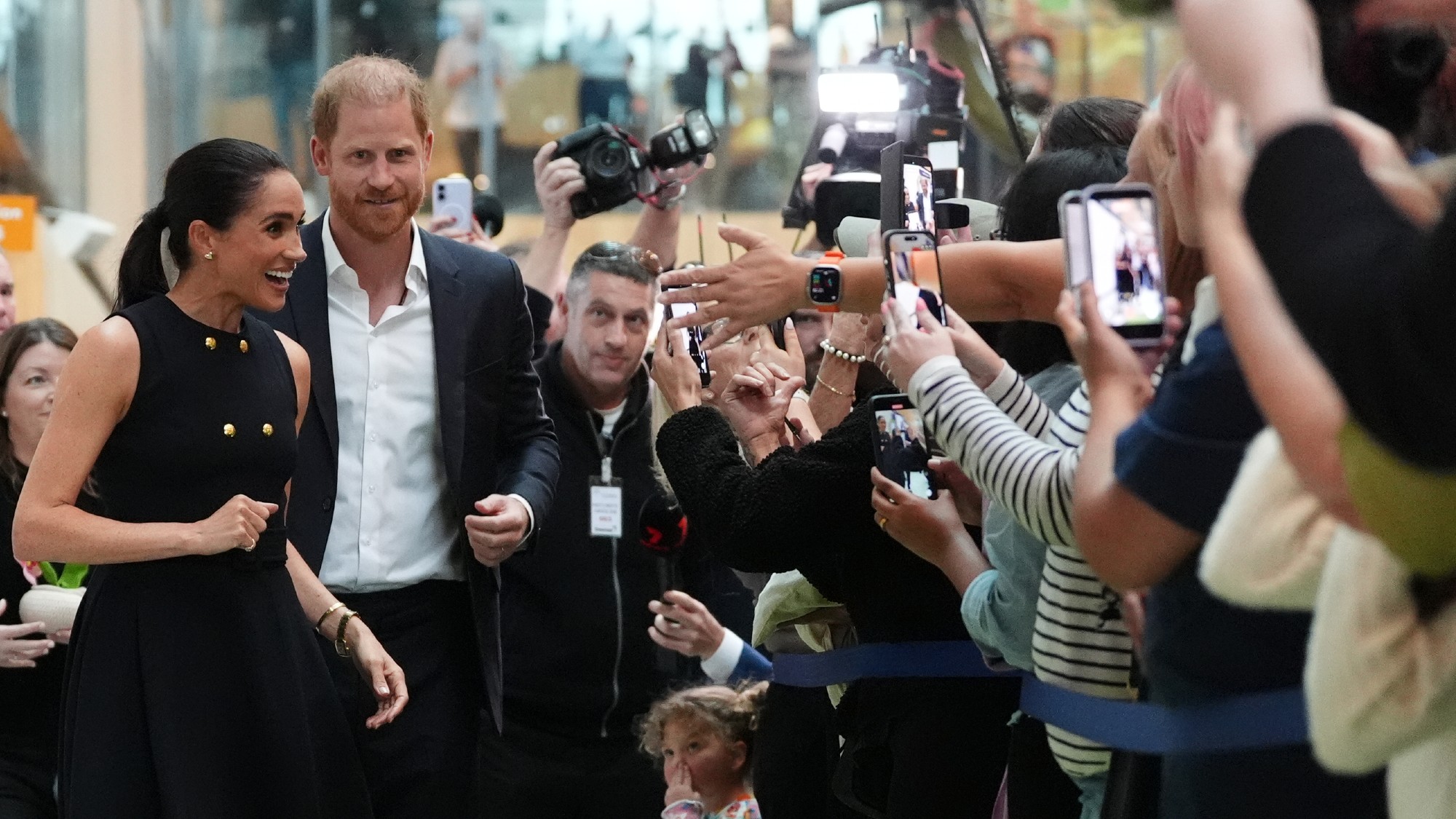
    When Prince Harry and Meghan visited Australia in 2018 as working royals, they got an “ecstatic reception”, said Reuters. There was “little sign” of that as the Duke and Duchess of Sussex arrived in Melbourne today, five years after they stepped down as working members of the royal family. The couple are embarking on a tour that includes “engagements covering sport, mental health and veterans’ affairs”, but are there as private citizens – an arrangement that has raised eyebrows among their hosts.

    Commercial activities  
    During their four-day visit, Harry will make a solo stop-off in Canberra to meet military veterans. He and Meghan will then attend a ⁠mental health summit in Melbourne, before rounding off the joint leg of their trip with sailing and rugby events in Sydney. It “still looks very much like a royal visit” even though “officially, it very much is not”, said ABC News.

    Unlike on their previous visit, they’ll also “undertake commercial activities”, said Reuters. Meghan will host a wellness retreat at a luxury beachside hotel in Sydney, with VIP tickets costing £1,680. Harry will be a star speaker at InterEdge’s “psychosocial safety” summit, a two-day professional development event for which tickets are priced up to £1,249.

    ‘Headache’ for the King
    Our warm welcome back in 2018 clearly made Australians “look like a soft target”, said Bevan Shields in The Sydney Morning Herald. Now, the Sussexes are back to “use us as an ATM”. The “honour” of this visit “comes with a hefty price tag”: although their travel expenses are being privately funded, some of the policing costs will reportedly be paid by Australian taxpayers.

    I “can’t begrudge them trying to make a living”, said Hello! magazine’s royal editor Emily Nash. Their reception of the Australia tour will be a “real litmus test for what else they may do this year”, with an Africa visit potentially on the cards. It is also “something for the wider royal family to watch”. “The sorry saga” of the former prince Andrew and his ex Sarah Ferguson is a “reminder of how blurred the lines can become when titles and influence are mixed with personal gain”. If the Sussexes are able to “effectively operate alongside the working royals, but outside the carefully managed framework that governs royal duties”, that would represent a “headache” for the King.


    Good day 🎵

    … for British musicians, a record number of whom are to be inducted into the Rock & Roll Hall of Fame. Phil Collins, Billy Idol, Iron Maiden, Joy Division/New Order, Oasis and Sade comprise six of a total eight acts that have been voted in, the most Brits in a single year in the Ohio museum’s four-decade history.


    Bad day 🥒

    … for Pret A Manger, which is in a pickle over a shortage of cornichons. The cafe chain has apologised after customers complained about the sudden disappearance of its popular Jambon Beurre sandwich, made with butter, ham and, crucially, pickled cucumbers. Pret said it was “working hard” to sort out a “supplier issue”.


    PICTURE OF THE DAY

    Holy wars

    An AI-generated image posted by Donald Trump on his Truth Social platform appears to depict him as Jesus Christ. After being accused of “blasphemy”, the US president deleted the image but told reporters that “it’s supposed to be me as a doctor”.

    Mandel Ngan / AFP / Getty Images


    Puzzles

    Guess the number

    Try The Week’s daily number challenge in our puzzles and quizzes section

    Play here


    Culture & Life

    The best birdwatching spots in Europe

    The UK is home to some incredible birdwatching spots, but the scale and variety of Europe’s wildlife is also tantalising for twitchers. As migration season begins, head over to the Continent to witness an influx of bird species, from flamingos to forest woodpeckers.

    The Camargue, France
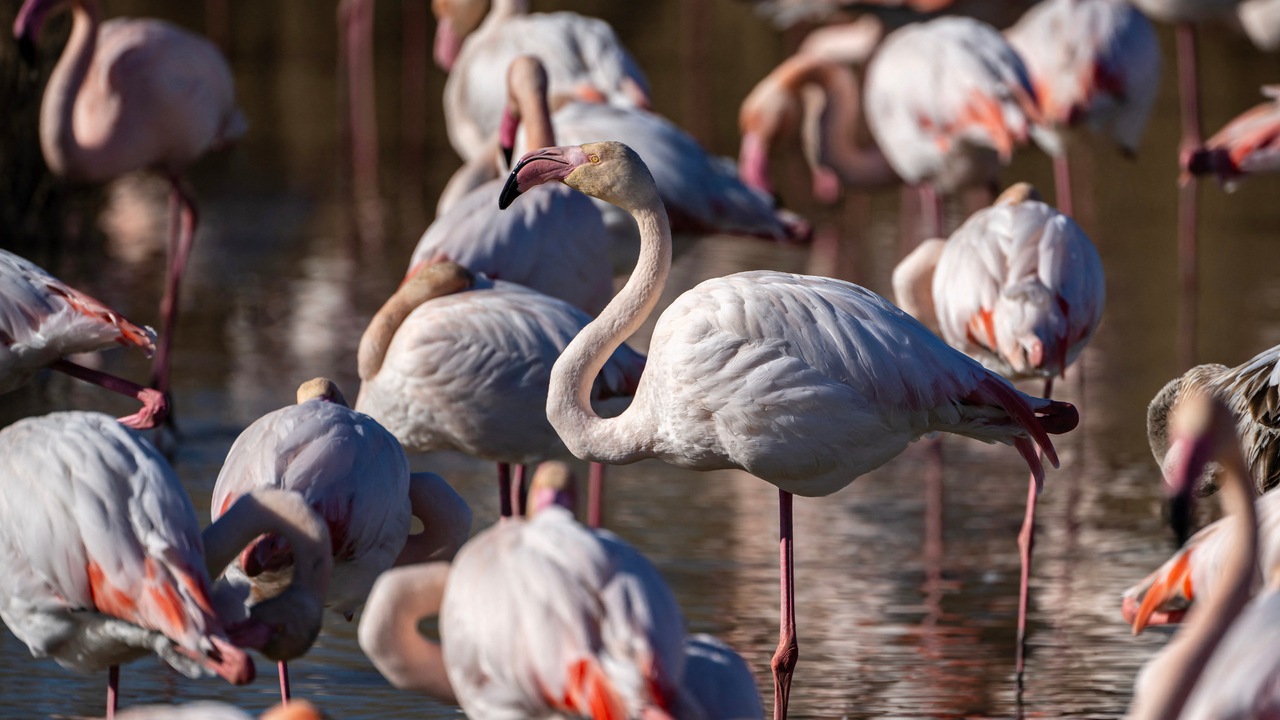
    “Few who slurp fizz on the French Riviera realise that one of Europe’s most rewarding birding destinations lies nearby,” said James Stewart in The Times. Situated on the south coast of France between Montpellier and Marseille, the Camargue is home to “abundant birdlife”. From autumn until spring, “thousands of flamingos” descend on the marshland, and touring around the Pont de Gau Ornithological Park is “photo magic”.

    Andalusia, Spain
    As the southernmost point of Europe, Andalusia is a bustling hub on “important migratory routes” between the continent and Africa, said David Escribano in Condé Nast Traveller. Each year, “millions of birds” make the nine-mile flight over the Strait of Gibraltar. The region is home to some of Spain’s “most elusive” birds, including the “endangered Spanish imperial eagle, crested coot and red-necked nightjar”.

    Folegandros, Greece
    This “lesser-known” Cycladic island lies between Paros and Santorini and is home to a reserve protecting the rare Eleonora’s falcon, which has a global population of under 20,000, said Freya Bromley in National Geographic. Twitchers can take part in seasonal bird monitoring programmes and volunteer surveillance expeditions to nearby inlets.

    Transylvania, Romania
    Transylvania is one of Europe’s “last great unspoilt wildernesses”, said Stephen Moss in The Telegraph. Majestic Ural and eagle owls can be seen hunting at dusk, and the forests are home to “several species of woodpecker”. Be sure to travel into the mountains for a chance to spot “golden eagles soaring above”.


    Statistic of the day

    £423,136: How much kennel and vet bills for illegal dogs cost each police force, on average, in 2024-25, based on the latest data from 22 forces in England and Wales. The cost has more than tripled from £137,400 in 2022-23, before the XL bully ban came into force.


    instant opinion

    Today’s best commentary

    On the streets of Dublin I met fuel protesters and the people who support them – yet our leaders still don’t get it
    Caelainn Hogan in The Guardian
    Amid the “oil-price shock” triggered by the Iran war, Ireland’s government “vilified” blockades by fuel protesters and “threatened to send the army in”, writes Caelainn Hogan. Yet “I saw little but solidarity and support” among Dubliners. “The idea that grassroots protest has to be passive” shows a “limited understanding of democracy”. Our leaders have now announced concessions worth €500 million, and “direct action achieved it”.

    Israel’s death penalty shame
    Omer Bartov on UnHerd
    Israel abolished the death penalty for murder in 1954, but it’s “returned with a literal vengeance”, writes Omer Bartov. An “extraordinary” new law “makes absolutely no pretence about being exclusively directed against Palestinians, stating that any resident of the West Bank found guilty of killing someone in a ‘terrorist act’ must be sentenced” to execution by hanging. This is “blatantly racist”. Israel is “in danger of abandoning its last claim to a just legal system”.

    Why do we judge women (but not men) for having children later?
    Natasha Radmehr in The Times
    “Whoa”, writes Natasha Radmehr. I’ll be 41 when my son “graduates” from nursery, which is how old my mum was when I left high school. Women are still “judged negatively for becoming parents a little later in life”, unlike geriatric dads such as Robert De Niro who “roam around having babies willy-nilly”. But “I don’t regret waiting, because I wasn’t ready to be a parent at any other point in my life”.


    word of the day

    Doula

    Traditionally a form of birth coach, but some offer end-of-life support. Nicole Kidman has revealed that she is training to be a “death doula”, inspired by the loss of her own mother. It “sounds a little weird”, the Hollywood star told an audience at the University of San Francisco, but the aim is to “sit impartially and just provide solace and care”.


    Evening Review was written and edited by Hollie Clemence, Rebecca Messina, Irenie Forshaw, Will Barker, Harriet Marsden, Chas Newkey-Burden, David Edwards, Adrienne Wyper and Kari Wilkin, with illustrations from Stephen P. Kelly.

    Image credits, from top: Christopher Furlong / Getty Images; illustration by Stephen P. Kelly / Getty Images; Jonathan Brady / Pool / Getty Images; Mandel Ngan / AFP / Getty Images; Miguel Medina / Getty Images

    Morning Report and Evening Review were named Newsletter of the Year at the Publisher Newsletter Awards 2025
     

    Recent editions

    • Morning Report

      US Navy begins blockade of Iranian ports

    • Evening Review

      Hungary for change?

    • Morning Report

      Hungarian opposition secures landslide win

    VIEW ALL
    TheWeek
    • About Us
    • Contact Future's experts
    • Terms and Conditions
    • Privacy Policy
    • Cookie Policy
    • Advertise With Us
    • FAQ
    Add as a preferred source on Google Add as a preferred source on Google

    The Week UK is part of Future plc, an international media group and leading digital publisher. Visit our corporate site.

    © Future Publishing Limited Quay House, The Ambury, Bath BA1 1UA. All rights reserved. England and Wales company registration number 2008885.