The Week The Week
flag of US
US
flag of UK
UK
https://cdn.mos.cms.futurecdn.net/flexiimages/jzblygzdxr1769609154.gif

SUBSCRIBE

Try 6 weeks free

Sign in
  • View Profile
  • Sign out
  • The Explainer
  • Talking Points
  • The Week Recommends
  • Podcasts
  • Newsletters
  • From the Magazine
  • The Week Junior
  • More
    • Politics
    • World News
    • Business
    • Health
    • Science
    • Food & Drink
    • Travel
    • Culture
    • History
    • Personal Finance
    • Puzzles
    • Photos
    • The Blend
    • All Categories
  • Newsletter sign up Newsletter
  • WeekDay AM: 10 Things you need to know this morning
    US blockade starts, nuclear jobs in Wales, and why sperm can’t find their way in space

     
    today’s international story

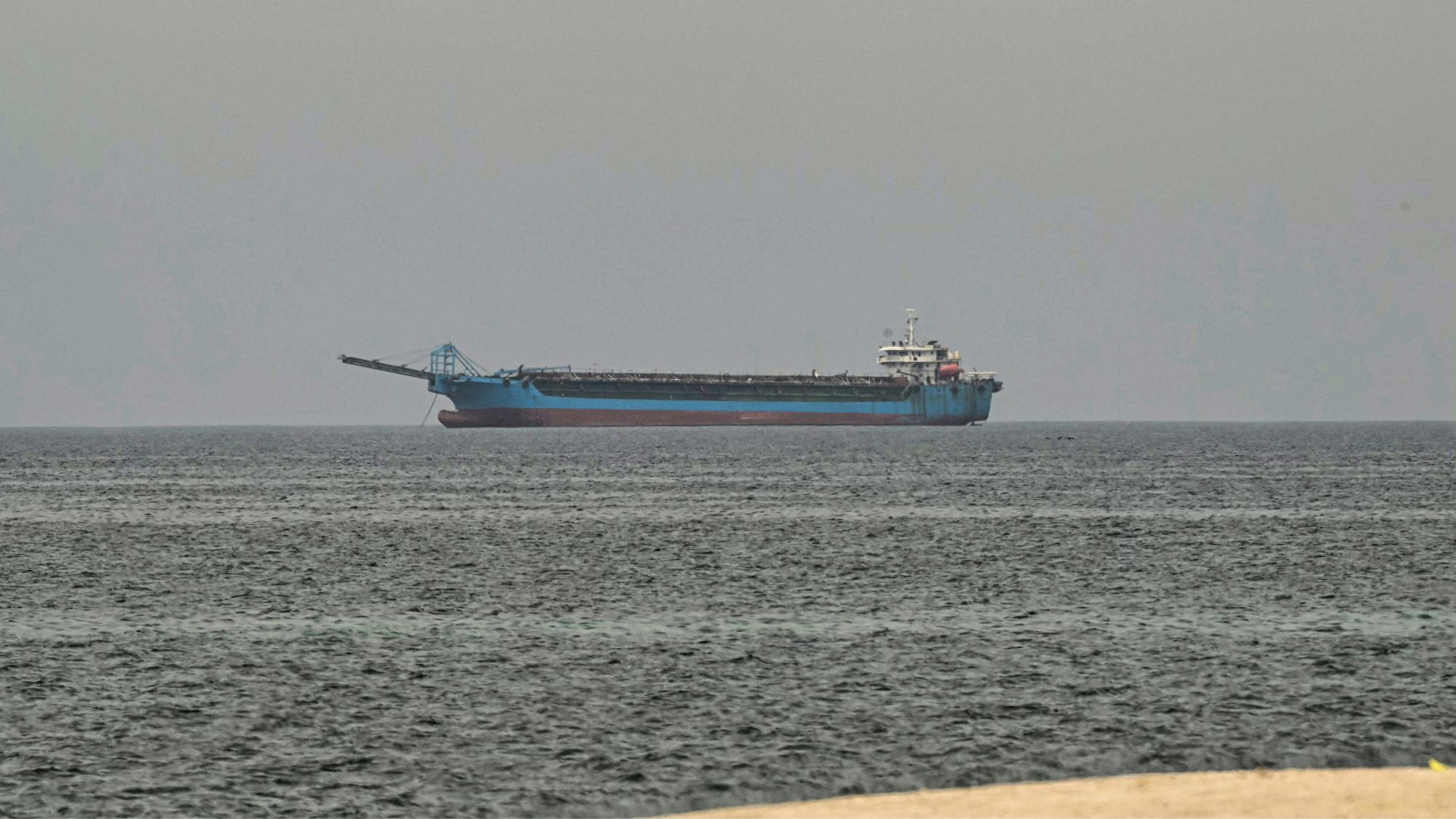
    US Navy begins blockade of Iranian ports

    What happened
    A US naval blockade of all Iranian-linked ships in the Strait of Hormuz is now in effect. Without a formal launch statement, American forces started restricting vessels travelling to or from Iranian ports, while allowing passage to ships using other terminals. Early signs of enforcement emerged when at least two tankers approaching the Strait of Hormuz altered course.

    Who said what
    “We’ve been called by the other side” and they would “like to make a deal very badly,” said Donald Trump. He also warned that any Iranian craft nearing US ships would be “immediately eliminated”. Iran’s military spokesperson Ebrahim Zolfaghari said if Iran’s ports were targeted, “no port in the Persian Gulf and the Sea of Oman will be safe”.

    The US president’s “ruthless blockade” will lock the US into a “war of attrition with Iran”, said David Blair in The Telegraph. “America wants to strangle the regime’s oil reserves once and for all”, but “why should an embargo succeed in breaking their resolve when 13,000 air strikes have so far failed?” The move will “make America a pirate nation”, said Sam Kiley in The Independent. It also “risks conflict with China, making Beijing seem like the grown-ups”.

    What next?
    Uncertainty remains over how rigorously the blockade will be enforced, particularly against large tankers. European governments have distanced themselves from the operation, with Keir Starmer calling the closure of the Strait of Hormuz “deeply damaging”.


    today’s energy story

    UK households urged to use more power over summer

    What happened
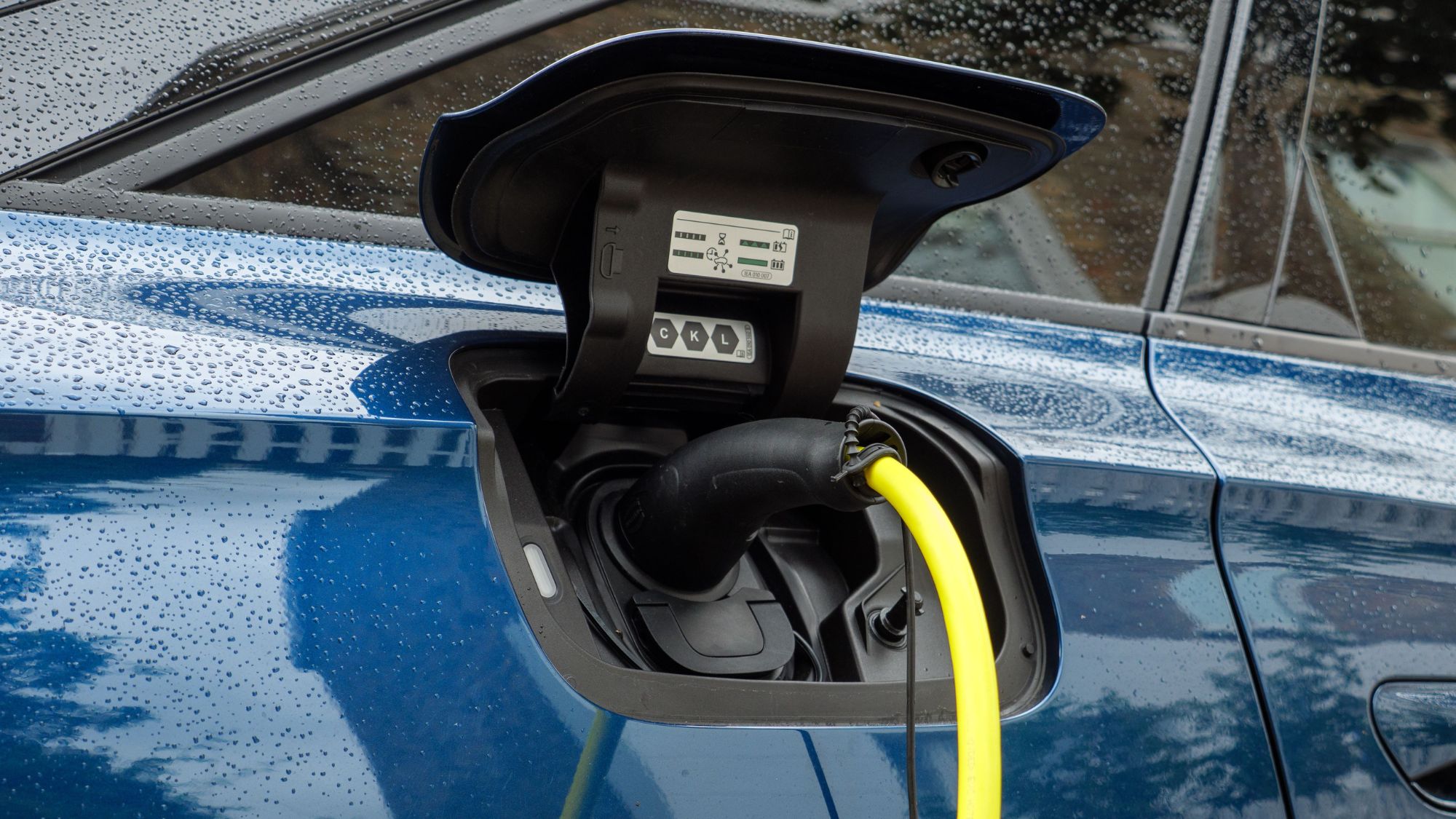
    Households across Great Britain may be encouraged to increase electricity use during periods of excess renewable generation this summer under new grid-balancing plans. Energy suppliers could offer sharply reduced or even free power at certain times, prompting people to run appliances or charge electric vehicles when wind and solar output is high.

    Who said what
    The National Energy System Operator (Neso) outlined the strategy as a way to avoid paying renewable generators to shut down when supply exceeds demand. Instead, consumers would be nudged to absorb surplus electricity.

    This summer is “expected to be a season of record renewable energy, and could be the first summer the grid runs entirely on zero-carbon electricity”, said Jillian Ambrose in The Guardian. The approach marks the first time Neso has directly called for increased consumption in order to stabilise the network.

    What next?
    A sunny, windy summer could strain grid capacity, raising blackout risks if supply outpaces demand. Longer term, infrastructure upgrades and rising electricity use from electric vehicles and industry are expected to ease pressure and reduce the level of wasted renewable energy.


    Today’s nuclear story

    New Wylfa power station to deliver 8,000 new jobs

    What happened
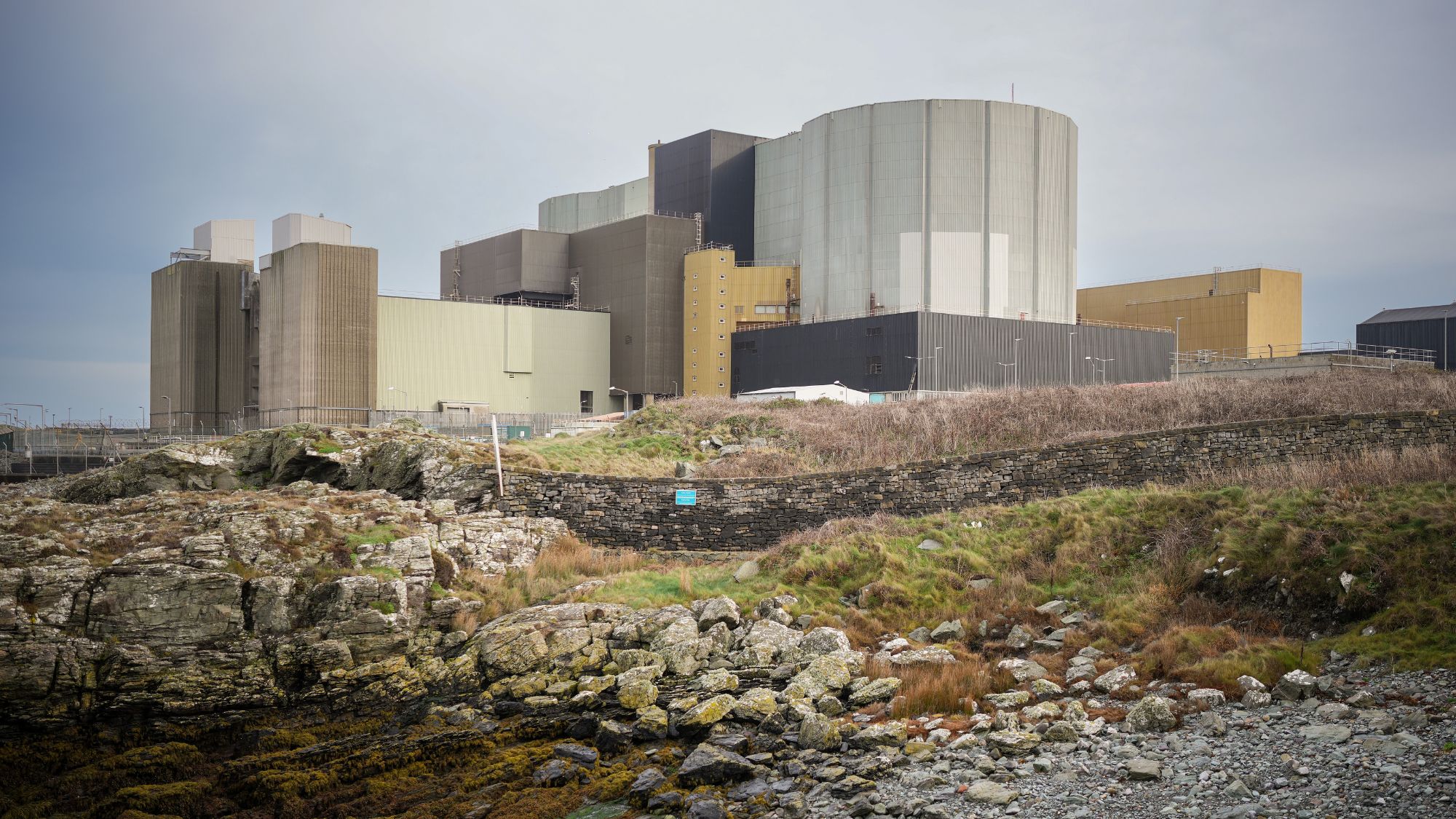
    Wales is set to begin building a first-of-its-kind nuclear power station, the government has announced. The site in Wylfa, Anglesey (pictured above), generated nuclear power from 1971 until its closure in 2015. The state-owned Great British Energy – Nuclear bought the site in 2024, and last year signed a £2.5 billion partnership with Rolls-Royce to develop the UK’s first small modular reactors.

    Who said what
    Rolls-Royce said the project would create 3,000 jobs near Wylfa, and another 5,000 across Britain. This is “a historic step for clean power, industrial growth and skilled jobs in Wales”, said Tom Greatrex, CEO of the Nuclear Industry Association.

    Small modular reactors are manufactured in a factory before being assembled on site to “drive down costs and speed up installation”, according to The Guardian. It is a “major milestone” for Britain’s energy security, said Energy Secretary Ed Miliband.

    What next?
    The government aims to have Wylfa’s three new reactors connected to the grid by the mid-2030s. It claims that the units will supply enough electricity to power the equivalent of 3 million homes for more than 60 years.


    It’s not all bad

    A 29-year-old engineer from Northern Ireland has devised a low-cost way to help Ukrainians repair homes damaged by war, creating lightweight, shatter-resistant windows that can be installed in minutes. Harry Blakiston Houston, who paused his doctoral studies in biotechnology engineering at Cambridge University to focus on the project, developed the design after learning how many people were living in freezing conditions with shattered panes. His solution uses triple-layered plastic fixed to simple wooden frames that cost about £20 each and offer insulation comparable to double glazing. Through his non-profit initiative, he and a small team have already fitted tens of thousands of these windows in frontline areas, often reaching homes within days when traditional glass replacements could take months.


    under the radar

    Human sperm can’t find their way without gravity

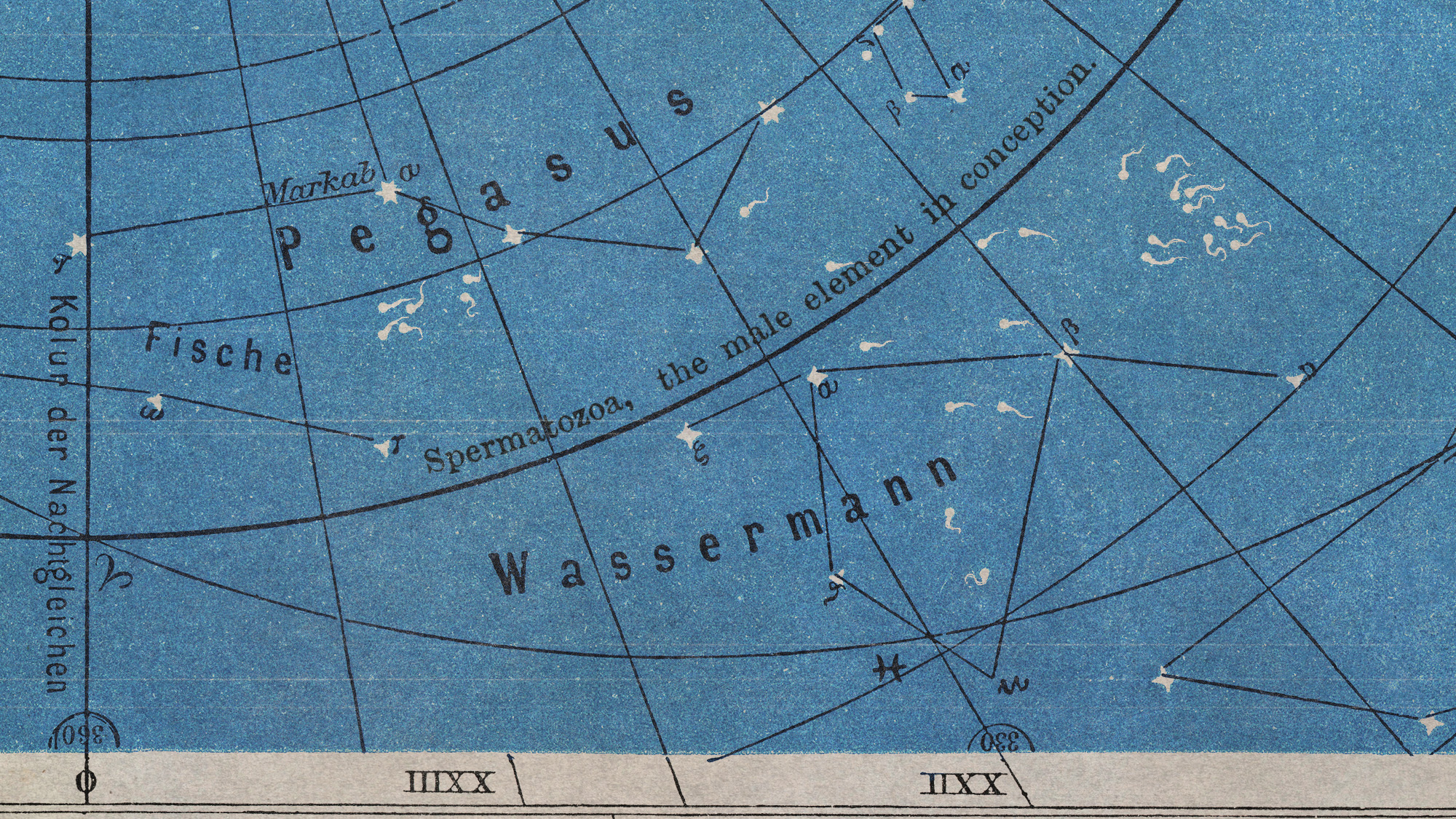
    Having kids is a decision with a lot of gravity, literally. Scientists have found that sperm in space can’t find their direction during the pursuit to fertilise an egg. Such digressions could pose a problem in the future as the possibility of human colonies in space becomes more likely.

    A lack of gravity “impaired the directional navigation and fertilisation capacity” of human sperm cells, said a study published in the journal Communications Biology. “This is the first time we have been able to show that gravity is an important factor in sperm’s ability to navigate through a channel like the reproductive tract,” said Nicole McPherson, a senior lecturer at Adelaide University’s Robinson Research Institute and the senior author of the study.

    But there may be a way to lead sperm in the right direction: the hormone progesterone. “Progesterone works as a chemical signal, a kind of biological homing beacon that the egg releases around the time of ovulation,” McPherson told Scientific American. “Sperm have receptors on their surface that detect this signal and use it to orient themselves and swim towards the source.” However, the progesterone only helped at concentrations “considerably higher” than those found in nature, so it is not yet a “simple fix for fertility in space”.

    As of now, “Nasa and other governmental space agencies maintain that no one has ever had sex in space”, said Scientific American. “But future human spacefarers may want to have families and reproduce while in a microgravity environment.”


    on this day

    14 April 1865

    US President Abraham Lincoln was shot in the head by John Wilkes Booth at Ford’s Theatre in Washington; he died a day later. The play “Oh, Mary!” a dark comedy about a miserable, suffocated Mary Todd Lincoln in the weeks leading up to Abraham Lincoln’s assassination, is currently on in London’s West End.


    Today’s newspapers

    ‘Didn’t have to die’

    “They didn’t have to die”, says The Sun, next to a photograph of the 2024 Southport stabbing murder victims. “This fight does not end today”, The Mirror says, as “grieving parents vow to fight on” and “battle for change”. “Trump repents his Jesus stunt”, says The Telegraph. “You’re not the Messiah, you’re a very naughty boy”, the Daily Star adds, while The Times says that the president “rolls the dice on blockading the Strait”.

    See the newspaper front pages


    tall tale

    Beginning of Ende

    Every end marks a new beginning. But for one German football club, an end has replaced a beginning. Second division Fortuna Duesseldorf announced over the weekend that it was replacing coach Markus Anfang (whose surname translates as “beginning”) with Alexander Ende (German for “end”) for the last five games of the season. German social media is awash with jokes about how Ende’s job is to forestall the end of Fortuna’s time in the division, with the team sitting just one point above the relegation zone.


    Morning Report was written and edited by Arion McNicoll, Jamie Timson, Harriet Marsden, Devika Rao, Ross Couzens and Chas Newkey-Burden, with illustrations by Julia Wytrazek.

    Image credits, from top: AFP / Getty Images; Alex Segre / UCG / Universal Images Group / Getty Images; Christopher Furlong / Getty Images; Illustration by Julia Wytrazek / Getty Images.

    Morning Report and Evening Review were named Newsletter of the Year at the Publisher Newsletter Awards 2025
     

    Recent editions

    • Evening Review

      Hungary for change?

    • Morning Report

      Hungarian opposition secures landslide win

    • Sunday Shortlist

      Zendaya’s ‘compulsively watchable’ romcom with a twist

    VIEW ALL
    TheWeek
    • About Us
    • Contact Future's experts
    • Terms and Conditions
    • Privacy Policy
    • Cookie Policy
    • Advertise With Us
    • FAQ
    Add as a preferred source on Google Add as a preferred source on Google

    The Week UK is part of Future plc, an international media group and leading digital publisher. Visit our corporate site.

    © Future Publishing Limited Quay House, The Ambury, Bath BA1 1UA. All rights reserved. England and Wales company registration number 2008885.