The Week The Week
flag of US
US
flag of UK
UK
https://cdn.mos.cms.futurecdn.net/flexiimages/jzblygzdxr1769609154.gif

SUBSCRIBE

Try 6 weeks free

Sign in
  • View Profile
  • Sign out
  • The Explainer
  • Talking Points
  • The Week Recommends
  • Podcasts
  • Newsletters
  • From the Magazine
  • The Week Junior
  • More
    • Politics
    • World News
    • Business
    • Health
    • Science
    • Food & Drink
    • Travel
    • Culture
    • History
    • Personal Finance
    • Puzzles
    • Photos
    • The Blend
    • All Categories
  • Newsletter sign up Newsletter
  • The Week Evening Review
    AI crash fears, the CDC’s lack of leadership, and waterways that control global trade

     
    TODAY’S BIG QUESTION

    Could the Iran war pop the AI bubble? 

    As the adoption of artificial intelligence across personal and professional vectors increases, so do the risks the industry takes on in the name of commercial growth and financial dominance. Mere weeks into the Iran war, the conflict has laid bare many of the fault lines upon which the AI sector has built its foundations. The result is a potentially perfect storm of intersecting factors that could pop the industry’s bubble.

    What did the commentators say?
    The business of artificial intelligence has “propped up global trade and investment” and “pushed stock markets from the U.S. to Asia to record highs” for the past three years, said the Financial Times. But as one of the most “power-hungry inventions ever” with a “slick chip production line that can cross more than 70 borders before reaching the final consumer,” the “fragilities in the AI supply chain” are now at particular risk from the ongoing Iran war. 

    Industry observers have “fretted publicly about an AI bubble” for the “better part of the past year,” said The Atlantic. Where fears of an AI crash leading to a “chain reaction across the financial system” once “felt hypothetical,” they now seem “almost inevitable.”

    The Iran war has unveiled a “paradox,” said Bloomberg. The war could “destabilize” significant monetary investment in AI from Gulf State allies, while “surging energy costs threaten to make data centers far more expensive to run.” The resulting “aftershocks of the conflict” are likely to “cleave the market in two,” leaving juggernauts like Microsoft, Alphabet and Amazon “exposed to the shifting financial landscape.” 

    One “threat receiving almost no attention,” which also carries perhaps the “greatest economic consequence for Americans at home,” is helium production, a third of which takes place in Qatar, said Fox News. “No helium. No chips. No AI.” Without these things, the “military edge carrying this war degrades.” 

    What next?
    The AI industry is “not made for the turbulence its leaders have helped usher in,” said The Atlantic. Even if AI manufacturers are “forced to slow down,” the “viability” of the enormous amounts of money leveraged to support the sector will “likely be called into question” in ways that could be “devastating for many.”


    QUOTE OF THE DAY

    ‘This is just gaslighting by the government. They have made the press credential we fought so hard to get back into a meaningless piece of plastic.’

    Ted Boutrous, an attorney for The New York Times, to Judge Paul Friedman about the Pentagon defying the judge’s order to remove a policy requiring journalists to turn in their media passes. “This is meant to purge the Pentagon of reporters who are engaging in independent reporting,” he added.


    IN THE SPOTLIGHT

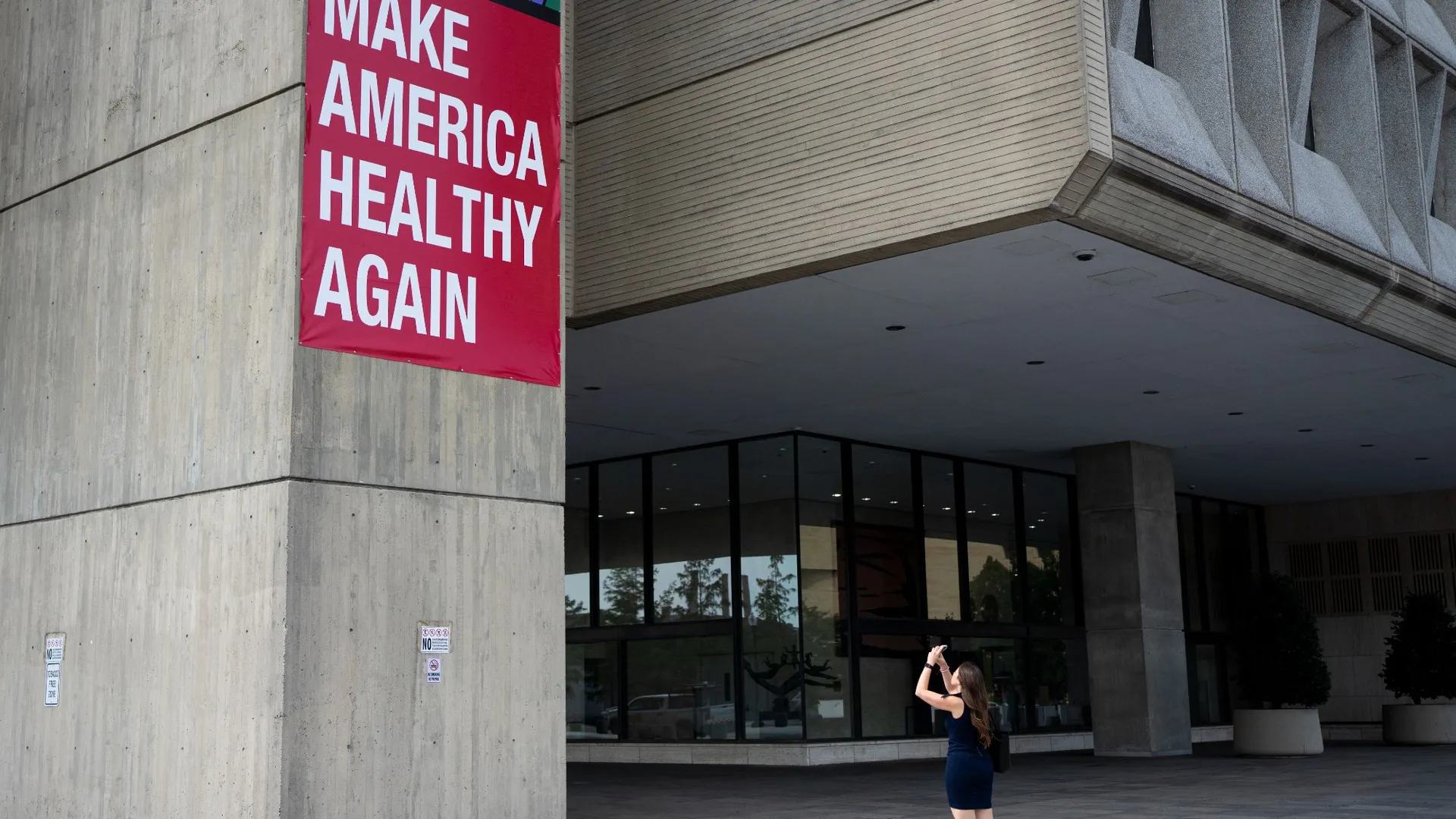
    The CDC is leaderless. That’s an issue for MAHA.

    The Centers for Disease Control and Prevention is struggling. The agency tasked with protecting the health of U.S. citizens has lost a quarter of its staffers over the last year, morale is lousy for those who remain, and for the moment, the organization has no leader. Its last Senate-confirmed director was ousted in August, and no replacement has been chosen.

    Health and Human Services Secretary Robert F. Kennedy Jr. promised to restore trust in the CDC following the Covid-19 pandemic. But can his “Make America Healthy Again” (MAHA) movement survive the turmoil?

    Why MAHA might be stuck on the tracks
    Kennedy’s MAHA agenda “appears to be stalled,” said The Guardian. The CDC lacks a director, and the administration “isn’t ready to nominate” a new director despite a deadline of last week to do so, said CNN. 

    The nomination delay comes as MAHA and Kennedy “appear to be on the ropes,” said Tom Bartlett at The Atlantic. MAHA supporters are “angry” that Trump is shielding herbicide makers from legal liability. 

    In addition, the Food and Drug Administration’s vaccine chief just left the agency, a federal judge put a hold on Kennedy’s anti-vaccine agenda, and the Kennedy-allied vice chair of the CDC’s vaccine advisory panel resigned last week. Those events, taken together, suggest the secretary’s hold on power is “waning.” 

    White House avoids controversy
    Federal law says that acting agency directors “may not serve in the role for more than 210 days,” said The Hill. That deadline passed last week. National Institutes of Health Director Jay Bhattacharya, who had been serving as acting director, has been “delegated to provide continuity in day-to-day CDC processes” until a permanent replacement is confirmed, said a White House spokesperson.

    Getting Senate confirmation is a “potentially tall order,” said Axios. Kennedy and other Trump health appointees have “antagonized some of the chamber’s Republican centrists.” The White House is especially “eager to avoid further controversial health moves” ahead of November’s midterm elections. So Trump’s eventual CDC pick, said Roll Call, “may need both MAHA and science chops.” 


    Statistic of the day

    3 minutes: The time it took for thieves to break into Italy’s Magnani-Rocca, a private art foundation and museum outside the city of Parma, and steal 3 paintings by Cézanne, Matisse and Renoir. The masked gang was interrupted by an alarm but still got away with an estimated $10.3 million worth of art, according to officials.


    THE EXPLAINER

    The 5 waterways that control global trade 

    Much has been made of the closing of the Strait of Hormuz during the Iran war, given that the passage is a major lifeline for the global economy. But it’s just one of five major waterways that play a significant role in world trade.

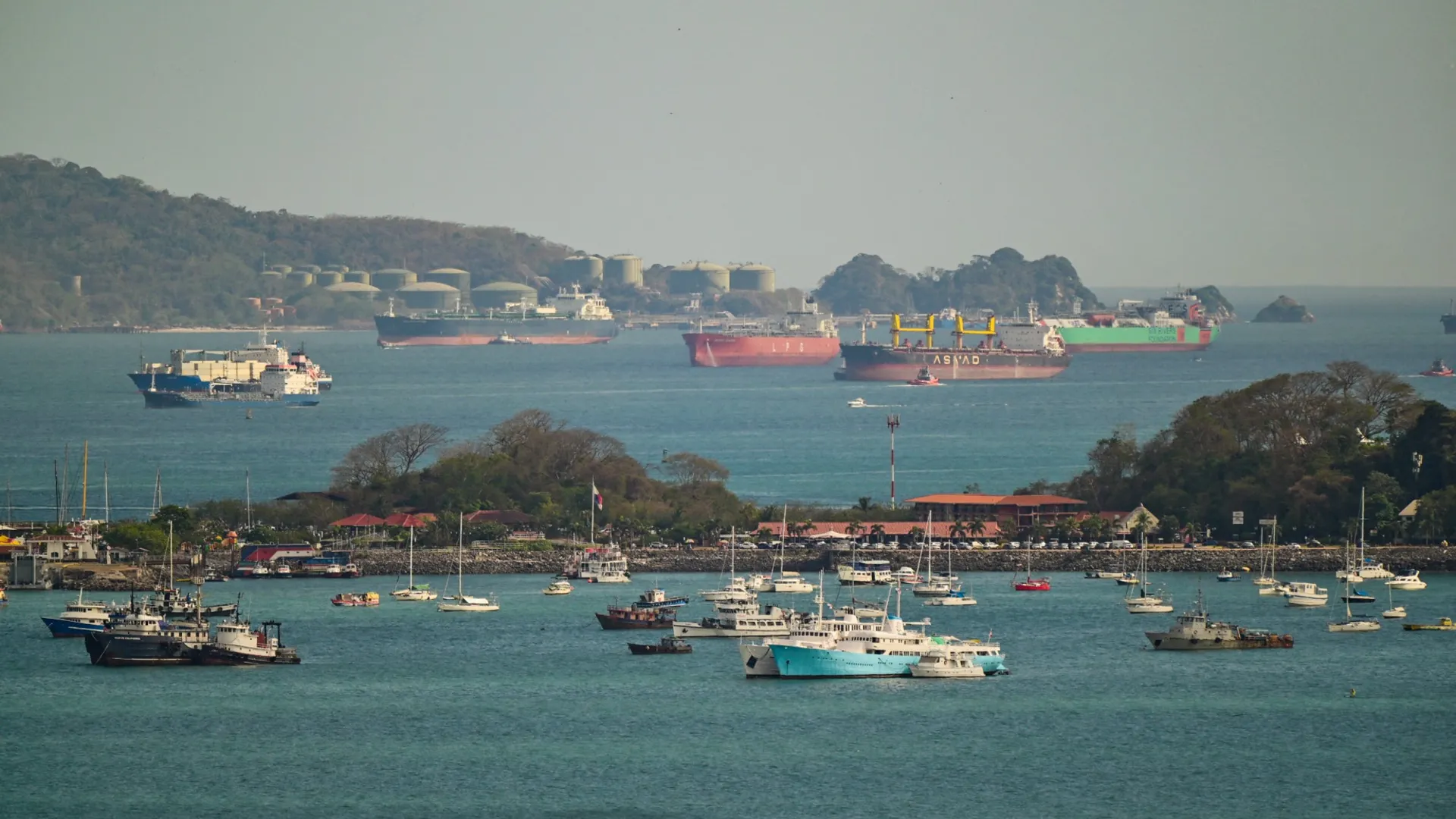
    Panama Canal
    This canal connects the Atlantic and Pacific Oceans and lets ships “avoid the lengthy voyage around Cape Horn,” said the International Trade Administration, contributing to the “reduction of carbon emissions.” President Donald Trump has pushed for the U.S. to gain control of the canal, but Panama has managed it “incredibly well,” said the Harvard Kennedy School of Government.

    Strait of Malacca
    This strait in Southeast Asia serves as a passage between the Indian and the Pacific oceans. It represents “one of the most strategically, economically and politically significant maritime chokepoints in the world,” said the National Bureau of Asian Research. 

    Suez Canal
    This waterway is the “only place that directly connects the waters of Europe with the Arabian Sea, the Indian Ocean and the countries of the Asia-Pacific,” making it an essential waterway for cargo, said CNN. In 2021, a vessel became stuck across the shipping lane, and disruptions like this can have “outsized impacts on global commerce and energy markets,” said the Atlantic Council, given that over $1 trillion goods are transported through the Suez annually.

    Turkish Straits
    These straits are the “only waterway connecting the Black Sea to the Mediterranean Sea,” said Turkey’s Ministry of Foreign Affairs. During times of conflict, the Dardanelles and the Bosphorus become strategically vital due to a 1936 treaty stating that “vessels of war belonging to belligerent powers shall not pass” through the straits, said Arab News. 

    Strait of Hormuz
    Cutting between Iran, the United Arab Emirates and Oman, Hormuz is one of the “world’s busiest oil shipping channels,” said BBC News. Its recent closure could affect more than just gas prices, as it’s also a “vital channel for imports to the Middle East,” said BBC News. If not reopened soon, it could harm “energy markets, maritime transport and global supply chains,” said the U.N. Conference on Trade and Development.


    Good day 🎤

    … for Celine Dion fans. After being diagnosed with the rare and incurable stiff-person syndrome in 2022 and canceling her remaining world tour dates in 2023, the French-Canadian singer has announced her return to the stage with 10 full-length concerts in Paris in September and October. Dion is “feeling good” and “strong,” she said in an Instagram post.


    Bad day 🤡

    … for Bolivian clowns. Dozens of face-painted performers have been protesting outside of Bolivia’s Ministry of Education against a government decree limiting extracurricular activities in schools that threatens their livelihoods. The new mandate requires 200 days of lessons a year, leaving little time for schools to host festivities that the entertainers rely on for employment.


    Picture of the day

    Uprooted

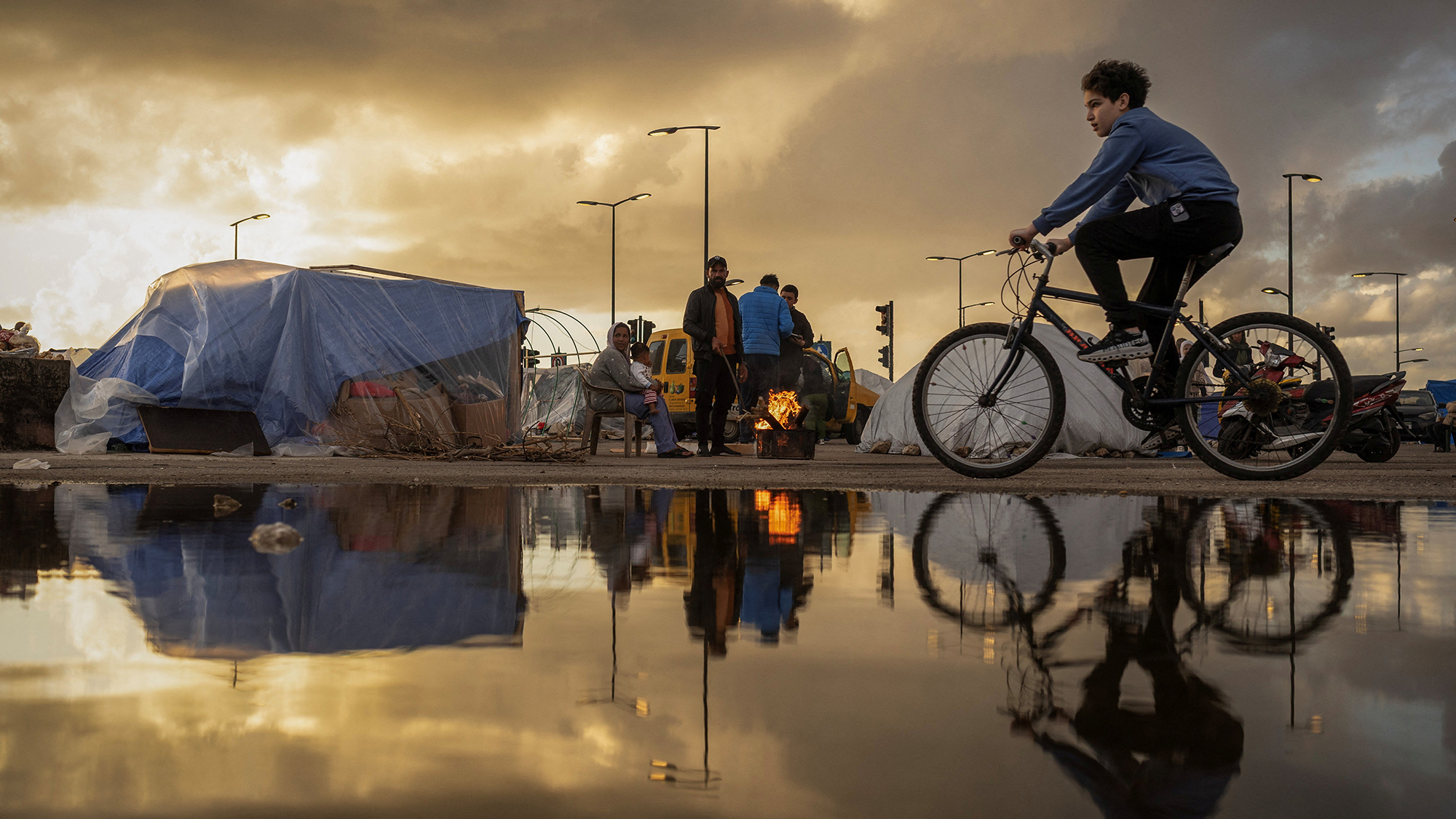
    A family stands next to a fire outside their tent at a temporary encampment for displaced people in Beirut, Lebanon. As Israel expands its military operations into the country, more than a million people have been forced to leave their homes.
    Adnan Abidi / Reuters


    Puzzles

    Daily sudoku

    Challenge yourself with The Week’s daily sudoku, part of our puzzles section, which also includes guess the number

    Play here


    The Week recommends

    The best US destinations for sports fans

    Cheering on your favorite sports team while watching games from the couch is fun. But everyone knows it’s even better to cheer the team on in person. At these sports-centric spots, the thrills exist inside and outside the stadiums and arenas.

    Arlington, Texas
    A 2026 World Cup host city, Arlington is also the home of the Dallas Cowboys and AT&T Stadium, one of the “most impressive dome stadiums in the NFL,” said Fox Sports. Visitors can go behind the scenes on a guided stadium tour, stepping into exclusive areas and learning more about the facility’s contemporary art museum. 

    Los Angeles
    Yes, there are nearly a dozen major sports teams based in L.A., including the storied Dodgers, Lakers and Kings, plus new powerhouses like Angel City FC. When you are not at a match (or joining a game with locals), tour the historic Los Angeles Memorial Coliseum or show off your athletic prowess at Highland Park Bowl, a lovingly restored 1927 bowling alley where “old pinsetters serve as chandeliers,” said the Los Angeles Times.

    Philadelphia
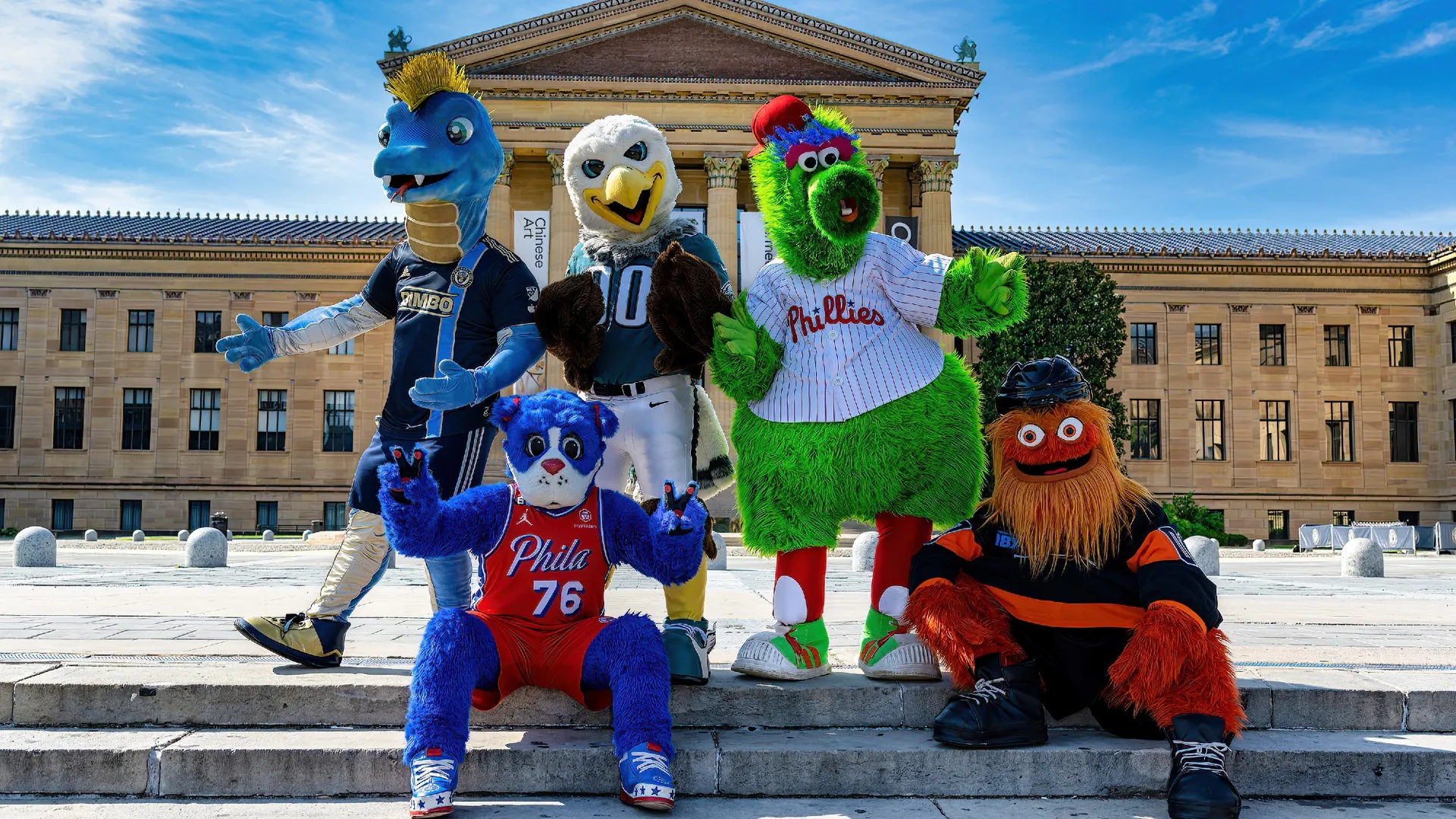
    Whatever the game, you can find it in Philly. This is one of the “most impassioned sports cities in the country,” said Axios Philadelphia, and one of four locations in North America that’s home to an MLB (Phillies), NFL (Eagles), NBA (76ers) and NHL (Flyers) team (some Philadelphia mascots pictured above). They all play at the Philadelphia Sports Complex, where nearly 400 events are held every year.

    Read more


    Poll watch

    Most full-time employed women (60%) believe men have more opportunities to earn competitive wages than they do, according to a survey from The Associated Press-NORC Center for Public Affairs Research of 1,156 U.S. adults. Only about 2 in 5 employed men believe they have an advantage over women. 


    INSTANT OPINION

    Today’s best commentary

    ‘How risky can the weight-loss drug boom be? I learned the hard way.’
    Jimmie Wilson at The Washington Post
    GLP-1 popularity has “fueled a thriving market for unregulated copycat versions,” and “most patients have no idea how risky these knockoff drugs can be,” says Jimmie Wilson. What “many doctors may not know is that compounded drugs and name-brand drugs are not the same.” Compounding pharmacies “exist to make custom formulations for patients who can’t take branded medications.” They were “not intended, nor are they equipped, to safely mass-produce” drugs such as GLP-1s.

    ‘Did Gen Z show up to this “No Kings” protest? Sort of.’
    Haley Taylor Schlitz at The Minnesota Star Tribune
    It’s “easy to ask, ‘Where was Gen Z?’ in a way that sounds like an accusation, as some have done after previous ‘No Kings’ protests,” says Haley Taylor Schlitz. For “young people, public outrage has rarely arrived as a singular moral awakening.” It’s “not whether Gen Z wants a king,” but many have been “politically formed by an era in which speeches, protests and hashtags too often end the same way: with emotional release and too little change.”

    ‘The WNBA is taking off. What took so long?’
    Keia Clarke at Time
    The WNBA’s “cultural and economic influence can no longer be denied,” says Keia Clarke. WNBA players are “set to become some of the highest-paid women athletes in the world,” and that kind of “growth prompts a harder question: Why did it take so long?” From the “beginning, there was optimism and real conviction about what women’s basketball could become. But belief and scale are not the same thing.” Fans “can’t invest in what they don’t see or what they don’t understand.”


    WORD OF THE DAY

    jeepney

    A small bus used for public transport in the Philippines, originally made from American military Jeeps left behind after World War II. Following recent strikes by transport workers hit by rising fuel costs, Manila’s city government will subsidize more than 1,400 jeepneys to support the sector and allow commuters to ride for free.


    Evening Review was written and edited by Theara Coleman, Nadia Croes, Scott Hocker, Anya Jaremko-Greenwold, Justin Klawans, Joel Mathis and Rafi Schwartz, with illustrations by Stephen Kelly.

    Image credits, from top:  Illustration by Stephen Kelly / Getty Images; Bill Clark / CQ-Roll Call / Getty Images; Martin Bernetti / AFP / Getty Images; Gilbert Carrasquillo / GC Images / Getty Images
     

    Recent editions

    • Morning Report

      Starmer warns of ‘two-front war’ as local elections loom

    • Evening Review

      American president vs. American pope

    • Morning Report

      Iran threatens to ‘rain fire’ on US ground troops

    VIEW ALL
    TheWeek
    • About Us
    • Contact Future's experts
    • Terms and Conditions
    • Privacy Policy
    • Cookie Policy
    • Advertise With Us
    • FAQ
    Add as a preferred source on Google Add as a preferred source on Google

    The Week UK is part of Future plc, an international media group and leading digital publisher. Visit our corporate site.

    © Future Publishing Limited Quay House, The Ambury, Bath BA1 1UA. All rights reserved. England and Wales company registration number 2008885.