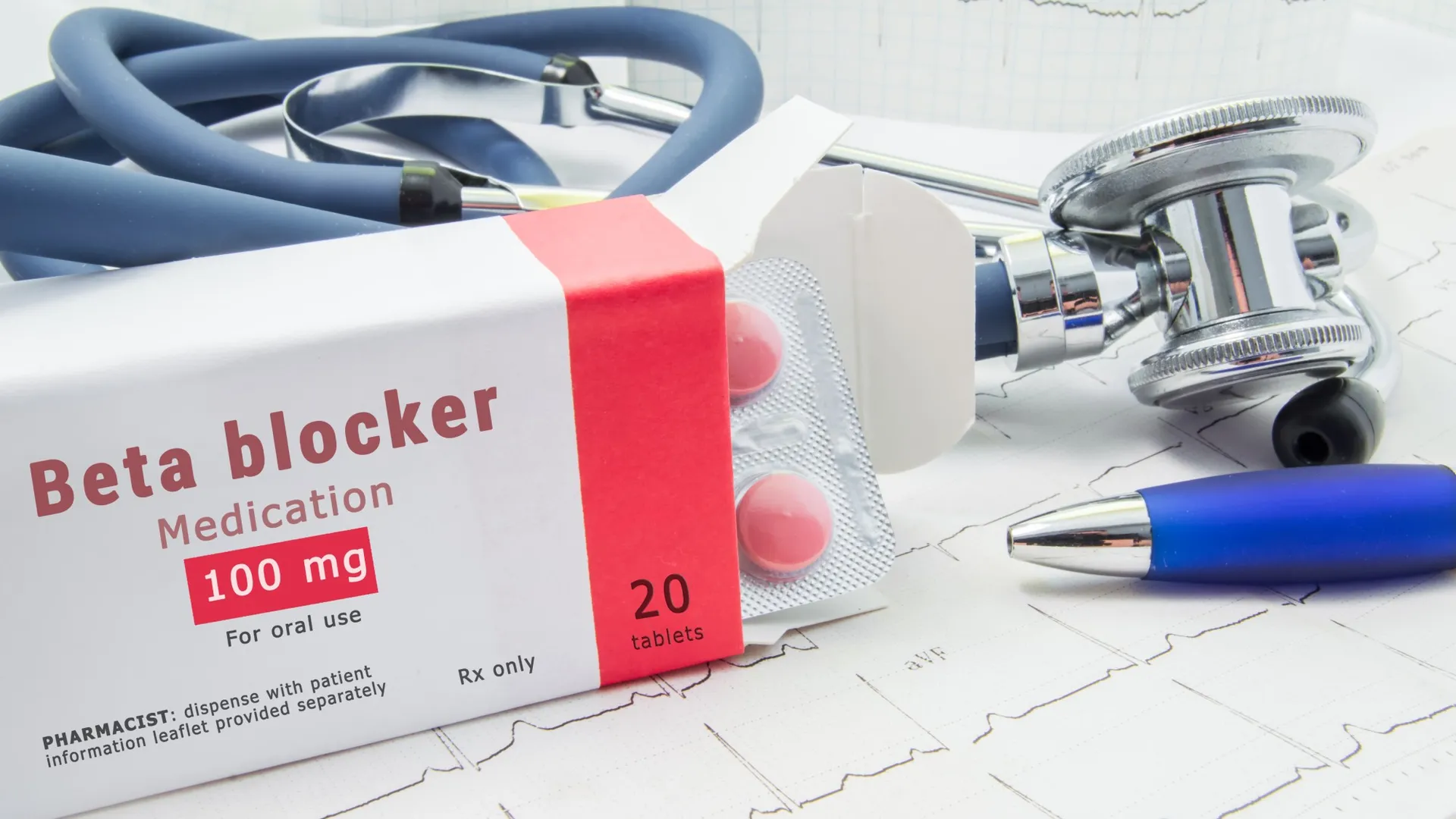
“A little blue pill is creating a stir in Hollywood,” said pharmaceuticals expert Dipa Kamdar at The Conversation. “And no, it’s not Viagra.” Celebrities have been singing the praises of propranolol, a beta-blocker originally designed for heart conditions that also helps with anxiety. Kristen Bell, Rachel Sennott and Natasha Rothwell have mentioned taking the pill at red-carpet events over the past year.
These A-lister endorsements have helped to fuel a surge in demand for propranolol prescriptions, especially among young women and girls. It’s now the “go-to pill for dealing with all sorts of stressful situations, from public speaking to first dates,” said The Wall Street Journal. In the U.S., propranolol prescriptions are up by 28% from 2020, according to global IQVIA data, per the Journal.
How do they work?
Beta-blockers were approved by the Food and Drug Administration in 1967 for the treatment of heart problems, including high blood pressure, arrhythmia (irregular heart rate) and angina. But the drugs were also found to reduce physical responses to anxiety, such as high heart rate, sweating, nausea and trembling hands. And while other medications prescribed for anxiety can take weeks to work, beta-blockers like propranolol (brand name Inderal, among others) can take effect within an hour.
Unlike drugs such as alprazolam (brand name Xanax, among others) or diazepam (brand name Valium, among others), which “act directly on the brain and can leave people feeling sedated, foggy or zoned out,” propranolol and six other beta-blockers like it don’t address anxiety’s “underlying roots,” said The Boston Globe. Instead, they block the physical symptoms by slowing down the heart rate and lowering blood pressure.
Are there any risks?
Compared to alprazolam and diazepam, propranolol is a nonaddictive and low-risk medication. However, it’s “not without risks or side effects,” said Kamdar. Because propranolol reduces blood pressure and heart rate, common side effects include dizziness, fatigue, cold hands and feet, and vivid dreams. “More serious risks, though rare, include heart failure, breathing difficulties and allergic reactions.” |