The Week The Week
flag of US
US
flag of UK
UK
https://cdn.mos.cms.futurecdn.net/flexiimages/jzblygzdxr1769609154.gif

SUBSCRIBE

Try 6 weeks free

Sign in
  • View Profile
  • Sign out
  • The Explainer
  • Talking Points
  • The Week Recommends
  • Podcasts
  • Newsletters
  • From the Magazine
  • The Week Junior
  • More
    • Politics
    • World News
    • Business
    • Health
    • Science
    • Food & Drink
    • Travel
    • Culture
    • History
    • Personal Finance
    • Puzzles
    • Photos
    • The Blend
    • All Categories
  • Newsletter sign up Newsletter
  • The Week Evening Review
    Global weather predictions, birth tourism, and AI restrictions in the EU

     
    TODAY’S BIG QUESTION

    Is the world ready for a record-breaking El Niño?

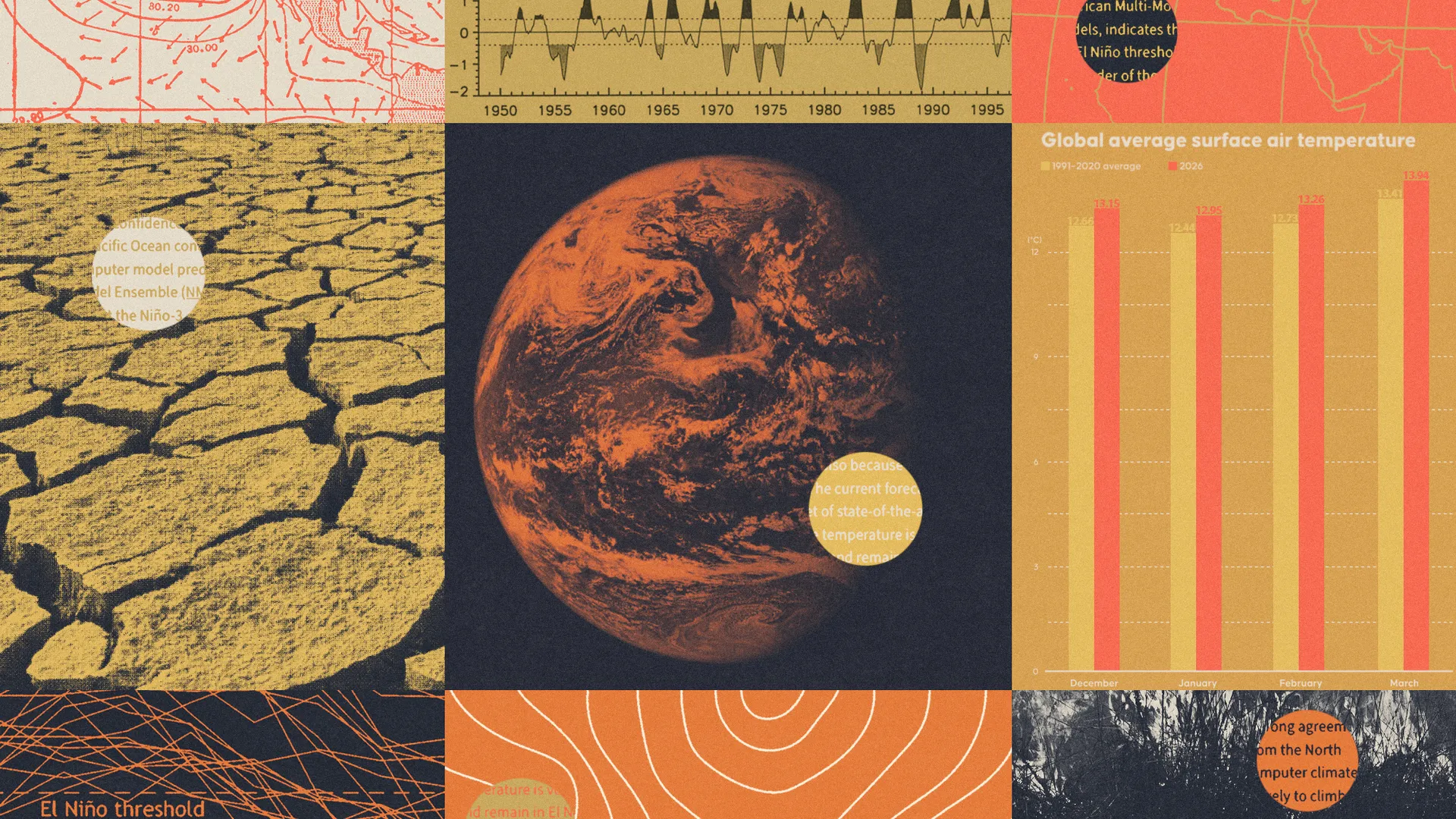
    El Niños arrive every few years, inflicting climate destruction across the globe. And scientists predict the “biggest El Niño event since the 1870s” in the coming months, said Paul Roundy, of the State University of New York at Albany, per The Washington Post. Rising temperatures in the equatorial Pacific Ocean waters could “shift patterns of droughts, floods, heat, humidity and sea ice across the planet,” said the outlet, as well as create a “higher frequency of heat waves” across much of the U.S. 

    What did the commentators say?
    Although they are natural phenomena, El Niños could prove combustible when combined with global warming. The coming El Niño might “lock Earth into a hotter climate” with “lasting changes in heat, rainfall and drought patterns,” said Inside Climate News. And researchers believe the newest cycle could “permanently push” the planet past the 1.5-degree-Celsius warming milestone long seen as the threshold for “irreversible climate impacts” likely to affect food production, human health and the global economy.

    The world is about to learn “how much climate disruption we can manage,” said David Wallace-Wells at The New York Times. The biggest recorded El Niño in 1877 produced famine that killed millions of people in Egypt, India and China, often followed by epidemics of “malaria, plague, dysentery, smallpox and cholera.” The next El Niño may not “produce nearly as much human suffering,” but it’s “almost certain” to make 2027 the “hottest year on record.”

    What next?
    “A lot has changed” since the 1877 El Niño, said The Washington Post. Advances in climate monitoring make the world “more prepared to deal with the consequences” of massive weather shifts.

    It will still be a challenge. “Hotter, drier weather across Asia” could damage crops while farmers on the continent “grapple with fertilizer shortages” caused by the Iran war, said Reuters. El Niño could also “dump more rain ​on Europe and the United States,” affecting U.S. corn and soybean harvests. 

    The uncertainty may prompt farmers to hedge their planting plans. “Why spread expensive fertilizer on a crop that’s going to be poor anyway?” said Vitor Pistoia at Australia’s Rabobank to Reuters.


    QUOTE OF THE DAY

    ‘One in three Americans are under-babied.’

    Centers for Medicare and Medicaid Services Administrator Mehmet Oz, to the press in the Oval Office during an executive signing, on the U.S.’s lower fertility rate. “For men in 1970, men had twice the sperm count as our teenagers do today,” said Health Secretary Robert F. Kennedy Jr. soon after.


    IN THE SPOTLIGHT

    Birth tourism: Trump’s anti-immigration crackdown

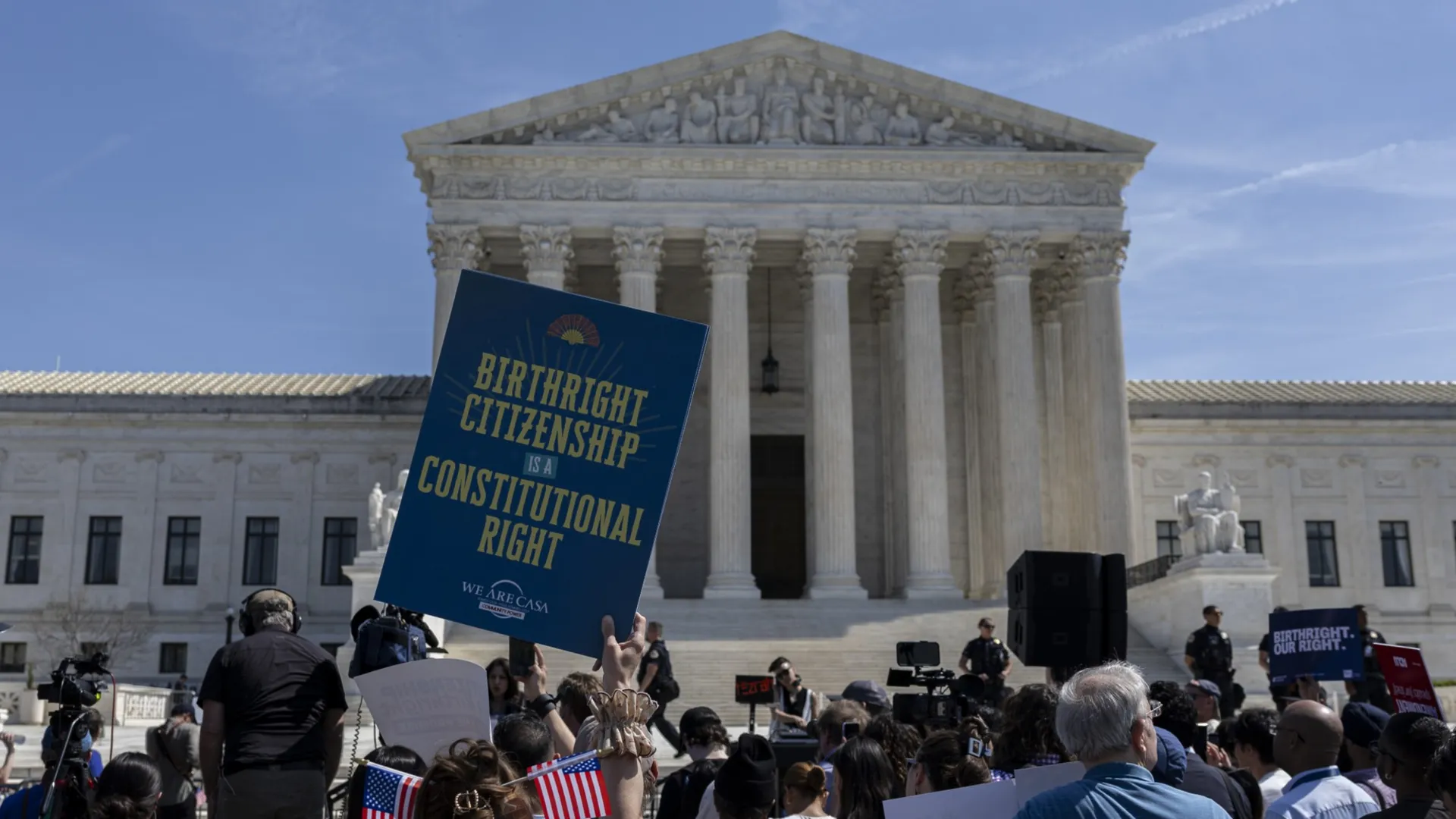
    With the U.S. Supreme Court set to rule on President Donald Trump’s challenge to birthright citizenship, an oft-cited practice is at the center of it all: birth tourism. The court may further support the Trump administration’s anti-immigration stance by cracking down on it.

    ‘Side issue into a main argument’
    Birth tourism occurs when pregnant women from other nations “travel to the U.S. for the purpose of giving birth, thereby obtaining citizenship for their babies,” said The Philadelphia Inquirer. The trend is “rare, despite the outsized role it has gained in the debate over citizenship.” There are about 26,000 cases of birth tourism in the U.S. annually, according to the Migration Policy Institute. While this is just a small fraction of the 3.5 million yearly U.S. births, the White House has “elevated what was once a side issue into a main argument for revocation.”

    Trump signed an order banning birthright citizenship in 2025, triggering a “series of legal challenges” now before the Supreme Court given that the practice is enshrined in the 14th Amendment. “Uncounted thousands of foreigners from potentially hostile nations have flocked to give birth in the United States in recent decades,” said U.S. Solicitor General D. John Sauer in oral arguments to the Supreme Court.

    ‘Scale of the problem is marginal’
    Even though the White House has positioned birth tourism as a major factor in why birthright citizenship should be overturned, proponents say that the “scale of the problem is marginal,” said The New York Times. They argue that it can be “addressed through regulation and law enforcement without eliminating what has long been considered a central tenet of the United States: equality at birth.”

    Republicans have long used birth tourism as a way to highlight criminal enterprises. In 2019, officials in California “arrested three people who operated multimillion-dollar birth tourism companies and had charged as much as $100,000 to Chinese couples,” said the Times.

    Support for overturning birthright citizenship remains low. Nearly two-thirds of Americans (65%) think citizenship should be granted to all children born on American soil, according to a recent AP-NORC survey. 


    Statistic of the day

    275 million: The number of users at almost 9,000 schools worldwide whose data has been accessed by hacker group ShinyHunters from school software Canvas, including private conversations and personal identifying information. In exchange for an undisclosed ransom payment from Canvas owner Instructure, the hackers will return the data and confirm it has been destroyed on their end. 


    THE EXPLAINER

    Why the EU is rolling back AI restrictions

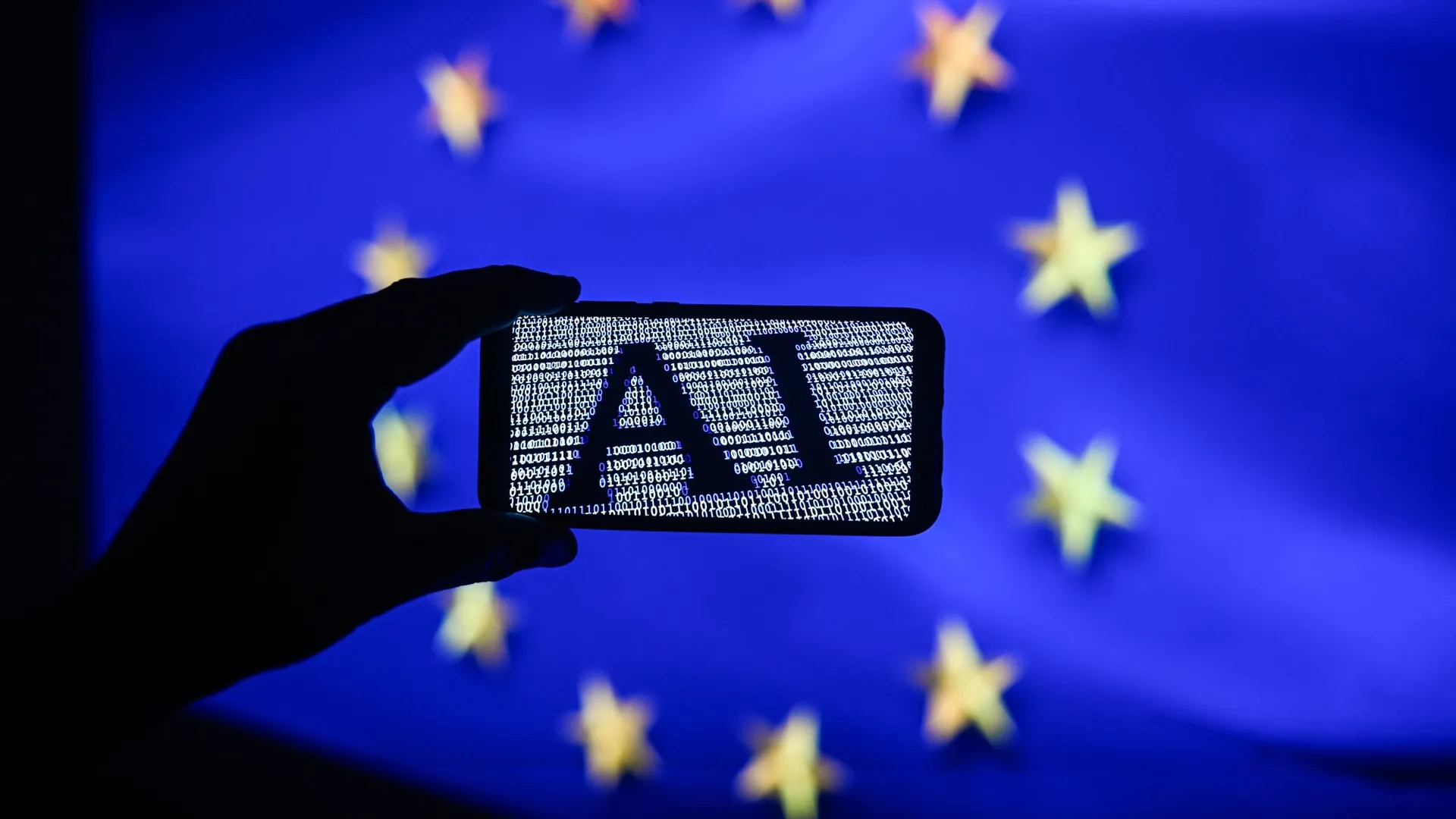
    Limitations on high-risk uses of artificial intelligence in the EU will be delayed by more than a year under a deal struck by its legislators. The deal “marks a notable rollback” in the bloc’s “digital rulebook,” said The Register, after “years of Brussels proudly marketing itself as the world’s tech cop.”

    What’s changing?
    The EU’s AI Act came into force in August 2024 following “years of talks.” But as part of a “phased rollout,” the rules governing high-risk uses were only “set to kick in this August,” said Politico.

    Now, the bloc has “hit the regulatory equivalent of snooze for 16 months,” said The Register. The “headline change pushes back enforcement of rules covering systems” in areas such as biometrics, critical infrastructure, education, employment, migration and border control until December 2027. 

    EU officials insist the delay is “about timing, not watering down the law,” said The Register. They claim the rules are “moving faster than the standards needed to support them” and that companies currently “lack the guidance and technical tools required for compliance.”

    Is this good for Big Tech?
    The change of heart is a “big win” for tech firms and industry groups that have been lobbying the EU to “soften” the AI Act, said The Register. As recently as last week, bosses from companies including ASML, Airbus, Ericsson, Nokia, SAP, Siemens and Mistral AI “publicly warned that Europe risked over-regulating itself out of the global AI race.”

    The new deal marks the “first significant rollback” of rules in the digital sphere and comes after the EU faced pressure from the U.S. over its tech laws. There were also “warnings” from its own industry and governments that “strict restrictions had put the bloc at a disadvantage in a global AI race,” said Politico. “Only a couple of countries around the world” followed the EU’s lead on restrictions, so the bloc “faced criticism” for “cracking down on AI too early.” 

    What’s staying the same?
    Some aspects of the AI Act will keep to their original schedule. Bans on unacceptable-risk artificial intelligence have been applied since February 2025, according to the European Commission. And the transparency obligations under Article 50, including disclosure for chatbot interactions, will be applied starting Aug. 2.


    Good day 🧠

    … for honest uncertainty. South Korean researchers have developed a way to train artificial intelligence to acknowledge when it doesn’t know something by mimicking the way human brains solve problems, according to a study published in the journal Nature Machine Intelligence. The breakthrough could significantly reduce AI’s overconfidence bias, making it less likely to hallucinate and give wrong answers.


    Bad day 🌿

    … for wetland protection. Colombia’s Cienaga Grande de Santa Marta, a coastal wetland, has been overrun by an invasive plant called Hydrilla verticillata. It’s “choking fishing routes, clogging waterways and restricting access to areas where residents collect water” while driving up costs in communities that “rely almost entirely on the lagoon for their livelihoods,” said The Associated Press.


    Picture of the day

    Safe hands

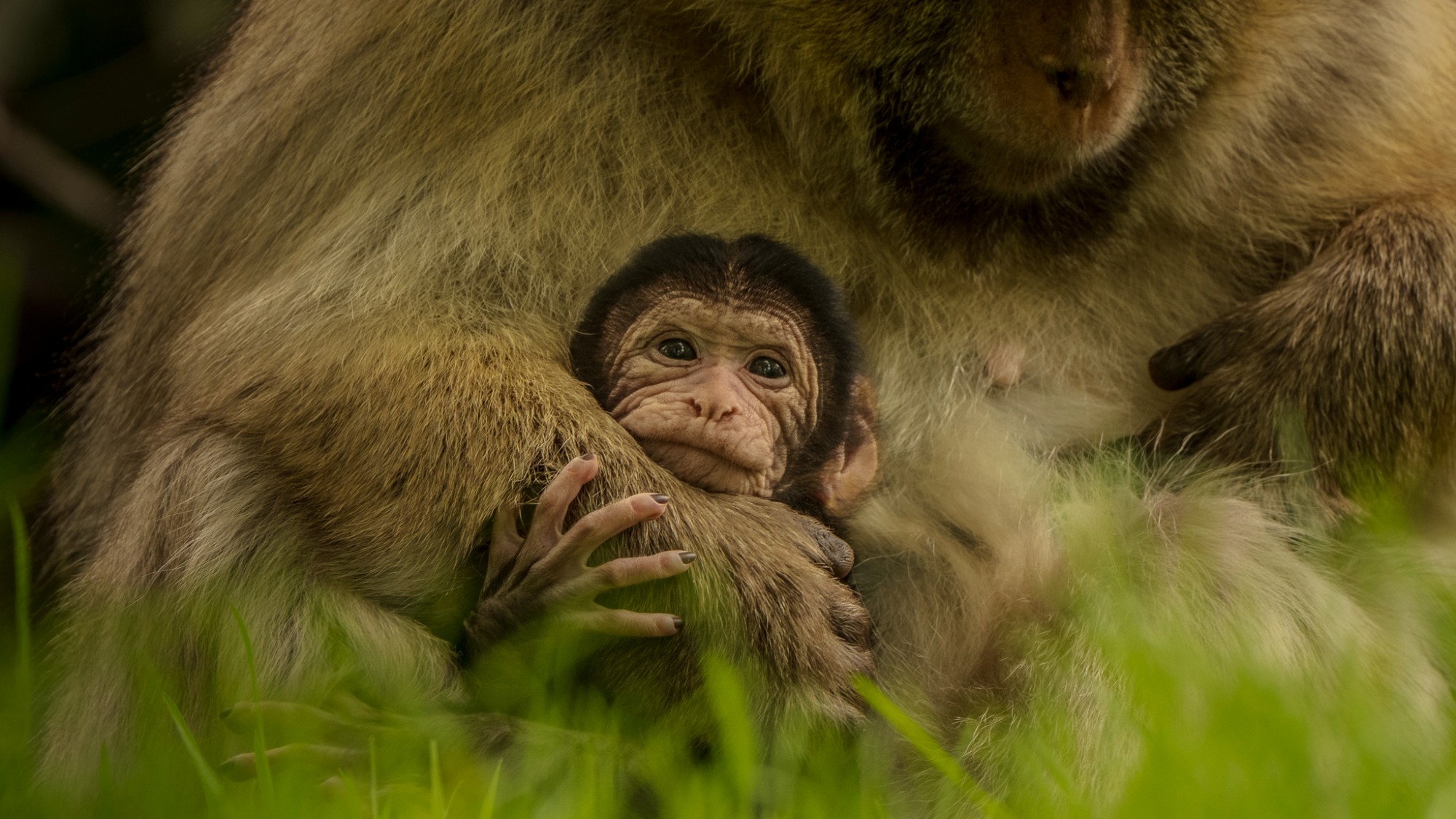
    A Barbary macaque clutches its mother at Trentham Monkey Forest in Staffordshire, U.K. The baby is one of four newborns at the sanctuary for the endangered monkeys, which roam freely in a 60-acre forest.
    Josh Torlop / Trentham Monkey Forest


    Puzzles

    Daily sudoku

    Challenge yourself with The Week’s daily sudoku, part of our puzzles section, which also includes guess the number

    Play here


    The Week recommends

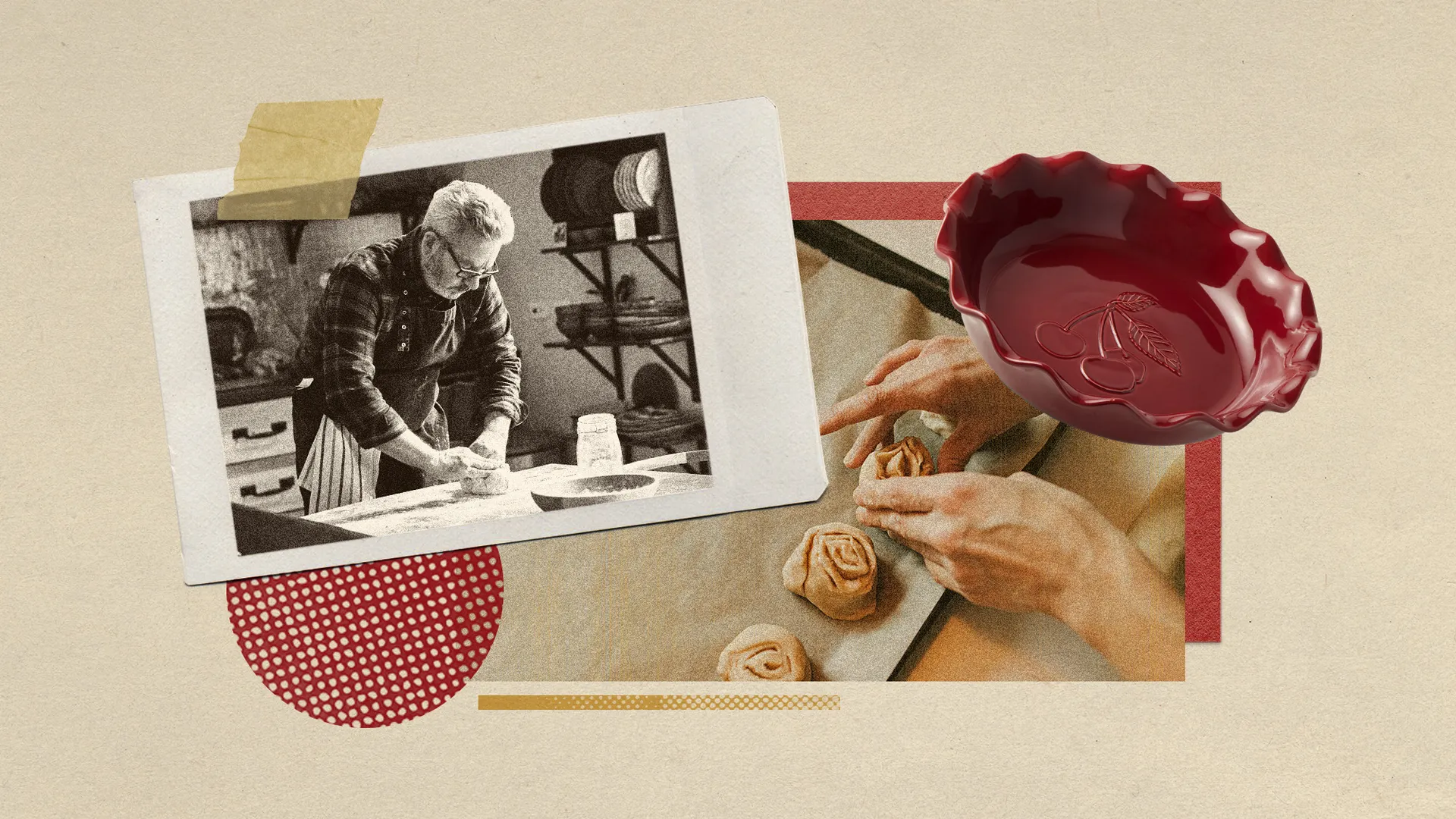
    Most practical kitchen gifts for the bakers in your life

    They always share their delicious homemade breads and baked goods with you, and now it’s time to return the favor. These tools will soon be your favorite baker’s newest kitchen indispensables.

    Burlap & Barrel Sugar, Spice & Everything Nice gift bundle
    Everything they need for a sweet treat or comforting warm beverage is in this collection. The star is Royal Cinnamon, Burlap & Barrel’s signature spice known for its intense flavor. Bottles of coconut sugar, cinnamon sugar crunch, panela cane sugar, chai base and Nyanza vanilla extract round out the set. ($86, Burlap & Barrel)

    Esembly bowl caps
    These waterproof machine-washable bowl caps keep dough safe and ingredients fresh. Each set comes with four stretchy caps, and you choose from a variety of patterns, including a colorful poppy print and sweet strawberry motif. Add the Sourdough Set for a starter cap, proofing cover and dual-layered bread bag. (Bowl Caps, $18, Esembly; Sourdough Set, $26, Esembly)

    Oxo stainless steel food scale
    Whether you are making bread, cookies or a cake, using a food scale is the “key to baking precision,” said Food & Wine. Measuring by weight is “superior” to measuring by volume, and Oxo’s stainless steel scale offers “accurate” numbers and features an “easy-to-read digital display.” ($65, Amazon)

    Read more


    Poll watch

    Seven in 10 Hungarian voters who backed newly elected Prime Minister Péter Magyar want his government to protect LGBTQ+ rights, according to a survey of 1,001 adults for the European Council on Foreign Relations. Only 23% of voters who supported Viktor Orbán support such rights.


    INSTANT OPINION

    Today’s best commentary

    ‘Hantavirus anxiety reveals America never left Covid crisis mode’
    Holland Haynie at Newsweek
    A virus outbreak on a cruise ship “should not instantly make Americans wonder whether ordinary life is about to unravel again,” says Holland Haynie. However, social media “quickly filled with quarantine imagery, speculation and emotional rehearsal of another global disruption.” Human beings are “remarkably good at adapting to prolonged uncertainty,” but “adaptation has consequences.” Covid “did not simply disrupt American life temporarily. It changed many Americans psychologically in ways we still do not fully acknowledge.”

    ‘Trump, Republicans know how they are hurting LGBTQ+ kids’
    Sara Pequeño at USA Today
    “The kids aren’t all right,” and the “political landscape created” by Trump is “at least partly to blame,” says Sara Pequeño. According to a 2025 survey from The Trevor Project, “10% of LGBTQ+ youth attempted suicide in the past year, and 36% considered it.” And “90% said recent laws and debates over their existence have caused them stress or anxiety.” The “more you decry something as wrong or evil, the more young people will internalize that to mean that they are wrong or evil.”

    ‘Spencer Pratt and the temptations of populism’
    Conor Friedersdorf at The Atlantic
    Spencer Pratt, the former reality star candidate for Los Angeles mayor, is a “registered Republican in an overwhelmingly Democratic city, and he has zero experience in government,” says Conor Friedersdorf. Yet last week, he was “one of just three candidates to qualify for a televised debate,” and it “could hardly have gone better for him.” While current Mayor Karen Bass and L.A. City Councilmember Nithya Raman highlighted “each other’s failures to remedy the city’s problems,” Pratt was the “only option onstage for voters seeking change.”


    WORD OF THE DAY

    philology

    The study of languages, from the Ancient Greek “philología” (“love of words”). A French professor is under investigation for awarding himself an invented Gold Medal of Philology. Suspicious Romanian journalists exposed Florent Montaclair’s hoax after he, and only he, named a Romanian philologist as the next recipient. Montaclair admits creating the Nobel-style prize but denies any illegality.


    Evening Review was written and edited by Theara Coleman, Nadia Croes, Catherine Garcia, Scott Hocker, Anya Jaremko-Greenwold, Justin Klawans, Chas Newkey-Burden and Joel Mathis, with illustrations by Stephen Kelly and Julia Wytrazek.

    Image credits, from top: Illustration by Stephen P. Kelly / Getty Images; Mehmet Eser / Anadolu / Getty Images; Omar Marques / SOPA Images / LightRocket / Getty Images; Illustration by Julia Wytrazek / Getty Images
     

    Recent editions

    • Morning Report

      Time to go, cabinet ministers tell Starmer

    • Evening Review

      Is it too late for Keir Starmer to save his job?

    • Morning Report

      Rayner warns Starmer to move left or face revolt

    VIEW ALL
    TheWeek
    • About Us
    • Contact Future's experts
    • Terms and Conditions
    • Privacy Policy
    • Cookie Policy
    • Advertise With Us
    • FAQ
    Add as a preferred source on Google Add as a preferred source on Google

    The Week UK is part of Future plc, an international media group and leading digital publisher. Visit our corporate site.

    © Future Publishing Limited Quay House, The Ambury, Bath BA1 1UA. All rights reserved. England and Wales company registration number 2008885.