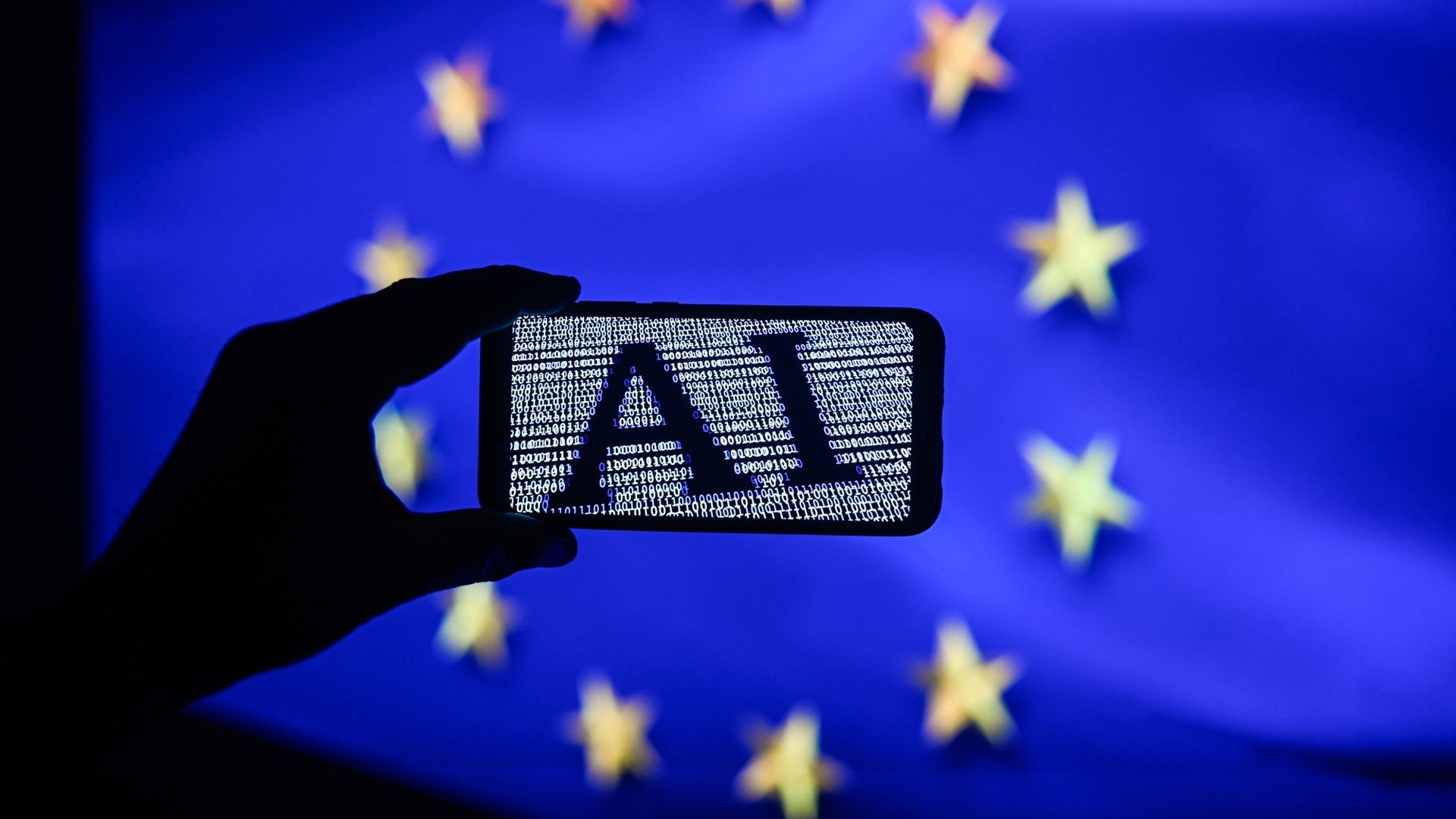
Restrictions on high-risk uses of artificial intelligence in the EU will be delayed by more than a year under a deal struck by its legislators. The deal “marks a notable rollback” in the bloc’s “digital rulebook after years of Brussels proudly marketing itself as the world’s tech cop”, said The Register.
What is changing?
The EU’s AI Act came into force in August 2024 following “years of talks”. But as part of a “phased rollout”, the rules governing high-risk uses were only “set to kick in this August”, said Politico.
Now, the bloc has “hit the regulatory equivalent of ‘snooze for 16 months’”, said The Register. “The headline change pushes back enforcement of rules covering systems” in areas such as biometrics, critical infrastructure, education, employment, migration, and border control until December 2027. EU officials insist the delay is “about timing, not watering down the law”. They claim the rules are “moving faster than the standards needed to support them” and that companies currently “lack the guidance and technical tools required for compliance”.
Is this a win for Big Tech?
The change of heart is a “big win” for tech firms and industry groups that have been lobbying the EU to “soften” the AI Act, said The Register. As recently as last week, bosses from companies including ASML, Airbus, Ericsson, Nokia, SAP, Siemens and Mistral AI “publicly warned that Europe risked over-regulating itself out of the global AI race”.
The new deal marks the “first significant rollback” of rules in the digital sphere, and came after the EU faced pressure from the US over its tech laws. There were also “warnings” from its own industry and governments that “strict restrictions had put the bloc at a disadvantage in a global AI race”, said Politico. “Only a couple of countries around the world” followed the EU’s lead on restrictions, so the bloc “faced criticism” for “cracking down on AI too early”.
What is staying the same?
Some aspects of the AI Act will keep to their original schedule. Bans on unacceptable-risk AI have applied since February 2025, according to the European Commission. The transparency obligations under Article 50, including disclosure for chatbot interactions, will come into force from 2 August. |