The Week The Week
flag of US
US
flag of UK
UK
https://cdn.mos.cms.futurecdn.net/flexiimages/jzblygzdxr1769609154.gif

SUBSCRIBE

Try 6 weeks free

Sign in
  • View Profile
  • Sign out
  • The Explainer
  • Talking Points
  • The Week Recommends
  • Podcasts
  • Newsletters
  • From the Magazine
  • The Week Junior
  • More
    • Politics
    • World News
    • Business
    • Health
    • Science
    • Food & Drink
    • Travel
    • Culture
    • History
    • Personal Finance
    • Puzzles
    • Photos
    • The Blend
    • All Categories
  • Newsletter sign up Newsletter
  • The Week Evening Review
    US weapons reserves, the Fed under Warsh, and a nuclear site debate

     
    TODAY’S BIG QUESTION

    Is the US running out of missiles?

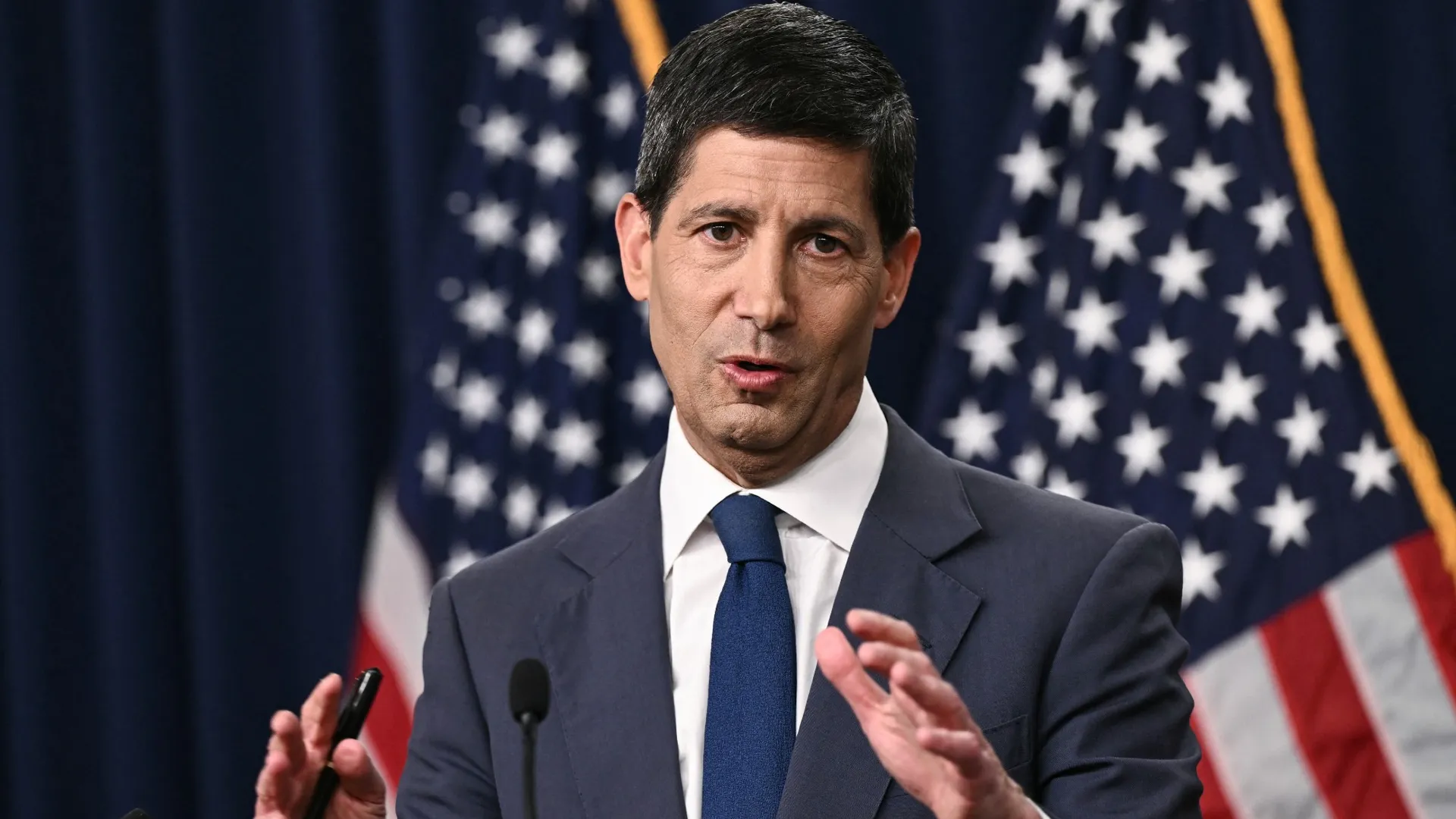
    U.S. military power is immense but has its limits: Soldiers, sailors and Marines cannot fire missiles that do not exist. The war in Iran has used up much of the U.S. weapons stockpile, though the Pentagon is silent on how much remains. The answer to this question could determine President Donald Trump’s next steps in the Persian Gulf.

    What did the commentators say?
    The missile question is “Washington’s very sensitive secret,” said The Wall Street Journal. Information about munitions stockpiles is always “closely guarded.” There is nonetheless “tremendous concern” within the government about a shortfall. The Army has reportedly “used up much of its stockpile of highly accurate long-range missiles” during the war with Iran, Reuters said. Fears that renewed fighting could “dangerously drain” remaining supplies have apparently been a factor in the president’s repeated decisions to “set aside” his threats to escalate the war, said The New York Times.

    The military has “everything it needs to execute at the time and place of the president’s choosing,” a White House spokesman said to The Associated Press. But “shrunken inventories” of Patriot and other missiles are “potentially putting American troops at more risk,” said the AP, citing a new analysis from the Center for Strategic and International Studies. 

    The munitions crisis is “even worse than you think,” Aaron MacLean said at The Free Press. If war with a “middling power” like Iran can deplete U.S. missile supplies after just a few months, “what would happen in a broader and more intense campaign” against China? The war against Iran is a reminder that “presumptively short wars have a tendency to run inconveniently long.”

    What next?
    Trump is attempting to boost weapons production, said Reuters. The United States has the “best quality in the world,” he said to armsmakers last month. “But we need a ​little more speed."

    The conflict has nonetheless highlighted concerns about U.S. munitions manufacturing “in a way that now cannot be ignored,” Virginia Burger said at The Project on Government Oversight. The U.S. is facing a “multiyear window of degraded stockpiles” that cannot be quickly restocked, given the timeline needed to produce America’s complicated and expensive weaponry. This issue poses a danger. “Munitions are the clear backbone of American military strategy.”


    Talking Points

    How is Warsh changing the Federal Reserve?

    Kevin Warsh is new to his job as chair of the Federal Reserve, but he is already making one big change that is reverberating through the financial markets. He is no longer providing forward guidance about how the Fed might react to future U.S. economic developments. Are rate hikes likely to control inflation? Warsh will not say, leaving financial analysts uncertain how to navigate the economy.

    Markets forced to ‘think for themselves’
    Warsh “just broke one of the Fed’s most powerful habits,” Phil Rosen said at Inc. Fed officials voted to keep interest rates steady last week, but Warsh’s decision not to signal what might happen next was the “most important” thing he did. That is a departure from “years of clear and frequent forward guidance” under former chair Jerome Powell. Warsh seems to believe that keeping future plans close to the vest “will force markets to think for themselves rather than waiting to be told which way to swing.” 

    That is discomfiting to market players. “What is Kevin Warsh thinking?” Kai Ryssdal and Sean McHenry said at Marketplace. The chairman has signaled “commitment to getting inflation under control,” but the absence of guidance means the Fed’s plans for how to do that are “still a little unclear.” Markets understandably want to know “what are the contingency plans? What would it take for the Fed to raise rates?” New Century Advisors’ Claudia Sahm said to the outlet. 

    It is a “good thing” that the Fed is “staying quiet” under Warsh, Benn Steil said at The Washington Post. The Fed’s guidance under Powell often relied on “faulty forecasts” that “regularly undershot actual inflation.”

    ‘Less transparent Fed’
    “Silence isn’t golden for a world looking to Kevin Warsh’s Fed,” Nicholas Spiro said at South China Morning Post. Warsh and his allies are correct that the Fed’s “forward guidance often proved counterproductive” under Powell. But a “less transparent Fed” creates “uncertainty in an already messy and unpredictable world.”

    Stocks dropped and bond yields rose following last week’s Fed meeting, said The Wall Street Journal. This suggests Warsh’s silent treatment has not reassured markets he will aggressively confront inflation with higher interest rates.


    QUOTE OF THE DAY

    ‘They are a bunch of snowflakes that hear the word “Aotearoa” and cry themselves to sleep.’

    Tamatha Paul, a Member of Parliament for New Zealand’s Green Party, referencing the country’s indigenous name in a speech against a new law making English the country’s third official language alongside Te Reo Maori and New Zealand Sign Language


    Statistic of the day

    650,000: The number of galaxies captured in one image of a region of the sky known as the COSMOS field. Using the world’s largest digital camera, the Vera C. Rubin Observatory’s image also contained more than 50,000 stars, providing a “more detailed and dynamic view” of this well-studied area, said Gizmodo.


    IN THE SPOTLIGHT

    Kansans are up in arms over an underground nuclear site

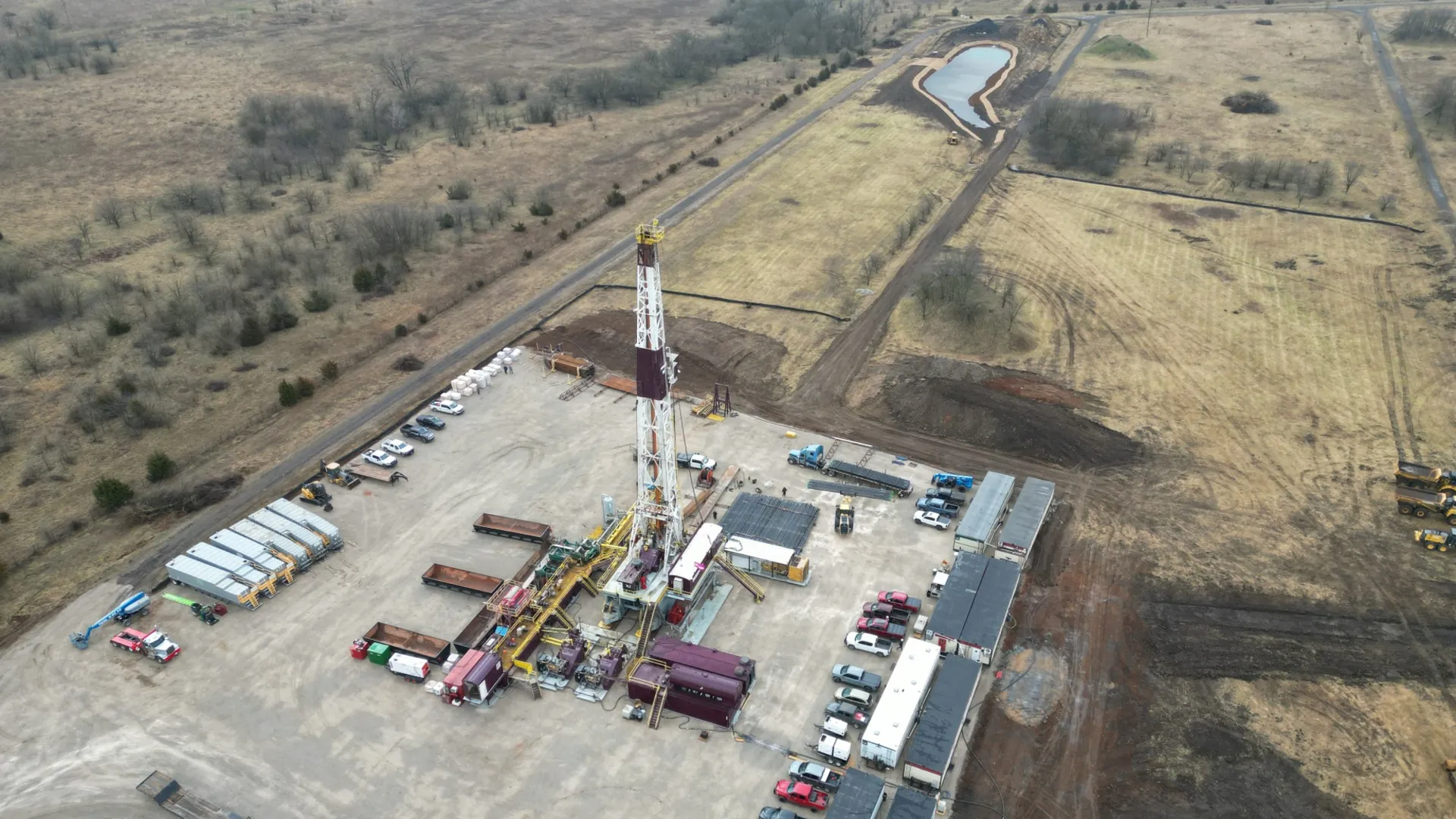
    The residents of Parsons, Kansas, may soon have atomic power humming in their backyard, as the small town is debating the development of a nuclear reactor. The idea has largely divided the people of Parsons. Some feel the reactor, which would be built a mile underground, could provide a needed environmental boost to the region, while others worry it could affect Kansas’ long history of oil and gas production.

    Pilot project
    The idea for the reactor comes from the energy startup Deep Fission, which appears to be all-in on moving ahead in Parsons. The company “plans to raise more than $40 million to fund its pilot project in Kansas,” said the Kansas Reflector. Deep Fission also began publicly trading stock with an “initial public offering of 2.5 million shares,” part of an effort to raise the funds needed for Parsons. The company plans to begin drilling boreholes for the reactor soon and “estimates connection to the grid sometime in 2027 or 2028,” said KWCH-TV Wichita.

    ‘I can’t think of a worse idea’
    Elected officials in Kansas “see a chance to create jobs and lure data centers and manufacturers to a rural patch whose economy has been flatter than the surrounding cornfields,” said The Wall Street Journal, but many local homeowners scoff at the idea. “I put $125,000 into my house, and now a nuclear reactor is coming to town. I can’t think of a worse idea,” Jerel Johnson, who planned to retire in Parsons, told the Journal. Others worry “about environmental oversight and potential risks to water,” as watchdogs claim the Trump administration is “moving too fast and cutting corners” on nuclear regulation.

    "For climate change — and trying to alleviate the issues that we have with climate change, nuclear energy has to be part of that solution,” environmental consultant John Young said to KCUR Kansas City. Officials are also confident that Deep Fission is “trying to interact better with the public and just let them know they’re here to support our town as well as hopefully new energy in the future,” Labette County Commissioner Vince Schibi told KCUR.


    Good day 🛩️

    … for mini planes. The Boeing 737 Max 7, the “smallest version of the company’s best-selling” jet, has been certified by the Federal Aviation Administration after years of delays, said The New York Times. Clearing the regulatory hurdle is a “significant achievement” for a company that has “struggled with safety and quality problems in recent years.”


    Bad day 🤳

    … for kids online. Early social media use in preteens may lead to worse academic performance later in life, according to a study published in Nature. There is a correlation between “how early a student opened a social media account” and “how much worse they performed academically four years later,” the survey of more than 5,000 Italian teenagers found, said Gizmodo.


    Picture of the day

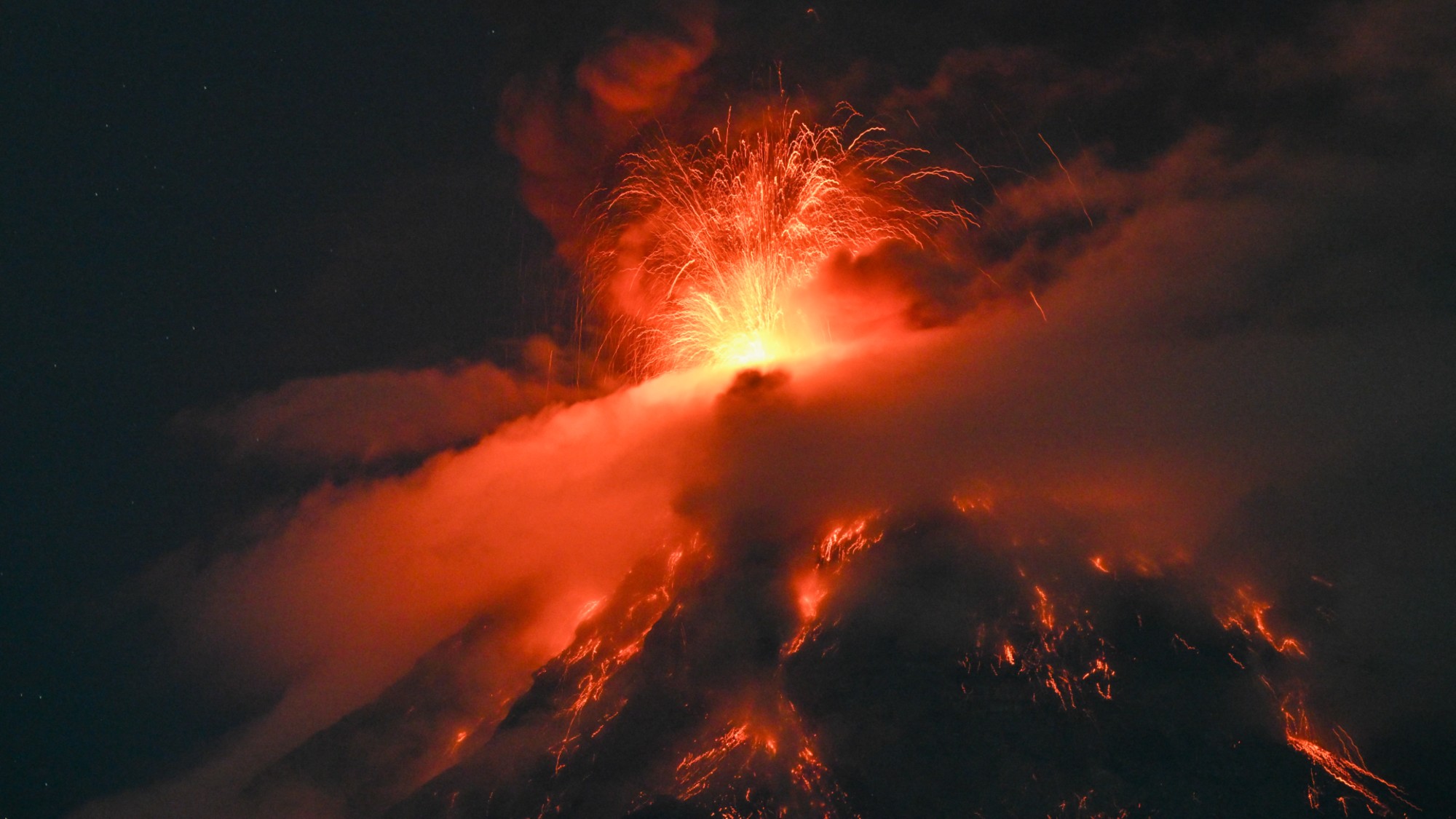
    Ring of Fire

    The Fuego volcano erupts, prompting the evacuation of hundreds. Guatemalan authorities declared the country’s second-most severe alert warning yesterday as the mountain, which is located less than 60 miles from Guatemala City, spewed gas and ash into the sky.
    Johan Ordonez / AFP / Getty Images


    Puzzles

    Daily sudoku

    Challenge yourself with The Week’s daily sudoku, part of our puzzles section, which also includes guess the number

    Play here


    The Week recommends

    Delightful state fairs to put on your eating calendar

    It’s that time of year again, when the smell of fried food fills the air, farmers bring out their biggest livestock to be judged and bakers display their ribbon-winning pies. Almost every state has its own official state fair during the summer or fall, but these stand out with their funky foods, hefty produce and adorable animal exhibits.

    Alaska State Fair
    The Last Frontier’s state fair takes place in the Matanuska-Susitna Valley, where the “rich” soil and “legendary” 19 hours of daily summer sun produce vegetables of “almost unbelievable size,” said Travel and Leisure. Massive veggies aren’t the only draw; there’s a midway, lots of food vendors and Alaska Native crafts and cultural demos, which “genuinely reflect” the community. Aug. 21-Sept. 7, 2026

    Minnesota State Fair
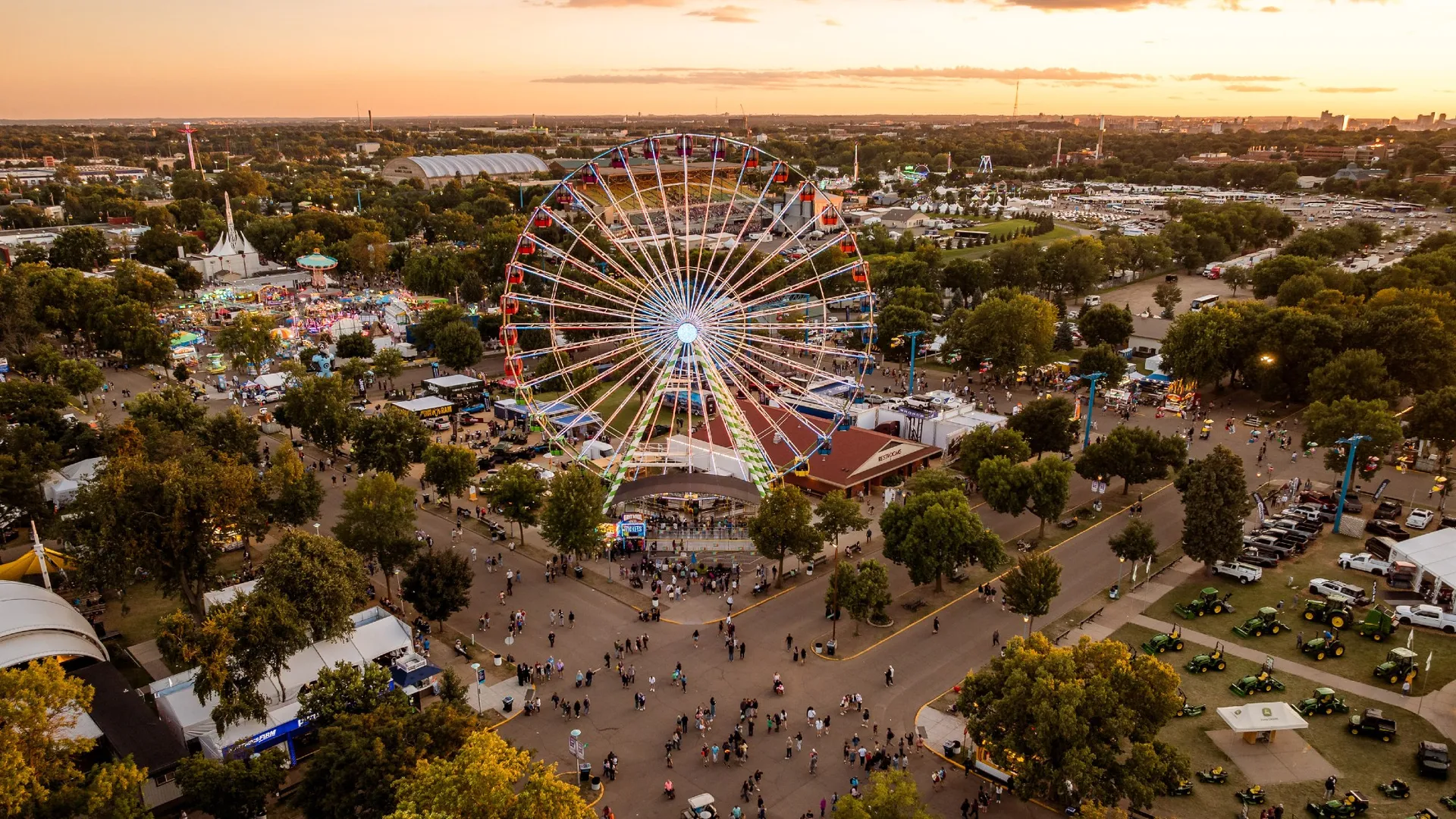
    You can listen to live music and hop on rides, but the heart of the fair (pictured above) is “home-grown fun,” said Fodor’s, like the quirky 4-H Llama-Alpaca Costume Contest, seed and crop art displays and live butter carvings of Princess Kay and her royal court. That creativity extends to the food offerings, with more than 500 vendors bringing their A game. Aug. 27-Sept. 7, 2026

    Texas State Fair
    More than 2 million people attend every year and are greeted by Big Tex, the iconic 55-foot cowboy mascot. Concerts are included in the price of admission, with singers and bands performing on three stages. This year’s resident artist is jazz musician Ken Ebo. Sept. 25-Oct. 18, 2026

    Read more


    Poll watch

    Americans pick Democrats (37%) ​over Republicans (36%) as better stewards of the economy for the first time in nearly a decade in a Reuters/Ipsos ‌survey of 4,505 adults. The findings show how Trump’s handling of the economy “could weigh on his party’s chances in the November midterm elections,” said Reuters.


    INSTANT OPINION

    Today’s best commentary

    ‘Why patients wait months for care they don’t get’
    Tessa Adzemović at The Boston Globe
    Hospitals were “never designed to become long-term accommodations, but that’s become a reality for a select population,” says Tessa Adzemović. These “patients are medically cleared to leave but cannot be discharged because of capacity bottlenecks, insurance delays or legal complexities.” Many “prolonged hospitalizations have significant implications for patient outcomes, hospital resource utilization and healthcare costs.” The “reasons for these delayed discharges range from financial to administrative to legal, so any solution to the problem must be multifaceted.”

    ‘One problem with attacking the Smithsonian? Americans like it.’
    Kelsey Ables at The Atlantic
    Even as the “museum complex continues to face a pressure campaign from the White House, public fondness for the Smithsonian — for its free entry and eclectic collections — is hard to break,” says Kelsey Ables. Museums have been “largely immune to the most deleterious effects of the culture wars.” Most “Americans, unlike the president, seem to trust these entities to do their thing” so “coming after a history museum may not be the base-galvanizing issue the White House hopes it is.”

    ‘“Ted Lasso” is back, but is his moment over?’
    A.A. Dowd at The American Prospect
    As “comebacks go,” a new season of “Ted Lasso” is “not exactly improbable,” says A.A. Dowd. The show “remains one of the most widely watched series of the last decade, a true juggernaut of popularity.” But at “what point does a show go from having its finger planted firmly on the pulse of now to suddenly looking more out of touch than anything else?” We “may have reached the moment when Ted Lasso’s brand of turn-the-other-cheek humanism is no longer enough.”


    WORD OF THE DAY

    tularemia

    A rare infection also known as rabbit fever. There are three probable cases of tularemia in New York, according to the Suffolk County Department of Health. The infection can occur “after a bite from a tick or a fly that has previously bitten a sick mammal, typically a rabbit,” CNN said.


    Evening Review was written and edited by Theara Coleman, Catherine Garcia, Scott Hocker, Anya Jaremko-Greenwold, Justin Klawans, Joel Mathis and Summer Meza, with illustration by Julia Wytrazek.

    Image credits, from top: Illustration by Julia Wytrazek / Getty Images; Brendan Smialowski / AFP / Getty Images; Business Wire / AP Photo; Minnesota State Fair
     

    Recent editions

    • Morning Report

      Burnham delays early release and excludes rapists

    • Evening Review

      Will Reform and Restore unite the right?

    • Morning Report

      Burnham to be ‘relentless’ on small boat arrivals

    VIEW ALL
    TheWeek
    • About Us
    • Contact Future's experts
    • Terms and Conditions
    • Privacy Policy
    • Cookie Policy
    • Advertise With Us
    • FAQ
    Add as a preferred source on Google Add as a preferred source on Google

    The Week UK is part of Future plc, an international media group and leading digital publisher. Visit our corporate site.

    © Future Publishing Limited Quay House, The Ambury, Bath BA1 1UA. All rights reserved. England and Wales company registration number 2008885.