The Week UK
flag of US
US
flag of UK
UK
https://cdn.mos.cms.futurecdn.net/flexiimages/jzblygzdxr1769609154.gif

SUBSCRIBE

Start your trial today

Sign in
  • View Profile
  • Sign out
  • The Explainer
  • Talking Points
  • The Week Recommends
  • Podcasts
  • Newsletters
  • From the Magazine
  • The Week Junior
  • More
    • Politics
    • World News
    • Business
    • Health
    • Science
    • Food & Drink
    • Travel
    • Culture
    • History
    • Personal Finance
    • Puzzles
    • Photos
    • The Blend
    • All Categories
  • Newsletter sign up Newsletter
  • The Week Evening Review
    Midterm effects on markets, a DOJ exodus, and European military exercises

     
    TALKING POINTS

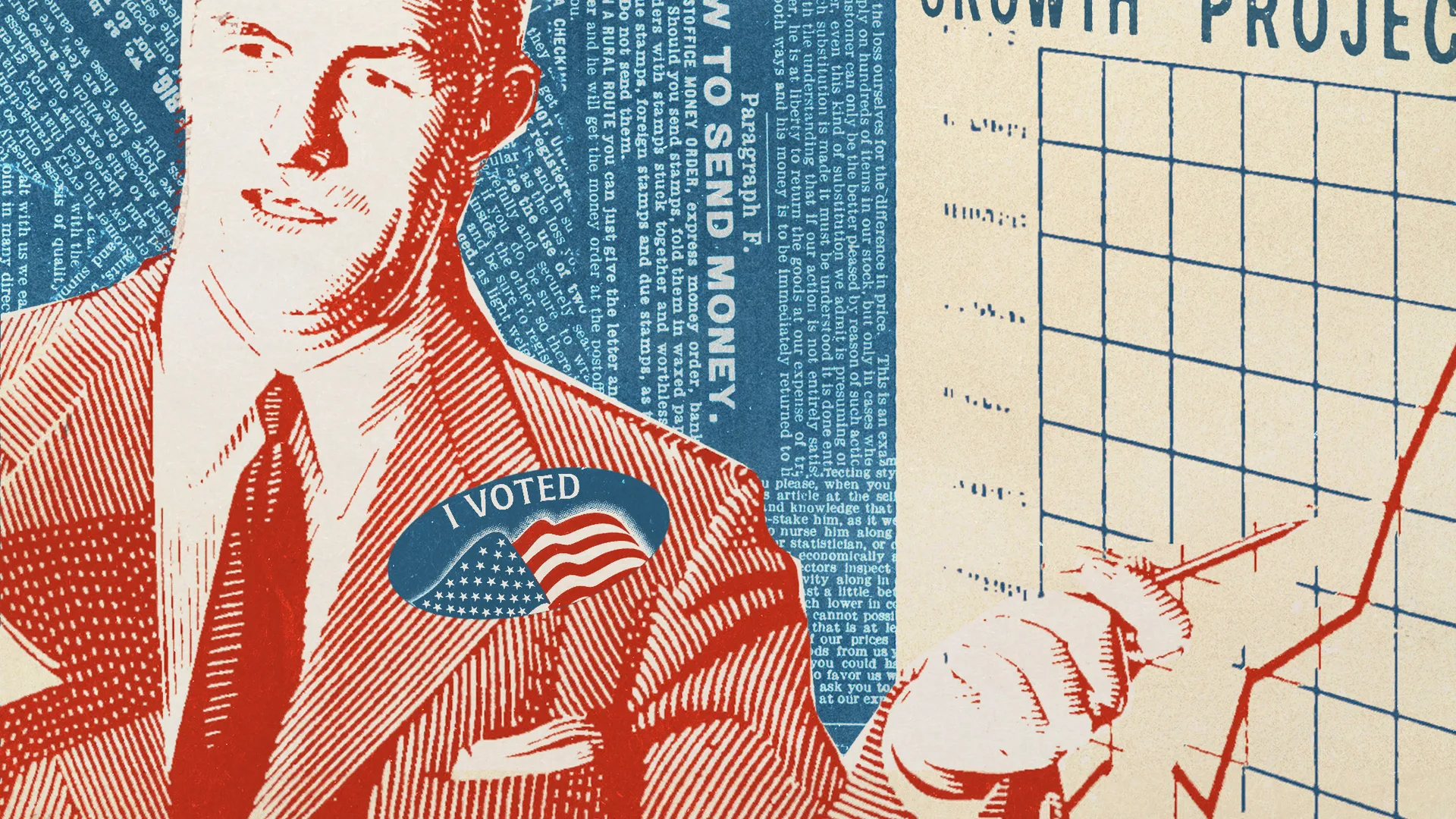
    Will Democratic victories be good for Wall Street?

    Wall Street is feeling the fallout from last week’s midterm elections. Stocks initially rose following the Democratic sweep, then briefly plunged as markets realized the new Congress will closely scrutinize the AI investment boom. Investors are watching to see if the new political landscape boosts or busts their bottom lines.

    ‘Knee-jerk reaction’
    The Democratic victories “rattled” Wall Street, said Rebecca Patterson at the Council on Foreign Relations, a nonpartisan think tank. The S&P 500 posted its “biggest one-day decline” since 2005 on Thursday amid fears the election results have “thrown into doubt” the AI spending boom. 

    Democrats may put new “guardrails” around “AI-exposed” firms like Amazon, Apple, Meta and Tesla, said Patterson, but that will come with a tradeoff. Those companies represent “more than one-third of the index’s total market capitalization.” An artificial intelligence slowdown could “weigh on economic activity.”

    “Don’t trust the market’s knee-jerk reaction to the midterms,” said James Mackintosh at The Wall Street Journal. The altered political landscape “adds another threat” to the buildout of AI data centers, but that threat is “probably not as severe as the consensus trade suggests.”

    ‘Sign of things to come’
    Some traders hope the “stark” election results will “ease political uncertainty” that has hovered over the economy since President Donald Trump returned to office last year, said Harriet Clarfelt, Kate Duguid and Claire Jones at the Financial Times. Voters “chose moderation, and markets appreciate that choice,” said economist Daleep Singh to the outlet. 

    Other investors see the “potential benefits of gridlock” between Trump and a Democratic Congress, said FT. But that divide could also trigger the “mother of all debt-ceiling showdowns” next year, said Singh.

    Historically, stocks “typically rise in the year following midterm elections,” said Jamie McGeever at Reuters. Investors like that a divided government usually limits the “likelihood of major, radical policy changes” that can upend businesses. 

    Trump, however, has taught investors that the old rules “no longer apply,” said McGeever. The question is whether Wall Street’s initial post-election jitters are a “sign of things to come.”


    QUOTE OF THE DAY

    ‘His PAC is called Victors, Not Victims. But I have never seen anyone whine more.’

    Ohio Gov.-elect Amy Action (D) on CNN about her former opponent, Vivek Ramaswamy. The Ohio gubernatorial race was one of the most contentious of the midterms, marked by a widely criticized Ramaswamy-backed ad featuring Acton’s estranged mother.


    TODAY’S BIG QUESTION

    What does the DOJ’s exodus mean for MAGA?

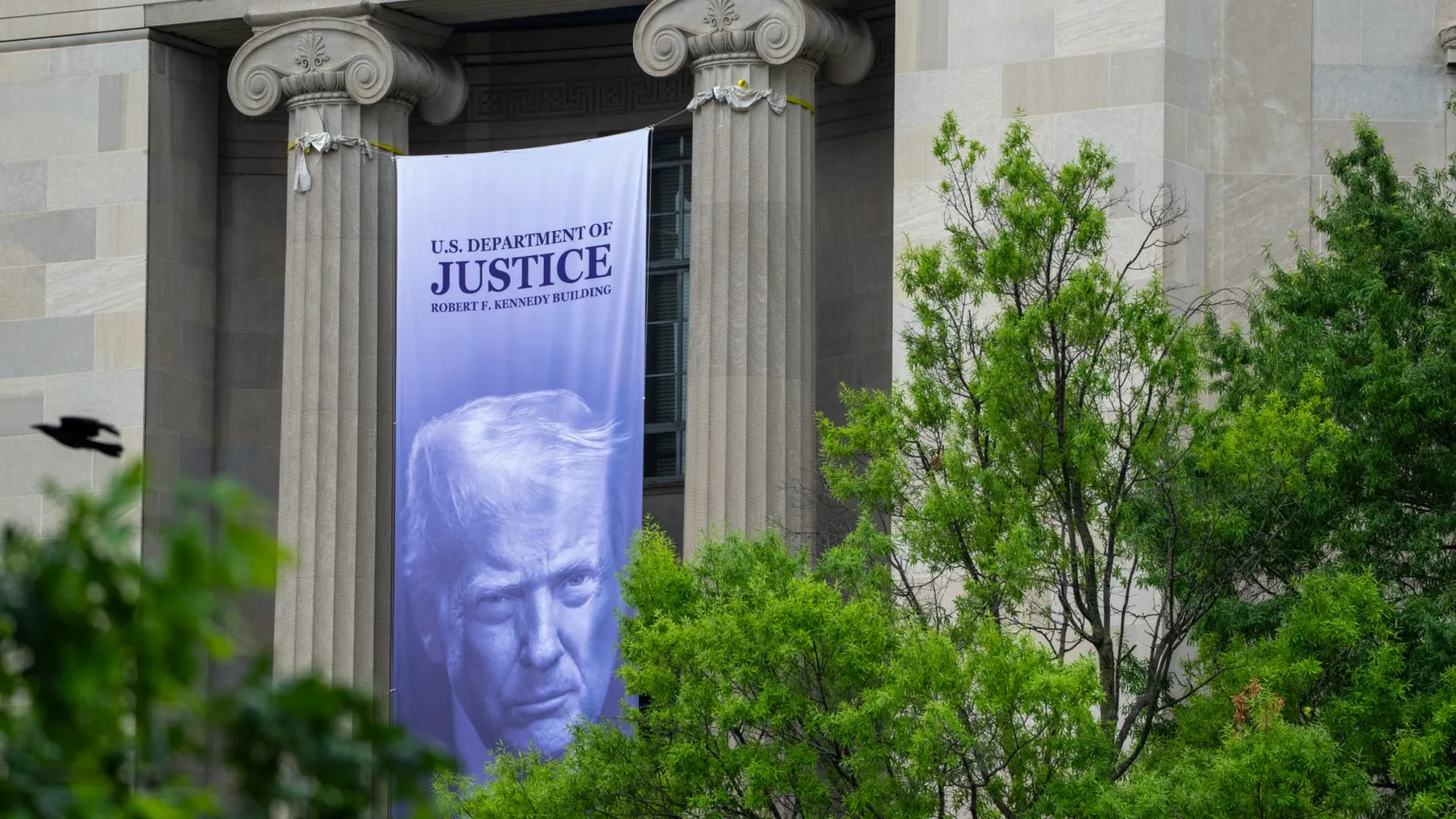
    As Washington prepares for a Democratic majority in the coming legislative session, some of President Donald Trump’s top legal lieutenants are using this lame-duck period to explore greener professional pastures. Since last week, four top Justice Department officials have submitted resignations. With Trump looking to the DOJ and Attorney General Todd Blanche as an animating force behind much of his second-term agenda, what do these sudden defections mean for MAGA moving forward?

    What did the commentators say?
    The high-profile resignations include Civil Rights Division chief Harmeet Dhillon, U.S. Attorney Jason Reding Quiñones, Civil Division boss Brett Shumate, and John Eisenberg, who led the DOJ’s national security section. Although a post-midterms “wave of resignations” is “not unheard of in any administration,” the DOJ’s “rapid-fire series” of departures in recent days makes it an “early outlier among federal agencies so far,” said The Washington Post. 

    Four senior Senate-confirmed DOJ figures “heading for the exits after barely a year and a half on the job” is the “sort of turnover that raises a serious question,” said former U.S. Attorney Joyce Vance on Substack: “What’s going on inside the Justice Department?”

    The “thinning” of the department’s “upper ranks” leaves Trump’s DOJ without “some of its most seasoned hands,” said Politico. Democrats, meanwhile, are “salivating at the chance to use their newly minted majority” to investigate the department’s most “politically sensitive decisions” and Trump’s role therein. 

    Reding Quiñones, in particular, was a “key figure” in DOJ investigations into law enforcement figures involved in previous probes into Trump’s conduct, said MS NOW. Those efforts are “widely viewed” as part of a “retribution campaign against the president’s perceived enemies.”

    What next?
    Reding Quiñones’ exit leaves the “future of his office’s marquee probe” into Trump’s alleged enemies “in doubt,” said the Post. The White House could “struggle to replace Senate-confirmed officials” in the coming term, said Politico. Democrats will have the power to “delay any confirmation,” forcing the DOJ to “rely on acting appointees for those jobs.” Ultimately, said Joyce Vance, the resignations “only buttress” a broader point that Blanche “should be impeached as soon as possible if he won’t resign.”


    Statistic of the day

    53: The world-record-breaking number of red cards issued after a brawl broke out during an under-20s soccer championship match between Brazil’s Mamoré and Uberlandia. Eight coaching staff members and two team board members were sent off, in addition to 43 players. The game was abandoned, and military police were called to restore order.


    THE EXPLAINER

    Coalition of European troops conduct military exercises

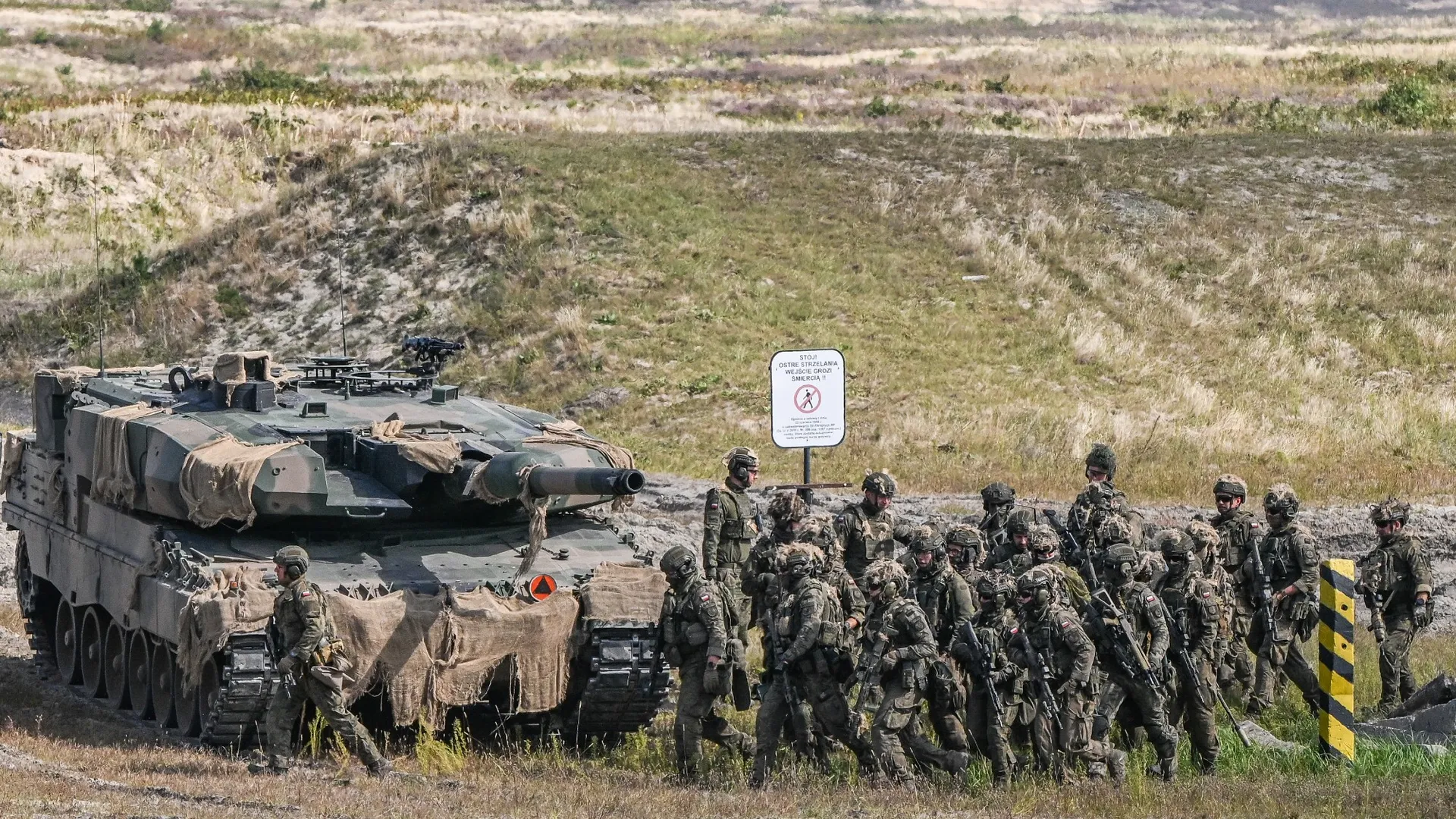
    Thousands of European troops are taking part in military exercises in Poland in the first deployment of the so-called coalition of the willing. The brainchild of former U.K. Prime Minister Keir Starmer and French President Emmanuel Macron, the 35-nation group was established in March of last year to “strengthen support for Ukraine and put economic and diplomatic pressure on Russia,” said the U.K.’s Ministry of Defence.

    Who’s participating?
    About 2,800 military personnel from 10 European nations — Belgium, Estonia, France, Germany, Lithuania, the Netherlands, Poland, Spain, Sweden and the U.K. — make up the Multinational Force-Ukraine, the military component of the coalition. As of yesterday, they are conducting a war-game rehearsal called Exercise Koalicja (Coalition in Polish) until Nov. 22.

    Anglo-French-led, with operational headquarters rotating between London and Paris, the coalition is “not a peacekeeping or a ceasefire-monitoring force, nor is it connected to NATO,” said the Ministry of Defence. The U.S. will not be part of the mission nor will the Multinational Force-Ukraine (MNF-U) rely on U.S. weapons or technology such as Elon Musk’s Starlink, said an unnamed official to The Times.

    What will they be doing?
    The two-week military exercise will test this new alliance’s ability to deploy in Ukraine once fighting between Kyiv and Russia ends. This is a “key milestone” that will “serve as a concrete demonstration of the MNF-U’s ability to be deployed as soon as hostilities have ended,” French General Armel Dirou, who will co-lead the exercise with British Lieutenant General Tom Bateman, said to France 24.

    What will the force look like?
    The new force is “not designed for offensive operations,” said Bateman. Its purpose is to “provide reassurance and support the regeneration of Ukraine’s armed forces, strengthening their ability to deter and, if necessary, defend against future Russian aggression.” 

    Russia has already voiced opposition to foreign troops being stationed in Ukraine, and President Vladimir Putin last year said they would be “legitimate targets.” Western officials have “declined to spell out the rules of engagement if any international troops were to be attacked in Ukraine,” said the BBC, but “they say the force would be able to defend itself.”


    Good day 🧑‍🚀

    … for an aspiring astronaut. NASA is accepting applications for a new generation of astronauts who could live and work on the Moon and eventually travel to Mars. Successful candidates will support the Artemis program, including plans for a lunar base and crewed missions to the Red Planet. The agency currently has 32 active astronauts on its books.


    Bad day 🌏

    … for a moderate climate. The past 12 years have been the warmest ever recorded, and this year is on track to be in the top four, according to a World Meteorological Organization report ahead of the COP31 climate conference. The rising temperatures give “new meaning to off the charts,” said the report.


    Picture of the day

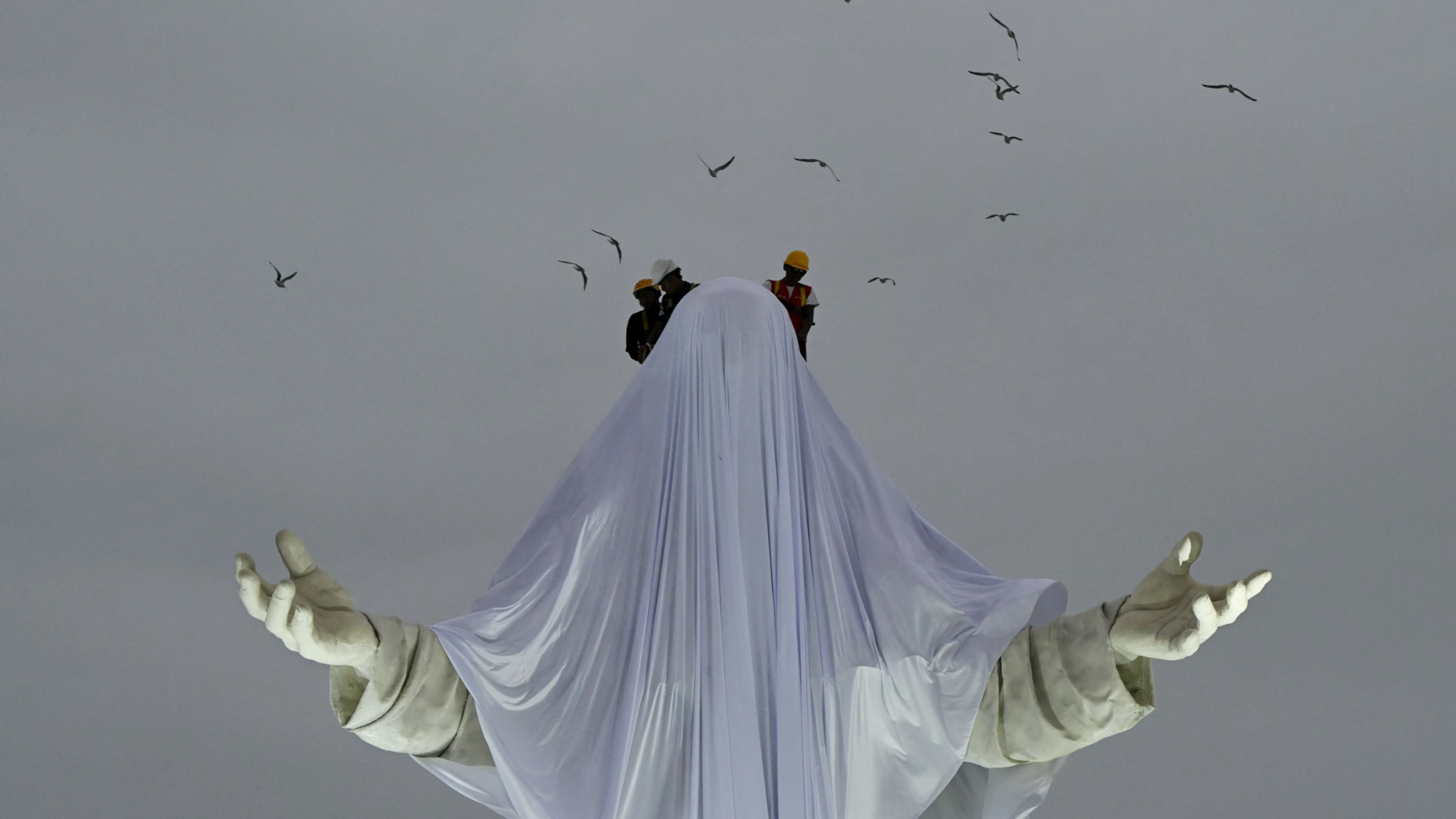
    Larger than life

    Workers prepare to uncover a 46-foot-tall statue of Pope Leo XIV in the Peruvian port city of Callao ahead of his arrival in the country tomorrow for a six-day visit. Rafael Gutiérrez’s sculpture is the world’s largest monument dedicated to the pontiff.


    Puzzles

    Daily sudoku

    Challenge yourself with The Week’s daily sudoku, part of our puzzles section, which also includes guess the number

    Play here


    The Week recommends

    The best fantasy TV series ever imagined

    As an art form, fantasy has always sailed into the fierce headwinds of elite dismissal. Then there are the wild exceptions, including these superb shows beloved by both critics and audiences alike.

    ‘Buffy the Vampire Slayer’ (1997-2003)
    A group of teenagers in the town of Sunnydale battles demons and vampires emanating from the “Hellmouth” in this witty, kitschy cult classic (pictured above) that doubles as a coming-of-age story. A “knockout” series, it articulates the “realities of growing up, when perception and loyalties are constantly shifting,” said Steve Vineberg at The New York Times. (Disney+)

    ‘Charmed’ (1998-2006)
    Three San Francisco sisters lead double lives as benevolent witches fighting the forces of evil in a show that delivers a masterclass in network-era storytelling. In addition to “schlock horror, campy giggles and skintight leather pants,” the series contains “some really meaningful and resonant messages,” said Isabelle Oderberg at The Guardian. (Peacock)

    ‘True Blood’ (2008-2014)
    Sporting cinematic aesthetics, a lavish budget and A-list actors, “True Blood” follows Louisiana vampires who join human society by drinking a synthetic blood substitute, a premise that leads to intrigue and social upheaval. It’s a “juju-laced, borderline-bonkers slab of Southern Gothic that delights in its pulpiness,” said William Thomas at Empire. (HBO Max)

    ‘Game of Thrones’ (2011-2019)
    Ultraviolent and explicit, HBO’s franchise-launching, discourse-driving hit revolves around the warring kingdoms in the fictional realm of Westeros as they battle one another as well as supernatural threats. The “singularly epic” series became a “cultural juggernaut that heralded new norms in TV storytelling,” said Inkoo Kang at Slate. (HBO Max)


    Poll watch

    Over half of Americans (52%) say a lack of trust in a charity makes them less likely to donate, according to a YouGov survey of 1,291 adults. But nearly two in five (39%) say clear evidence of where donations are going would make them more likely to donate. 


    INSTANT OPINION

    Today’s best commentary

    ‘Americans thank the troops. Their leaders are failing them.’ 
    Theodore R. Johnson at The Washington Post
    Veterans Day arrives at a “fractured moment” when “trust in government is low,” as is “public confidence in the military,” says Theodore R. Johnson. Gratitude for military service is “undermined by civilian leadership” that treats it as a license to “take military service for granted.” The U.S. is left with a “military led by empty suits” who don’t respect those who “gave their lives or were taken captive.” The “resulting paradox” is troubling: “reflexive praise in words, institutional decay in practice.”

    ‘Woke is back. This time, it’s in on the joke.’
    Rebecca Spiess at The Boston Globe
    Post-midterm social media jokes are “centered around the return of progressivism,” but this time, “make it authoritarian,” says Rebecca Spiess. Ironically, these jokes are “playing with a caricature” the left “spent years trying to escape.” Progressives now embracing this humor is “inseparable” from the movement’s “ongoing reckoning with Woke 1.0.” For all its “political ambitions,” Woke 1.0 “wasn’t very fun.” While the new “memes are silly,” they acknowledge the “excesses” of the first round without “necessarily returning to them.” 

    ‘How to honeypot a nerd: Jensen Huang has been exposed’
    Mary Harrington at UnHerd
    Observers on “either side of the U.S.-China rivalry” might wonder if the tech world’s “nerdy denizens” are ready for a frontline role in the “grandest geopolitical struggle of our time,” says Mary Harrington. Last weekend, Nvidia CEO Jensen Huang apologized to staff for an “extramarital affair” with a woman “suspected of being a Chinese spy.” More than a sex scandal, “l’affaire Huang” is “high drama” illuminating the “stop-at-nothing rivalry” between the U.S. and China on tech.


    WORD OF THE DAY

    Nilopegamys

    The genus of an Ethiopian water mouse with only one species, Nilopegamys plumbeus. Because it had not been seen since 1927, the whiskered swimmer was largely believed to be extinct. But ecologist Mengistu Wale has just rediscovered it — a “thrilling reminder of how much tropical biodiversity remains hidden in plain sight,” said mammalogist ​​Thomas Giarla to National Geographic. 


    Evening Review was written and edited by Theara Coleman, Nadia Croes, David Faris, Scott Hocker, Anya Jaremko-Greenwold, Justin Klawans, Joel Mathis, Summer Meza and Rafi Schwartz, with illustrations by Stephen Kelly and Julia Wytrazek.

    Image credits, from top: Illustration by Julia Wytrazek / Getty Images; Ken Cedeno / AFP / Getty Images; Artur Widak / NurPhoto / Getty Images; Getty Images / Handout / Hulton Archive
     

    Recent editions

    • Morning Report

      Trump declares Iran war ‘effectively over’

    • Evening Review

      Will Brand's conviction change anything?

    • Morning Report

      Nvidia probes CEO over alleged affair with spy

    VIEW ALL
    TheWeek
    • About Us
    • Contact Future's experts
    • Terms and Conditions
    • Privacy Policy
    • Cookie Policy
    • Advertise With Us
    • FAQ
    Add as a preferred source on Google Add as a preferred source on Google

    The Week UK is part of Future plc, an international media group and leading digital publisher. Visit our corporate site.

    © Future Publishing Limited Quay House, The Ambury, Bath BA1 1UA. All rights reserved. England and Wales company registration number 2008885.