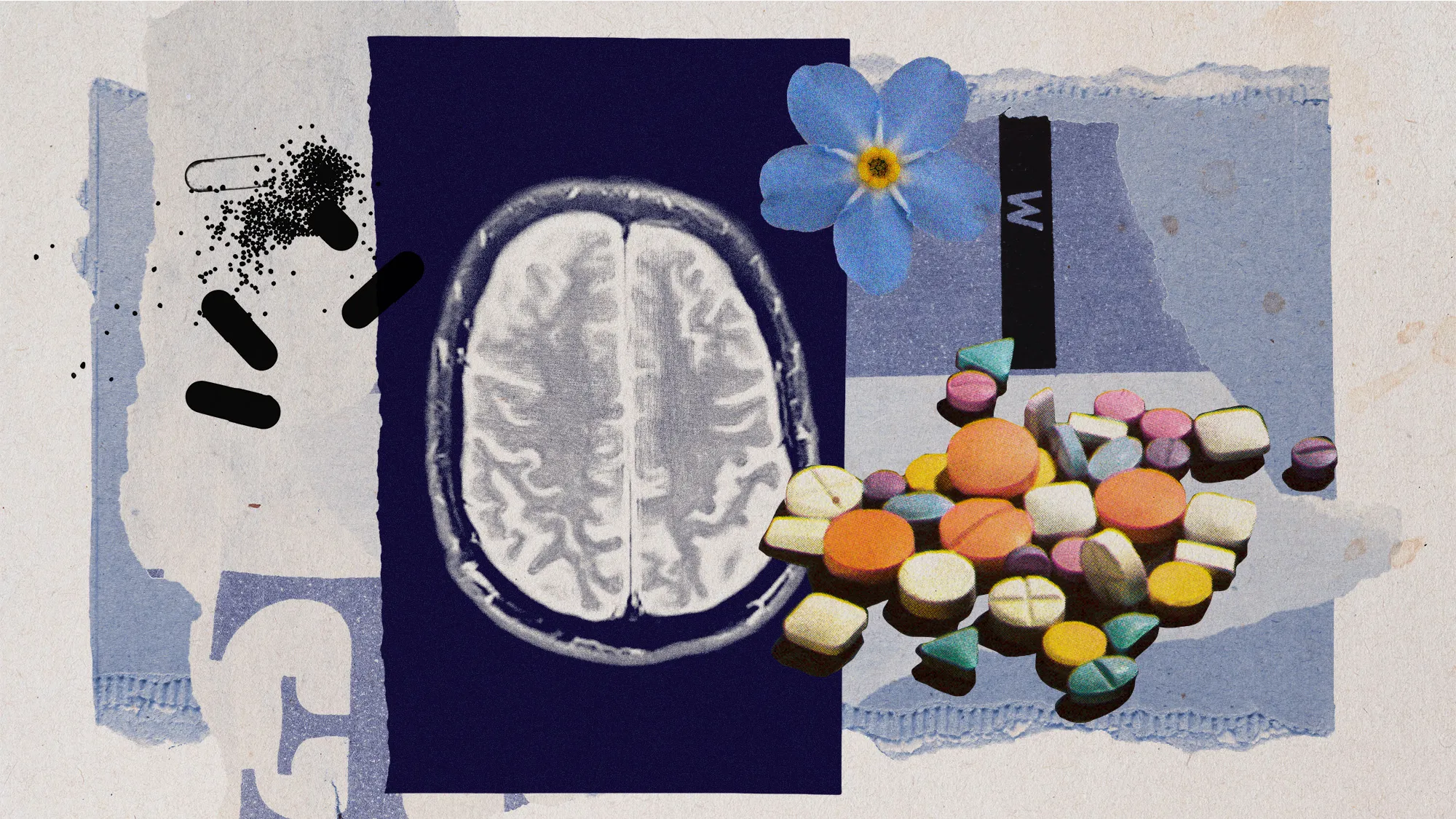
Dementia research has reached a major milestone: Alzheimer’s disease is no longer untreatable, according to a landmark global report. The growing range of treatment options marks a shift from seeking a cure to focusing on slowing the disease or avoiding it altogether.
The Alzheimer’s research field is “witnessing a period of remarkable scientific momentum,” said the 2026 World Alzheimer Report, which is coauthored by Alzheimer's Disease International and health journalist Paul Gallagher. The ADI is a global federation of dementia associations associated with the World Health Organization.
Hundreds of clinical trials are investigating “medicines, diagnostics, lifestyle interventions, digital technologies, rehabilitation programs” and new care models for the disease, said the report. During the past five years alone, novel drugs such as donanemab (brand name Kisunla) and lecanemab (brand name Leqembi) have been shown to “modestly slow decline in early Alzheimer’s,” said ScienceAlert, and growing evidence suggests “some dementia cases could potentially be delayed or prevented through risk reduction.”
There are also drugs that “millions of people are taking right now for other reasons” that might help with Alzheimer’s disease, with GLP-1s being “the big ones,” said Vox. The link between the popular weight-loss drugs and dementia is still “sort of theoretical,” but the Alzheimer’s Association is “putting $100 million behind some research projects” to investigate the possibility. Years from now, when “millions of people are now on these GLP-1 drugs,” we may “start to see Alzheimer’s less often,” Vox said. That’s “another reason to be optimistic” that the “future for this disease is looking brighter.” |