The Week The Week
flag of US
US
flag of UK
UK
https://cdn.mos.cms.futurecdn.net/skoGBi9qKFoUtnNWkovjJQ.jpg

SUBSCRIBE

Try 6 Free Issues

Sign in
  • View Profile
  • Sign out
  • The Explainer
  • Talking Points
  • The Week Recommends
  • Podcasts
  • Newsletters
  • From the Magazine
  • The Week Junior
  • More
    • Politics
    • World News
    • Business
    • Health
    • Science
    • Food & Drink
    • Travel
    • Culture
    • History
    • Personal Finance
    • Puzzles
    • Photos
    • The Blend
    • All Categories
  • Newsletter sign up Newsletter
  • The Week's Saturday Wrap
    Trump’s new foreign policy, why Americans are getting sober, and Hollywood’s most hated man

     
    controversy of the week

    Venezuela: The ‘Donroe doctrine’ takes shape

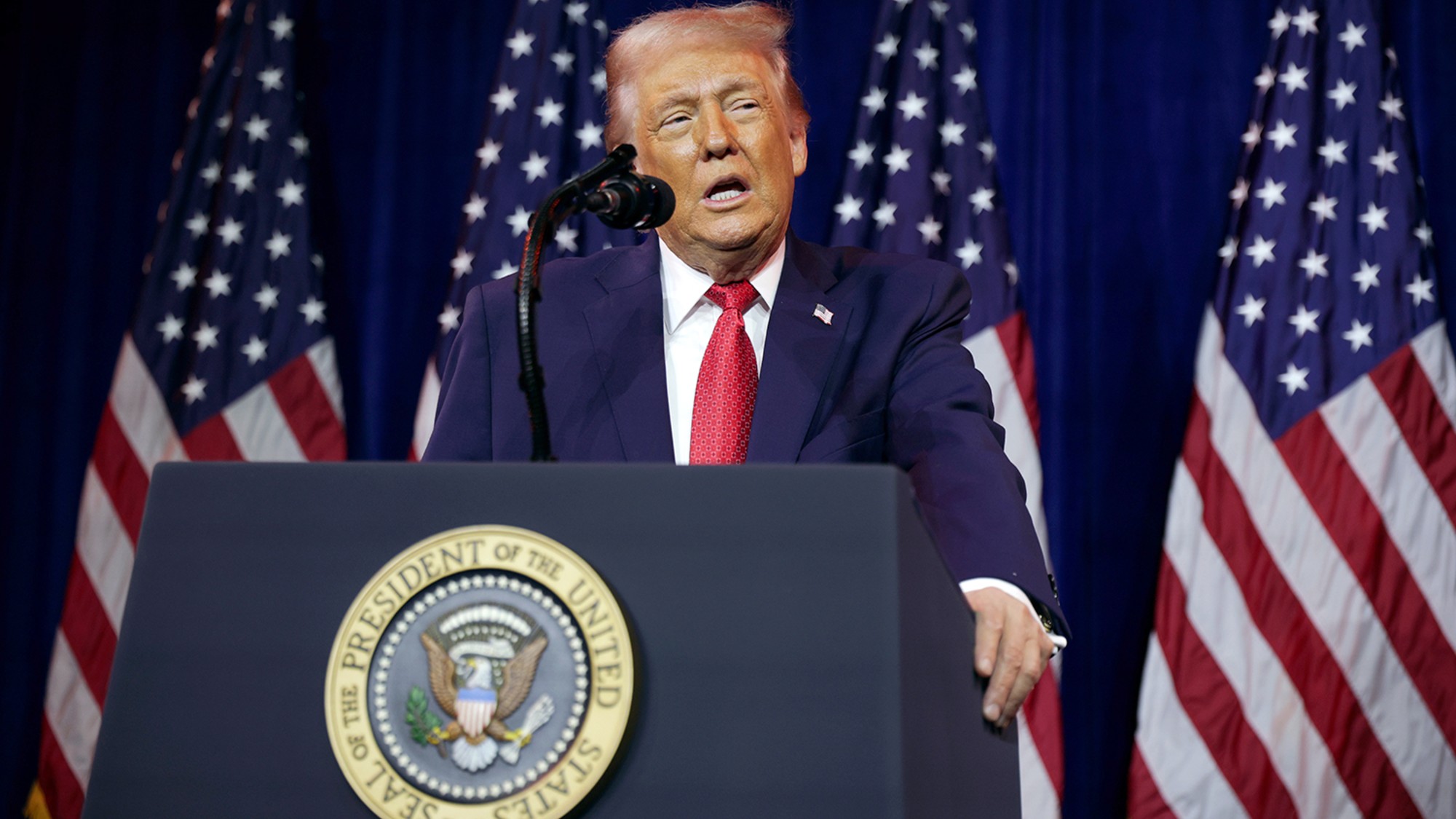
    President Trump “used to offer only vague answers” when asked to explain the U.S. military campaign against Venezuela, said The Economist in an editorial. He’d cite the need to stop drugs, or to reclaim oil assets. “Rarely, if ever, did he mention regime change.” But after last week’s “stunning predawn raid” that captured President Nicolás Maduro, Trump laid out “an extraordinary view of the use of American power,” saying he would impose “American dominance” over the entire “Western Hemisphere.” Under this muscular revival of the 1823 Monroe Doctrine, now the “Donroe Doctrine,” all countries from Canada to Argentina will yield to Washington. Venezuela will sell oil on terms set by the U.S. Cuba’s leftist regime will be replaced. Troops could be deployed against the cartels “running Mexico,” Trump said, while Colombian President Gustavo Petro will have to “watch his ass.” And Greenland, part of NATO ally Denmark, could be seized. This abrupt return to a “spheres of influence” model of geopolitics is a death blow to the “law-based, humanistic world order,” said M. Gessen in The New York Times, and a gift for Russia and China. By declaring his right to invade and plunder America’s neighbors, Trump has greenlit Chinese leader Xi Jinping to seize Taiwan, and Russia’s Vladimir Putin “to take as much of Europe as he wants to bite off.” 

    Trump likes slapping his name on things, said Rich Lowry in National Review, but the Donroe Doctrine just rearticulates a principle that has guided our foreign policy for 200 years. The 20th century alone was “littered” with examples of the U.S. using its military dominance to advance its interests in Latin America, from Teddy Roosevelt’s “grabby maneuvering to secure the territory for the Panama Canal” to the 1989 raid ordered by George H.W. Bush that captured Panama’s Manuel Noriega. Trump’s rhetoric is more “blatantly self-interested” than we’re used to, but there is a long and sensible “American tradition” of our policing and controlling our own geographical backyard. 

    Rhetoric matters, said Jonathan V. Last in The Bulwark. Yes, at certain moments the U.S. has acted without regard for international law, or respect for smaller nations’ sovereignty. But if the American-led world order that emerged after World War II stands for anything, it’s a belief in those “moral precepts,” and in the system of international rules that was built upon them. That Trump justified the Maduro raid purely in terms of American self-interest, and seems more interested in extracting loot than spreading democracy, confirms that we now live in a world—as Trump adviser Stephen Miller bragged to CNN this week—“that is governed by strength, that is governed by force, that is governed by power.” 

    It was always going to end this way, said Nick Catoggio in The Dispatch. Some critics are wasting their breath on the “hypocrisy” of our supposedly “isolationist” president embracing overseas adventures. But “expansionism is baked into the cake” of authoritarian movements, where the obsession with dominance always “eventually requires demonstrations of greatness at other countries’ expense.” As his poll numbers slide, the Epstein scandal festers, and the midterms draw closer, the allure to Trump of more military conquests “will only grow,” said Edward Luce in the Financial Times. And few would be splashier or easier than seizing Greenland. Anyone who thinks Trump is “merely trolling” with his renewed fixation on Arctic real estate should go “book a holiday in Caracas.”


    VIEWPOINT

    The legacy of January 6

    “To some, Jan. 6 felt like an ending, the final, violent death spasms of the cult of Trump. Instead, it proved to be the dawn of Trump’s total liberation. He had stress-tested his own theory of his base: that they would swallow insane, ludicrous election lies simply because he asked them to, would march themselves into felonies because they thought he wanted them to. Ever since, Trump has lived his life in accordance with the lessons he learned that day. There was no act of selfishness or vindictiveness too grotesque for him to survive, provided he kept his people adequately juiced in the belief that their enemies were worse. We’ve never left the Jan. 6 era.” 

    Andrew Egger in The Bulwark


    briefing

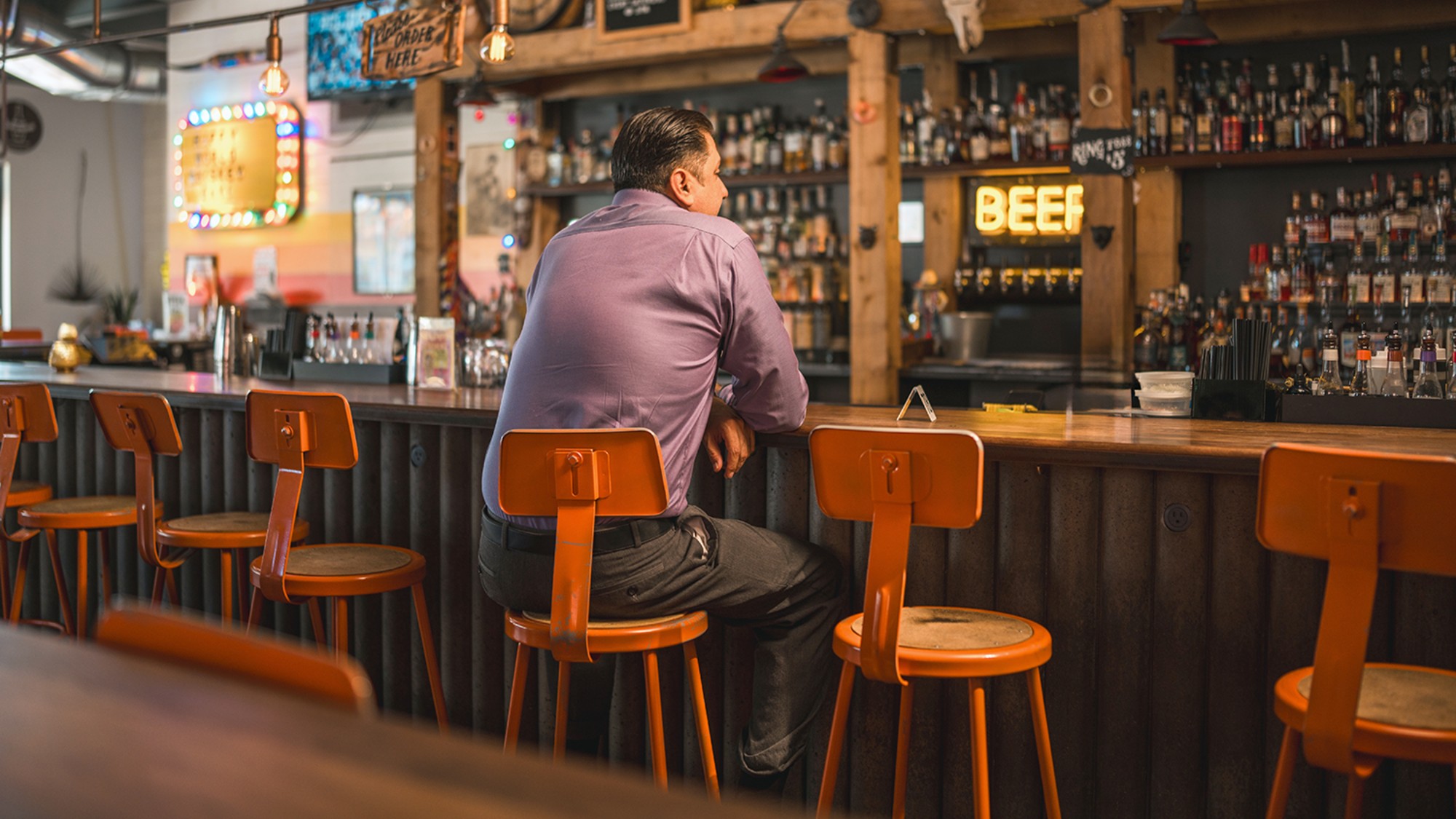
    Giving up the booze

    Americans are drinking less than ever—and a growing share are teetotalers. What’s behind the trend?

    What do the numbers show? 
    That the U.S. is losing its taste for the hard stuff. In a recent Gallup survey, 54% of American adults said they consumed alcohol, the lowest level since the pollster began tracking drinking behavior in 1939. The share of drinkers has dropped steadily and sharply since 2022, when 67% admitted they at least occasionally imbibed beer, wine, or spirits. And those that do still drink are knocking back far less: Pure alcohol consumption per person fell 3% in 2024, the biggest drop since the Prohibition era a century ago, according to the research firm Bernstein. While Gen Z often grabs headlines for its “sober curious” lifestyle—only 50% of Americans ages 18 to 34 say they drink—drinking is down across all generations, with the share of active drinkers among 35-to-54- year-olds dropping 10 percentage points since 2023 to 56%, and 5 points among those 55 and over, also to 56%. And those numbers could keep falling: 40% of adults told pollster Ipsos that their New Year’s resolution for 2026 was to drink less alcohol. 

    Why are people turning away?
    It’s partly an aftershock of the Covid era. The stress, isolation, and boredom of the pandemic led Americans to ramp up their drinking, especially at home. Beer, wine, and liquor store sales spiked by about $42 billion from March to September 2020—a 20% increase over the same period in 2019. And the share of Americans who reported consuming alcohol at levels defined as “heavy drinking” (at least 15 drinks a week for men, and eight for women) went from 5.1% in 2018 to 6.1% in 2020 and 6.3% in 2022. After those years of excess, it’s understandable that many people wanted to get sober or curb their drinking, said Malcolm Purinton, a beer historian at Northeastern University. “Pendulums do swing back and forth,” he said. But a growing awareness of alcohol’s health risks is also causing Americans to shun booze. 

    What’s happening? 
    Experts say alcohol is going through a “tobacco moment,” a reference to the 1970s tipping point when the public became aware of smoking’s links to cancer and cigarette sales started to plummet. A decade or so ago, “there was this perception that a glass of red wine with dinner every night might actually help you live longer,” said addiction specialist Dr. Scott Hadland. But in recent years, research has revealed the dangers of even moderate drinking. In early 2025, then– surgeon general Vivek Murthy issued a landmark advisory warning that no level of alcohol consumption is safe, noting that women who have just one drink a day have a 19% risk of developing an alcohol-related cancer, and that men who do the same have an 11% risk. Such warnings seem to be resonating: For the first time, a majority of Americans—53%— now say having one or two drinks a day is unhealthy, according to Gallup. 

    Are other factors at play? 
    There’s some evidence that GLP-1 weight loss drugs such as Ozempic or Wegovy, which about 1 in 8 adults now take, may stifle the desire to drink. But for Gen Z, social factors are likely the biggest driver. Younger people who saw their parents pound drinks during the pandemic might be embracing sobriety as a way to rebel, said Purinton. They’re expressing their individuality by saying, “I’m not going to be inebriated. I’m going to have control because you all didn’t.” The fear of being photographed drunk and shamed on social media is also a powerful deterrent. But Atsushi Katsuki, CEO of Japanese brewer Asahi, believes the biggest reason for the drop in drinking among young people is that they socialize less in person. Gaming, video streaming, and social media, he said, are eating into “alcohol’s share of fun, enjoyment, and happiness.” 

    Is the alcohol industry hurting? 
    It’s being battered not only by the drop in drinking but also by consumers’ economic worries and the shock waves of President Trump’s tariffs. As of October, shares of the world’s top listed beer, wine, and spirits makers had lost a combined $830 billion in just over four years, a total loss in market value of nearly 50%. Jim Beam, America’s largest bourbon maker, announced last month it will halt production at its flagship Kentucky facility for one year. And it’s not just the giants who are struggling. In 2024 and 2025, there were more closures than openings of small breweries—a stark reversal for the two-decade-old craft-beer boom. Winemakers face similar troubles: John Balletto, owner of Balletto Vineyards in Sonoma, Calif., said he expects his 2025 losses to hit $3 million, and that 30% of his grapes went unsold last year for the first time in a quarter-century. Few industry insiders expect a turnaround anytime soon. Instead, they are looking to adapt. 

    How are they doing that? 
    By embracing alcohol-free beer, wine, and mocktails. Annual sales of nonalcoholic (NA) beverages hit $1 billion in 2025, with NA beer sales rocketing by 22% from 2023 to 2024. Drinks giants are especially focused on crafting high-quality NA versions of their biggest brews—a tricky scientific task because ethanol is key to any beer’s taste. U.K.-based Diageo has invested more than $70 million in Guinness 0 production since the alcohol-free stout launched globally in 2021; the NA beer made up more than half of the Guinness brand’s growth in the U.S. in 2024. Other firms are selling “functional” drinks infused with supposedly mood-altering CBD oil, mushrooms, or botanicals. But analysts don’t know if consumers will embrace such options en masse, and some speculate that Americans may eventually rediscover their taste for alcohol. Andrew Gowen, head of research for Bell Asset Management, said this uncertainty is why his investment firm is avoiding the alcohol sector for now. “This industry’s been around for 7,000 years,” he said, “but a lot can change.”


    Only in America

    Texas A&M University has ordered a philosophy professor to stop teaching Plato. The school recently banned academic courses that “advocate race or gender ideology.” After reviewing the syllabus for professor Martin Peterson’s “Contemporary Moral Problems” course, officials instructed him to remove two passages from Plato’s Symposium, written around 380 B.C., discussing the origins of human sexuality, and gave him 24 hours to confirm his willingness to “mitigate your course content.”


    talking points

    Minnesota fraud: Walz takes the hit

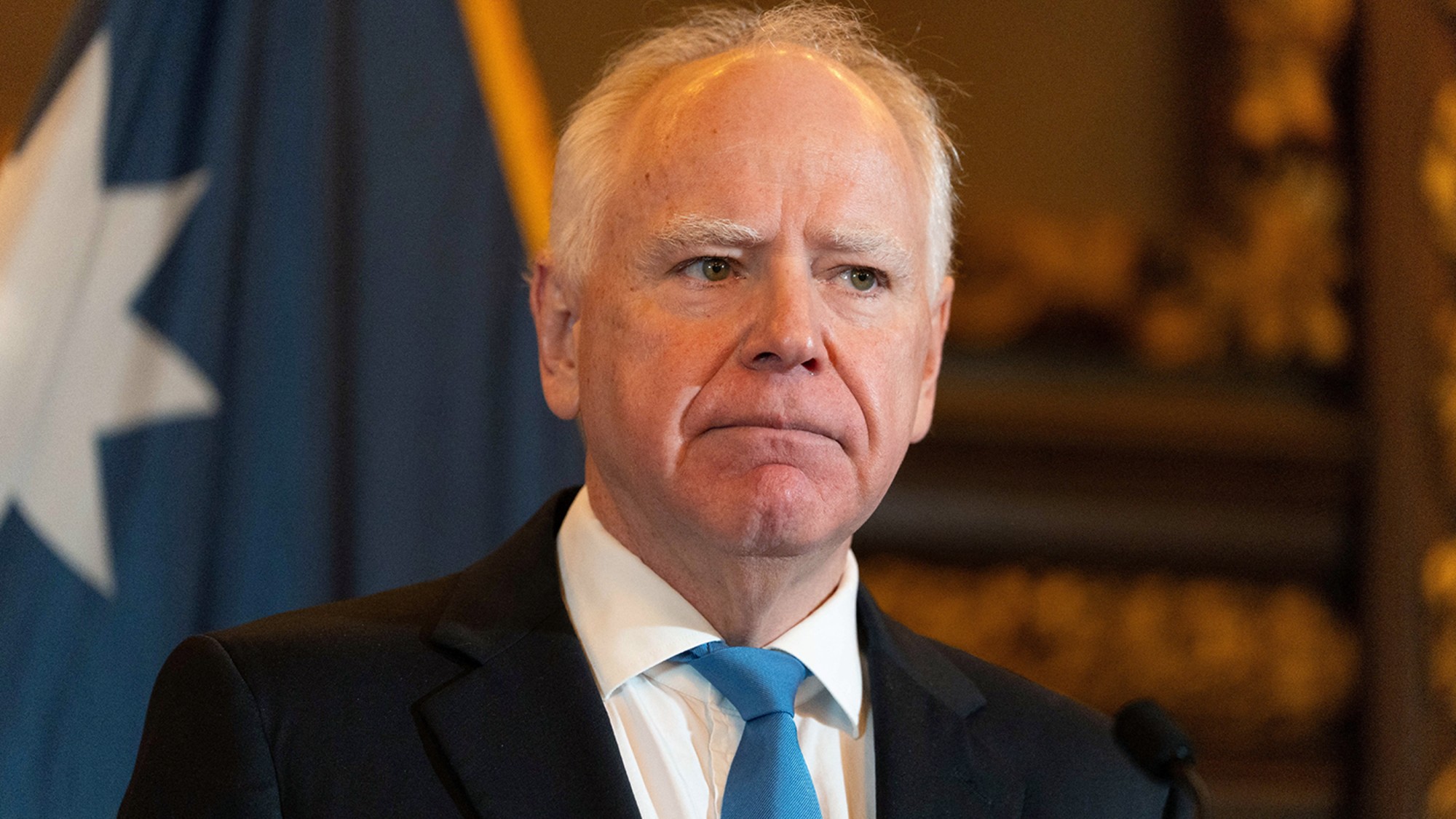
    “It isn’t often that politicians pay a price for the failures of government,” said The Wall Street Journal in an editorial. But in a “rare and welcome” exception, Minnesota Gov. Tim Walz announced this week he would not seek re-election as a result of the state’s billion-dollar welfare fraud scandal. For months, Walz shrugged off the rip-off of taxpayer funds as a regrettable consequence of Minnesota’s generous, Scandinavian-style safety net. But outrage grew as more than 90 mostly Somali defendants were charged with participating in schemes to defraud the state and federal governments of funds meant for food aid, child care, housing assistance, and other benefits. Federal prosecutors estimated the total price tag topped $9 billion—a sum Walz disputes. In saying he was dropping out of the 2026 race, Walz blamed both “the criminals who prey on our generosity” and “the cynics who prey on our differences.” How about taking some personal responsibility? 

    The fraud scandal is real, but it’s being dishonestly exploited and exaggerated by the MAGA right, said Zoe Sottile and Andy Rose in CNN.com. In a recent viral video, 23-year-old conservative influencer Nick Shirley “claimed with little evidence” that Somali-run day cares were raking in public money even though they had zero children in their care. In response, President Trump announced a pause of federal funding of Minnesota child care, and at least one Somali-run day care in Minnesota was vandalized. “Self-styled investigators” have tried to barge into child-care centers in other states with Somali American populations, “using their locked doors as evidence they are committing fraud.” Fraudsters “should go to prison,” said Sal Rodriguez in The Orange County Register. But the Minnesota scheme, which was first discovered and prosecuted during the Biden administration, has become an opportunity for MAGAworld to demonize all 260,000 Somali Americans as “pirates” and “garbage.” That’s nothing more than racist demagoguery. 

    Indisputably, the government “gets defrauded too often,” said Noah Smith in his Substack newsletter. Recent examples include a $1.3 billion Medicare scheme perpetrated by Chicago executive Philip Esformes, pardoned by Trump during his first term. This past year, Trump gave clemency and exemption from financial penalties to 20 convicted criminals—none of them Somalis—and denied fraud victims tens of millions of dollars in promised restitution. Fraud damages “trust in American institutions,” but don’t expect a coherent response from “the most corrupt administration in American history.”


    people

    Why everyone hates Chase

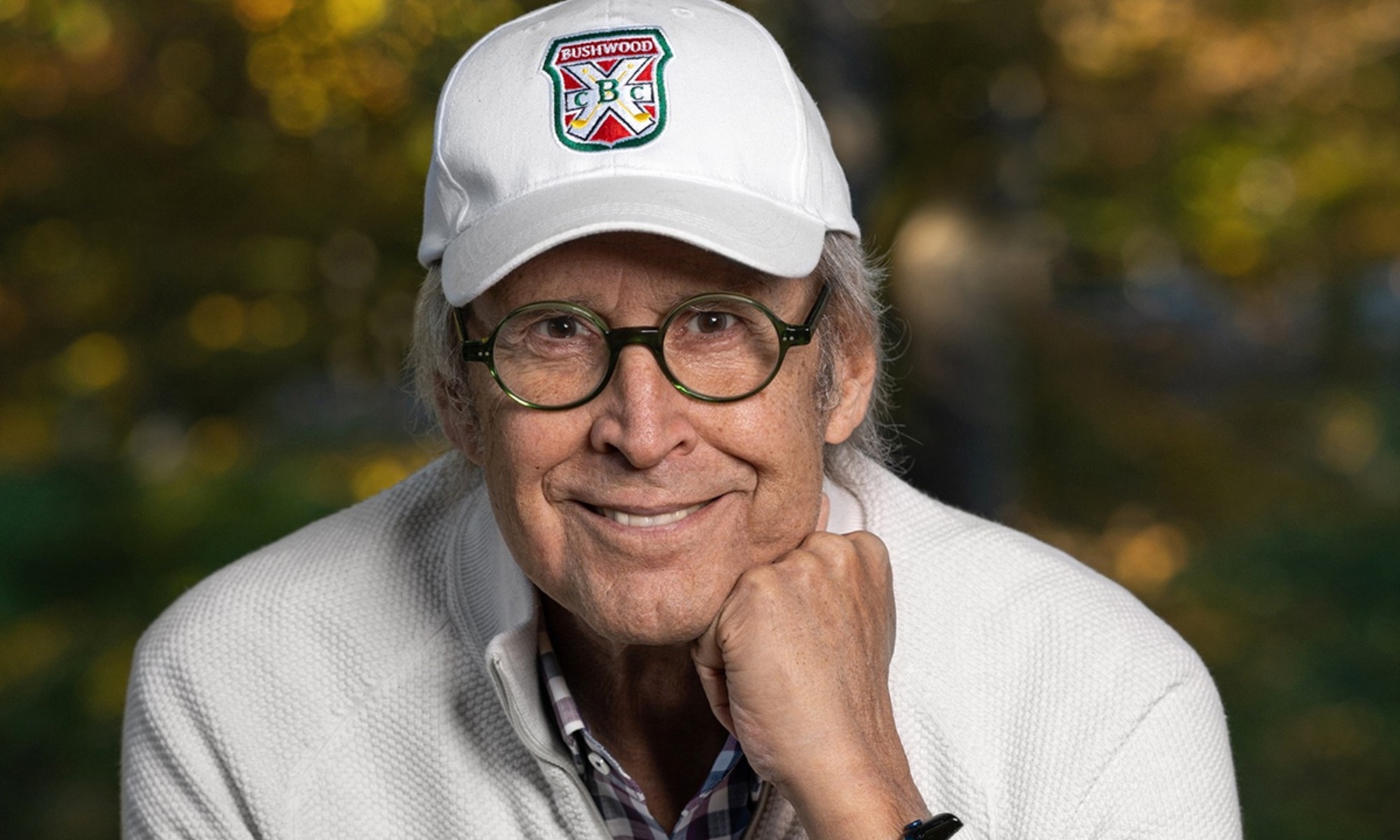
    Chevy Chase has few fans in the entertainment business, said Nicole Sperling in The New York Times. The famously abrasive 82-year-old comedian and actor is so unpopular that he was excluded from Saturday Night Live’s 50th-anniversary special last year, despite being the show’s first Weekend Update anchor in 1975. Director John Carpenter said his experience working with Chase on a 1992 movie made him want to quit Hollywood. And in 2014, Chase was written off his last major job, the NBC comedy Community, after clashing repeatedly with the showrunner and using the N-word on set while fuming in regard to his character’s bigotry. Why does he consistently rub people the wrong way? “Maybe they thought I was full of myself,” he says, but he also suspects people don’t “really like a tall, handsome, funny” guy. He accepts that other tall and handsome actors manage to be liked, but “they aren’t as handsome. It’s like Jon Hamm. I met him at an airport. I spoke with him, almost as a fan, and by the end of our talk, he got up and left. ‘I’ve got to get my plane.’ No hug, no shaking hands. And I’m thinking, ‘What have I done wrong in my life?’” But he doesn’t blame himself for the state of his career. “We go up and down and up and down. You make mistakes. You don’t make so many mistakes. And then you get to where I am now, where I don’t think any of that matters.”


    Saturday Wrap was written and edited by Theunis Bates, Chris Erikson, Bill Falk, Allan Kew, Bruno Maddox, Rebecca Nathanson, Tim O'Donnell, Zach Schonbrun, and Hallie Stiller.

    Image credits, from top: Getty; Getty; Reuters; Getty
     

    Recent editions

    • Evening Review

      What does Greenland think?

    • Morning Report

      Iran cuts internet as protests escalate

    • Evening Review

      Has social media had its day?

    VIEW ALL
    TheWeek
    • About Us
    • Contact Future's experts
    • Terms and Conditions
    • Privacy Policy
    • Cookie Policy
    • Advertise With Us
    • FAQ
    Add as a preferred source on Google

    The Week UK is part of Future plc, an international media group and leading digital publisher. Visit our corporate site.

    © Future Publishing Limited Quay House, The Ambury, Bath BA1 1UA. All rights reserved. England and Wales company registration number 2008885.