The Week UK
flag of US
US
flag of UK
UK
https://cdn.mos.cms.futurecdn.net/flexiimages/jzblygzdxr1769609154.gif

SUBSCRIBE

Start your trial today

Sign in
  • View Profile
  • Sign out
  • The Explainer
  • Talking Points
  • The Week Recommends
  • Podcasts
  • Newsletters
  • From the Magazine
  • The Week Junior
  • More
    • Politics
    • World News
    • Business
    • Health
    • Science
    • Food & Drink
    • Travel
    • Culture
    • History
    • Personal Finance
    • Puzzles
    • Photos
    • The Blend
    • All Categories
  • Newsletter sign up Newsletter
  • The Week’s Saturday Wrap
    Elon Musk’s influence, the rising price of beef, and the Ramaswamy backlash

     
    controversy of the week

    Musk: Does he have too much power?

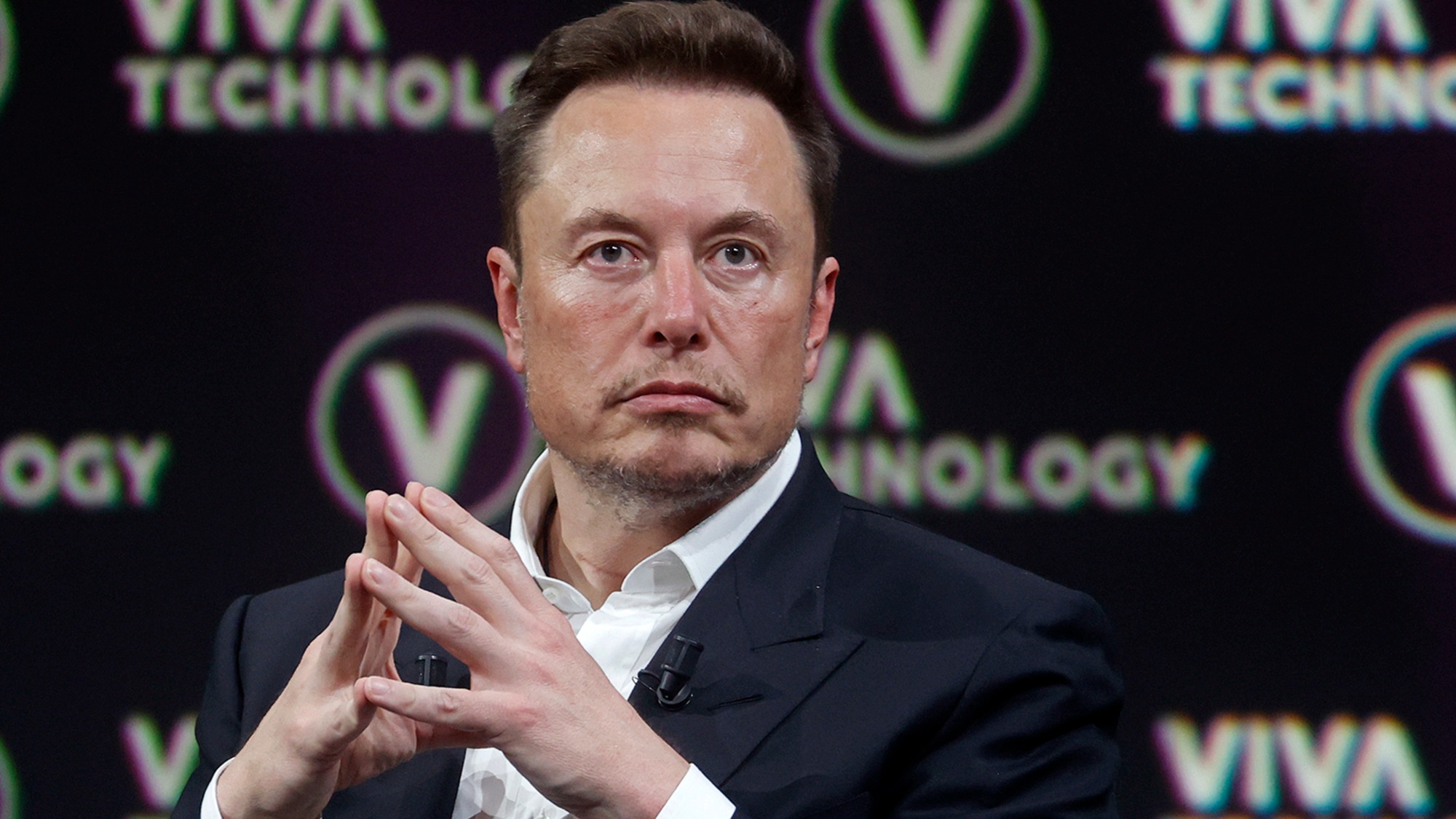
    Elon Musk is trying to “make himself more powerful than the government,” said Michael A. Cohen in MS.now. The SpaceX founder and world’s wealthiest man announced last week that he was behind the decision to temporarily throttle Ukraine’s access to a crucial battlefield technology, claiming Kyiv had violated the “terms of service” of his commercial Starlink satellite network by using it for offensive operations against Russia. Kyiv said that explanation didn’t make sense, because the slowdown hit Starlink’s Pentagon-controlled military equivalent Starshield, which Ukraine uses to guide attack drones and defensive drone interceptors. Most likely, Musk was “working in concert” with President Trump, trying to pressure Ukrainian President Volodymyr Zelensky into accepting Russia’s terms for ending the war. Either way, it’s outrageous that Musk, “unelected and unaccountable,” should hold such sway over U.S. foreign policy—or domestic policy. The trillionaire has spent over $442 million helping Republicans in next week’s midterms. That’s more than any individual has ever spent on a congressional election cycle and “dwarfs” the $250 million he spent returning Trump to the White House in 2024. If Democrats can overcome Musk’s money and win at least the House next week, they need to find ways to stop this “menace” wielding “such influence in American elections and on American statecraft.” 

    It’s true that Musk has shown “moral confusion” on Ukraine, said Daniel Foster in National Review. He was right in 2022 to let Ukraine use Starlink to help repel Russia’s invasion, a decision that “did no less than save the country.” That system became “the very backbone of Ukrainian military operations,” used for guiding drones, artillery targeting, and command-and-control. But in recent years he seems to have “sincerely” adopted a view pushed by Kremlin propagandists and apologists that “Ukrainian self-defense is itself immoral because of how much Ukrainian suffering it involves,” and that Zelensky should just surrender. There’s always a trade-off when dealing with “brilliant innovators” like Musk, said Marian Tupy in The Dispatch. He’s arrogant, impulsive, and vindictive, but those same characteristics have allowed him to push “the technological frontier forward.” 

    That argument is wearing thin, said David Futrelle in The Nation. “Once regarded as a sort of quirky tech wunderkind,” propelled by sci-fi fantasies of Martian colonies, Musk’s focus these days is squarely on planet Earth, where he’s emerged as “a mortal threat to democracy.” The sums he’s spending to tilt elections are unprecedented, and just as corrosive is what Musk thinks he’s buying: immunity from the laws on which democracy depends. When journalist Kara Swisher last week predicted that if Democrats win Congress they will investigate Musk—over his extensive government contracts and his leadership of DOGE—he “ominously” tweeted at her, “Live by the sword, die by the sword.” For good authoritarian measure, he added, “Sounds like Swisher really wants to go to prison.” 

    The problem is bigger than Musk, said Sharon Weinberger in The Boston Globe. As militaries grow ever more reliant on “commercial technologies” from SpaceX, Palantir, and AI firms, the global balance of power will depend increasingly on mercurial tech titans. Europe, in “a panic,” is racing to develop a Starlink alternative, but democratic governments can’t match the spending power of private investment. Without drastic action, the outlook for our politics is no less bleak, said Perry Bacon in The New Republic. It’s time to choose. We “can have an oligarchy or a democracy—but not both.” 


    VIEWPOINT

    The inevitable

    “The secret genius of Halloween is that it confronts us, once a year, with the fact of our decaying flesh and the universal pull of the grave. The revolutionary advent of artificial intelligence seems to have encouraged many tech optimists in the more extreme hope of using machinery to cancel death entirely. We can certainly hope that all kinds of medical innovations and life improvements, abetted by AI, are in our future. But we should neither hope nor expect to abolish death. The certainty of death teaches us, if we let it, to honor each moment of life as an unrecoverable miracle.” 

    Spencer A. Klavan in National Review


    briefing

    Beef-flation

    Why have all types of beef—even hamburger meat—gotten so expensive?

    How pricey is beef now? 
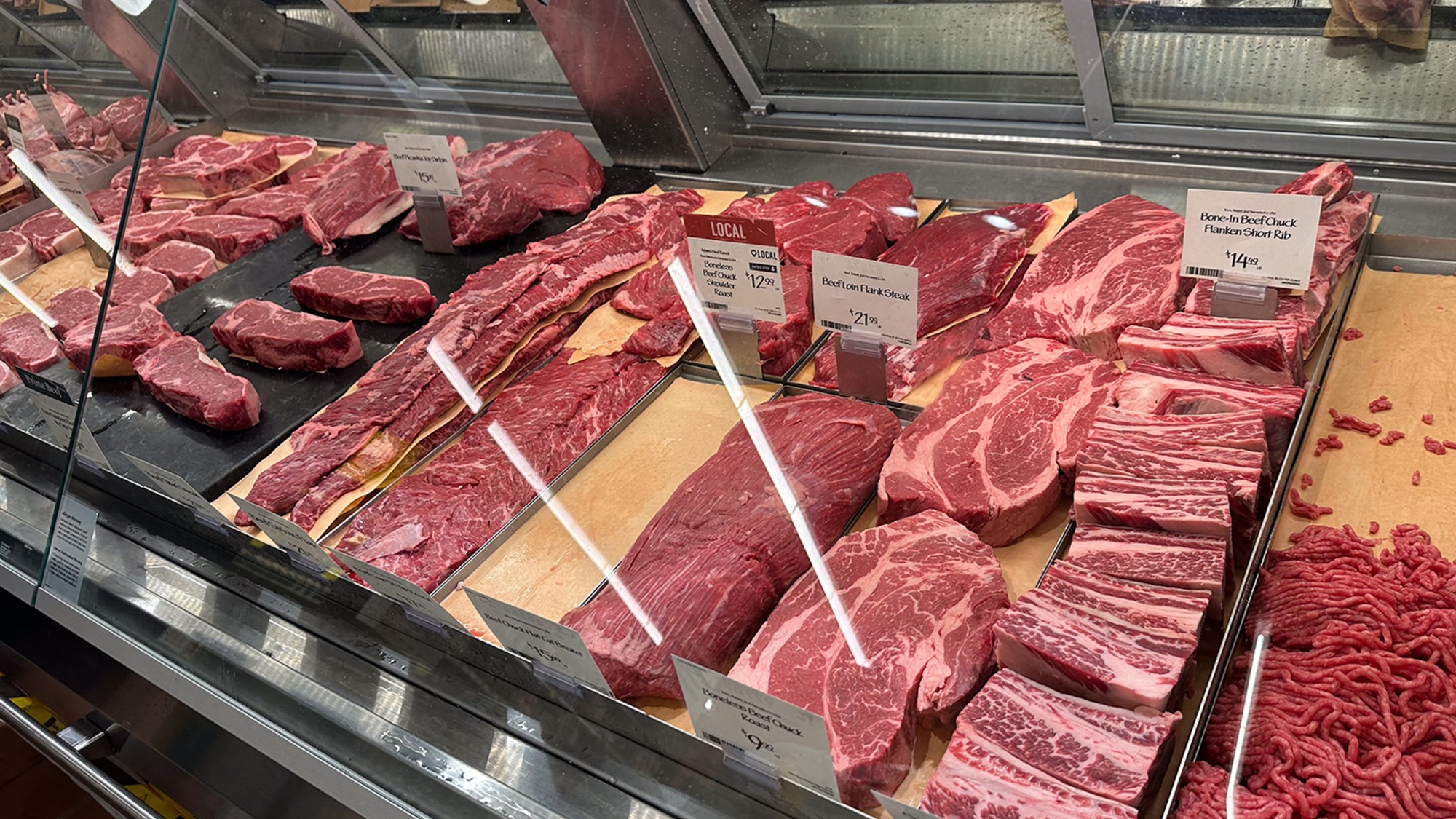
    It’s one of the biggest sources of sticker shock at the supermarket. The price of beef has far exceeded the rate of inflation, with ground beef at over $7 a pound in September, nearly 20% more expensive than it was two years ago, and steak at nearly $13 a pound, up 16%. Last year, we spent roughly $45 billion on beef, a 10% jump over the previous year. That’s partly because, though the growing U.S. population eats more beef and veal per capita than any other nation save Argentina, our beef cattle herds are currently the smallest they’ve been in 75 years. The consequences of this shortage show up on individual shoppers’ receipts: McDonald’s charges over $6 for a Big Mac, and a burger in a sit-down restaurant in New York or California can run $30 or more. Even in Texas, the onetime mecca of cheap beef, the state’s approximately 3,300 barbecue joints are facing the impossible choice of either selling brisket at a loss, dropping it from the menu, or closing their doors altogether, as several have been forced to do. “I spend $100,000 a month on groceries to bring in here— $45,000 of that is brisket alone,” said Russell Roegels, a longtime Houston pitmaster. “Everybody’s at risk these days. You’re one bad week from closing.” 

    Why are we short of cattle? 
    Mainly because of years of drought in cattle-producing states. Water scarcity depletes grain, grass, and other plants that cows eat, forcing ranchers to either buy supplemental feed or thin their herds to keep afloat financially. “It really had an effect on forage availability,” said Cameron Mulrony of the Idaho Cattlemen’s Association, “and just any place to go with those cows.” Though ranchers are able to partly compensate by raising cattle that weigh hundreds of pounds more than their 1950s counterparts, rising production costs hit every stage of the beef supply chain. Steer and heifers cost more to fatten at feedlots. Meatpacking plants have to pay more for them, leading even giants such as Tyson and JBS to post nine-figure losses in the first half of 2026. Consumers then pay more for the meat. Still, not all the industry’s woes can be blamed on the environment. The Trump administration has also dealt it multiple blows. 

    What has the government done? 
    President Trump’s tariffs on imports, followed by successful legal challenges against them, added a jolt of volatility to the market. Trump ratcheted up tariffs on Brazilian beef to 76% in July 2025 before walking them back later that year. Then the Iran war sent the prices of diesel and fertilizer soaring, which increased the costs of transporting beef and growing feed. Trump’s immigration crackdown also hit the industry hard— as it did the rest of agriculture—because the immigrants who make up a significant portion of livestock workers were scared to come to work. “These ICE operations,” industry groups in Texas, Kansas, and Oklahoma said in a joint statement, “are having a massive chilling effect on the legal, documented, skilled workers that put beef on the table.” (Homeland Security Secretary Markwayne Mullin denied such raids occurred in Kansas.) And finally, the USDA closed the border to Mexican cattle for 15 months to try to stop the spread of the New World screwworm. The flesheating parasite was once eradicated from North America, but reappeared in Mexico last year and reached the U.S. in June. 

    What’s being done to tame prices?
    Casting about for ideas, the Trump administration has proposed antitrust enforcement against the four meatpacking corporations that control 85% of the industry, opening up additional federal lands to cattle grazing, and an initiative to let ranchers process their own meat. The USDA started readmitting Mexican cattle in August. Ranchers welcomed those proposals. But in August, Trump signed an executive order suspending tariffs on 300,000 metric tons of lean beef trimmings from Argentina, Brazil, and elsewhere, which would be sold at a 25% discount to the market price, and that made ranchers livid. Tim Brunner of the Montana Cattlemen’s Association called the plan “absolutely idiotic.” 

    Why were ranchers upset? 
    Though tariffs were intended to protect the beef industry, they artificially constricted the total U.S. supply. Then, when some were abruptly lifted, ranchers were caught in a bind: The price of their cattle dropped while their operating costs did not. And the executive order allowed in dubious foreign meat. The ultra-lean trimmings imported on the cheap have been frozen, possibly for years, intended to be mixed with fattier domestic meat to make ground beef. There could be safety concerns around that: The European Union just banned Brazilian beef because of the types of antibiotics used in it, and China recently refused a shipment of tainted Argentine beef. While prices did dip 1% in the month after Trump’s decree, economists estimate the imports will only end up shaving a few cents off a pound of hamburger. 

    What else might get prices down? 
    Lawmakers from cattle states have a few ideas. Legislation proposed by Rep. Gabe Evans (R-Colo.) in October would make more cattle eligible for the USDA’s Livestock Risk Protection program, which could create a financial cushion so ranchers can save heifers for breeding. Still, ranching will always be a low-margin business, and fewer people want to go into it. Ranchers over 65 already outnumber those under 35 by 4 to 1. With the demand for beef holding steady (see box), price pressures are likely to remain strong for years. “The truth is that we may have to accept an uncomfortable reality,” said sixth-generation Kansas rancher Katie Tonn. “Beef is simply more expensive than it used to be.”



    Only in America

    A Florida police officer is accused of impersonating a dead man so he could take possession of his home. After finding Dennis West, 71, dead during a 2022 welfare check, Brian Sguros allegedly forged documents and made tax payments to give the impression West was still alive, while spending $214,000 of his own money on renovations. Sguros, who resigned after being charged with multiple felonies, says his goal was “to prevent squatters from taking control.”


    It wasn’t all bad

    A Pennsylvania teen’s first royal decree as homecoming king was to share the title with his friend with Down syndrome. Keni Cedanio Ramirez and Axton Kuhl were the two nominees at Mahanoy Area High School, but when Ramirez was announced as the winner, he realized that Kuhl was struggling with the loss. Ramirez said he thought of his own brother with autism and announced they would share the honor. Ramirez said he hoped to inspire compassion in others. “I try not to treat nobody like they’re less than me, because we’re all equal.”


    talking points

    Ramaswamy: Too nasty to win?

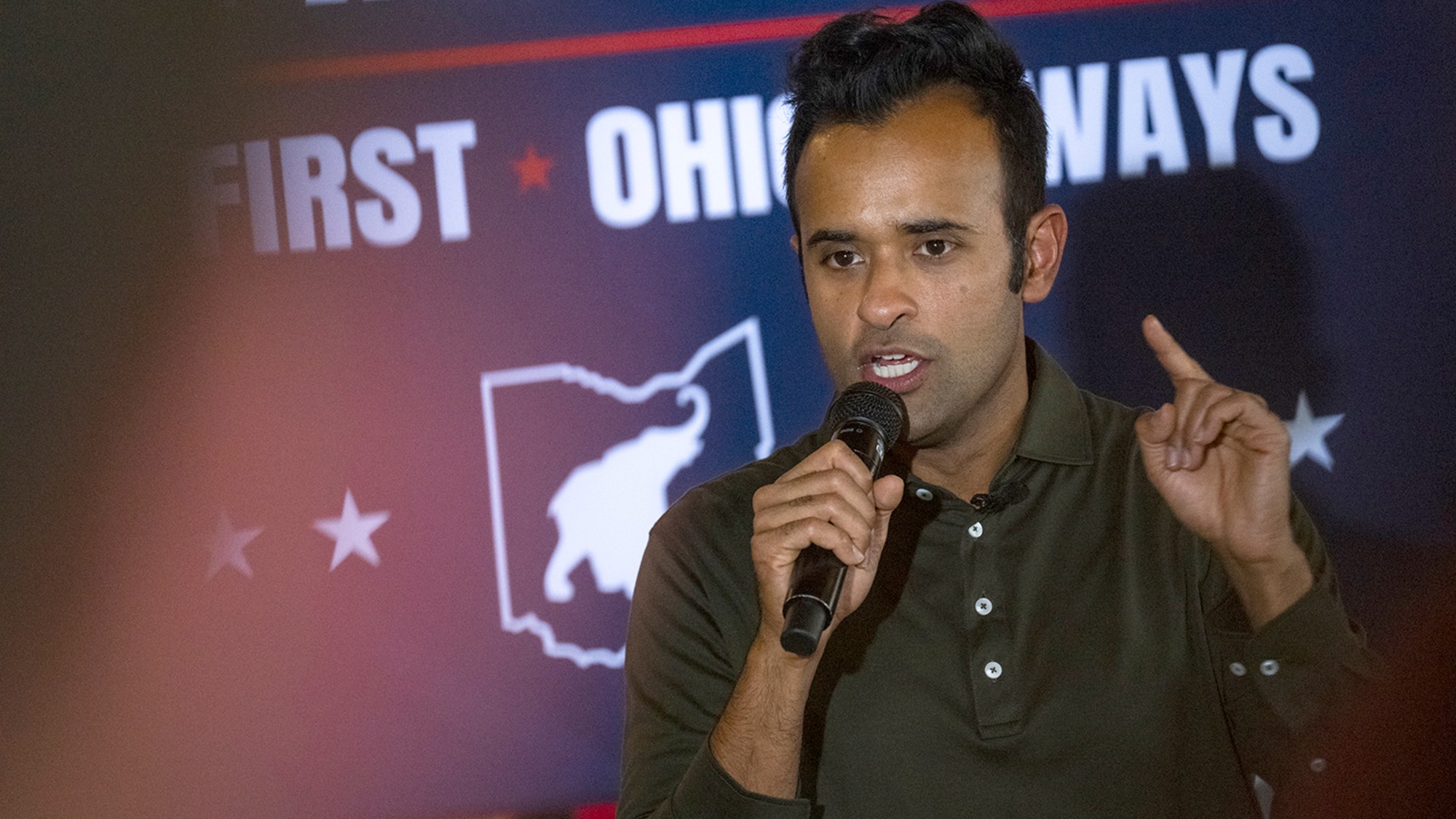
    “I’ve never seen a viler ad,” said David French in The New York Times. Vivek Ramaswamy, the GOP candidate for governor of Ohio, confirmed last week that his campaign was behind a truly despicable spot attacking his Democratic opponent, Amy Acton. The ad features Acton’s estranged mother, Donna Arthur, who calls her daughter a “liar” and insinuates she has mental health issues. What Arthur doesn’t mention is that she lost custody of her children after their stepfather was indicted in 1978 for raping the 12-year-old Acton; Arthur joined her husband when he fled the jurisdiction rather than face trial. If Ramaswamy had “a molecule of decency,” he’d pull the ad and apologize for “wielding that evil mother as a weapon against her own daughter.” But we learned long ago “that there is no bottom for MAGA,” so Ramaswamy instead defended his smear tactics—saying they were needed because Acton “won’t debate me”— and threw $4 million in funding behind the ad. 

    “The blowback was instantaneous,” said Paul Waldman in Public Notice. As well as Democrats, “one Republican after another” criticized Ramaswamy for deploying Acton’s “alleged child-rapist-defending mother,” including Ohio Gov. Mike DeWine and Ohio Sen. Jon Husted— the latter of whom is locked in a tight midterms race. As the toxic fallout from the ad spread, the nonpartisan Cook Political Report moved the gubernatorial contest from “toss-up” to “Lean Democrat.” Still, Ramaswamy did secure the support of “the two most powerful Republicans in America.” Vice President JD Vance said he was “disgusted” by Republican “whining,” while President Trump said he wished the mothers of his opponents had been as “brave” as Arthur. That Ramaswamy has ended up in this mess is no surprise. Trump has remade the GOP in his own image: “cruel, vulgar, often hateful.” But most politicians, including Vance and Ramaswamy, lack the “dark power” that Trump possesses and instead come across as “atrocious jerks” when they try to emulate him. 

    As well as being in terrible taste, this ad was terrible politics, said Erika D. Smith in Bloomberg. Ramaswamy chose to essentially “ally himself with the ally of an alleged pedophile” at a time when 75% of Americans believe the Trump administration has been protecting the wealthy pals of convicted pedophile Jeffrey Epstein. We’ll soon see if this ugly gamble pays off for Ramaswamy, said Nick Catoggio in The Dispatch. The repugnant ad should permanently shatter his political ambitions. But if he wins next week, the video will likely be framed as a “career-maker.” And “he’ll have confirmed post-liberalism’s central thesis—that the key to political success is unabashed ruthlessness.”


    people

    Goodman’s life of discomfort

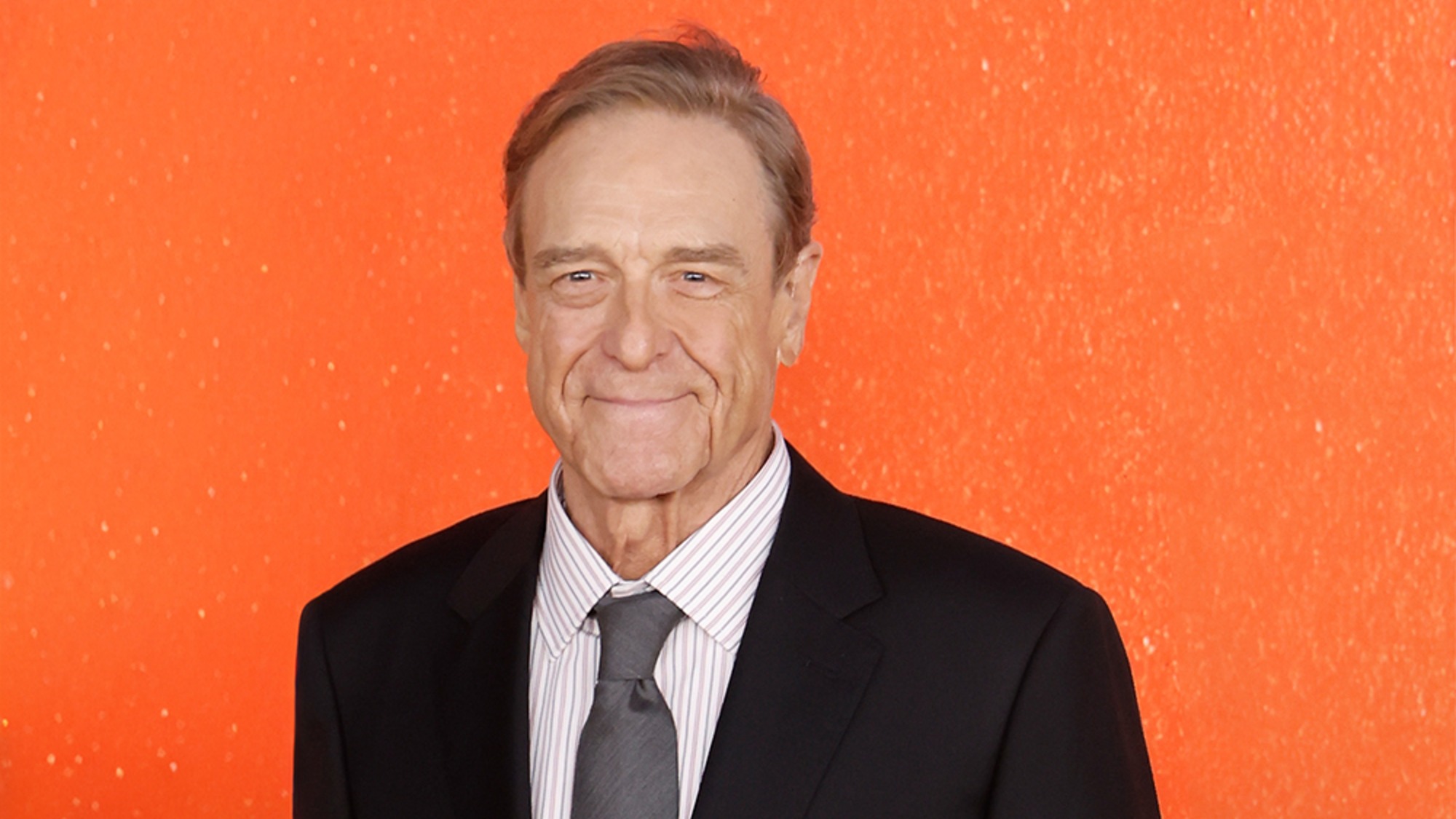
    John Goodman has never felt comfortable in his own skin, said Michael Schulman in The New Yorker. Raised by his mom in suburban St. Louis— his father died a month before Goodman turned 2—he says he grew up with “an underlying fear about everything.” He had no interest in education, but when he was kicked out of class and sent to the library, “I would start reading plays. Arthur Miller, Tennessee Williams. I have no idea why.” In 1975, Goodman moved to New York City, driven by fear that he’d hate himself if he didn’t give acting a shot. After being dumped by his girlfriend, he started hanging out in bars and gaining weight. He became a regular at Cafe Central, where “the bartender was a really magnetic, funny guy named Bruce Willis,” says Goodman, 74. “I turned it into home—and got very used to drinking.” He found success with Roseanne in 1988, but by the end of the beloved series, he was barely onscreen. “I just didn’t want to be there anymore. My worldview was filtered through a Budweiser bottle. I would overeat, because that was comfort.” His weight fluctuated drastically. “I’d lose 60 pounds in a summer, gain it all back.” At 55, he got sober. Goodman kept “eating alcoholically,” though, and hit nearly 400 pounds. Stomach surgery finally helped him slim down. “But I also turned anemic and lost a layer of fat under my skin, and I’m cold all the time.”


    Saturday Wrap was written and edited by Theunis Bates, Susan Caskie, Falk, Allan Kew, Bruno Maddox, Rebecca Nathanson, Tim O’Donnell, and Hallie Stiller.

    Image credits, from top:  Getty; Shutterstock; Getty; Getty
     

    Recent editions

    • Evening Review

      Orbán for UN chief?

    • Morning Report

      Putin says Russia is ready for war with Europe

    • Evening Review

      Why Israel’s Arabs may be key to its political future

    VIEW ALL
    TheWeek
    • About Us
    • Contact Future's experts
    • Terms and Conditions
    • Privacy Policy
    • Cookie Policy
    • Advertise With Us
    • FAQ
    Add as a preferred source on Google Add as a preferred source on Google

    The Week UK is part of Future plc, an international media group and leading digital publisher. Visit our corporate site.

    © Future Publishing Limited Quay House, The Ambury, Bath BA1 1UA. All rights reserved. England and Wales company registration number 2008885.