The madcap actress who sparkled on SCTV and Schitt’s Creek
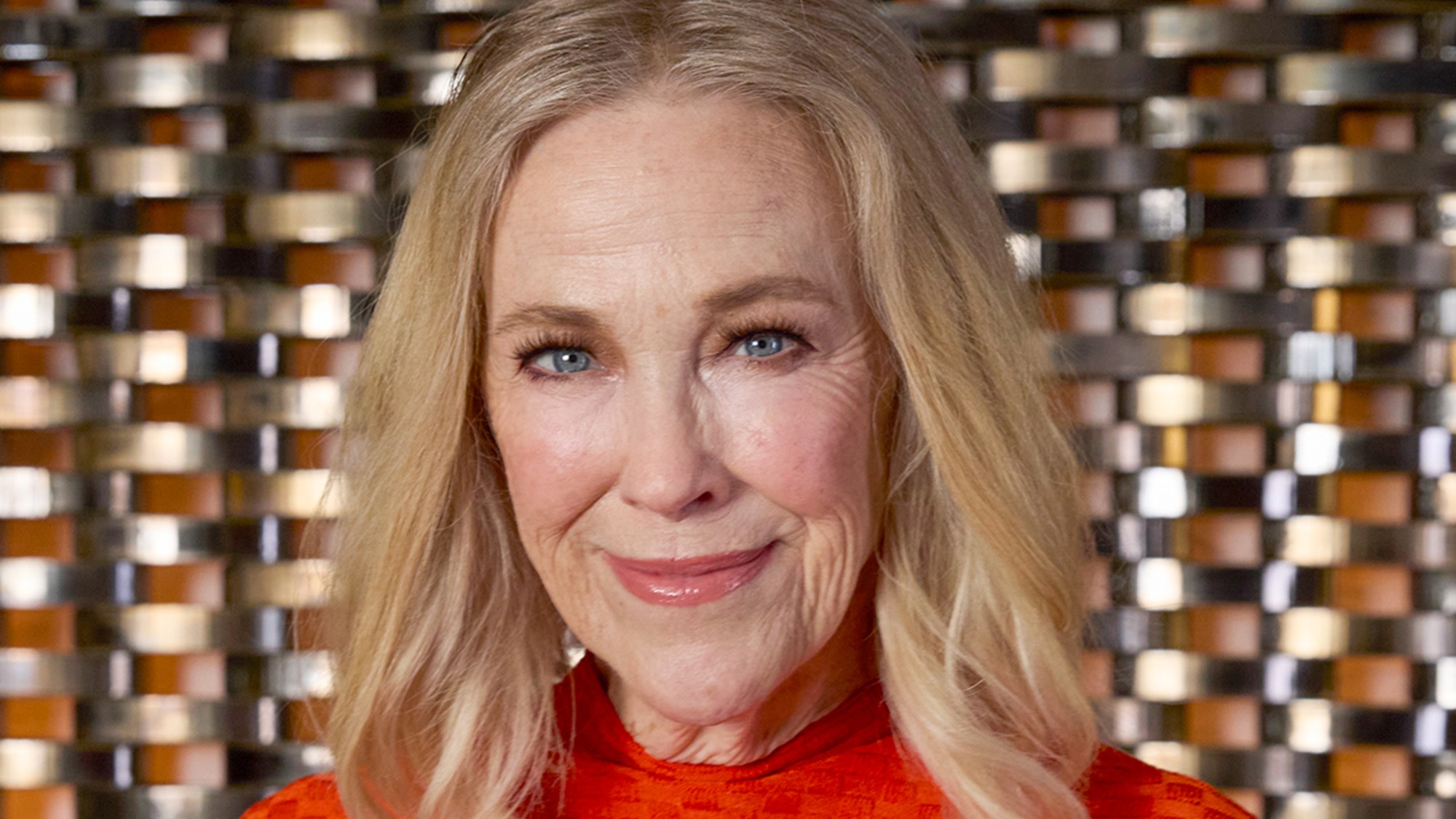
Catherine O’Hara portrayed ridiculous eccentrics with equal parts hilarity and humanity. Beginning her five-decade career as a member of Canada’s Second City troupe, which launched fellow stars like John Candy, Martin Short, and frequent collaborator Eugene Levy, she earned a reputation as a scene stealer who found the emotional heart of zany characters. These included Delia Deetz, a pretentious sculptor and malevolent stepmother in the film Beetlejuice (1988), and Moira Rose, a self-absorbed and bankrupt soap star who moves with her family to small-town Ontario in TV’s Schitt’s Creek (2015–20), which earned O’Hara her second Emmy. She was a highlight in a string of Christopher Guest mockumentaries, with roles including a travel agent cast in a small-town musical in Waiting for Guffman (1996) and an aging actress pining for an Oscar in For Your Consideration (2006). O’Hara found her highest-profile role in Home Alone (1990), as a harried suburban mom who accidentally abandons her 8-year-old son. It was a relatively straight role for O’Hara, who reveled in characters lost in their own vanity and delusions. “I love playing people who have no real sense of the impression they’re making on anyone else,” she said. “The more I say it, the more I realize that’s all of us.”
Born in Toronto, Catherine Anne O’Hara was the sixth of seven kids in an Irish immigrant family that “prized storytelling and theatricality,” said The Telegraph (U.K.). Her jokester father worked for a railway; her realtor mother was a gifted mimic whose impressions of clients enlivened family dinners. O’Hara studied theater at Toronto’s Burnhamthorpe Collegiate Institute. After graduating she waitressed at the Second City revue theater, where she was inspired by her brother’s girlfriend Gilda Radner; eventually, she became Radner’s understudy. When Radner left to join the founding cast of Saturday Night Live, O’Hara replaced her, and the troupe became her “second university.” In 1976, it spawned Second City Television, the cult sketch series that “established her as a master of absurdist comedy and outsize characters,” said The Washington Post. She impersonated Katharine Hepburn and Brooke Shields, and played recurring characters including the “bespangled, melodramatic singer” Lola Heatherton and Sister Mary Innocent, a sadistic nun.
After SCTV’s run ended in 1984, O’Hara began landing small film parts, said The Times (U.K.). She made a “scene-stealing appearance” as an ice cream vendor in Martin Scorsese’s After Hours (1985) and played a dishy journalist in Mike Nichols’ Heartburn (1986). But it was Tim Burton who “elevated her to the A-list” with the horror-comedy Beetlejuice, which showcased her bold comic energy. That led to her memorable turn as the frantic mom in Home Alone, which director Chris Columbus credited with giving the film its “emotional depth.” Some of O’Hara’s best work was done alongside Levy, who matched her “in oddball charm,” said The New York Times. The two “functioned as a de facto comedy team” in movies including numerous Guest mockumentaries. They were a married couple in Best in Show (2000), a dog-show send-up in which O’Hara played Cookie Fleck, a bottle-blond with an amorous past, and a former ’60s folk duo who reunite in A Mighty Wind (2003).
Schitt’s Creek, created by Levy and his son Dan, proved a “career-capping triumph” for O’Hara, said the Associated Press. Her over-the-top portrayal of Moira Rose, a verbose narcissist with a unique, affected accent and extensive wig collection, was “the perfect personification of her comic talents” and brought her a new generation of fans. (“What have I told you about putting your body on the internet?” she tells her daughter in one scene. “Never without proper lighting.”) Her final roles were as a widowed therapist on HBO’s postapocalyptic drama The Last of Us and an ousted studio head in the Hollywood satire The Studio. A long-married mother of two and self-described “good Catholic girl at heart,” she called her humor an essential “survival” tool. “It’s one of God’s greatest gifts, because life is full of the dark and the light,” she said. “You gotta look for the light.”