The Week The Week
flag of US
US
flag of UK
UK
https://cdn.mos.cms.futurecdn.net/flexiimages/jzblygzdxr1769609154.gif

SUBSCRIBE

Try 6 weeks free

Sign in
  • View Profile
  • Sign out
  • The Explainer
  • Talking Points
  • The Week Recommends
  • Podcasts
  • Newsletters
  • From the Magazine
  • The Week Junior
  • More
    • Politics
    • World News
    • Business
    • Health
    • Science
    • Food & Drink
    • Travel
    • Culture
    • History
    • Personal Finance
    • Puzzles
    • Photos
    • The Blend
    • All Categories
  • Newsletter sign up Newsletter
  • The Week’s Sunday Shortlist
    Toy Story’s fifth outing, The Bear’s final service, and a history of the World Cup

     
    FILM REVIEW

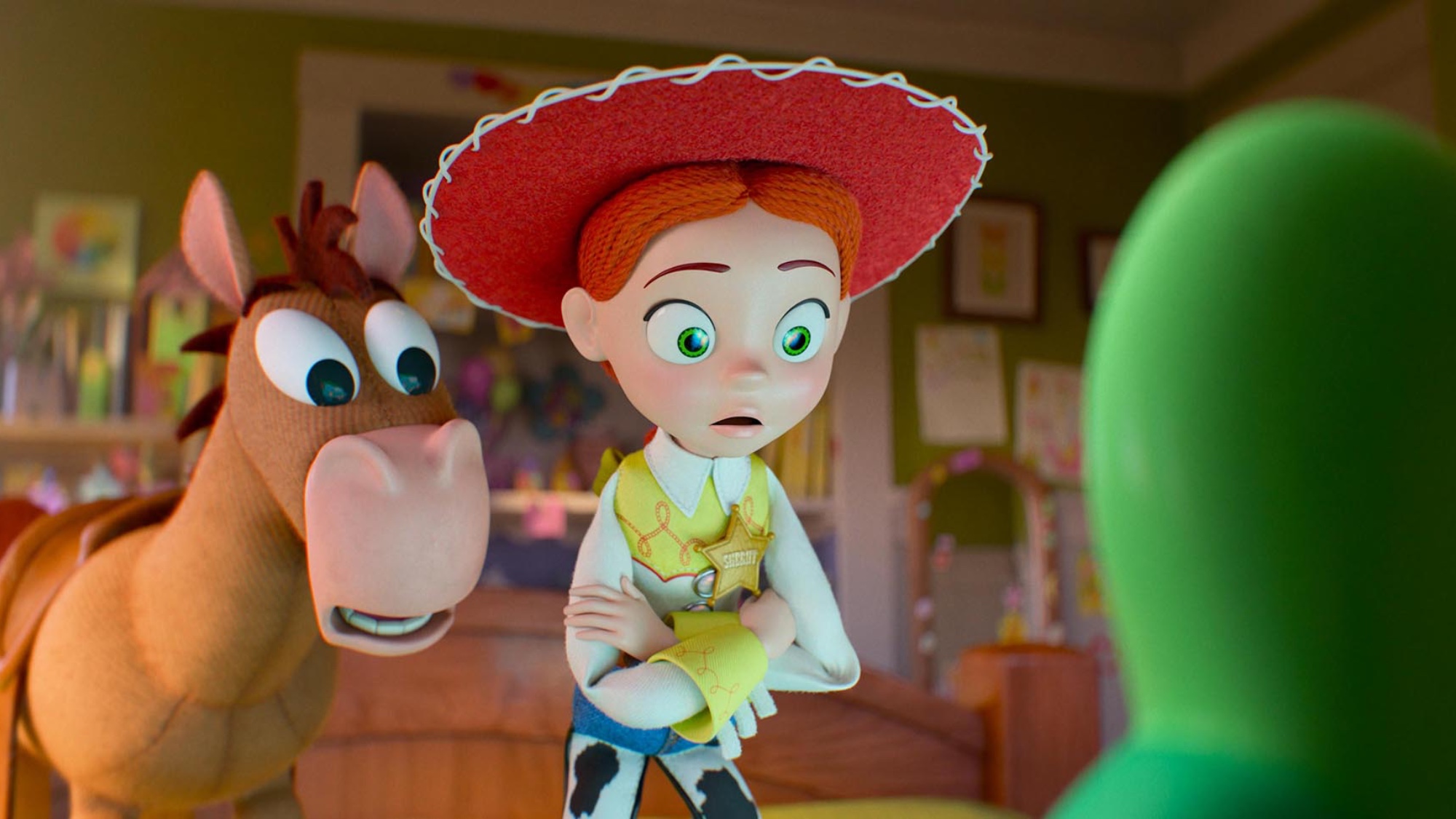
    Toy Story 5

    Screen technology threatens Pixar’s old-school playthings.

    Toy Story 5 arrives this week as further proof that “there’s no animated franchise that’s ever plumbed the human condition so deftly,” said Nick Schager in The Daily Beast. As “unnecessary and charming” as 2019’s Toy Story 4, it’s “a cute and funny sequel” that once again seamlessly weaves big ideas about the terrors of loss, abandonment, and mortality with suspenseful action, a hearttugging message, and plenty of “good-natured goofiness.” The best thing about seeing the once-perfect Toy Story catalog expand again is that Jessie, the cowgirl doll voiced by Joan Cusack, “finally gets to take center stage,” said David Fear in Rolling Stone. Jessie is the favorite toy of 8-year-old Bonnie, so when the shy grade-schooler is given a digital tablet and loses interest in her old playthings, it’s Jessie who leads the fight to expose the pitfalls of socializing online. But while screen technology fully deserves its villainous role, “Toy Story 5 is a screed in search of a story,” and all of the movie’s secondary plotlines— about Buzz Lightyear, Sheriff Woody, and one of Bonnie’s tween neighbors—“somehow feel like filler.” Sadly, “this is what happens when you beat a franchise to death.” The movie, to be sure, “doesn’t take many risks,” said Robert Daniels in RogerEbert.com. Jessie eventually makes peace with technology, suggesting we all simply find a balance between the online world’s attractions and organic living. “It’s your prototypically beautifully rendered movie tackling a heady subject in the safest possible manner”— which isn’t bad for a fifth outing. 


    tv review

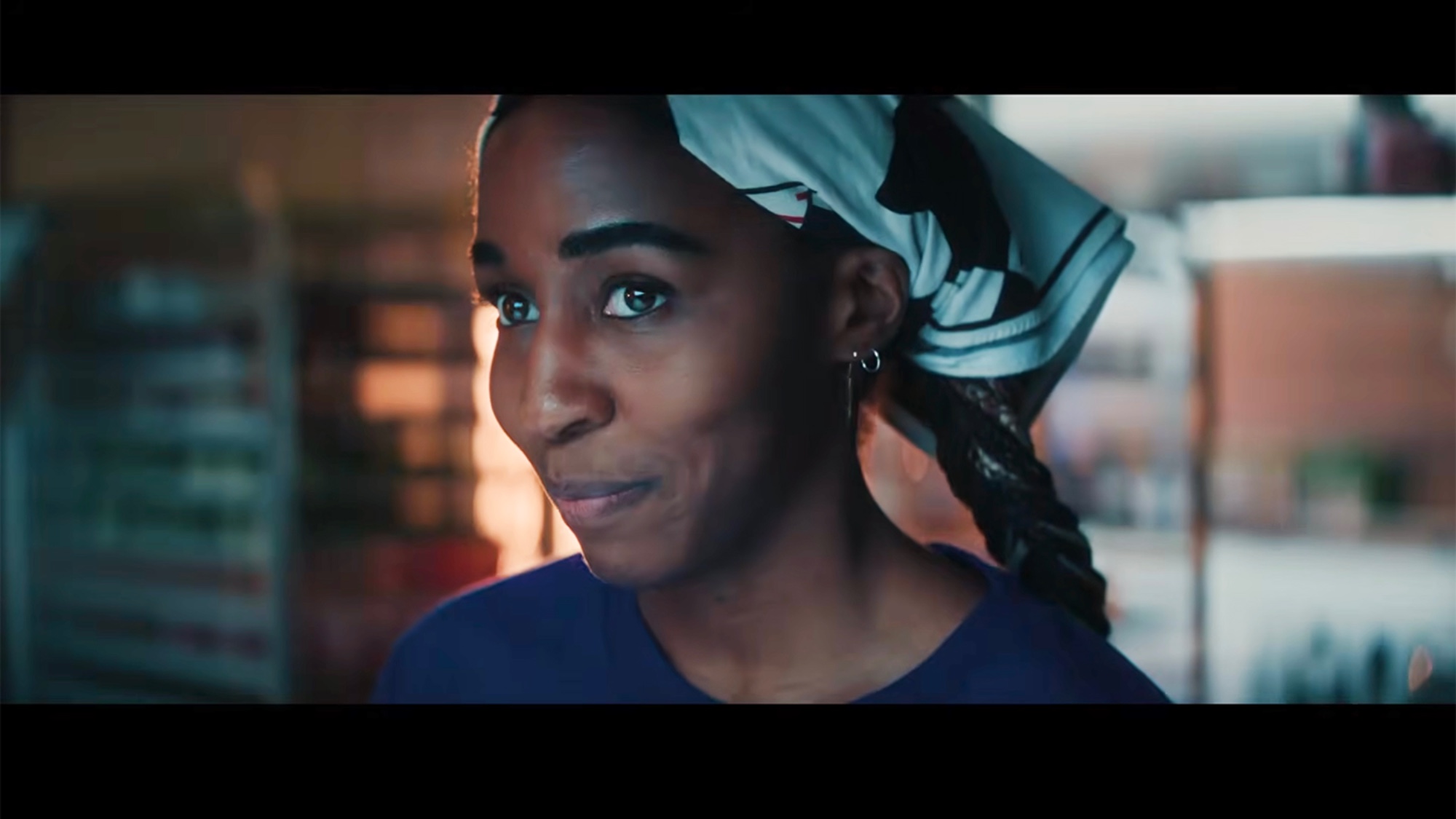
    The Bear

    The Bear is going out with a roar. The final season of the hit series begins in typical tumult. Carmy has stepped away from his sandwich shop turned fine-dining restaurant, allowing Sydney to assume head-chef duties. But any fan of the show will tell you, victories here are short-lived, and Syd’s is quickly swept away by flooding caused by an epic Chicago rainstorm. Meanwhile, Uncle Jimmy, unhappy with his return on investment, has decided to sell. As the money dwindles and suppliers stop supplying, the staff pin their hopes for a Michelin star on one final service. Thursday, June 25, at 9 p.m., FX and Hulu 


    FOOD & DRINK

    Wine: Rhône-style whites

    The grapes of France’s southern Rhône Valley are “finding an increasing foothold” in the U.S., from California to Texas, said Penelope Bass in Imbibe. As the climate warms, American winemakers are recognizing the potential of these heat-adapted grapes and crafting wines “with brightness and structure.” Look for these Rhônestyle whites, all exceptional. 

    2023 Ab Astris Clairette Blanche ($36)
    Clairette blanche grapes grown in Texas Hill Country produce this “creamy, medium-bodied wine,” which has “a through line of acidity and notes of lemongrass.” 

    2024 Saviah Viognier ($35)
    From Washington’s Walla Walla Valley, this viognier is “richly structured,” combining “flavors of white peach, lemon zest, and pear” with “a crisp, stony finish.” 

    2024 Ridge Grenache Blanc ($34)
    This “extremely drinkable” Santa Cruz, Calif., white offers “honeysuckle on the nose, stone fruit on the palate, and a fresh, zippy acidity.”


    BOOK OF THE WEEK

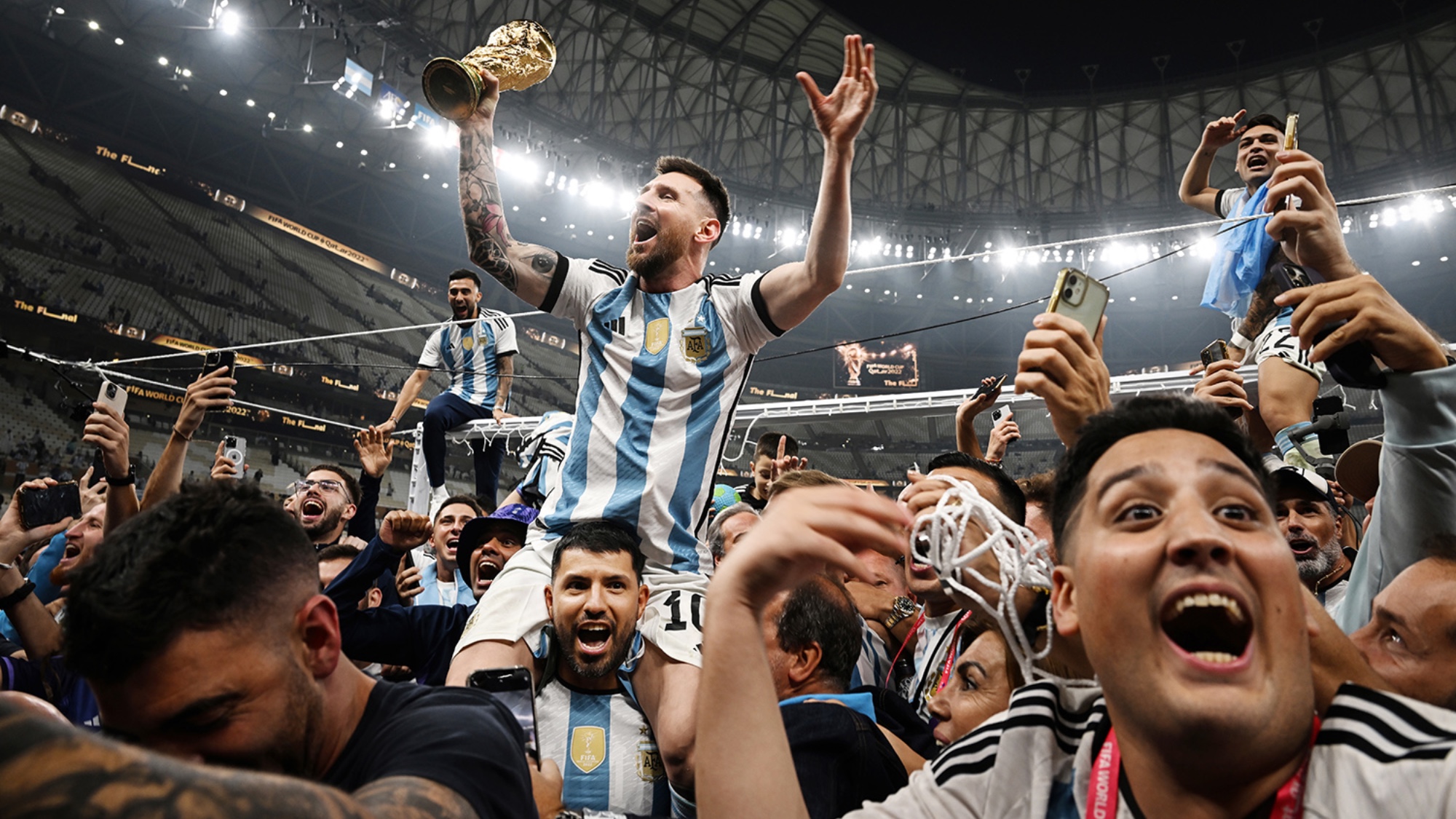
    World Cup Fever: A Soccer Journey in Nine Tournaments

    by Simon Kuper

    “It would be a mistake to think of World Cup Fever as a simple sports book,” said Dan Friedman in the Los Angeles Review of Books. Simon Kuper, a sportswriter for the Financial Times, has attended every World Cup tournament since 1990, and he’s “uniquely qualified” to tell each of the several stories his latest work weaves together. Besides being a memoir, a portrait of the passions soccer inspires, and an account of how the World Cup and the game itself have evolved since the inaugural 1930 tournament, “it is, in effect, a snapshot of how history has dashed the hopes of the post–Cold War generations.” FIFA, the organization that runs the World Cup, once was led by men who dreamed that sport could help create a more just and democratic world. But power eventually shifted to the “venal creeps” who’ve run the show for three decades. Indeed, after reading Kuper’s “complex and loving” indictment of the sport, “I felt physically sick.” 

    Kuper, “one of the best sportswriters in the English language today,” doesn’t overromanticize the World Cup’s past, said Ian Buruma in The New Yorker. Jules Rimet, the idealist who presided over FIFA from 1921 until 1954, agreed to let Mussolini’s Italy hold the 1934 event, establishing that any nation can win FIFA’s blessing if it’s willing to pay the costs of hosting. Rimet’s successors kowtowed to murderous dictatorships in Chile and Argentina, while the most recent Cups have unfolded in Putin’s Russia in 2018 and in Qatar, an authoritarian sheikdom. FIFA was always corrupt. In Kuper’s “highly engaging” book, we learn how it’s become more corrupt than ever, but we also get much more. The Ugandan-born, Dutch-raised French resident writes “superbly” about the skills of different players and national teams, and he’s just as good at observing the cultural differences between host cities and each team’s fan following. 

    “Each tournament Kuper has covered marked a shift in the geopolitical weather,” said Andre Pagliarini in The New Republic. When Italy hosted in 1990, hopes were high because the Cold War had entered a twilight phase. In 2018, Russia paused to host between its invasions of Ukraine. And Kuper also provides revealing portraits of 2002 East Asia, 2010 South Africa, and 2014 Brazil. “World Cups don’t change the world,” he writes, “but they do illuminate it.” He proves that over and over again, providing “a testament to the benefits of committing oneself to a subject for a long time.” As viewers around the globe watch the World Cup unfolding, “they see virtuosity, emotion, and the hand of fate at work on the grandest stage in sports.” Because the event is a mirror, “they also glimpse the world as it is.”


    OBITUARY

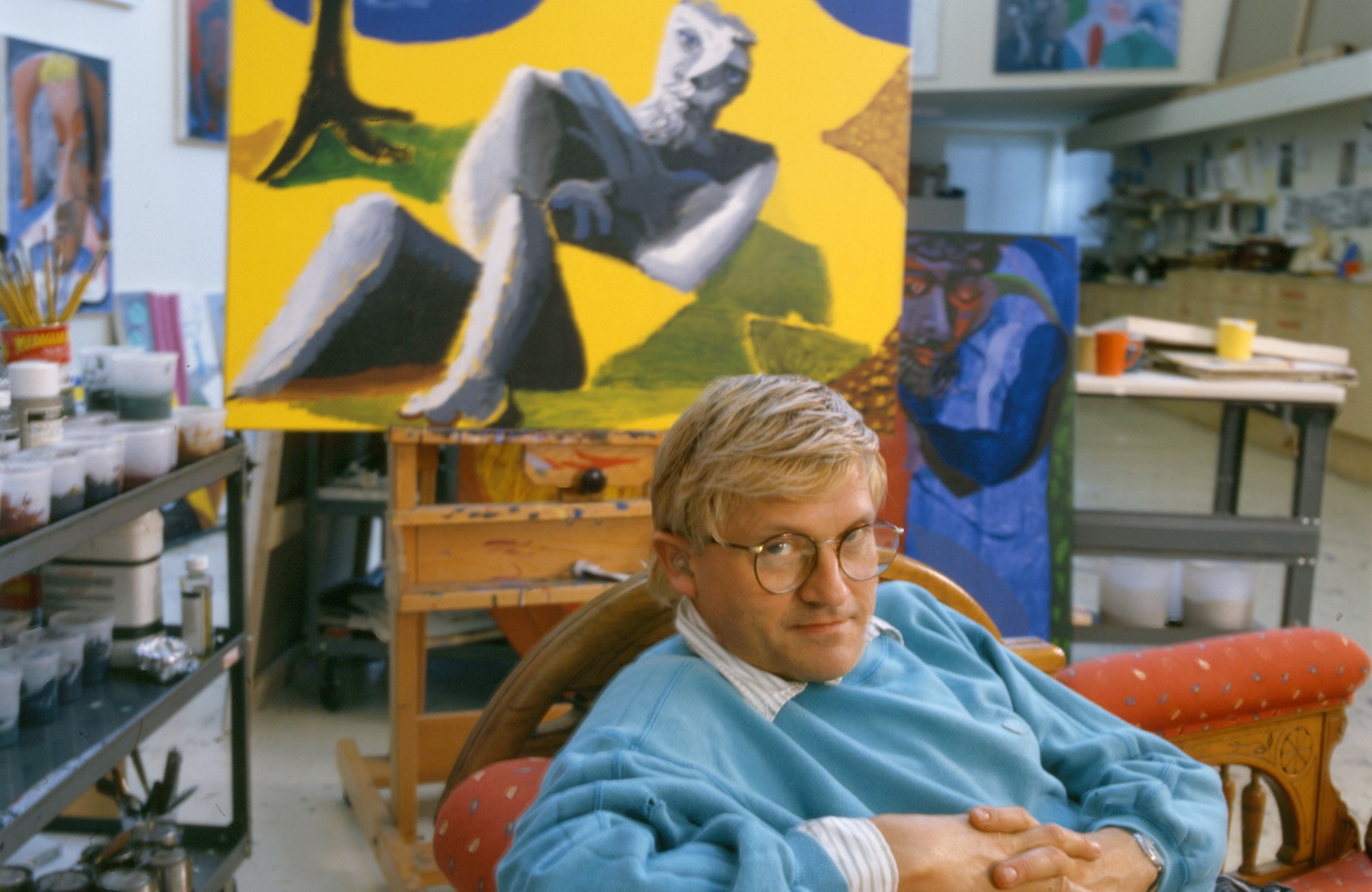
    David Hockney

    The painter who captured the soul of L.A. 

    David Hockney showed the beauty in the ordinary. The celebrated British artist, who emerged from swinging-’60s London to take sunny Los Angeles as his muse, turned everyday vistas—a lamp, a swimming pool, rain on a window, his dachshunds lounging on a rug—into striking, playful images rendered in vibrant color. Over seven decades he demonstrated his creative force, working on canvas, paper, and iPad; making films and photo collages; and designing theater costumes and opera sets. Openly gay when homosexuality was still outlawed in Britain, Hockney was a stylish figure in British society, a chain smoker sporting bleached-blond hair and owlish spectacles, immensely popular with the smart set. The Guardian once dubbed him “British art’s first pop star.” As a painter, he found inspiration all around him. “I can look at a little puddle on a road and the rain falling on it and think it’s marvelous,” he said. “I see the world as very beautiful.” 

    Hockney was born into a working-class family in “England’s grimy industrial north,” said The Washington Post. Showing “precocious talent,” he won a scholarship to a local art school and then attended London’s Royal College of Art, where his work took the school’s gold medal. Upon graduating he found success quickly, selling out his first exhibition at a “trendy London gallery.” A 1961 trip to New York “established his lasting attraction to America” and its relative sexual liberation, said The New York Times. When he visited Los Angeles a few years later, he was smitten. In 1964 he settled in the Hollywood Hills and began turning out paintings that captured the city’s “sun-soaked atmosphere” and “nouveau riche leisure life,” featuring images of swimming pools and sunbathing men. 

    In later years “his focus shifted back to Europe” and nature, said The Wall Street Journal. He returned to his native Yorkshire to paint expressionist landscapes, and for a time rented a home and studio in rural Normandy, creating digital paintings of the changing seasons. Throughout his life he was hugely admired, with “blockbuster exhibitions” of his work drawing record crowds. In 2018, his 1972 painting Portrait of an Artist (Pool With Two Figures) sold for $90.3 million, then a record for a living artist. Hockney maintained a dogged work ethic well into his 80s, painting for up to seven hours a day, yet he saw it not as labor but a privilege. “Pleasure and joy” were the purpose of his art, he said. “And joy is a great thing to give to people.”


    Sunday Shortlist was written and edited by Susan Caskie, Ryan Devlin, Chris Erikson, Scott Meslow, Chris Mitchell, and Matt Prigge.

    Image credits, from top: Disney/Pixar; FX; Getty; Getty
     

    Recent editions

    • Saturday Wrap

      Who wants to be a trillionaire?

    • Evening Review

      Will the King in the North go south?

    • Morning Report

      Burnham wins decisively in by-election

    VIEW ALL
    TheWeek
    • About Us
    • Contact Future's experts
    • Terms and Conditions
    • Privacy Policy
    • Cookie Policy
    • Advertise With Us
    • FAQ
    Add as a preferred source on Google Add as a preferred source on Google

    The Week UK is part of Future plc, an international media group and leading digital publisher. Visit our corporate site.

    © Future Publishing Limited Quay House, The Ambury, Bath BA1 1UA. All rights reserved. England and Wales company registration number 2008885.