The Week The Week
flag of US
US
flag of UK
UK
https://cdn.mos.cms.futurecdn.net/flexiimages/jzblygzdxr1769609154.gif

SUBSCRIBE

Try 6 weeks free

Sign in
  • View Profile
  • Sign out
  • The Explainer
  • Talking Points
  • The Week Recommends
  • Podcasts
  • Newsletters
  • From the Magazine
  • The Week Junior
  • More
    • Politics
    • World News
    • Business
    • Health
    • Science
    • Food & Drink
    • Travel
    • Culture
    • History
    • Personal Finance
    • Puzzles
    • Photos
    • The Blend
    • All Categories
  • Newsletter sign up Newsletter
  • The Week’s Sunday Shortlist
    The dystopian Dog Stars, the return of Slow Horses, and the art of translating ancient epics

     
    FILM REVIEW

    The Dog Stars 

    ★★ (out of 4)
    Rated R

    “At this point in his career, Ridley Scott can churn out a feature like The Dog Stars in his sleep,” said Nick Schager in The Daily Beast. “The question is, why did he want to when it boasted so little originality?” The director of Alien and Blade Runner, now 88, is “the rare artist who knows how to visually paint on a big-screen canvas,” but that talent isn’t enough to save this “by-the-books” post-apocalyptic drama about an isolated young widower with a dog, a small plane, and, eventually, a second chance at love. The movie, which bombed on its opening weekend, works best as a character study, said David Fear in Rolling Stone. Despite its occasional gunfights and the presence of Josh Brolin, Margaret Qualley, and Guy Pearce in supporting roles, “the loneliness of the grieving survivalist is the main preoccupation,” and Jacob Elordi gets “his Clint Eastwood moment,” proving he could make a career of playing “steely, still-waters-run-deep” types. When the film focuses on Elordi’s dreamer and Brolin’s more distrustful survivalist, it’s “on reasonably solid ground,” said Bilge Ebiri in NYMag.com. But even those characters “never quite transcend their outlines,” making Scott’s adaptation of a 2012 novel feel “fundamentally hollow.” Still, because any director could have underestimated how much the novel relied on its interiority, “I’m happy this 88-year-old director continues to churn out movies.” In fact, “I look forward to whatever comes next.”


    tv review

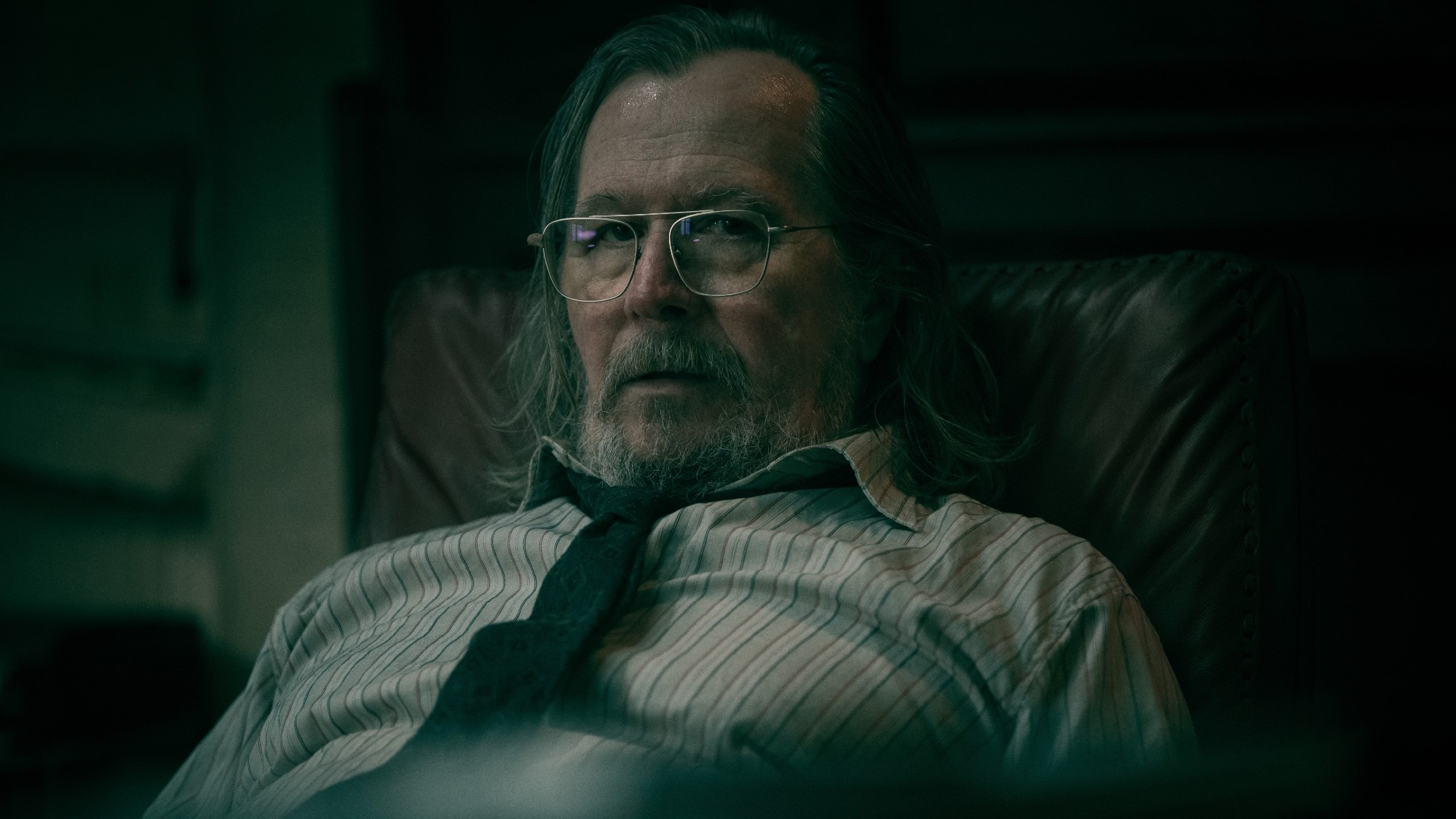
    Slow Horses

    Season 6 of the terrific spy series based on Mick Herron’s hit novels finds the misfit agents of Slough House in unique peril: Someone is targeting current and former members, killing them one by one. Gary Oldman’s Jackson Lamb, the MI5 unit’s disheveled boss, orders his charges to hole up in a safe house. Keeping the crew in the dark proves far more challenging.
    Wednesday, Sept 16, Apple TV


    BOOK OF THE WEEK

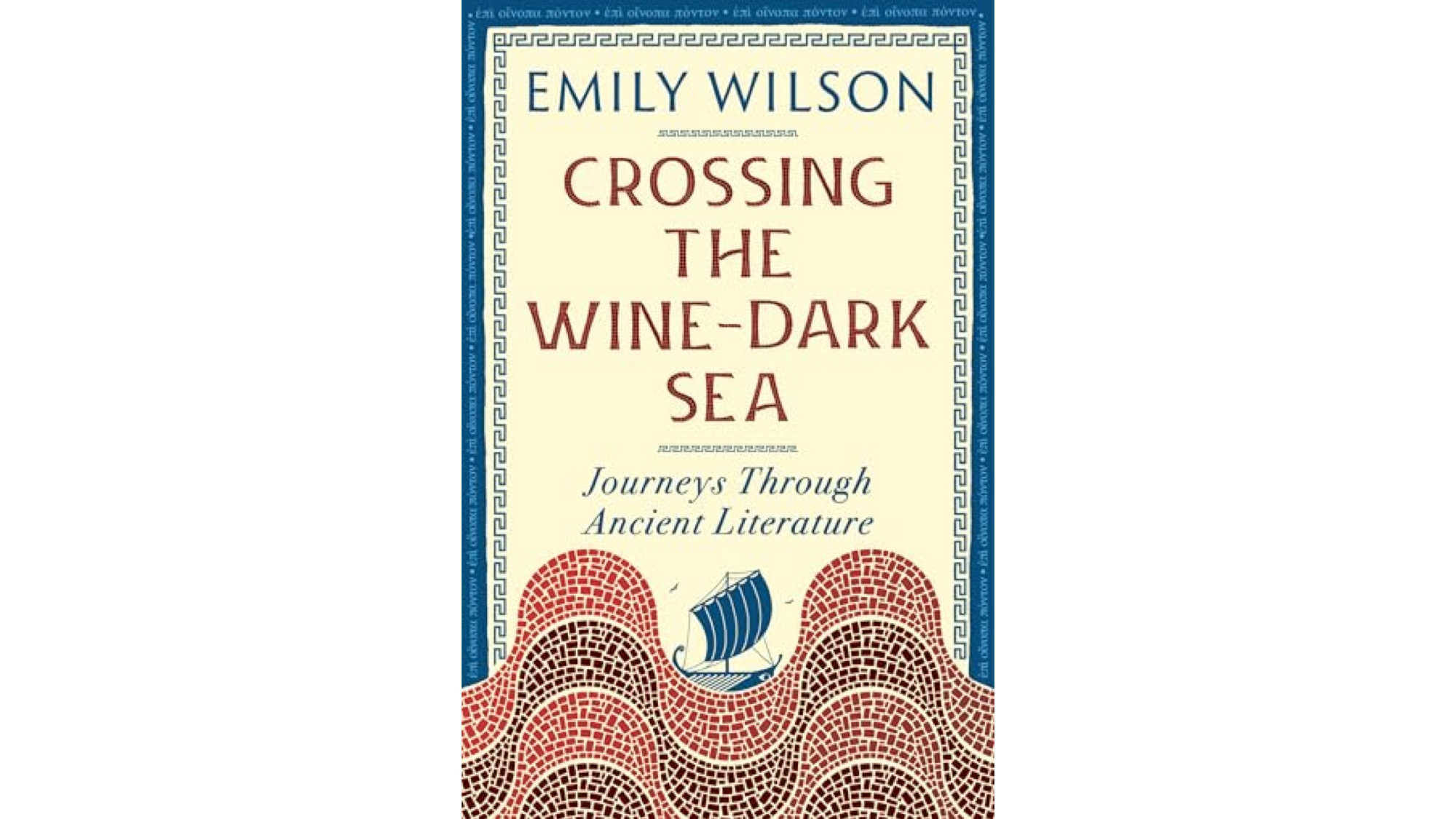
    Crossing the Wine-Dark Sea: Journeys Through Ancient Literature

    by Emily Wilson

    “You don’t have to be particularly interested in ancient literature to enjoy this book,” said Jennifer Szalai in The New York Times. “By the time you finish it,” though, “you probably will be.” In this collection of “wonderfully spirited” essays about great works of the past, Emily Wilson, a classicist best known for her 2017 translation of The Odyssey, is up-front about how every translation contains an element of betrayal. Each word or phrase chosen requires a departure from the original, and attempts at literal exactness generate stiff language. Wilson believes it’s important to capture the feel of a text— its sound, pacing, and even humor. As she weaves together close readings of classic texts with arguments about the larger issues at stake in those texts, “Wilson’s excitement for her subject is irrepressibly moving.”

    When Wilson finds fault with a translator, she’s “tough-minded,” even “scathing,” said Blake Morrison in The Guardian. She calls out poet Robert Browning for indecipherable translations and American classics popularizer Edith Hamilton for racism, and she decries all classicists who snobbishly try to bar entry to their domain. “Gatekeeping isn’t Wilson’s style,” and she’s eager to end her field’s use of Latin and Greek to keep out the plebs. She also loves to point out how much overlap exists between the ancient world and our own, finding parallels that link Aeschylus, Demosthenes, and Aristophanes with the likes of Spike Lee and Erica Jong. And she slams Silicon Valley’s tech lords for embracing a version of stoicism that misses the essentials.

    Though Wilson went viral earlier this summer with a biting critique she published about the hit screen adaptation of The Odyssey, said Kate Tuttle in The Boston Globe, she champions nuanced critical writing. In this book, said Harvey Freedenberg in Shelf Awareness, the role of critic affords her a chance to unspool “a stimulating tour of Greek and Roman literature.” An essay on Sappho explores female sexuality; elsewhere, we learn about Roman humor and slavery in the ancient world. “Anyone who’s been exposed to Wilson’s work will learn much from these essays.” They’ll also “hope her journey as a trusted guide through this distant world continues.”


    OBITUARY

    Tim Curry

    The offbeat English actor who became a cult star

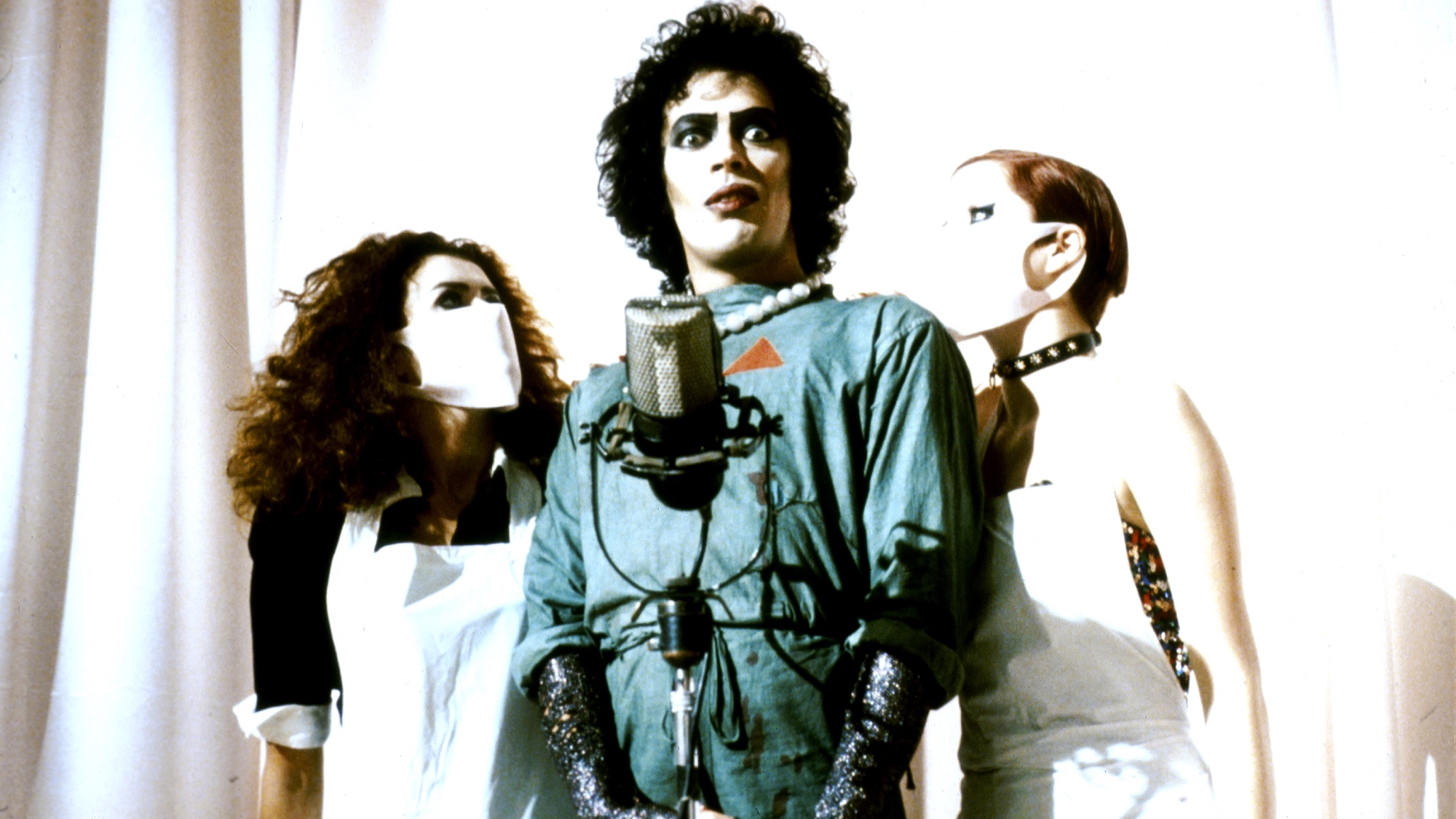
    Tim Curry was a patron saint for the kooky. From his breakout starring role in 1975’s cult classic The Rocky Horror Picture Show, Curry brought his bulbous eyes and madcap energy to every performance. Intensely private about his personal life, he built a following on the strength of his oddball characters, including the zany butler in 1985’s Clue, the evil clown Pennywise in 1990’s It, and King Arthur—a Tony-nominated turn—in 2005’s Broadway hit Spamalot. In acting roles, “I would choose risky over anything,” Curry said last year. “That’s the best way to be.”

    Born in northwest England to a Methodist chaplain, Timothy James Curry was blessed with “a mischief-maker’s good looks, a casual athletic grace, and a supple and resonant voice,” said The New York Times. Acting was his obvious calling, and after graduating from the University of Birmingham, he quickly found parts in regional theater. But it was the “campy sci-fi romp” The Rocky Horror Picture Show that made him a star, said Rolling Stone. Originating the cross-dressing Dr. Frank-N-Furter on the London stage in 1973, Curry reprised his role in the U.S. production in Los Angeles and then in the film. While the movie version “famously bombed” at first, it became “a midnight-movie sensation,” packing cinemas with costumed fans singing along, and it is still regularly screened today.

    Curry “spent the rest of his acting career gleefully refusing to be pinned down,” said IndieWire. He schemed with onscreen sister Carol Burnett in 1982’s Annie, embodied the devil in 1985’s Legend, and sailed alongside Kermit and Miss Piggy as Long John Silver in 1996’s Muppet Treasure Island. Though a 2012 stroke left him wheelchair-bound and without the use of one arm, he played the narrator in Fox’s 2016 TV remake of The Rocky Horror Picture Show and remained active as a voice-over artist until the end of his life, recording the audiobook of his memoir last year. “I have loved and been loved,” he said, “and I hope you have, too.”


    Sunday Shortlist was written and edited by Susan Caskie, Chris Erikson, Scott Meslow, Chris Mitchell, and Matt Prigge.

    Image credits, from top: 20th Century Studios, Apple TV, Getty
     

    Recent editions

    • Saturday Wrap

      Danny Tommo’s ‘chilling’ protests

    • Evening Review

      Does AI herald the end of unsolvable maths problems?

    • Morning Report

      Mahmood takes action on anti-migrant protesters

    VIEW ALL
    TheWeek
    • About Us
    • Contact Future's experts
    • Terms and Conditions
    • Privacy Policy
    • Cookie Policy
    • Advertise With Us
    • FAQ
    Add as a preferred source on Google Add as a preferred source on Google

    The Week UK is part of Future plc, an international media group and leading digital publisher. Visit our corporate site.

    © Future Publishing Limited Quay House, The Ambury, Bath BA1 1UA. All rights reserved. England and Wales company registration number 2008885.