Sign up to get Today’s Best Articles in your inbox
Join 350,000+ subscribers and keep yourself informed with a selection of
The Week’s most interesting, enlightening and entertaining stories - plus daily puzzles.
You are now subscribed
Your newsletter sign-up was successful
Want to add more newsletters?
An account already exists for this email address, please log in.
Ukraine bans Russian Eurovision contender
Singer Yulia Samoylova barred from May's contest in Kiev for visiting Russian-annexed Crimea in 2015
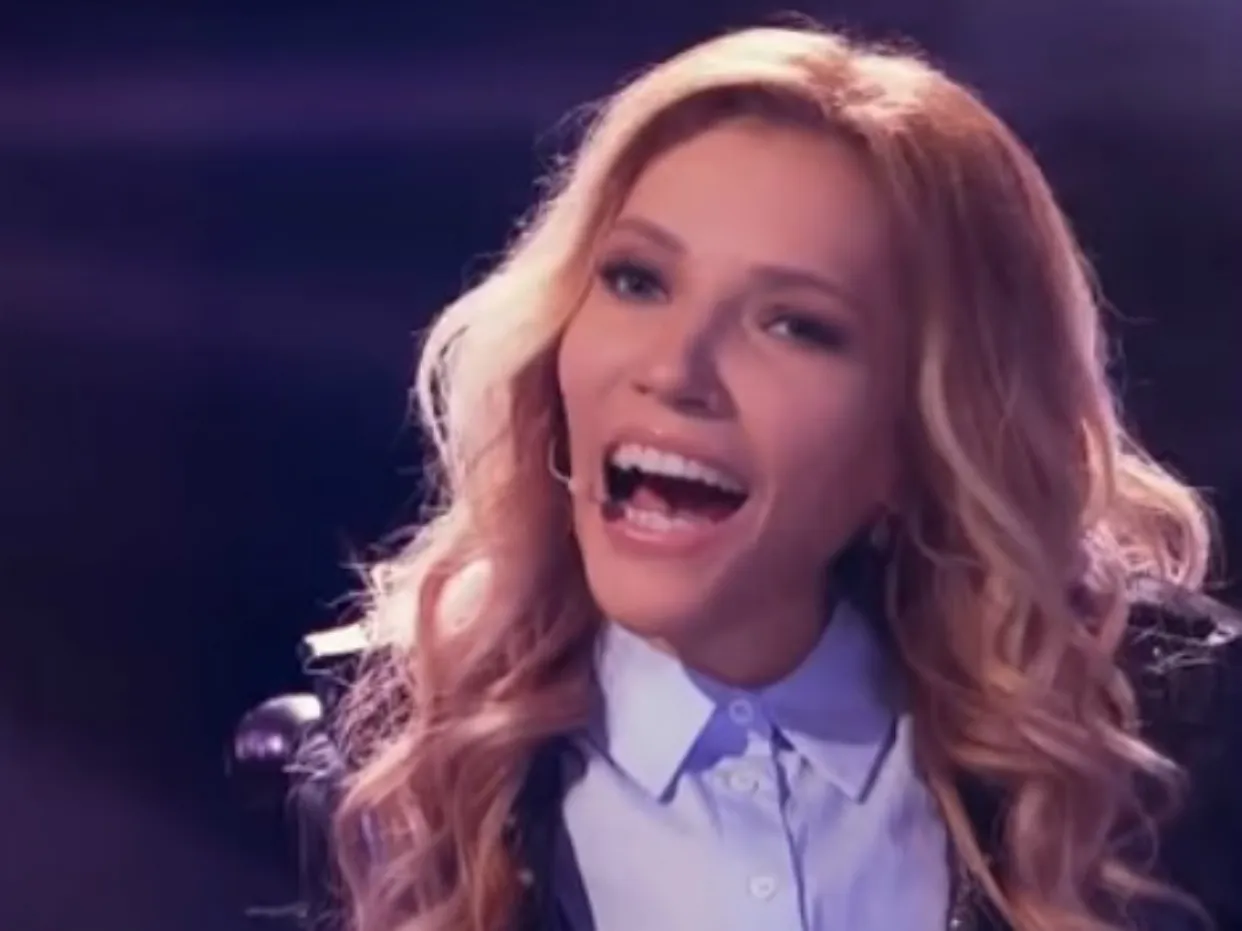
Ukraine has banned Russia's Eurovision contender from entering the country for this year's competition in Kiev.
Wheelchair-bound singer Yulia Samoylova will not be allowed to compete in May's contest because of her unauthorised entry into Russian-annexed Crimea in 2015, Ukrainian security services said yesterday.
Samoylova entered the peninusula, which was seized by Moscow in 2014, directly through Russia. Ukrainian law stipulates entry into the region must be made through Ukraine and as such, has the power to ban the singer.
The Week
Escape your echo chamber. Get the facts behind the news, plus analysis from multiple perspectives.
Join more than 350,000 subscribers and keep yourself informed with a selection of The Week’s most interesting, enlightening and entertaining stories - plus daily puzzles.
Join more than 350,000 subscribers and keep yourself informed with a selection of The Week’s most interesting, enlightening and entertaining stories - plus daily puzzles.
Moscow condemned the decision as "another outrageous, cynical and inhumane act" by the authorities in Kiev.
Eurovision organisers said they were "deeply disappointed" by the move, adding that it "goes against both the spirit of the contest and the notion of inclusivity that lies at the heart of its values".
The Financial Times warns that further political disputes are likely.
"Ukrainian officials have also threatened to ban Armenia's entry, Artsvik Harutyunyan, over a concert she gave in Crimea," the newspaper reports.
Sign up to get Today’s Best Articles in your inbox
A free daily email with the day’s biggest news and analysis – and the best features from TheWeek.com
This is the second year running in which Eurovision has been hit by Crimea-linked controversy, writes The Guardian.
Ukrainian contestant Jamala won last year's competition in Sweden with a politically charged song about the deportation of Crimeans under Joseph Stalin.