Sign up to get Today’s Best Articles in your inbox
Join 350,000+ subscribers and keep yourself informed with a selection of
The Week’s most interesting, enlightening and entertaining stories - plus daily puzzles.
You are now subscribed
Your newsletter sign-up was successful
Want to add more newsletters?
An account already exists for this email address, please log in.
UN chief seeks extra $900m for Somalia
Secretary-General Antonio Guterres warns country's future 'hangs in the balance between peril and potential'
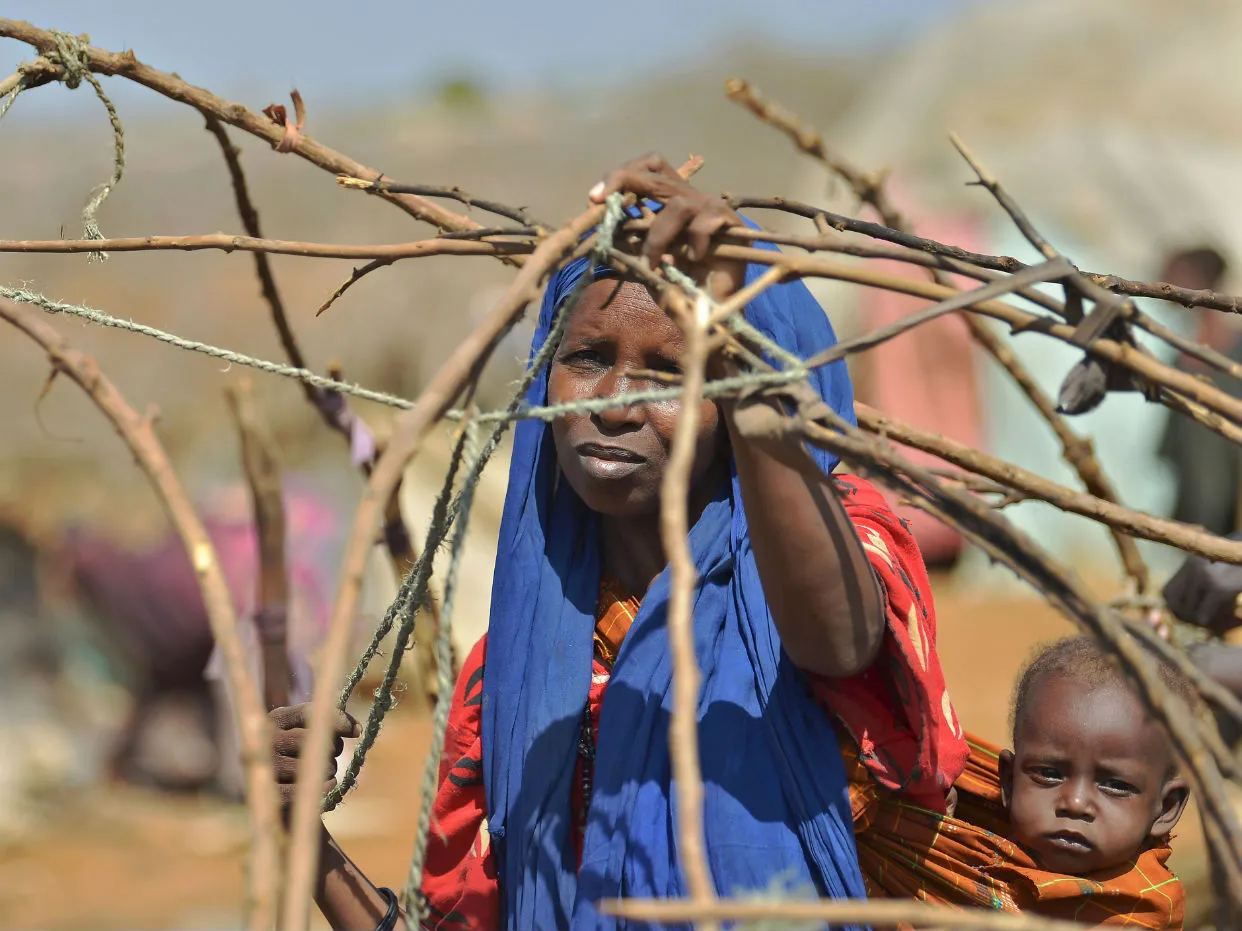
Somalia requires an extra $900m (£700m) in aid to cope with one of the worst droughts in decades, the head of the UN announced yesterday, as he called on the world's leaders to support the African country's fight against Islamic militants.
Secretary-General Antonio Guterres said Somalia's future "hangs in the balance between peril and potential" due to a drought that has already killed more than 250,000 people, half of them children. It is thought that more than six million people are still going hungry.
"We must save lives before it is too late," he told an international conference in London yesterday.
The Week
Escape your echo chamber. Get the facts behind the news, plus analysis from multiple perspectives.
Join more than 350,000 subscribers and keep yourself informed with a selection of The Week’s most interesting, enlightening and entertaining stories - plus daily puzzles.
Join more than 350,000 subscribers and keep yourself informed with a selection of The Week’s most interesting, enlightening and entertaining stories - plus daily puzzles.
Somali President Mohamed Abdullahi "Farmajo" Mohamed also called for help defeating the Islamic militant group al-Shabaab, which he said could be overcome within two years if more countries forgave Somalia's debt.
Somalia and the African Union (AU) have been fighting the group for the past decade, but large parts of the country remain under its control, with terrorist attacks a regular occurrence.
Guterres called for the coordination of a national army, saying the current effort "involves different countries training different groups in different parts of the country with different doctrines," which he called "a recipe for a disaster".
The aim is for a 20,000-member Somali force to take over responsibility for the country's security from the AU mission Amisom by 2020.
Sign up to get Today’s Best Articles in your inbox
A free daily email with the day’s biggest news and analysis – and the best features from TheWeek.com
However, "the military battle has been compounded by the risk of a return of famine, with aid experts suggesting the international response has been too slow", says The Guardian.
With a large Somali community in the UK, the British government has made Somalia "a diplomatic priority", adds the paper, and sees it as a chance to prove "Brexit does not mean... retreat from a global role".
Theresa May, taking a break from the general election campaign trail, pledged to help strengthen Somalia's security forces and accelerate aid to the country.