Australia is set to become the first country in the world to ban children aged 16 and under from having accounts on most social media platforms. Supporters of the hard line ban say it has already influenced social media giants to clean up their act, but there are concerns that tech-savvy children will easily be able to dodge the restrictions.
Reducing ‘pressures and risks’
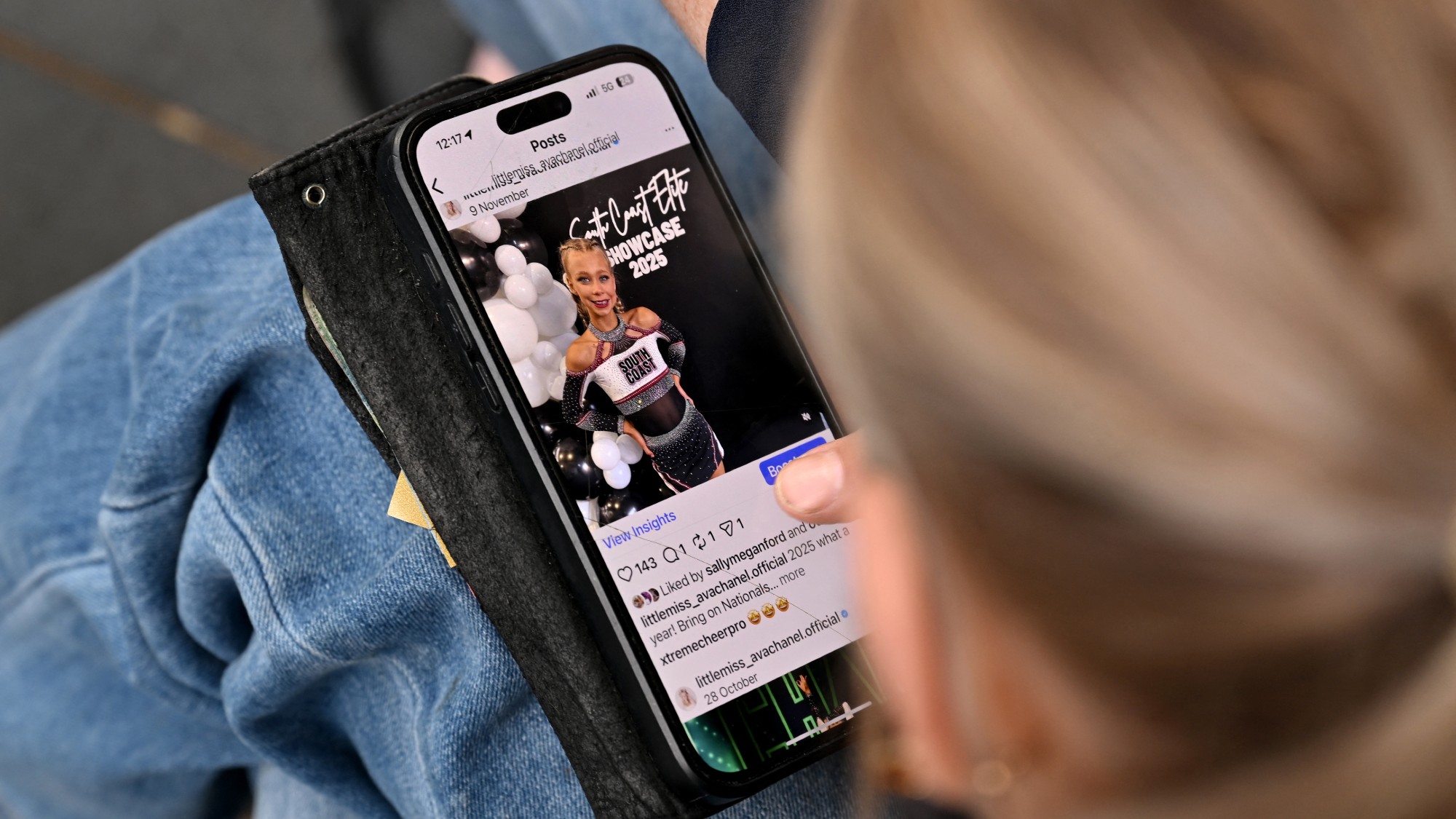
From Wednesday next week, 10 platforms will become age-restricted – Facebook, Instagram, Threads, TikTok, Snapchat, X, YouTube, Reddit, Twitch and Kick. Under-16s will still be able to see publicly available content on the platforms but they won’t be able to have their own accounts or see logged-in content. Australian teenagers are already receiving notifications from Instagram and Facebook, advising them to save their data before access to their accounts is revoked. Companies that fail to take “reasonable steps” to comply will face penalties of up to A$49.5 million (£25 million).
The Australian government says the ban is intended to reduce the “pressures and risks” children can be exposed to on social media. It follows a study commissioned by the government that found that 96% of children aged 10-15 used social media, and that 70% had been exposed to harmful content and behaviour.
Migration to gaming apps
Supporters say the ban is already working. What “appears to drive self-regulation” among social media giants is “the credibility of the threat of government”, said Timothy Koskie on ABC, so Australia’s “muscular and maximalist” approach has “already achieved results”. Meta announced Instagram “teen accounts” for young users around the world in September 2024, TikTok and Snapchat have expanded their age-related account controls, and YouTube has further restricted access to streaming for teens.
But it’s a “no-brainer” that Australian teens will migrate to other platforms, such as gaming apps with chat functions, where “you can still engage with people”, an internet studies professor told The Nightly. And age verification technology is not infallible. A joint study by the University of Melbourne and Princeton University found that teenage volunteers were able to pass the checks with tricks including “pointing the camera at video game characters, pulling silly facial expressions, as well as cheap disguises”, said ABC. VPN providers “are also expecting a surge in Australian users” next week.
|