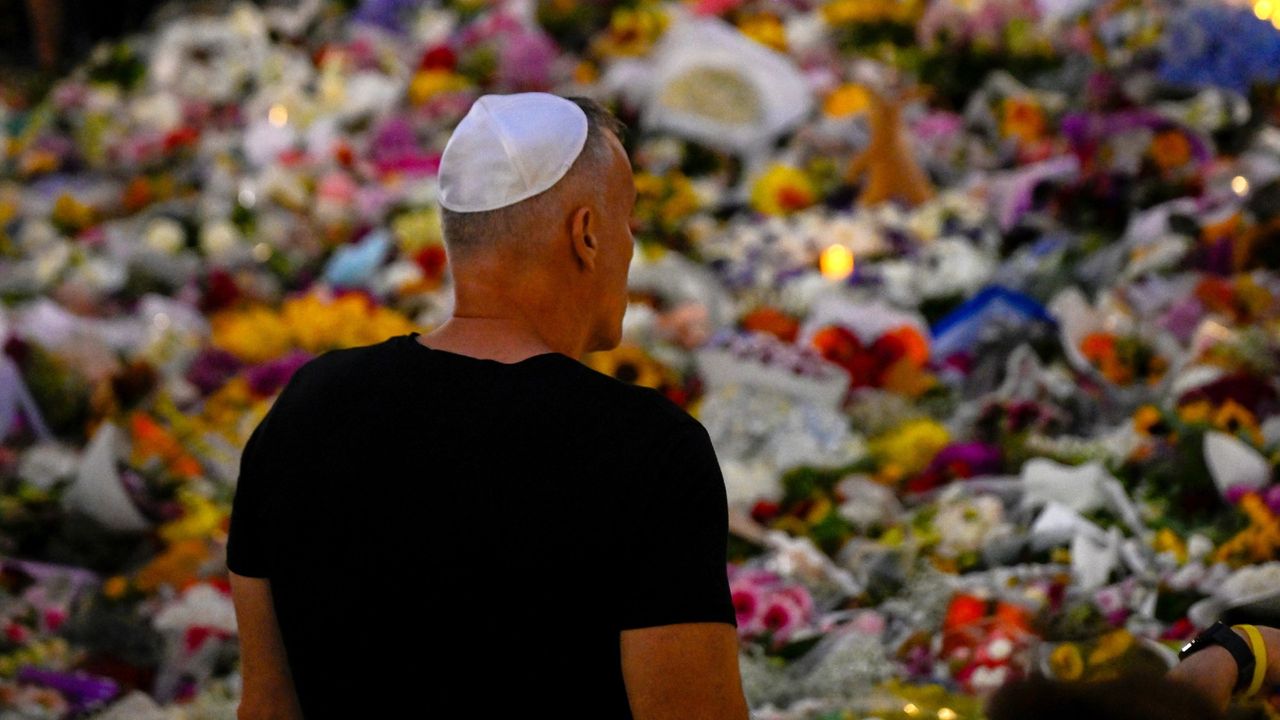
Around 1,000 people attended Tommy Robinson’s carol concert to “put the Christ back into Christmas” on Saturday. But the Church of England is unimpressed, with several bishops expressing concern about the Unite the Kingdom event.
There’s “something especially offensive about appropriating this great Christian festival of light triumphing over darkness as a prop in a dim culture war”, said the Bishop of Manchester, David Walker, in The Independent.
‘No one beyond redemption’
Robinson “has been many things over the years” and now the former “football hooligan is “a born-again Christian”, said Luke O’Reilly in The New Statesman. With British Christianity “stirring” again, “like a human bellwether, Robinson is blowing with the wind”. Yet Christians do “believe that anyone – no matter how badly behaved – can be saved”. The Bible “is full of unsavoury characters”, such as Paul, a merciless persecutor of Christians before he became one. He, “like Robinson, started preaching immediately” after his conversion.
It’s a “key tenet of the Christian faith that no one is beyond redemption”, said vicar and comedian Ravi Holy in The Guardian. But Jesus also said that “true repentance should bear fruit”, and “the new Tommy doesn’t seem radically different from the old one”.
Spreading fear
This “resistance” by “leading lights in the Anglican Church” shows “immense courage”, said Yasmin Alibhai-Brown in The i Paper. Robinson’s “motley patriots” were “once rightly marginalised”, but now seem to “dominate our country”. The Church is “breaking that sordid consensus”, and the willingness of “the heart of the Establishment” to take a stand “could be a turning point”.
The “whole point of coming to church” is to “sit alongside people you may not like, who hold very different, even (to you) repulsive, political views”, said vicar Giles Fraser on UnHerd. At Christmas, churches “resound with angels singing, ‘Fear not’”. By contrast, Robinson “spreads fear”. He is welcome at our services, but he would “have to sit alongside people of different colours and languages, and immigrants”. |