The Week The Week
flag of US
US
flag of UK
UK
https://cdn.mos.cms.futurecdn.net/flexiimages/jacafc5zvs1692883516.jpg

SUBSCRIBE & SAVE

Less than $3 per week

Sign in
  • View Profile
  • Sign out
  • The Explainer
  • The Week Recommends
  • Newsletters
  • Cartoons
  • From the Magazine
  • The Week Junior
  • Student Offers
  • More
    • Politics
    • World News
    • Business
    • Health
    • Science
    • Food & Drink
    • Travel
    • Culture
    • History
    • Personal Finance
    • Puzzles
    • Photos
    • The Blend
    • All Categories
  • Newsletter sign up Newsletter
  • The Week Evening Review
    ‘Precarious’ peace deals, spy cops, and the politicians making ‘big bets’ on crypto

     
    TODAY’S BIG QUESTION

    Are Donald Trump’s peace deals unravelling?

    Donald Trump “rarely passes up the opportunity” to tout his peace-making credentials, said NPR’s Jackie Northam. The president claims he has solved several global conflicts, but “the results have been mixed”. His role in brokering some of these deals is “disputed” and some of the “outcomes are precarious”. Other agreements have “simply unravelled”.

    While deals between Armenia and Azerbaijan, and Serbia and Kosovo, have “stuck”, the border dispute between Thailand and Cambodia is flaring up again, skirmishes between Israel and Hamas continue, and “fighting raged between the DRC and Rwanda even as both sides sat down to sign a deal with Trump” earlier this month.

    What did the commentators say?
    Trump’s unorthodox approach can sometimes produce “unexpected results”, the Atlantic Council’s Matthew Kroenig told NPR. But in conflicts such as the Gaza war, he has a habit of “declaring victory before it’s achieved”.

    The Thailand-Cambodia deal and a faltering accord between Rwanda and the Democratic Republic of the Congo both depended on the US using its “economic and military might” to get the parties to the table, said The Wall Street Journal. But these “crumbling peace deals” show the limits of Trump’s “high-speed” approach. Critics say those deals “largely failed to resolve key issues”, which still risk regional instability.

    There is a difference between “making a deal” and “making peace”, said Peter Beaumont in The Guardian. Trump’s specialty is dealmaking, which is a “fundamentally transactional affair” and quite different from the difficult work of “mediated peace processes”.

    The president works for peace “loudly, dramatically and quickly” but without “sustained attention”, said The Economist. The approach “may pause but cannot end” the globe’s most enduring conflicts.

    What next?
    Trump’s patience is “running thin” as Ukraine and its European backers consider his latest proposals, which largely bow to Russia’s “hardline demands”, said NBC News. He seems reluctant to enter “into another round of negotiations”, said Neil Melvin, the director of international security at the Royal United Services Institute. That raises the risk that he will “do a deal over the heads of the Europeans with Russia”.


    THE EXPLAINER

    Spy cops inquiry: what we’ve heard so far

    Mark Jenner, a former undercover Metropolitan Police officer, has begun giving testimony to the Undercover Policing Inquiry. He is one of 139 officers being investigated over their infiltration of thousands of predominantly left-wing groups from 1968 until at least 2010.

    What is the inquiry investigating?
    The inquiry was commissioned in 2014 by the then home secretary, Theresa May, to look into allegations of serious “historical failings” in the Met Police’s now-disbanded Special Demonstration Squad, with whom Jenner was associated, and National Public Order Intelligence Unit. One of the most high-profile “spy cop” cases was that of Mark Kennedy, who spent seven years undercover having sexual and romantic relationships with “at least 11 women”, said The Guardian. At least 25 officers are believed to have “formed intimate relationships” with women, with four fathering children.

    What did Jenner tell the court?

    Jenner formed a relationship with a woman, named only as “Alison”, between 1995 and 2000, despite having a wife and children. Alison believed he was a fellow left-wing activist called Mark Cassidy. Yesterday, he told the inquiry that he believed it had been necessary to have sex with women while operating undercover, but said sexual gratification was “definitely not” a perk of the job. After hearing Jenner’s first day of evidence, Alison said she believed Jenner’s direct managers either “knew and covered it up” or “didn’t know and they are entirely incompetent”.

    Who else has testified?
    Jenner’s ex-wife and mother of his children, identified only as S, said that he and his fellow spy cops “prioritised personal gratification and their careers over the well-being of their families”.

    Earlier this month, whistle-blower Peter Francis – who in 2013 revealed his involvement in the surveillance of Stephen Lawrence’s family – told the inquiry that it was “standard practice” to gather names of dead children from graveyards to create cover identities for missions.

    What will happen next?
    Jenner will be questioned by the inquiry for the next two days. Key questions are expected to centre around the “extent to which his superiors knew about, and approved, his long-term relationship with Alison”, said The Guardian. The Met Police has acknowledged “serious wrongdoing” and “totally unacceptable behaviour” by some undercover officers.


    QUOTE OF THE DAY

    “In a mere two minutes you used your vehicle in a manner that turned it into a weapon.”

    Judge Andrew Menary KC sentences former marine Paul Doyle to 21 years and six months for driving into fans at Liverpool FC’s Premier League victory parade in May, injuring more than 130. His “disregard for human life defies ordinary understanding”, the judge told Liverpool Crown Court.


    Poll watch

    One in nine teenagers in England and Wales have been asked to sell, move or store drugs, weapons or money, according to Youth Endowment Fund research – and more than a quarter agreed. Many were offered rewards such as money or faced threats of violence, the survey of 11,000 children aged between 13 and 17 found.


    IN THE SPOTLIGHT

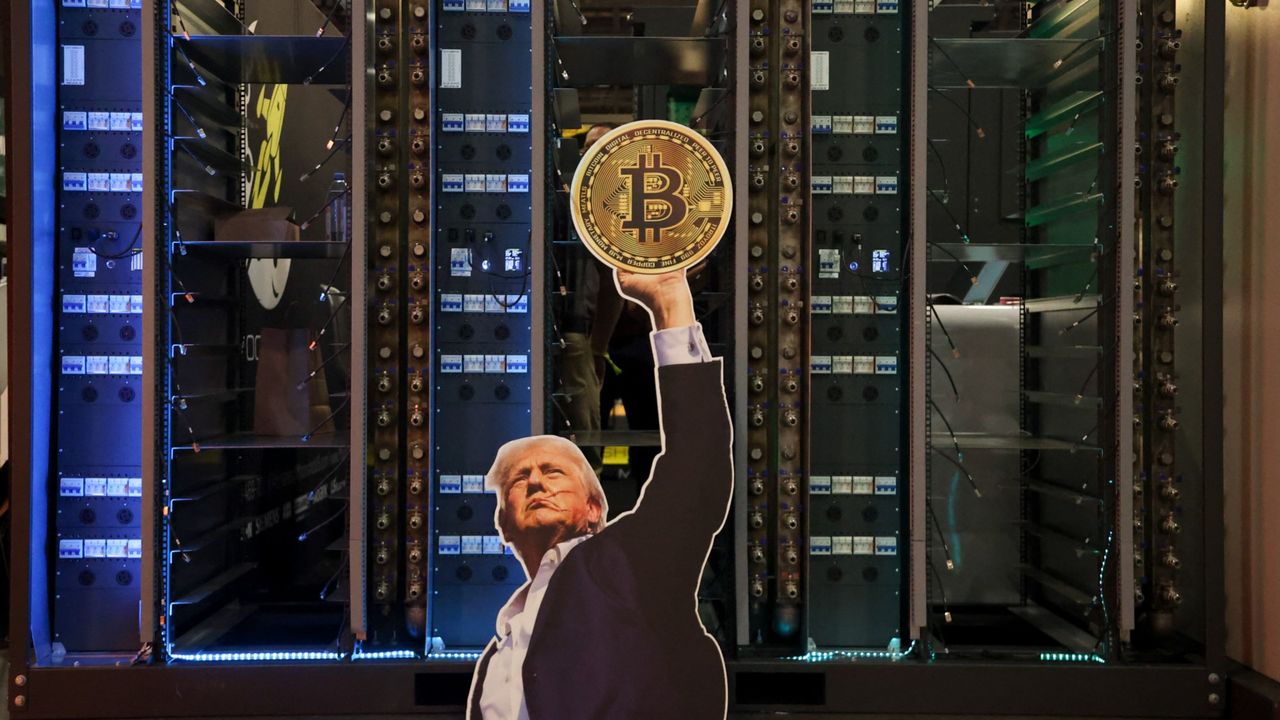
    How cryptocurrency is changing politics

    “Bitcoin has proven to be one of the best-performing assets in modern history,” said Al Jazeera. With the value of cryptocurrency increasing “some 1,000 times” over the last decade, it was only a matter of time before governments and banks wanted in.

    Bitcoin was widely dismissed as a “speculative asset with no intrinsic value” when it was launched after the 2008 global financial crisis. But it’s now being taken increasingly seriously “by governments, financial institutions and investors alike”, with far-reaching implications for politics, the economy and the way we live.

    Growing acceptance
    “A number of countries have made big bets” on crypto in the last few years, said Al Jazeera. El Salvador holds more than “$600 million worth of bitcoin reserves”, after becoming the first country in the world to accept the asset “as legal tender” in 2021.

    In South Korea’s presidential election this year, both major candidates embraced pro-crypto policies in their campaigns. Nigel Farage is also an open “supporter of cryptocurrency” and has made Reform the first UK party “to accept donations in bitcoin”, said the BBC. A £9 million donation to Reform from Thailand-based British businessman Christopher Harborne, “the largest ever single donation by a living person to a British political party”, has raised questions about the role that cryptocurrency investors may play in future elections.

    Ethical quandaries
    In Washington, “crypto is ascendant”, said The Economist. Donald Trump’s return to the White House triggered a shift towards US recognition of crypto as a legitimate currency after years of crackdowns on the sector. His regulators are “more permissive” and investors are “piling into it”, while pro-crypto lobbying groups are throwing their weight behind political candidates who support it. In January, the launch of the $TRUMP coin, a cryptocurrency mostly owned by “companies associated with the Trump family”, pointed towards the president’s direct financial interest in crypto. But “clear conflicts of interest” could ultimately do “more harm than good” for the industry.

    Ethics watchdogs have warned that embracing crypto could provide a means for corporate and foreign actors to influence the White House. And even industry “cheerleaders” are privately worried that painting crypto as a “vehicle for the president’s influence-peddling will make it impossible for legislators to support favourable legislation”.


    Good day🖌️

    … for glow-ups, as the doors of Rome’s Palazzo Silvestri-Rivaldi open for €35 million of restorations. The villa, which overlooks the Colosseum, was commissioned by Pope Paul III in the 16th century, but has fallen into disrepair in recent decades. Small groups of visitors will be allowed in to watch experts revamp the grand halls and frescoes.


    Bad day 🏢

    … for Britain’s job market, as redundancies and unemployment hit the highest levels since early 2021, during the pandemic. Redundancies rose by 156,000 in the three months to October, according to Office for National Statistics data, while unemployment reached 5.1%.


    picture of the day

    Merry monkeys

    A saki monkey and her baby check out a stocking filled with festive treats from the zookeepers at ZSL London Zoo.

    Amanda Rose / Alamy Live News


    Puzzles

    Daily crossword

    Test your general knowledge with The Week’s daily crossword, part of our puzzles section, which also includes sudoku and codewords

    Play here


    THE WEEK RECOMMENDS

    Shush! UK libraries worth travelling for

    Whether you’re a bookworm or just love beautiful buildings, the UK is packed with glorious libraries to visit. These are our favourites.

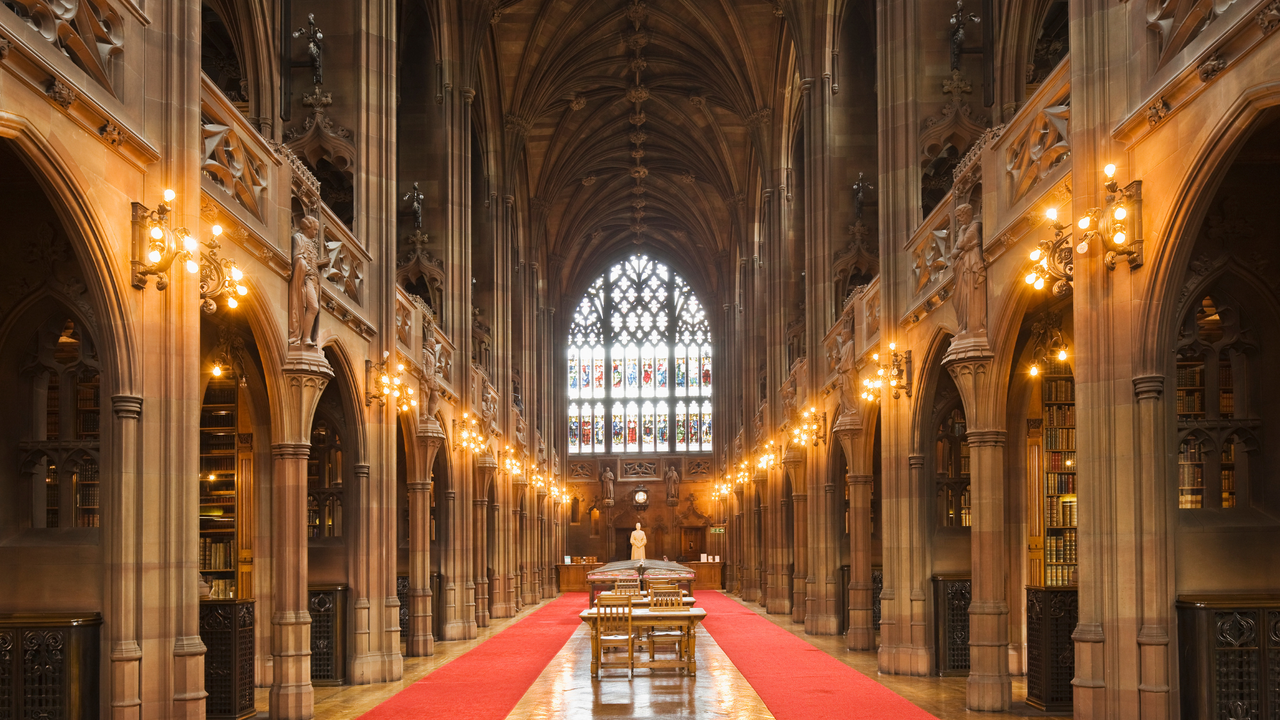
    John Rylands Library, Manchester
    Opened to the public on Deansgate in 1900, this stunning library (pictured above) was founded by Enriqueta Rylands in memory of her late husband, the entrepreneur and philanthropist John Rylands. It became part of Manchester University in 1972, and is home to an array of rare books including the Gutenberg Bible and all four of Shakespeare’s Folios.

    The Bodleian, Oxford
    “In terms of English libraries, this is the magnum opus,” said The Sunday Times. Founded in 1602 by diplomat and scholar Thomas Bodley, it’s one of the country’s oldest and “feels like the library at Hogwarts: think domed reading rooms, gothic vaulting, stained glass and wooden shelves stuffed with books from floor to ceiling”. Consider booking a guided tour for access to the “normally off-limits” 15th century Duke Humfrey’s Library and the Chancellor’s Court, “where students were tried for misdeeds”.

    The Leeds Library
    This historic spot has a “special claim to fame: it’s the oldest surviving lending library in the UK”, said The Sunday Times. Founded in 1768 by a “forward-thinking society of northern notables”, it’s a members-only library, but you can book to visit on Thursdays between 5pm and 7pm. “Grade II listed and set around a glass-roofed atrium, framed by wooden balustrades and shelves, it’s a bookworm’s delight.”


    Statistic of the day

    2,650: The approximate number of times that speed cameras have been falsely triggered since 2021 owing to a delay between the cameras and variable speed signs, according to National Highways. The government agency said any affected drivers would be reimbursed for fines, with penalty points removed from their licences.


    instant opinion

    Today’s best commentary

    Female genital mutilation is abuse. Suggesting otherwise isn’t progressive, it’s racist
    Nimco Ali in The Telegraph
    “Surely we are not still debating whether cutting girls’ genitals is harmful,” writes female genital mutilation survivor Nimco Ali. A BMJ journal has published a paper arguing that those who condemn it rely on “racialised stereotypes”, and when I began campaigning against FMG, I was “told I was betraying my community”. But this “is not an African issue”; it’s an expression of “power and control over women’s bodies”. It is “abuse” and “medical journals, of all places, should know this”.

    Britain’s bargain-basement social care
    Jonny Ball on UnHerd
    Shared institutions “define a nation”, writes Jonny Ball, and there may be no “more disturbing and accurate symbol of the contemporary British body politic” than our “broken social care system”. In this “threadbare patchwork of public and private dysfunction”, residential care homes have been “hollowed out by parasitic ownership models”. The state that “once promised cradle-to-grave care” has become “powerless in the face” of these “para-state private behemoths”.

    British pessimism is stalling growth
    David Stevens in City A.M.
    “Britain has long prided itself on being” a “dynamic” financial centre but the “uncomfortable truth” is that it’s “become the most risk-averse investment market in the world”, writes David Stevens, CEO of Aquis Exchange. In “one of the biggest obstacles to business growth in the UK”, companies “increasingly find that after strong early-stage support, they are struggling to find scale-up capital at home”. We must “restore confidence in responsible risk-taking” to create a “more future-facing capital market”.


    word of the day

    Janeites

    Coined by literary historian George Saintsbury in 1894 to describe Jane Austen’s “most ardent fans”, who are today celebrating the 250th anniversary of her birth, said The New York Times. While Janeites have a long history, the “modern era of fandom is universally acknowledged to have begun the moment a thrillingly dishevelled Colin Firth appeared in his wet shirt in the 1995 BBC adaptation of “Pride and Prejudice’”.


    Evening Review was written and edited by Hollie Clemence, Rebecca Messina, Joel Mathis, Will Barker, Alex Kerr, Irenie Forshaw, David Edwards, Helen Brown and Kari Wilkin, with illustrations from Stephen Kelly.

    Image credits, from top: illustration by Stephen Kelly / Getty Images;  iiievgeniy / Getty Images; Ian Maule / Shutterstock; Amanda Rose / Alamy Live News; Atlantide Phototravel / Getty Images

    Morning Report and Evening Review were named Newsletter of the Year at the Publisher Newsletter Awards 2025
     

    Recent editions

    • Evening Review

      Seeking durable peace

    • Morning Report

      Mass shooting shakes Australia, Jewish communities

    • Sunday Shortlist

      A table tennis tour de force

    VIEW ALL
    TheWeek
    • About Us
    • Contact Future's experts
    • Terms and Conditions
    • Privacy Policy
    • Cookie Policy
    • Advertise With Us
    • FAQ
    Add as a preferred source on Google

    The Week is part of Future US Inc, an international media group and leading digital publisher. Visit our corporate site.

    © Future US, Inc. Full 7th Floor, 130 West 42nd Street, New York, NY 10036.