The Week The Week
flag of US
US
flag of UK
UK
https://cdn.mos.cms.futurecdn.net/flexiimages/jacafc5zvs1692883516.jpg

SUBSCRIBE & SAVE

Less than $3 per week

Sign in
  • View Profile
  • Sign out
  • The Explainer
  • The Week Recommends
  • Newsletters
  • Cartoons
  • From the Magazine
  • The Week Junior
  • Student Offers
  • More
    • Politics
    • World News
    • Business
    • Health
    • Science
    • Food & Drink
    • Travel
    • Culture
    • History
    • Personal Finance
    • Puzzles
    • Photos
    • The Blend
    • All Categories
  • Newsletter sign up Newsletter
  • The Week Evening Review
    Starmer heads to Beijing, the new National Police Service, and gender politics

     
    TODAY’S BIG QUESTION

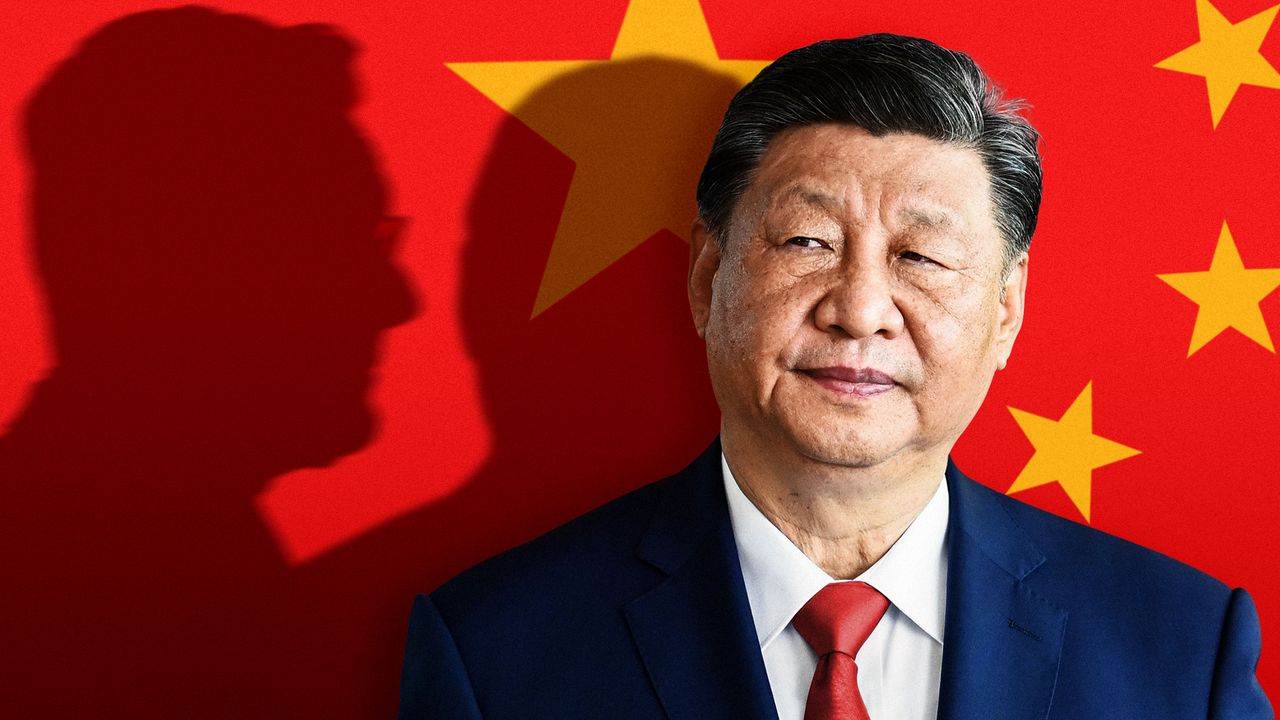
    What is at stake for Starmer in China?

    When Keir Starmer touches down in Beijing tomorrow, he will become the first UK prime minister to visit China since Theresa May in 2018. Despite the Chinese “mega embassy” controversy, the conviction of British citizen Jimmy Lai and tensions over Hong Kong, Starmer heralded “significant opportunities” for British businesses, in an interview with Bloomberg yesterday. He also “dismissed questions about whether he was seeking stronger ties with China at the expense of the UK’s relationship with its closest allies”, said the news site.

    What did the commentators say?
    The PM will have to “play it tough” in China if he wants his “ambitious” agenda to materialise, said Michael Kovrig in The Times. In diplomatic discussions with Beijing’s “autocratic” leader Xi Jinping, Starmer’s success will rely on three key areas: “resetting” bilateral relations between the two countries, “boosting” trade and investment deals, and “securing” visa and embassy “reciprocity”.

    Continuing in his “international statesman” vein, Starmer is “racking up” the air miles, said Ben Marlow in The Telegraph. As he heads to Beijing, Starmer is clearly spearheading a “massive coordinated attempt to cultivate stronger” diplomatic ties abroad. But he should remember the ongoing friction between the two nations, brought about by Beijing’s cyberattacks, espionage and the conviction of Lai in Hong Kong. The recent “sudden” arrests of senior People’s Liberation Army figures also underline how Beijing “operates under its own rules” and is notoriously “hard to predict”.

    For China, the visit presents a “prime opportunity to draw another critical US ally closer” and out of Donald Trump’s orbit, said the Financial Times. China craves “greater access to UK markets”, as exemplified by Ming Yang’s proposed £1.5 billion investment in Scottish wind turbines – a move the Trump administration has criticised on security grounds. China will be hoping that Starmer’s visit will “lay the groundwork” for German Chancellor Friedrich Merz’s arrival in February, as Beijing seeks to “repair strained ties with the EU”.

    What next?
    Starmer and his delegation – which includes Business Secretary Peter Kyle and senior business executives – will visit Beijing and Shanghai, before making a brief stop in Japan. Though the meetings are bilateral, Trump’s looming presence over geopolitics means that Starmer has a “three-body problem”, a source told Politico. Unlike his Canadian counterpart Mark Carney, Starmer is “desperate not to paint this as a rupture from the US”.


    THE EXPLAINER

    How the ‘British FBI’ will work

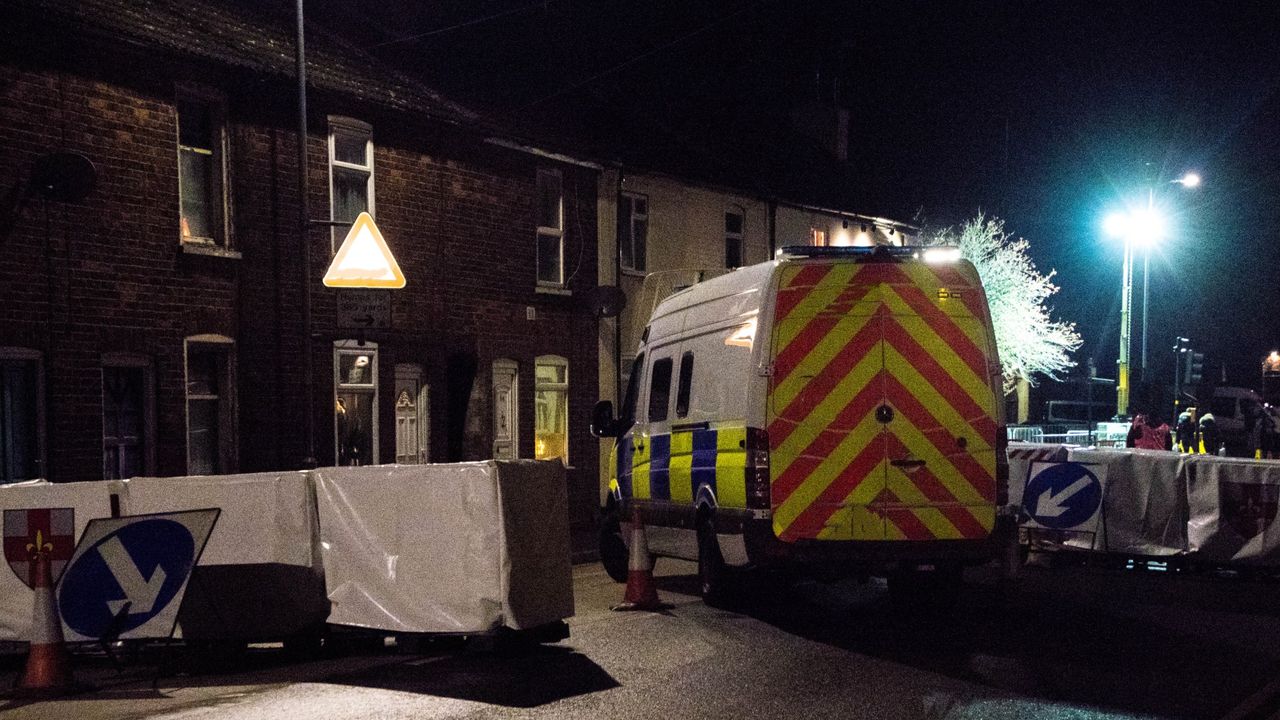
    The government is establishing a new National Police Service as part of “the biggest shake-up to the crime-fighting structure” in more than half a century, said The Telegraph.

    Dubbed the “British FBI” by ministers, it will be tasked with tackling the most serious crimes, enabling strained local forces to concentrate more resources on everyday offences.

    How will the new unit work?
    The National Police Service will target terrorism, fraud and organised crime. Despite the “British FBI” nickname, it will only operate in England and Wales, as policing is devolved in Scotland and Northern Ireland. The new organisation, set out in a government White Paper, will bring together the capabilities of existing agencies including the National Crime Agency, Counter Terrorism Policing, Regional Organised Crime Units and National Road Policing. The NPS will also be in charge of setting professional standards and training requirements and purchasing new equipment for all forces. This includes overseeing the nationwide roll-out of controversial facial recognition software.

    The NPS will have its own uniform and will be led by a new national police commissioner, who will become the most senior police officer in the country. The establishment of the new body will be accompanied by a reduction in the number of police forces in England and Wales, “with some merged to create bigger regional constabularies tackling complex crimes, such as murder, drugs and county lines gangs”, said The Telegraph.

    Home Secretary Shabana Mahmood has insisted the radical overhaul is urgently needed because the “outdated” and “fragmented” current model is “buckling under the strain” of tackling complex modern crime, leaving “serious offending unpunished”. The existing policing model “was built for a different century”, she said. 

    How have the plans been received?
    The establishment of the NPS “reflects a widespread consensus” among law enforcement experts that “more specialised officers are needed”, said the Financial Times.

    Although the policing world is “almost giddy” about the plans, “amending police structures, processes and institutions won’t affect people’s lives in the short, or even the medium, term”, said crime expert and former BBC journalist Danny Shaw. The White Paper “is not intended as an urgent plan of action to address our immediate concerns about safety on the streets, crime and anti-social behaviour”, but rather “a roadmap towards a more efficient and effective police service in the decades to come”.


    QUOTE OF THE DAY

    “We have concluded the mother of all deals.”

    European Commission President Ursula von der Leyen hails a landmark trade agreement finalised between the EU and India last night. The deal, following almost two decades of on-off negotiations, creates a “free trade zone of 2 billion people”, she wrote on social media.


    Poll watch

    Public concern about Britain’s defence capabilities has doubled since December, according to Ipsos polling for The Times. Of 1,004 adults surveyed this month, 41% said immigration was the biggest issue facing the country. But 24% chose defence, up from 12% last month.


    IN THE SPOTLIGHT

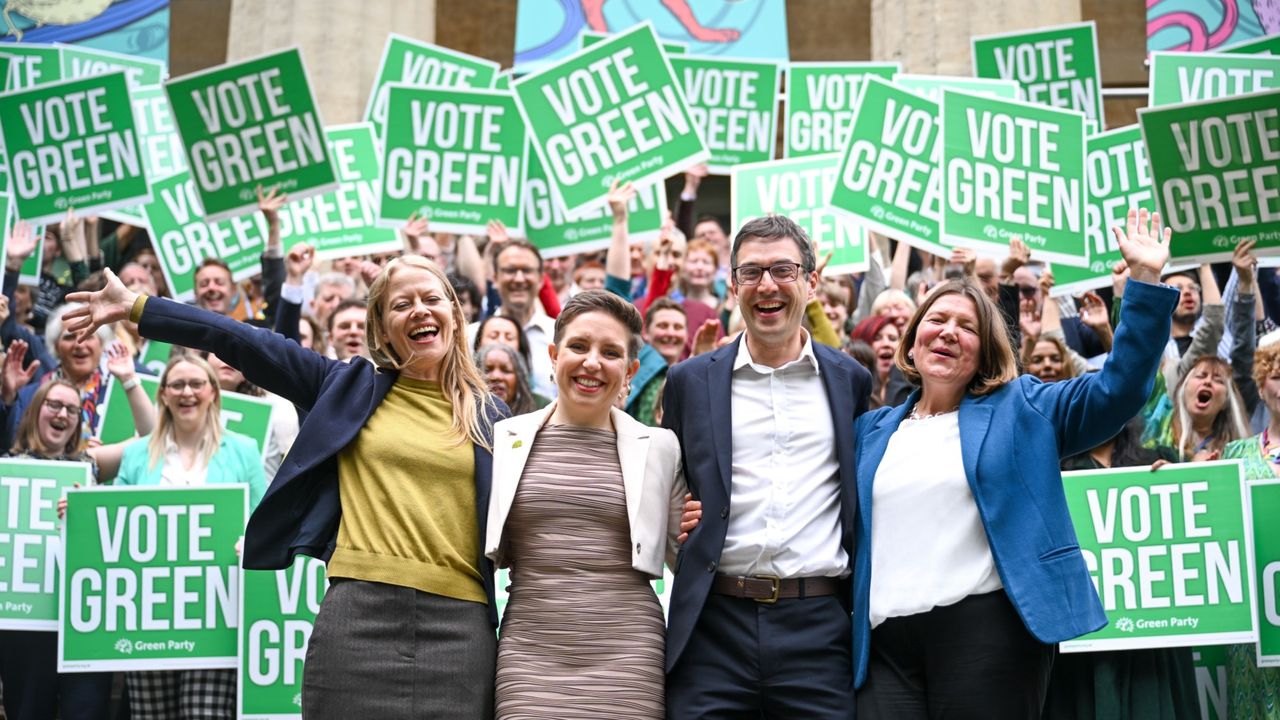
    Gender politics: why young women are going Green

    The old “Men Are from Mars, Women Are from Venus” premise that “men and women are from different worlds when it comes to relationships” has been robustly “rebuffed”, said Eir Nolsøe in The Telegraph. “But when it comes to politics, it may no longer be such an outlandish conclusion.” In the UK, “gender is emerging” as the new political “dividing line”, particularly among younger voters.

    British women are increasingly leaning left, according to a new report by the National Centre for Social Research. Recent YouGov polling suggests that 44% of women aged 18 to 24 intend to vote Green, compared with 30% of their male peers.

    Post-Brexit shift
    Women in the UK were always more likely to vote Conservative than men until the 2017 general election, when women suddenly became more likely to vote Labour. In 2019, support for Jeremy Corbyn among women aged 18 to 24 was nearly double Labour’s overall share of the votes. That shift “is not because women’s values have changed”, said politics professors Rosie Campbell and Rosalind Shorrocks on The Conversation. It seems “more tied to changing events”: gender differences in attitudes towards Brexit, in particular, are “a potentially more powerful explanation”.

    In the 2024 election, nearly a quarter of women aged 18 to 24 voted for the Green Party – roughly double the number of young men who voted for Reform. Yet, “predictably”, it was the young men voting Reform that “got all the attention”, said Gaby Hinsliff in The Guardian. Now, though, there’s a “growing consensus” that as the worldviews of young men and young women become “ever more starkly polarised, the driving force behind that split is women becoming sharply more liberal, not men becoming radically more right-wing”.

    Altering social fabric
    A key factor could be higher education: polling suggests that university graduates are more likely to support left-wing parties, and 57% of Britain’s students are female. But academics like Campbell believe “young women’s radicalisation also has a lot to do with Brexit and its unfolding consequences”, said Hinsliff. Women are “noticeably more anti-austerity and pro-Remain than men”.

    “This crucial gender divide will not only continue to shape our politics but could also alter our social fabric,” said Scarlett Maguire in The New Statesman. “Women increasingly feel they have less in common” not just “with older generations” but with “men their own age”.


    Good day 🏢

    … for leaseholders, after the government proposed a £250 cap on annual ground rents in England and Wales. New leasehold flats, built on land owned by someone other than the property buyer, would also be banned under the draft Commonhold and Leasehold Reform Bill.


    Bad day 🎥

    … for Melania Trump, as Amazon’s authorised documentary about the first lady fails to attract UK cinema audiences. Ticket sales have been “soft”, said Vue’s chief executive Tim Richards, after just one had sold for Friday’s premiere afternoon screening at the operator’s flagship complex in London’s Islington.


    picture of the day

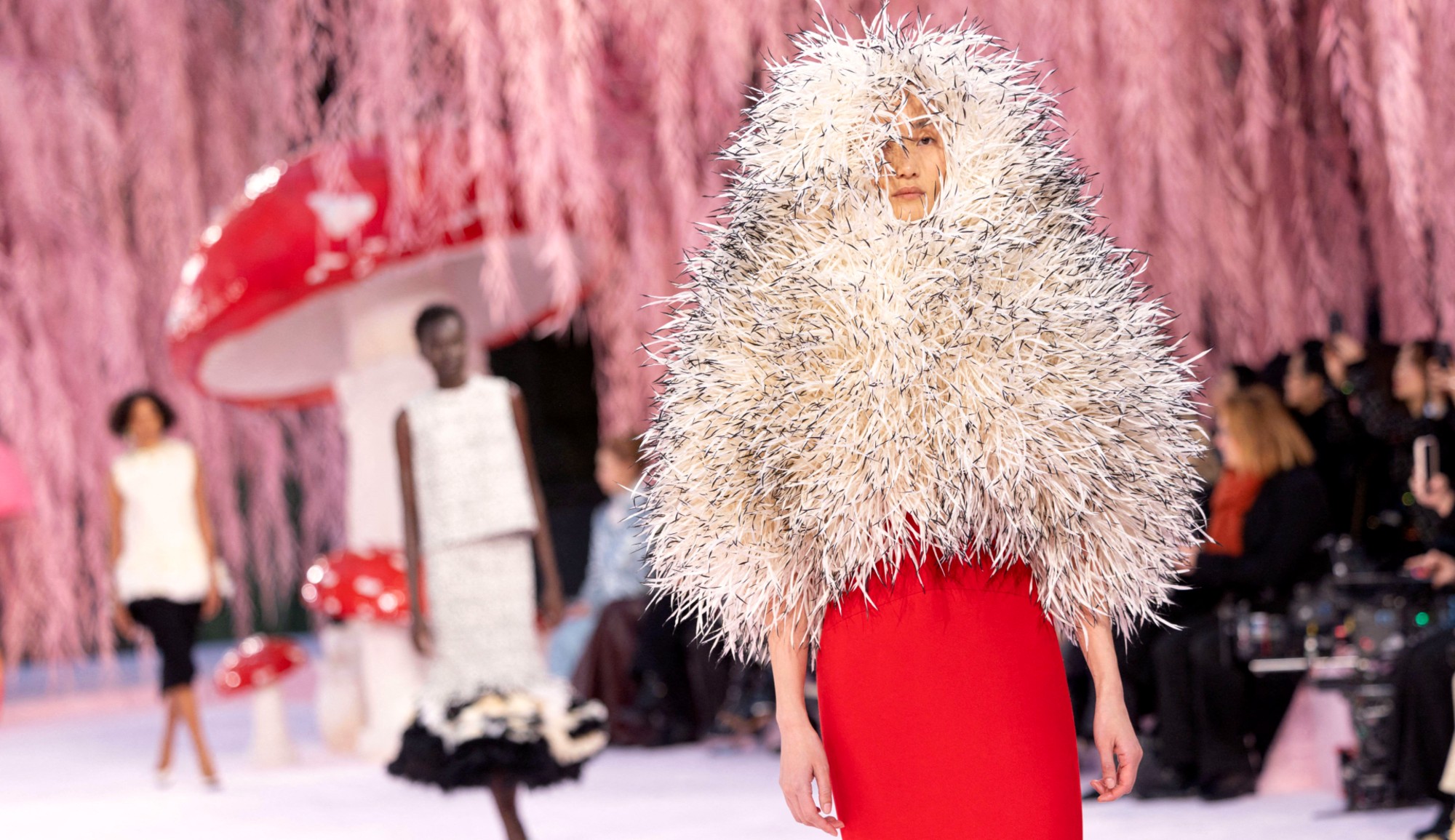
    Fabulous funghi

    A model walks a Paris runway dotted with giant mushrooms and pink trees. Anna Wintour, Nicole Kidman and Dua Lipa were in the audience in the Grand Palais to see Matthieu Blazy’s haute couture debut collection for Chanel. 

    Alexis Jumeau / Abaca Press/ Alamy Live News


    Puzzles

    Guess the number

    Try The Week’s new daily number challenge in our puzzles and quizzes section

    Play here


    THE WEEK RECOMMENDS

    The best family hotels in Europe

    Holidaying with kids is fun but few parents would call it restful. These family-friendly hotels specialise in small-people entertainment that gives the grown-ups a chance to unwind…

    Porto Sani, Halkidiki, Greece
    On arrival at Porto Santi, I noticed “strangely mellow parents in pleasant trances”, said Florrie Thomas in Condé Nast Traveller. I soon realised why. The newly renovated property is equipped with “a splash pool, kids’ club and friendly staff who’ll play peekaboo with the baby”. There’s also an Annabel Karmel-inspired healthy kids’ menu and a “Babewatch” service that treats parents to 30 minutes of free childcare a day (“cue glorious solo dips”).

    Moar Gut, Grossarl, Austria
    Nestled in a valley in the Austrian Alps, this “private alpine estate” offers an “entirely screen-free, nature-rich children’s programme”, said Risa Merl in The Independent. The on-site nursery welcomes babies from 30 days old, with “sensory play” and “cosy nap spaces”, and the hotel is even home to a baby spa “where little ones can enjoy baby yoga” and “gentle developmental therapies”. For older kids and teens, there is an array of activities including woodworking sessions and “crafting with natural materials”.

    Rosewood Castiglion del Bosco, Tuscany, Italy
    This “beautifully maintained 800-year-old estate” in Tuscany is an “enticing space” where “little legs” can “get utterly worn out toddling between the dreamy cypress trees”, the “tumble-down castle” and “the sparkling infinity pool”, said Becky Lucas in Condé Nast Traveller. The revamped kids’ club offers “quite possibly the most varied range of locally inspired activities in the region”, spanning everything from pizza making to birdhouse building.

    See more


    Statistic of the day

    854: The number of secondary schools that marked Holocaust Memorial Day on 27 January last year, down by nearly 60% from 2023. According to data from the Holocaust Memorial Day Trust, more than 2,000 of the UK’s 4,200 senior schools took part before the 7 October attacks on Israel.


    instant opinion

    Today’s best commentary

    Is Nigel Farage on a mission to make populism less popular?
    Tom Peck in The Times
    “There’s never been anything quite like Nigel Farage’s January transfer window,” writes Tom Peck. “No more than 72 hours” passes without another “Tory MP defecting to Reform”. Farage “seems desperate” to diminish his brand by “raiding the least popular government there’s quite possibly ever been, for seemingly all of its least popular members”. He now has “more of the last Conservative cabinet” in his “top team” than Kemi Badenoch has. “You might recall how all that ended.”

    How AI is rewriting the Holocaust
    Giles Fraser on UnHerd
    “Holocaust memory” is “under attack”, with AI being used to “create false narratives”, writes Giles Fraser on Holocaust Memorial Day. “Those with a keen eye and some knowledge” of history “can still tell the difference between fake images and real ones”. But “as AI improves”, the truth “will be harder to recognise and easier to dismiss”, and then a “new world of Holocaust suspicion opens up”. That’s “particularly salient today, amid the continued fallout from the October 7 massacre”.

    Your snus gives me the ick
    Arielle Domb in The New Statesman
    “Something strange” has “started happening” when I go on dates, writes Arielle Domb. The men lift up “their top lip” and squish in “a tiny, tea bag-like” nicotine pouch. They tell me that each one contains more nicotine “than a whole pack of cigarettes”. But, while smoking has “sex appeal”, there’s “nothing remotely chic or suave” about this trend. I’m “impressed that men can handle the nicotine buzz”, but the “spectacle” of wedging in pouches is “no aphrodisiac for me”.


    word of the day

    Yolo

    King Charles finally seems to have “cottoned on to the inescapable fact that you only live once”, said Robert Crampton in The Times. The 77-year-old turned up to church in Sandringham on Sunday in a “racy” new Lotus Eletre that, together with his “new sunnier persona”, suggests a “man making the most of life”. Looks like “we’ve got ourselves a yolo king”.


    Evening Review was written and edited by Hollie Clemence, Rebecca Messina, Will Barker, Chas Newkey-Burden, Irenie Forshaw, David Edwards, Helen Brown and Kari Wilkin, with illustrations from Stephen Kelly.

    Image credits, from top: illustration by Stephen Kelly / Getty Images; NORRIE3699 / iStock / Getty Images; Finnbarr Webster / Getty Images; Alexis Jumeau / Abaca Press / Alamy Live News; Maria Korneeva / Getty

    Morning Report and Evening Review were named Newsletter of the Year at the Publisher Newsletter Awards 2025
     

    Recent editions

    • Evening Review

      The end of the American era

    • Morning Report

      Trump’s ICE campaign hits a tipping point

    • Sunday Shortlist

      Ecstatic worship

    VIEW ALL
    TheWeek
    • About Us
    • Contact Future's experts
    • Terms and Conditions
    • Privacy Policy
    • Cookie Policy
    • Advertise With Us
    • FAQ
    Add as a preferred source on Google

    The Week is part of Future US Inc, an international media group and leading digital publisher. Visit our corporate site.

    © Future US, Inc. Full 7th Floor, 130 West 42nd Street, New York, NY 10036.