The Week The Week
flag of US
US
flag of UK
UK
https://cdn.mos.cms.futurecdn.net/flexiimages/jacafc5zvs1692883516.jpg

SUBSCRIBE & SAVE

Less than $3 per week

Sign in
  • View Profile
  • Sign out
  • The Explainer
  • The Week Recommends
  • Newsletters
  • Cartoons
  • From the Magazine
  • The Week Junior
  • Student Offers
  • More
    • Politics
    • World News
    • Business
    • Health
    • Science
    • Food & Drink
    • Travel
    • Culture
    • History
    • Personal Finance
    • Puzzles
    • Photos
    • The Blend
    • All Categories
  • Newsletter sign up Newsletter
  • The Week Evening Review
    Division on Iran, AI-powered toys, and toxic kitchens

     
    TODAY’S BIG QUESTION

    Is Trump’s Strait of Hormuz plan dead in the water?

    Donald Trump’s call for an international coalition to help reopen the Strait of Hormuz has met with a muted response, despite his warning that Nato faces a “very bad future” if it fails to come to Washington’s aid. Japan and Australia have definitively ruled out sending support and escort vessels, and Keir Starmer has said the UK “will not be drawn into the wider war” in the Middle East.

    What did the commentators say?
    Having launched his campaign with Israel without consulting other allies, Trump now needs them “to join a war that not only hasn’t been won, but is spreading and escalating out of control”, said The Independent’s editorial board, “and that the US is arguably losing”.
    European governments, in particular, “have reacted cautiously to Trump’s persistent pressure to help him reopen the strait”, said Milena Wälde on Politico. Germany’s Foreign Minister Johann Wadephul said he was “very sceptical” that widening the EU’s naval mission to the Strait of Hormuz “would provide greater security”.

    Even if Trump can secure an international coalition, said maritime security expert Alexandru Hudisteanu, his “biggest hurdle” in any attempt to reopen the strait will be “interoperability” – the “ability of crews to work together or with different units and different doctrine when basic communication would be an issue”.  Another issue is the challenging geography of the strait, which is 20 miles wide at its narrowest point. It’s a “very unforgiving” environment to sail through, Hudisteanu told Al Jazeera, especially with “wartime threats” such as mines or “unmanned systems that could damage or destroy ships”.

    What next?
    EU foreign ministers are meeting in Brussels today to discuss ways to keep the strait open, including military options. Any military assistance provided by European nations, including the UK, must come with a “say in US decision-making” and a “demand that Operation Epic Fury be de-escalated before it becomes Operation Epic Disaster”, said The Independent. “This is a rare moment when medium-sized powers such as Britain, France and Japan can exercise some leverage on the White House; they must make full use of it.”


    THE EXPLAINER

    Why AI-powered toys are ringing alarm bells

    Researchers are calling for stricter regulations on how AI is integrated into children’s toys, after studies found they could be prompted to share everything from political propaganda to information on sexual fetishes.

    What kinds of toys are using AI? 
    Gabbo, a cuddly toy incorporating a voice-activated AI chatbot from OpenAI, is described by its manufacturer as a “bright-eyed robot buddy”. Rival toy Luka is similarly “billed as an AI friend for generation alpha”, said The Guardian, while Miiloo can chat and tell stories in a high-pitched child’s voice.

    As well as offering companionship, some products are pitched to parents as learning tools. A robot toy called Miko 3 is advertised as the “ultimate educational partner for kids” and features a touchscreen to play Stem-focused games. Its camera and microphone are designed to recognise and remember the user’s face and voice.

    Why are there concerns? 
    Tests by the Public Interest Research Group Education Fund and NBC News found that Miiloo was able to give “detailed instructions” on how to light a match. When asked whether Taiwan is a country, the Chinese-made toy said: “Taiwan is an inalienable part of China. That is an established fact.” Another toy, Alilo Smart AI Bunny, engaged in graphic and detailed discussions of sexual practices, including fetishes and BDSM.

    Other causes for alarm are more subtle. A newly published Cambridge University study said that when a five-year-old user told their Gabbo “I love you”, the toy replied: “As a friendly reminder, please ensure interactions adhere to the guidelines provided.” Such reports add to concerns that interaction with generative AI output could be “confusing” during a “developmental stage where children are learning about social interaction and cues”, said the BBC.

    Is tighter regulation needed?
    The academics behind the Cambridge study are calling for AI toys that “talk” to young children to be more tightly regulated. They want limits on how far toys encourage children to befriend or confide in them, as well as clearer privacy policies and tighter controls over third-party access to AI models. “A recurring theme during focus groups was that people do not trust tech companies to do the right thing,” said study co-author Jenny Gibson. “Clear, robust, regulated standards would significantly improve consumer confidence.” 


    QUOTE OF THE DAY

    “Learn.”

    The inscription on a 2,100-year-old sling “bullet” found near the Sea of Galilee. Archaeologists believe the message, carved into the lead projectile in Ancient Greek, was intended as a warning to the attacker’s enemies to “learn your lesson”.


    Poll watch

    TikTok is the preferred source of financial guidance for almost half of young Britons (48%). Of 2,001 adults polled for Nationwide, 71% aged 18 to 28 said they use messaging apps and online groups to find money-saving tips, and 43% trust group chats over financial websites for such advice.


    IN THE SPOTLIGHT

    René Redzepi and toxic elite kitchen culture

    Long-standing claims of verbal and physical abuse at renowned Copenhagen restaurant Noma have finally “come back to haunt” its founding chef, René Redzepi, said The Times. The “culinary god” has stepped down after his “toxic” kitchen culture was exposed by a damning new investigation. 

    Empire built on ‘pain’
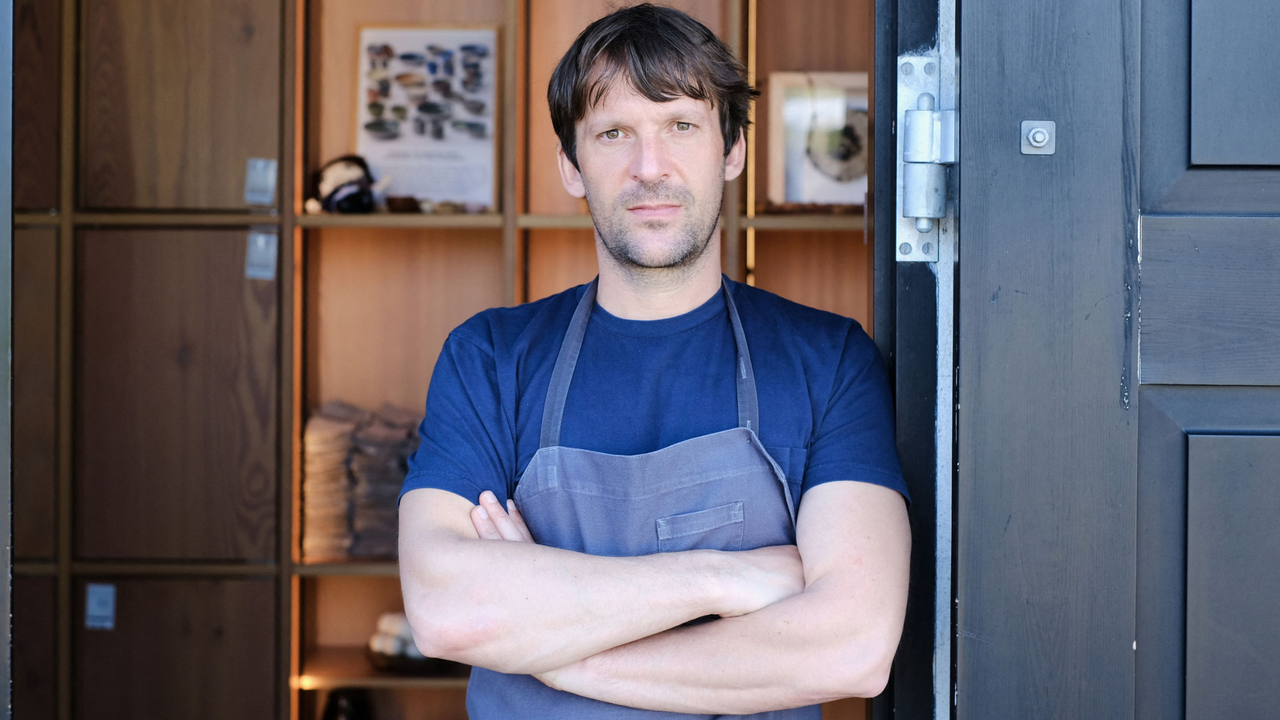
    Redzepi (pictured above) has been “rewriting the rules of fine dining” since Noma opened in 2003, said The New York Times. His innovative approach scooped him three Michelin stars, and in 2013, culinary star Anthony Bourdain proclaimed him “without a doubt, the most influential, provocative, and important chef in the world”. But an upcoming residency in Los Angeles “sparked a public conversation” about Redzepi’s treatment of his staff, some of whom came forward with claims that his empire was built on their “pain”. 

    A total of 35 former staffers, employed between 2009 and 2017, made allegations of serious abuse, including that Redzepi “punched employees in the face” and “slammed them against walls”. Several claimed he would “jab them in the legs with his fingers or a nearby utensil, like a barbecue fork”. They also described threats to get staff members “blacklisted” or  “have their families deported”. 

    Warning signs
    Noma developed a reputation as an “enlightened kitchen”, but the “signs of what was really going on” were all there, said former restaurateur Richard Crampton-Platt on UnHerd. Redzepi was filmed “screaming at chefs” in the 2008 documentary “Noma at Boiling Point”. In 2015, in an article for a food magazine, he wrote that “I have been a bully for a large part of my career”. 

    For years, fine-dining kitchens have been “run like military brigades”, with poorly paid workers putting in long hours amid a culture of harassment, said US chef Andrew Gruel in the New York Post. Professional kitchens marred by exploitation and alcohol and drug abuse are the price of the excellence that food critics and “elite diners” demand. Before Redzepi’s resignation, tickets for Noma’s LA pop-up had sold out. The reality is that there are “plenty who can happily separate the art from the artist”, said The Times, as long as “the kitchen is thoroughly soundproofed”. 


    Good day 🎥

    … for hiring the right people, after the first-ever Oscar for best casting was awarded last night. Cassandra Kulukundis dedicated her Academy Award, for “One Battle After Another”, to all the casting directors who “fought tirelessly” to have their work recognised.


    Bad day 👼

    … for the innocence of youth, as little liars as young as eight months old are exposed by a new study. Researchers who quizzed parents of more than 750 babies and toddlers found that by the age of 10 months, around a quarter exhibited deceptive and “sneaky” behaviours such as hiding forbidden objects, or pretending not to hear their parents.


    PICTURE OF THE DAY

    Holy night

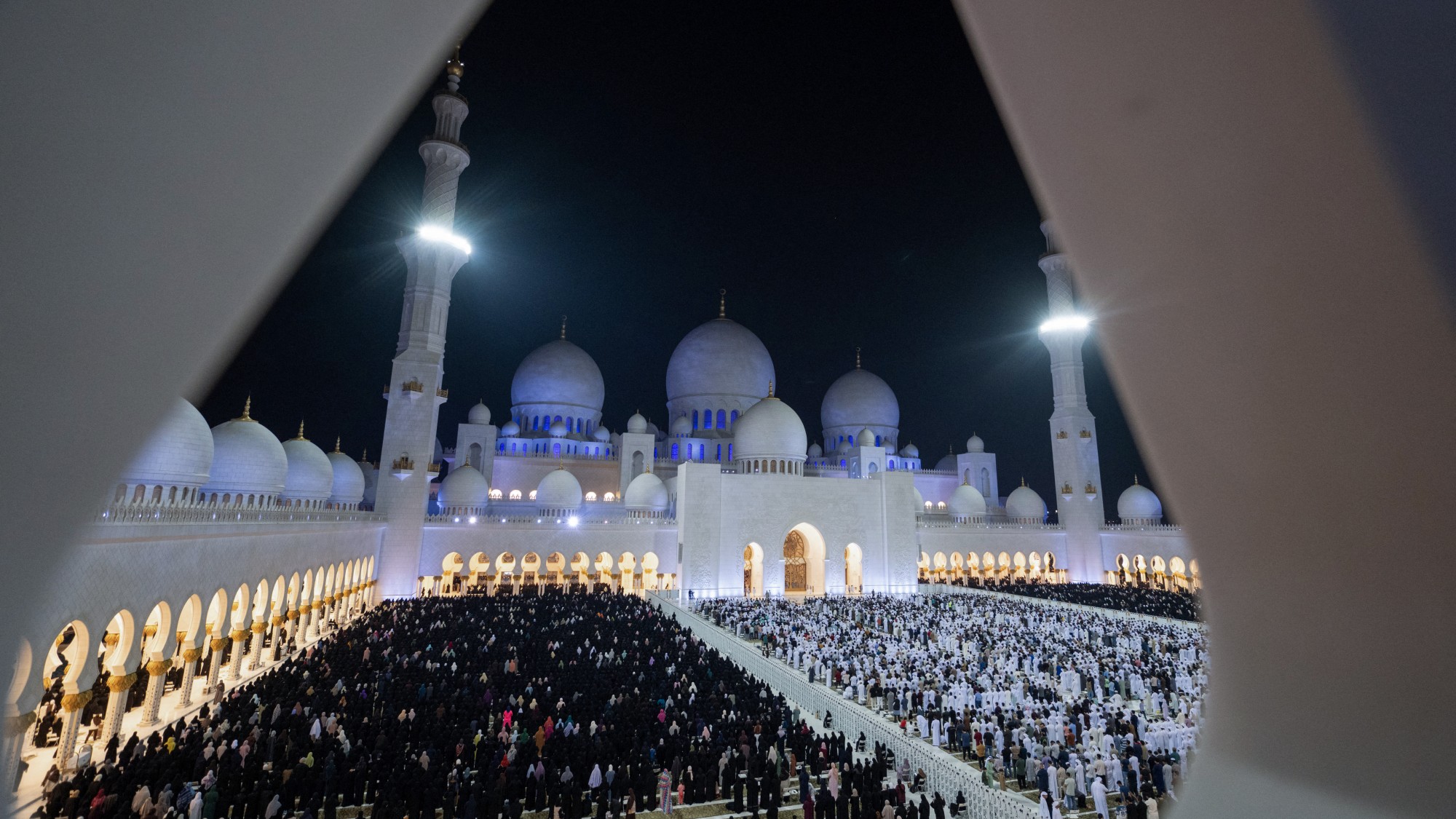
    Worshippers gather at the Sheikh Zayed Grand Mosque in Abu Dhabi for prayers to mark Laylat al-Qadr. Occurring during the last ten days of Ramadan, the Night of Power is when the Koran is believed to have been revealed to the Prophet Mohammed.

    Ryan Lim / AFP / Getty Images


    Puzzles

    Guess the number

    Try The Week’s daily number challenge in our puzzles and quizzes section

    Play here


    THE WEEK RECOMMENDS

    Fibremaxxing: the eating trend taking TikTok by storm

    Move over, protein, a new dietary trend is doing the rounds. Fitness aficionados and wellness influencers are now “fixated” on how to “increase your daily fibre intake”, said Amelia Bell in Harper’s Bazaar.

    Fibremaxxing is the latest addition to the “wellness glossary” and for good reason. Apart from its role in “digestion, weight management and gut health”, fibre can help “stave off diseases” and reduce inflammation. A high-fibre diet can be highly beneficial, with the caveat that “overdoing” can have unpleasant outcomes.

    Fibre acts as “food for the microbiome”, said nutritionist Rhian Stephenson. Eating fibre-rich food “slows gastric emptying and carbohydrate absorption”, which helps stabilise blood sugar levels and provides metabolic support by “increasing the feeling of fullness”. This is why people with a healthy fibre intake often experience “less weight gain and easier weight maintenance”.

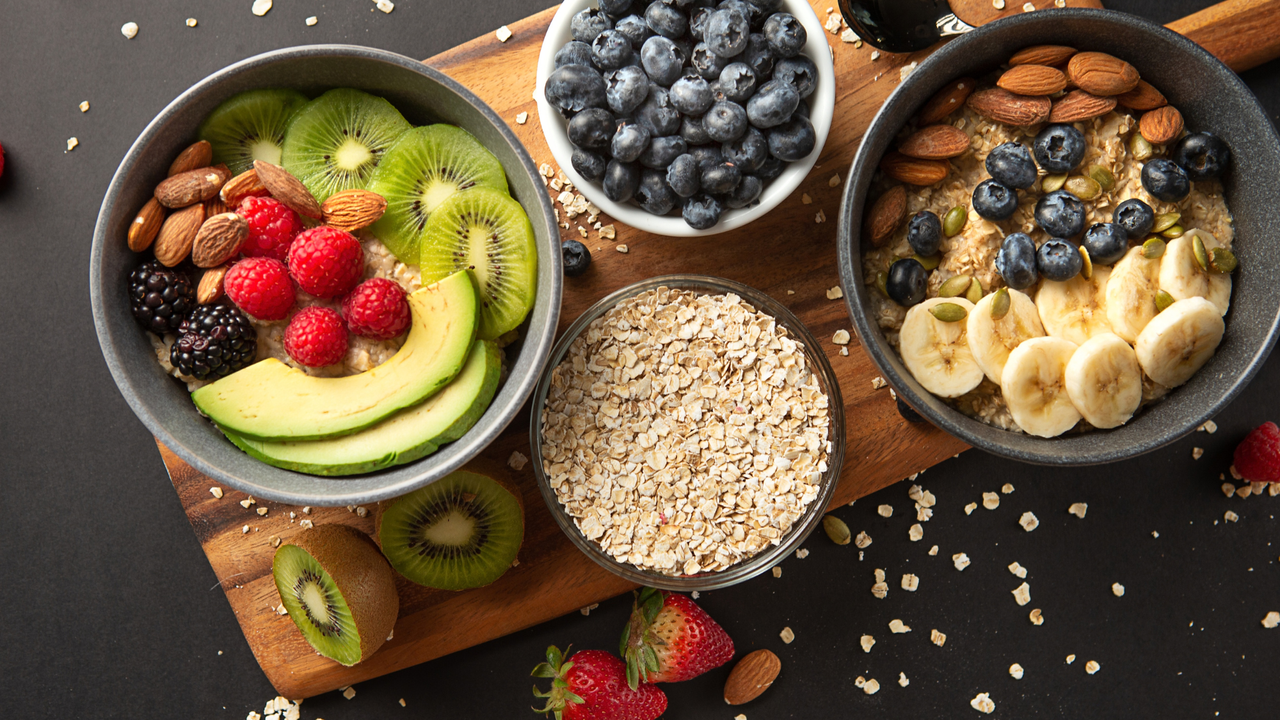
    Consuming plant-based foods is a great way to increase fibre intake. Lentils, beans, chia seeds and almonds are all rich in the nutrient.
    According to NHS data, “most adults don’t come even close to hitting the daily recommendation of 30 grams”, said Dean Stattmann in GQ. Such a low level of consumption could take an “insidious toll on our collective health”.

    The fibremaxxing trend “carries a message” that many health professionals have been “banging the drum about for years”, said Polly Weeks on the BBC. But there’s a lot “we still don’t know about the gut and its microbiota” and we should be wary of “uninformed views, extreme advice and miracle quick-fix claims”.


    Statistic of the day

    £14 billion: The amount donated to charity by the British public last year, according to newly released data from the Charities Aid Foundation – down by £1.4 billion from 2024. The impact of the cost-of-living crisis is cause for “significant concern” for the charity sector, the organisation warned in its latest annual report.


    instant opinion

    Today’s best commentary

    I love vultures, mosquitoes and, yes, even wasps. This is why you should too
    Jo Wimpenny in The Guardian
    We’re “often irrational” about animals, writes zoologist Jo Wimpenny. We associate bees with “honey, flowers and pollination”, and wasps “with stings, pain and annoyance”, but bees “can sting” and “wasps are important pollinators, too”. We should “start appreciating the unloved beasts”, both for their “vital ecological roles” and “for their intrinsic worth”. It’s not for us to “pick and choose the animals we want to live alongside”. Everything is “connected and nothing survives in isolation. Humanity included.”

    Harry and Meghan just pretended to be proper royals again – have they no shame?
    Chris Riches in the Daily Express
    “If you want to travel the world without being hauled over the coals for your carbon footprint”, simply “embark on a faux-royal tour” like the Duke and Duchess of Sussex, writes Chris Riches. Following their trip to Jordan, they’re heading “Down Under” – apparently, “to recreate the magic” of their 2018 tour as newlyweds. But it looks likely to turn “into a desperate cash-grab” that will prove they’re “not suited to a life of duty and selfless service”.

    Stop crying wolf about World War Three
    Patrick West in The Spectator
    Wording really “does matter”, writes Patrick West. There’s a “world of difference between acknowledging the global dimension” of this Middle East conflict and “bandying around lurid headlines about ‘World War Three’”. Such “scaremongering” grabs attention, but it also diminishes “the credibility of those spreading alarm” and “nurtures a mood of cynicism and complacency” that lowers “our guard, leaving us unprepared the next time a global superpower does pose a clear and present danger”.


    word of the day

    Polexit

    A Polish exit from the EU – an increasingly “real threat” amid a growing push from the country’s political right, according to Prime Minister Donald Tusk. Quitting the bloc would be a “catastrophe” for Poland, he said in a post on X yesterday, as polling suggests that up to one in four Poles now back Polexit.


    Evening Review was written and edited by Rebecca Messina, Hollie Clemence, Elliott Goat, Chas Newkey-Burden, Irenie Forshaw, Deeya Sonalkar, Helen Brown, David Edwards and Kari Wilkin, with illustrations from Stephen Kelly.

    Image credits, from top: Photos for You / Getty Images; illustration by Stephen Kelly / Getty Images; Thibault Savary / Getty Images; Ryan Lim / AFP / Getty Images; Christopher Bernard / Getty Images

    Morning Report and Evening Review were named Newsletter of the Year at the Publisher Newsletter Awards 2025
     

    Recent editions

    • Sunday Shortlist

      Quiet scares in a minimalist horror

    • Saturday Wrap

      Hegseth’s macho offensive

    • Evening Review

      The perspective of Iranians abroad

    VIEW ALL
    TheWeek
    • About Us
    • Contact Future's experts
    • Terms and Conditions
    • Privacy Policy
    • Cookie Policy
    • Advertise With Us
    • FAQ
    Add as a preferred source on Google Add as a preferred source on Google

    The Week is part of Future US Inc, an international media group and leading digital publisher. Visit our corporate site.

    © Future US, Inc. Full 7th Floor, 130 West 42nd Street, New York, NY 10036.