The Week The Week
flag of US
US
flag of UK
UK
https://cdn.mos.cms.futurecdn.net/flexiimages/jacafc5zvs1692883516.jpg

SUBSCRIBE & SAVE

Less than $3 per week

Sign in
  • View Profile
  • Sign out
  • The Explainer
  • The Week Recommends
  • Newsletters
  • Cartoons
  • From the Magazine
  • The Week Junior
  • Student Offers
  • More
    • Politics
    • World News
    • Business
    • Health
    • Science
    • Food & Drink
    • Travel
    • Culture
    • History
    • Personal Finance
    • Puzzles
    • Photos
    • The Blend
    • All Categories
  • Newsletter sign up Newsletter
  • The Week Evening Review
    A royal visit, the Banksy exposé, and Agatha Christie screen adaptations

     
    TODAY’S BIG QUESTION

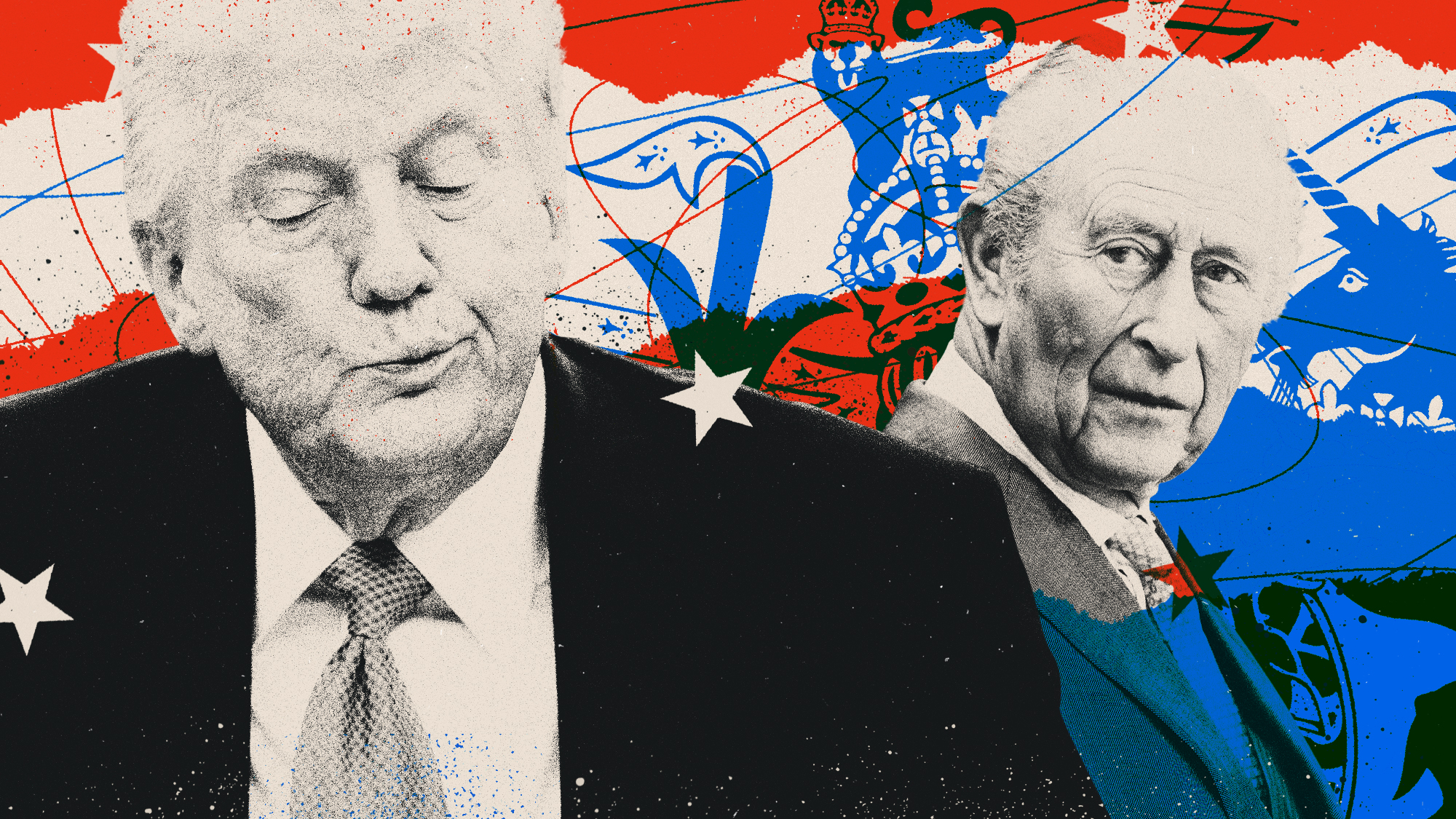
    Should the King postpone his US state visit?

    As the US continues to attack Iran, and Donald Trump continues to criticise Keir Starmer, calls are growing to delay or cancel King Charles’ state visit to America.

    The visit hasn’t yet been formally announced, but Buckingham Palace has been preparing for the King to go to Washington and New York in April, to mark the 250th anniversary of US independence. The visit, the first by a British sovereign in nearly two decades, was intended to help smooth fractured relations between the two nations.

    But as violence in the Middle East intensifies, it may be “safer to delay it”, said Labour’s Emily Thornberry, chair of the Foreign Affairs Committee. “The last thing that we want to do is to have their majesties embarrassed,” she told BBC Radio 4’s “Today” programme. 

    What did the commentators say?
    The visit would be “problematic”, said Peter Westmacott, a former British diplomat and former deputy private secretary to the King. The US is conducting a war that the UK “initially thought clearly was illegal”, he told The Times. The UK government has “a duty to protect the monarchy in a situation like this”, and “a duty to reflect public opinion in this country”.

    Liberal Democrats leader Ed Davey has said going ahead with the visit would hand a “huge diplomatic coup” to Trump. But postponing, rather than cancelling, is the way to avoid offending the “thin-skinned” president, said Westmacott. That’s “a statesmanlike way of managing the issue”.

    The timing “could not be more fraught” for the King, said Alex Hannaford in The Independent. Andrew Mountbatten-Windsor’s arrest last month “reignited the Epstein scandal”, and the “spectre of awkward questions” from victims’ lawyers and advocacy groups “looms over the visit”.

    What next?
    Trump said yesterday that Charles would be visiting “very shortly”. Official travel by the King and Queen is subject to the approval and advice of the government. Downing Street’s current refusal to comment on the matter “suggests an understandable indecision”, said Simon Jenkins in The Guardian. All may depend on how long the war continues. “What is certain is that cancellation would be a severe blow to Anglo-American relations.”


    THE EXPLAINER

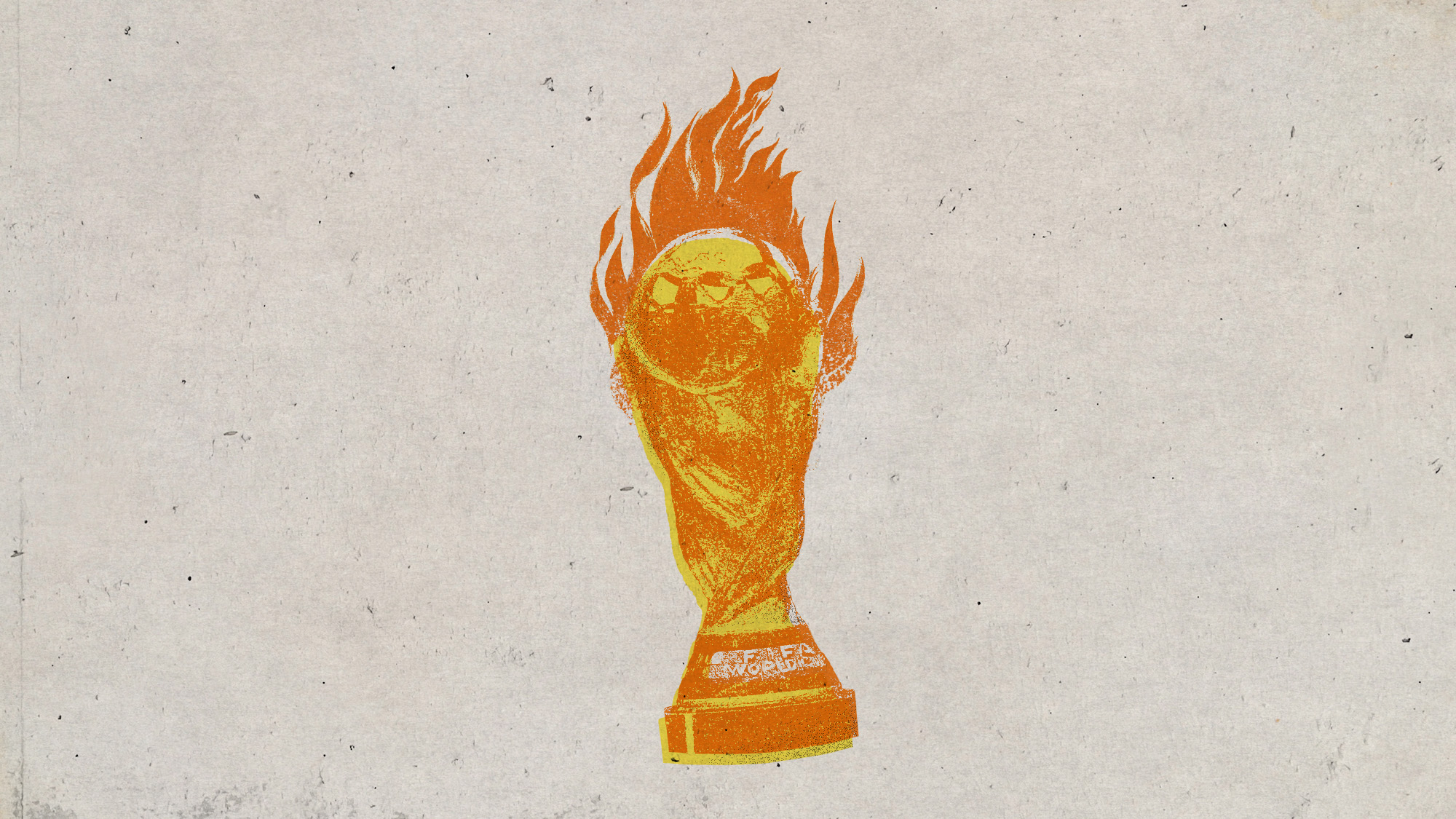
    Middle East war throws World Cup into turmoil

    This summer’s Fifa World Cup is already mired in controversy, as co-hosts Canada, Mexico and the US prepare for the tournament’s kick-off on 11 June. Critics have been calling for a boycott over Donald Trump’s travel bans, and now Iran’s participation has been thrown into doubt by the war in the Middle East.

    Will Iran participate?
    Fifa appears unwilling to grant the Iranian football federation’s request to relocate its US fixtures to Mexico, which would be logistically tricky but not unprecedented. The knockout stages could pose problems, too: if the US and Iran each finish as the runner-up in their group, they would play each other in the last 32.

    Trump has already said it would not be “appropriate” for the Iranian players to take part in the competition, “for their own life and safety”. “When Trump has explicitly stated that he cannot ensure the security of the Iranian national team, we will certainly not travel to the United States,” said Mehdi Taj, the president of Iran’s football federation.
    Iran’s first group fixture is against New Zealand in Los Angeles on 15 June. New Zealand officials told The Athletic that they were continuing to “monitor the situation” but were making plans to play Iran “until we hear otherwise”. No qualifying team has withdrawn from the World Cup since 1950.

    What are the broader safety concerns?
    Critics have decried plans to use agents from the controversial Immigration and Customs Enforcement agency to police World Cup venues in the US. There is also alarm about the wave of violence that has broken out in Mexico’s Jalisco state following the killing of a drug cartel boss. Guadalajara, the state capital, is due to host four games.

    The EU sports commissioner, Glenn Micallef, last month urged Fifa boss Gianni Infantino to help safeguard European fans, according to Politico. Micallef has since asked again, as violence escalates in the Middle East, but there has been “no further communication from Fifa”.

    A Fifa spokesperson said security at the World Cup was a “top priority”, and expressed confidence that host nations “will ensure a safe, secure, and welcoming environment for everyone involved”.


    QUOTE OF THE DAY

    “The very survival of the Labour Party is at stake.”

    Angela Rayner tells Labour’s centre-left activist group Mainstream that the party is “running out of time”. The former deputy PM urged Keir Starmer to reconsider his “un-British” immigration reforms, reigniting speculation that she’s planning a potential leadership bid.


    Poll watch

    Nearly nine in ten (87%) pharmacies are reporting “considerable” rises in requests for meningitis vaccinations following the outbreak in Kent. The National Pharmacy Association, which conducted a snap survey of 300 pharmacies, said demand from worried parents seeking jabs for their children was “far exceeding supply available from wholesalers”.


    TALKING POINT

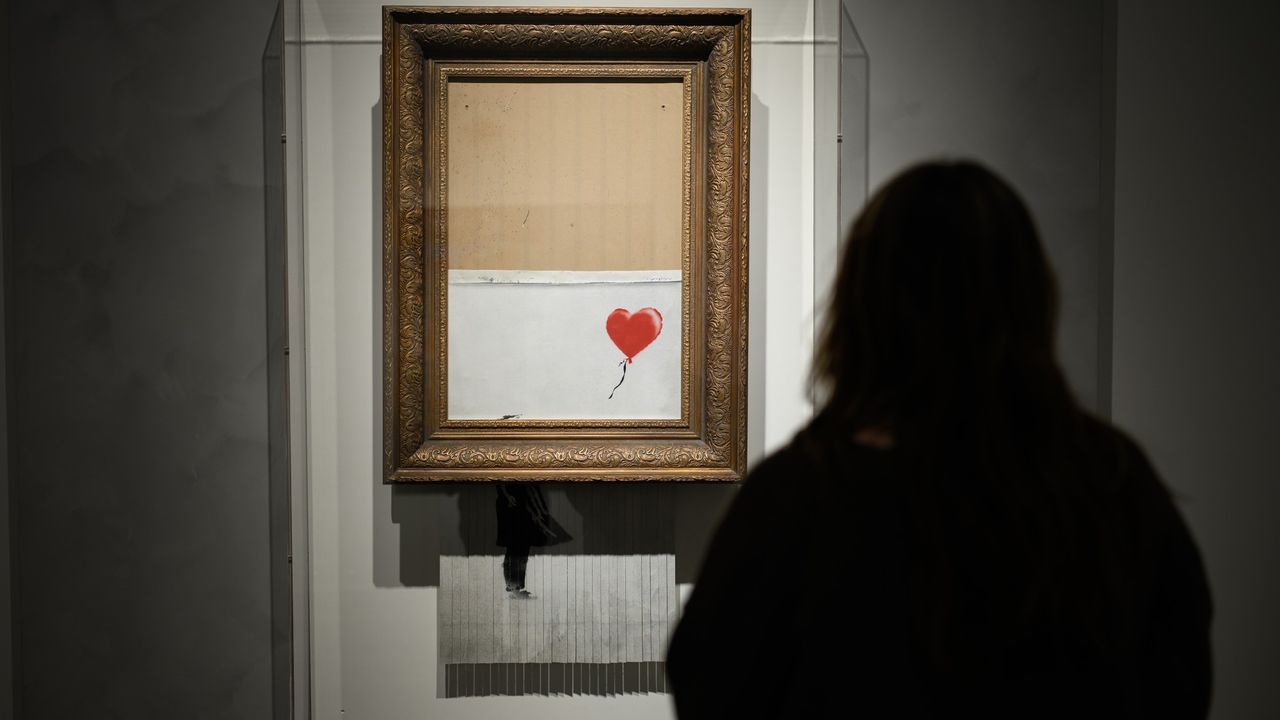
    Banksy ‘unmasked’: does it matter?

    Banksy has been identified “beyond dispute” as Robin Gunningham from Bristol, following a months-long exposé by Reuters that took investigators from London to Ukraine and New York. The graffiti artist’s identity has been “debated, and closely guarded, for decades”, said the news agency, but it is in the public interest to understand “the identity and career of a figure with his profound and enduring influence on culture, the art industry and international political discourse”.

    ‘Put him in danger’
    Gunningham’s name was first linked to Banksy in 2008, in The Mail on Sunday, so the Reuters report might be met “with a shrug”, said The Telegraph. But his definitive outing, and revelations that he legally changed his name to the more common David Jones, “may have more serious consequences than providing titillation for the arts crowd”. Banksy’s “uniqueness stems from the fact that his work is often done using subterfuge, under cover of night or with a team of operatives equipped with fake filming permits or disguised as builders”.

    Much of Banksy’s work could be regarded as acts of criminal damage, said Will Ellsworth-Jones, the author of two books on the artist. This exposé “makes it much more difficult for him”, Ellsworth-Jones told The Telegraph. “The police could, if they wanted to, find him and arrest him easily.” Banksy’s lawyer, Mark Stephens, said the Reuters report “would violate the artist’s privacy, interfere with his art and put him in danger”, while “working anonymously or under a pseudonym serves vital societal interests”. 

    ‘Appeal resides in the riddle’
    The “fascinating thing” is that despite Banksy’s true identity being public knowledge for close to two decades, “the public want him to be anonymous, covert, secretive”, said Eddy Frankel in The Times. “They would rather believe his identity is a mystery than admit that their favourite anti-establishment art rebel is a shortsighted bloke from Bristol called Robin.”

    Part of his “appeal resides in the riddle”, said David Mouriquand on Euronews. Once that’s solved, “you inadvertently dent the artist’s tantalising elusiveness and his/her/their sense of unpredictability, as well as endanger his freedom of movement and expression”.


    Good day ⚾

    … for Venezuelan pride, after the Latin American nation beat Team USA to win the World Baseball Classic for the first time. The 3-2 victory in Miami sparked celebrations on the streets of Caracas last night, weeks after the US government’s capture of Nicolás Maduro increased political tensions between the two countries.


    Bad day 🥛

    … for dairy farmers, who are warning that a global glut in milk supply has left them struggling to turn a profit. The price paid to UK milk producers has dropped by up to 40% over the past five months, according to the Agriculture and Horticulture Development Board.


    PICTURE OF THE DAY

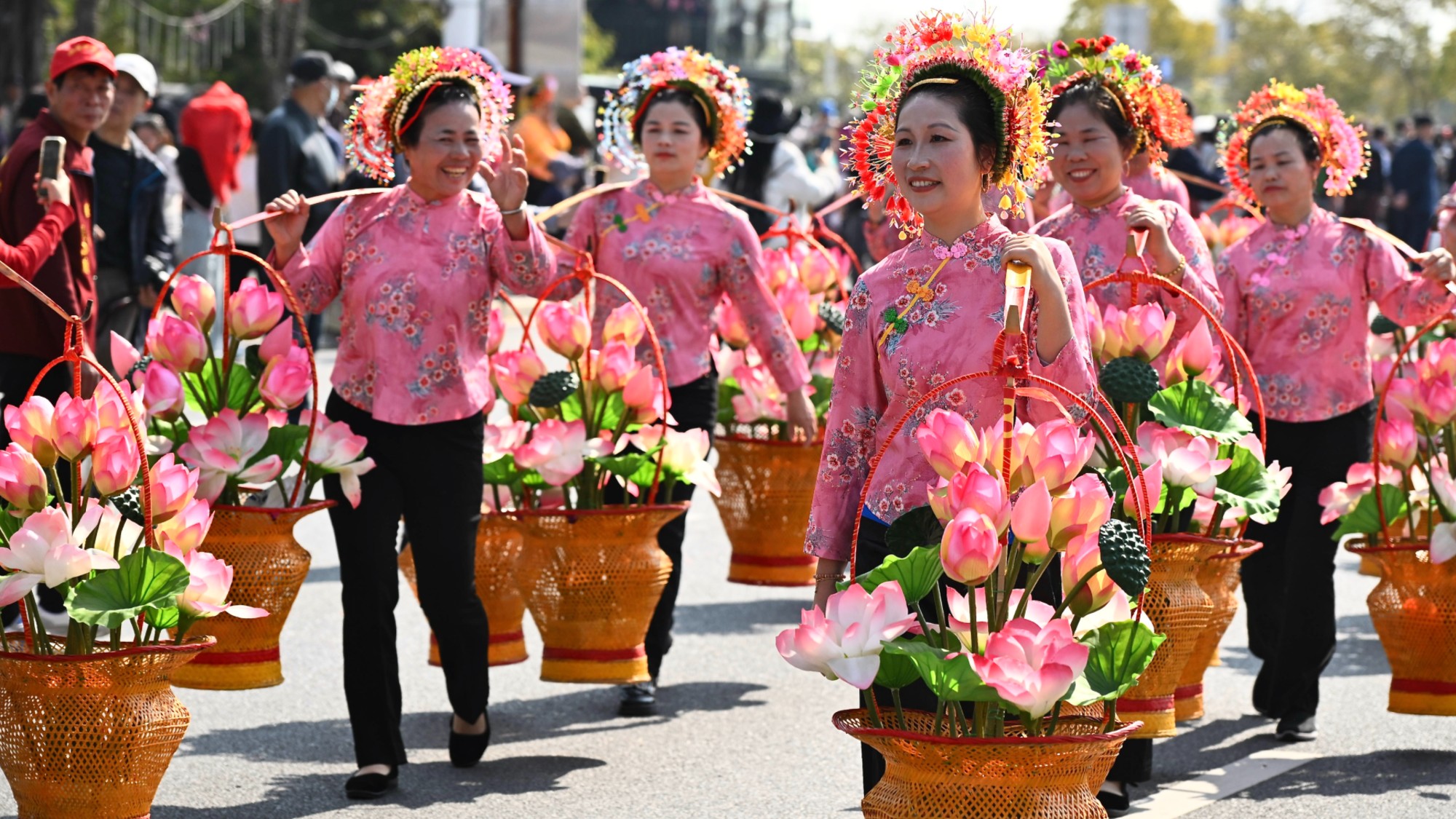
    Out in bloom

    Women take part in the Mazu Heavenly Fragrance parade in a thousand-year-old fishing village in southeast China. Locals in Xunpu wear traditional floral headdresses and carry baskets of flowers, regarded as a blessing for health and prosperity, during the annual folk event. 

    Zhang Bin / China News Service / VCG / Getty Images


    Puzzles

    Guess the number

    Try The Week’s daily number challenge in our puzzles and quizzes section

    Play here


    THE WEEK RECOMMENDS

    The best Agatha Christie screen adaptations of all time

    Settling down with a good Agatha Christie adaptation “always feels rather delicious”, said Vicky Jessop in The Standard. “The 1920s costumes! The murder! The twistiest of plot twists!” After “Seven Dials” was recently given the Netflix treatment, here are some of the other screen adaptations based on the Queen of Crime’s collection.

    Murder on the Orient Express, 1974
    Sidney Lumet’s film stars Albert Finney as Hercule Poirot, in what is “easily the best adaptation of probably the most famous Christie book”, said Ben Dowell in The Times. The “fastidious sleuth” is investigating the murder of an American tycoon on board a luxury train stranded in a snowdrift in Yugoslavia. Released 14 months before Christie’s death, the “masterpiece” received her seal of approval. “But she reportedly had reservations about what she regarded as Finney’s unimpressively small moustache.”

    Miss Marple, 1984-1992
    The small screen has been home to many a Miss Marple over the years, but “most Christie fans agree” that Joan Hickson’s take on the “underestimated old lady of crime” is the winner, said Harper’s Bazaar. Hickson brings a “cunning, quiet confidence” to the beloved sleuth, steering this “brilliant series” which ran for eight years, adapting all 12 books in the original “Miss Marple” series. It’s a must-watch.

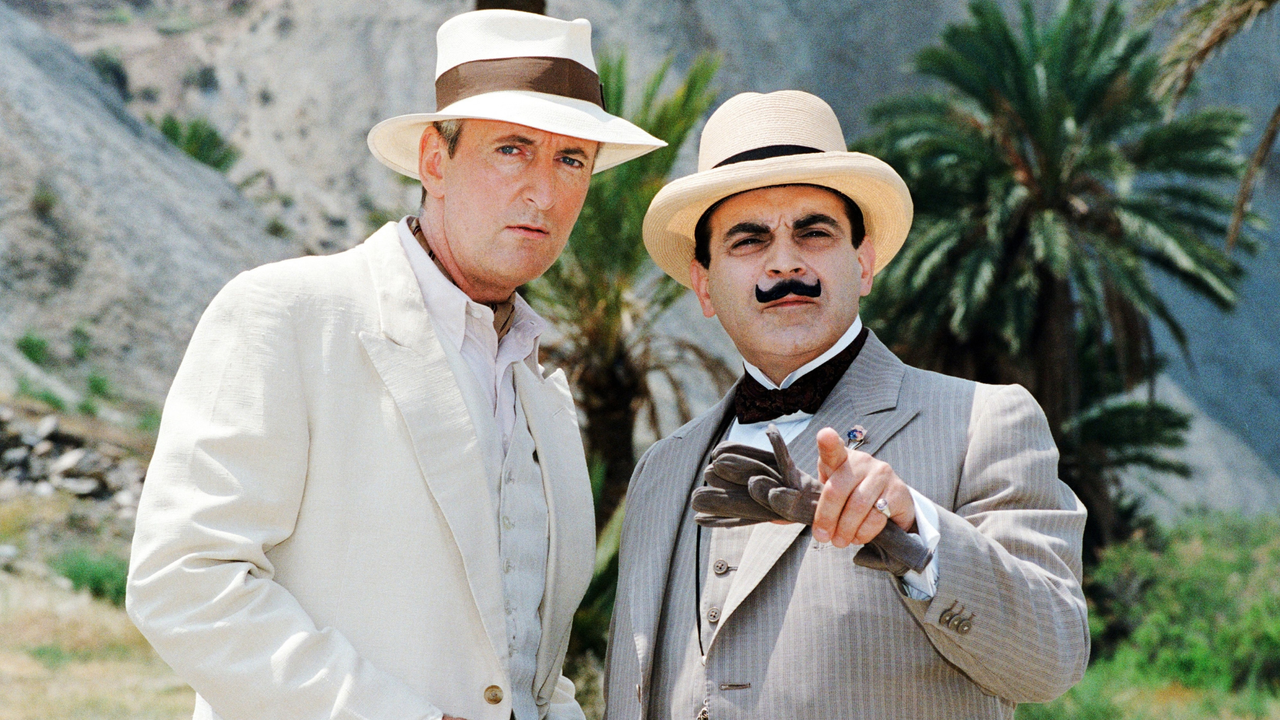
    Poirot, 1989-2013
    “To many, David Suchet’s Poirot is the only Poirot,” said Michael Hogan in Radio Times. The series (pictured above), which ran for 25 years on ITV, saw the super-sleuth solve 70 “puzzling murders” in a variety of art deco locations. “Respectful” to Christie’s books, these “classic whodunnits” are a small-screen staple and a satisfying binge.


    Statistic of the day

    20 years: The fashion cycle of hemline lengths. An analysis of 37,000 images of women’s clothing dating back to 1869 showed that trends such as skirt lengths tend to resurface every two decades, according to researchers from Illinois’ Northwestern University.


    instant opinion

    Today’s best commentary

    Juries want fairness in court and don’t just obey the government. That’s why ministers are attacking them
    Michael Mansfield in The Guardian
    The English criminal jury system is “the envy of the world”, writes barrister Michael Mansfield. It’s a “core democratic mainstay” and “vital bulwark” against “arbitrary governance”, yet the number of jury trials is to be halved. The official “justification is the shocking criminal court backlog of more than 80,000 cases”, but jurors “return verdicts that are inconvenient and challenge government”. A “sacred principle is being sacrificed and scapegoated to falsely explain systemic failure”.

    After a deadly outbreak of meningitis B, who wouldn’t vaccinate their kids?
    Victoria Richards in The Independent
    “I’m not the only parent” panicking about the meningitis B outbreak, writes Victoria Richards, but I’m “relieved” my teenage daughter is getting her booster jabs. They won’t include one for the B strain, “but we’ll take what we can get”. Yet “misplaced fears fed by misinformation” mean many children won’t get any vaccinations at all. I urge you to “take your kids’ health seriously. Vaccinate them. Their lives might quite literally depend on it.”

    Pilgrimage can change your life – even if you don’t believe in God
    Catherine Pepinster in The Telegraph
    Walking a pilgrim path “is one of the most profound ways of deepening faith”, writes Catherine Pepinster. But even non-believers find it “offers that precious thing that modern life” crowds out: “time to think”. As you put “one foot in front of the other”, your “life becomes quieter, with a stillness at its centre”. And, at each day’s end, you talk and take meals with “people you might otherwise never have met”, which “can be terrific fun”.


    word of the day

    Xi-cc-plus

    A new particle discovered by Cern’s Large Hadron Collider, by accelerating protons to more than 99% of the speed of light and then slamming them together. Xi-cc-plus “appears to be an exotic cousin to the protons and neutrons that make up atoms”, said Scientific American, and is four times heavier than the “more common and stable proton”. 


    Evening Review was written and edited by Hollie Clemence, Jamie Timson, Rebecca Messina, Harriet Marsden, Chas Newkey-Burden, Irenie Forshaw, Helen Brown, Adrienne Wyper and Kari Wilkin, with illustrations from Stephen Kelly and Julia Wytrazek.

    Image credits, from top: illustration by Stephen Kelly / Getty Images; Illustration by Julia Wytrazek / Getty Images; Alexi Rosenfeld / Getty Images; Zhang Bin / China News Service / VCG / Getty Images; Mirrorpix / Getty Images

    Morning Report and Evening Review were named Newsletter of the Year at the Publisher Newsletter Awards 2025
     

    Recent editions

    • Evening Review

      Poland’s economy booms

    • Morning Report

      RFK Jr.’s vaccine crusade thwarted in court

    • Evening Review

      The GOP swerve on mass deportations

    VIEW ALL
    TheWeek
    • About Us
    • Contact Future's experts
    • Terms and Conditions
    • Privacy Policy
    • Cookie Policy
    • Advertise With Us
    • FAQ
    Add as a preferred source on Google Add as a preferred source on Google

    The Week is part of Future US Inc, an international media group and leading digital publisher. Visit our corporate site.

    © Future US, Inc. Full 7th Floor, 130 West 42nd Street, New York, NY 10036.