When José Antonio Kast was elected as Chile’s next president in late 2025, it was “one more alarming case of a worldwide trend toward nativist authoritarianism,” said the Chilean American author Ariel Dorfman at The New York Times. It was also a sign of the “rehabilitation” of former dictator Augusto Pinochet, one of the continent’s “most infamous autocrats.” As a vocal supporter of the notoriously brutal Chilean strongman, Kast was elected in part for his hard-right bona fides, only to take office in a very different world than the one in which he campaigned.
‘Celebration of a movement’
Kast “built his career” in government by “railing against liberal values from the fringes of Chilean politics,” said NPR. But during this recent election, he “avoided all mention of the hard-line moral agenda” that has been “synonymous” with his decades-long career in public office.
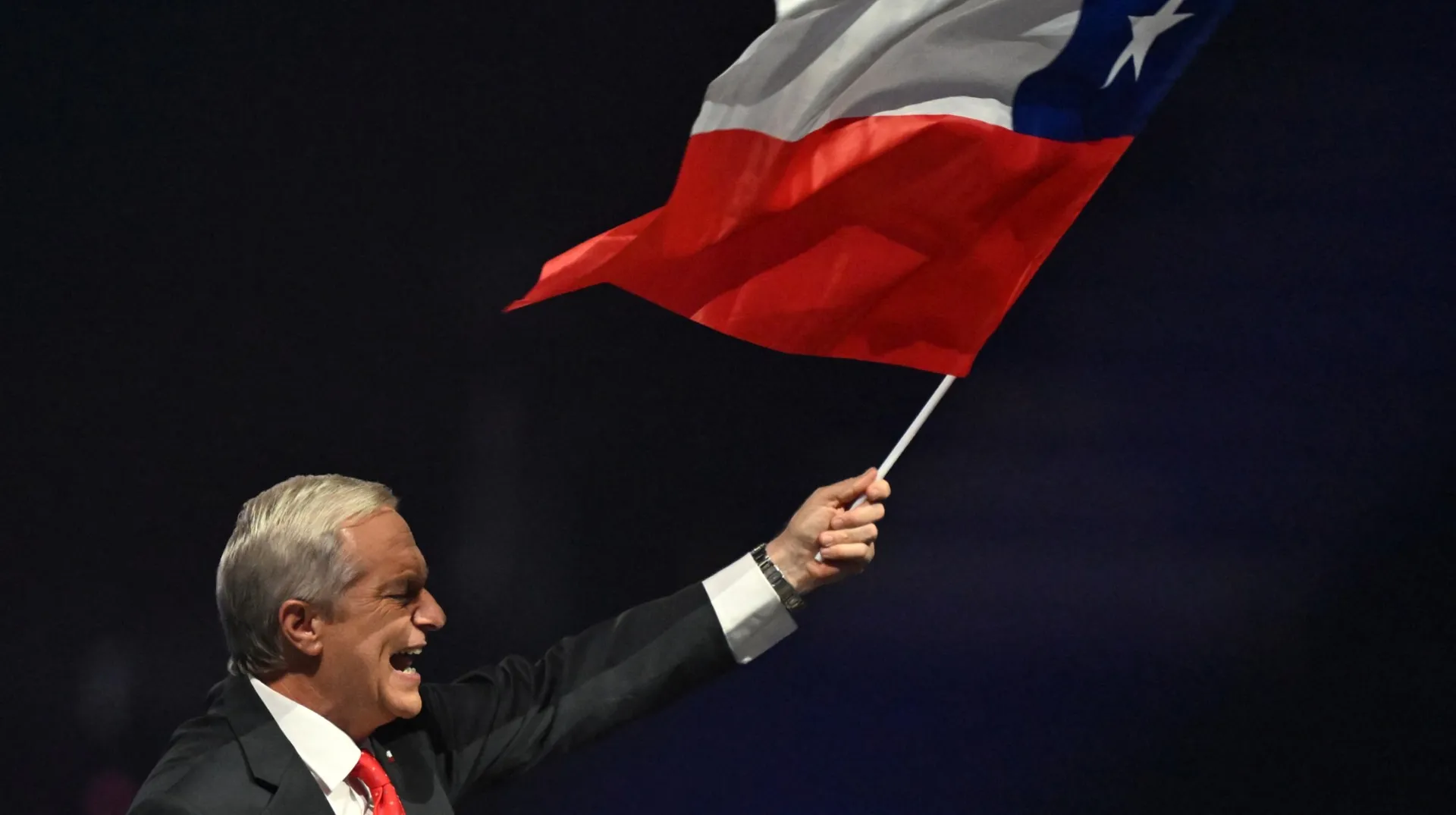
With Kast’s victory, the global right-wing excitement transformed the “routine transfer of power” at last week’s inauguration into a “celebration of a movement that’s gaining momentum across the hemisphere,” said The New York Times. For his supporters, Kast’s electoral victory and now presidency come as part of his promise to take a “harder line” on migration, crime and poverty — issues Chileans claim have “eroded the country’s sense of order,” said Zeteo. Critics counter that Kast’s “strongman rhetoric, Trump-style political playbook, and backing from hard-right coalitions” revives acute “fears of authoritarianism.”
‘Increasingly challenging’ geopolitical landscape
Kast now assumes the Chilean presidency, a position whose relationship with the U.S. had “deteriorated significantly under the second Trump administration,” said the AP. Kast’s predecessor had been a “vocal critic” of Trump, at one point labeling Trump’s leadership as that of a “new emperor.”
Although Kast seems interested in renewed rapprochement with the U.S., he enters office in an “increasingly challenging international geopolitical landscape,” including “economic risks from the Iran war, the U.S.’s security strategy in the region, and China’s influence in Latin America,” said Guillermo Holzmann, a political analyst from the University of Valparaíso, to Reuters. Chinese sway, in particular, poses an acute risk to Chile, the “world’s largest copper producer,” given that China is the “biggest purchaser of the metal.” |