The Week The Week
flag of US
US
flag of UK
UK
https://cdn.mos.cms.futurecdn.net/flexiimages/jacafc5zvs1692883516.jpg

SUBSCRIBE & SAVE

Less than $3 per week

Sign in
  • View Profile
  • Sign out
  • The Explainer
  • The Week Recommends
  • Newsletters
  • Cartoons
  • From the Magazine
  • The Week Junior
  • Student Offers
  • More
    • Politics
    • World News
    • Business
    • Health
    • Science
    • Food & Drink
    • Travel
    • Culture
    • History
    • Personal Finance
    • Puzzles
    • Photos
    • The Blend
    • All Categories
  • Newsletter sign up Newsletter
  • The Week Evening Review
    AI warfare, the Miliband rebound, and energy prices

     
    TODAY’S BIG QUESTION

    Does Iran war mark the start of a new era of AI warfare?

    The Iran conflict has triggered the US deployment of a new generation of artificial intelligence tools that are reshaping how military operations are executed – with huge ramifications for the future of warfare.

    As an “inflection point” in demonstrating how “modern technology could work with existing military systems”, said The New York Times, the AI-fuelled conflict is likely to “speed the adoption” of powerful hybrid technologies within the coming decade.

    What did the commentators say?
    The Pentagon is using “advanced AI tools” to “sift through vast amounts of data in seconds” and make “smarter decisions faster than the enemy can react”, Admiral Brad Cooper, the chief of US Central Command, said in a video on social media.

    Battlefield AI programs from software company Palantir can “identify and prioritise targets, recommend weaponry” and account for “stockpiles and previous performance against similar targets”, said The Guardian. Palantir’s Maven Smart System is integrated with Anthropic’s AI platform Claude, which has been used for “countering terror plots” but never before in “major war operations”, said The Washington Post. Over the past year, the government has allowed the Maven/Claude system to “mature into a tool that is in daily use across most parts of the military”.

    Ours is now officially an “age of AI warfare”, the Center for a New American Security think tank’s Paul Scharre told CNN. Given the sheer volume and volatility of battlefield data needing to be assessed in modern conflicts, “AI is incredibly valuable”.

    What next?
    We are in the “early stages” of what AI is “going to do to transform warfare over the next several decades”, said Scharre. Over time, the information gathering and processing abilities of AI tools will significantly increase the “cognitive speed and scale” at which armies can operate.

    But as AI use expands across the military, so has a commensurate effort to “focus on the protections that should govern its use”, said NBC News. Although none of the US lawmakers contacted by the outlet said that AI should be “completely removed from military use”, many reportedly expressed a sense that “more oversight is needed”.


    TALKING POINT

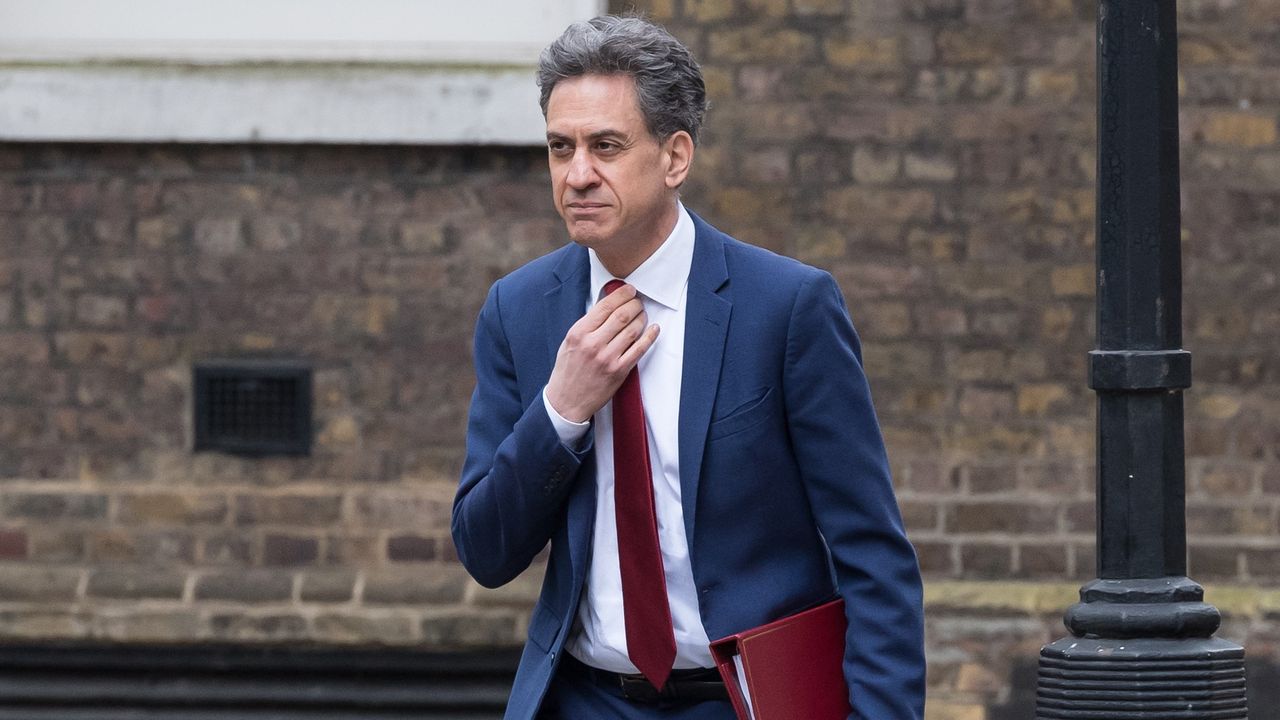
    Ed Miliband: the most powerful man in politics?

    “Keir Starmer is no longer really in charge of this government,” said Michael Gove in The Spectator. Instead, the strings are increasingly being pulled by his energy secretary. Ed Miliband might have “messed it up” as Labour leader a decade ago, said Will Lloyd in The New Statesman, but he now has “real power and popularity” within the cabinet, the unions and the wider party membership.

    ‘Ventriloquist’s dummy’
    Miliband’s “beliefs have deepened, not changed” over time, said Lloyd, and they have “influenced his colleagues, too, perhaps without them realising”. If Andy Burnham or Angela Rayner were to become Labour leader, they wouldn’t “deviate from the script Miliband has written”.

    I have news for anyone who fears such a development, said Gove in The Spectator: this is already Miliband’s administration. Starmer’s foreign policy, economic policy, “political positioning” and “very quest for meaning” are “All. Ed. Miliband.” He has his hand up Starmer’s back “where a spine should be, controlling the ventriloquist’s dummy”.

    Starmer “dare not even ask” Miliband about his role in “deciding whether to exploit new oil and gas fields in the North Sea”, said Tom Harris in The Telegraph. Doesn’t he know his job is to lead the government, not to wait for Miliband to tell him what to do?

    ‘Soft left’
    Miliband’s tenure as Labour leader “entrenched” the party’s “worst habits of self-loathing and internal schism”, lost them a general election and “set the stage for even worse”, said Sarah Ditum in The i Paper. Yet in appointing him to the cabinet, Starmer has “treated Miliband as an elder statesman, rather than the clown prince of the soft left”. Handing the energy brief “to a man whose history as leader is a catalogue of incompetence” may well ensure a “catastrophic swing back to fossil fuels under a Reform government”.

    The departures of New Labourites Peter Mandelson and Morgan McSweeney have put Miliband’s soft left on the ascendent, said Daniel Finkelstein in The Times. Starmer is “still quite likely to fall”, and any subsequent leadership battle “can only be held or won from the Ed Miliband position”. Miliband will be Labour’s “most important political force, whatever his formal job”.


    QUOTE OF THE DAY

    “I’d had, the other month, just about my fill of tedious, ‘who’s up, who’s down’, that kind of ‘politics is a parlour game’ crap.”

    Wes Streeting says he would not welcome a challenge to Keir Starmer’s leadership after the May elections, despite recent speculation that he was angling for the top job. Voters should “give the guy a chance”, the health secretary told The Guardian’s “Politics Weekly” podcast.


    Poll watch

    Most Americans (59%) think the US military intervention in Iran has gone too far, according to an AP-NORC poll of 1,110 adults. Two-thirds (67%) said that preventing further spikes in oil and gas prices was “extremely important”, while only 33% said the same about installing a pro-US regime in Iran.


    THE EXPLAINER

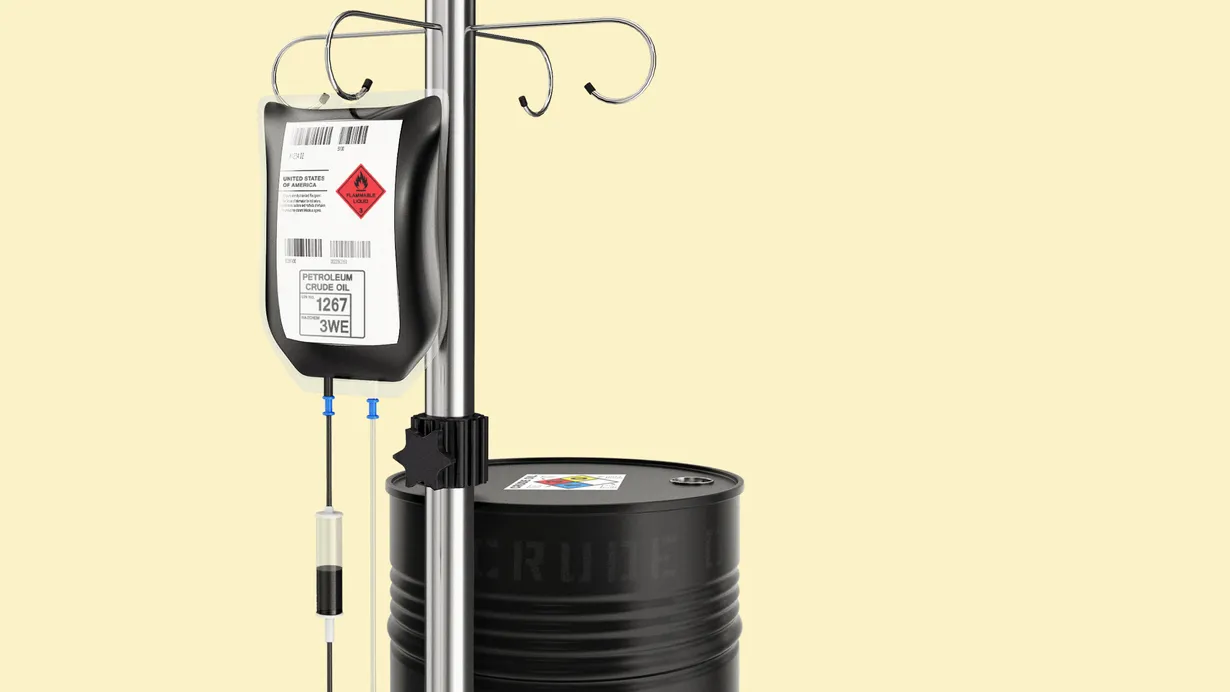
    The outlook for UK energy prices in 2026

    Household energy bills are about to fall but the respite is likely to be temporary. Wholesale energy prices are starting to “shoot up again”, said MoneySavingExpert, as the effects of the Iran conflict are felt worldwide.

    How will energy bills change in 2026?
    Ofgem’s energy price cap will drop by 7% in April, reducing typical gas and electricity bills for households on a standard variable tariff from £1,758 to £1,641 a year. That yearly saving of around £117 will relieve some of the pressure on cash-strapped consumers, but it is “probably going to be short-lived”, said MoneyWeek.

    The price cap is calculated every quarter by Ofgem based on a range of factors including wholesale and network costs. Next month’s price cap reduction “reflects the relatively low wholesale prices” between last December and February, said Forbes. Oil and gas prices have since “increased dramatically”, as a result of the Iran war, which has drastically curtailed oil and gas shipments through the Strait of Hormuz. Forecasts from energy consultancy Cornwall Insight suggest the price cap could increase by £322 in July to £1,963.

    What support is available?
    Chancellor Rachel Reeves has said the government will offer “targeted rather than universal support”, said The Independent. Consumers in receipt of pension credit or other benefits may already qualify for the Warm Home Discount, worth £150, or the Winter Fuel Payment, worth up to £300.

    Energy suppliers may offer payment holidays or hardship grants, such as Octopus Energy’s Octo Assist and funding from the British Gas Energy Trust. Help may also be available from charities such as Citizens Advice “if you’re struggling to pay for energy or think you may get into difficulty”, said Ofgem.


    Good day 🪄

    … for Harry Potter fans, who got their first glimpse of the forthcoming HBO TV adaptation of the J.K. Rowling novels, starring 11-year-old Scottish actor Dominic McLaughlin as the titular boy wizard. The two-minute teaser trailer has racked up more than five million views in less than 24 hours after dropping on YouTube.


    Bad day 📖

    … for pretensions to refinement, as Britain’s “elite” are revealed to be the tranche of society least likely to read for pleasure. According to The Telegraph’s Great British Class Survey of 13,000 people, only 32% of those with the “highest incomes and levels of cultural engagement” count reading as a hobby, while the “quietly comfortable” were almost twice as likely to settle down with a book.


    PICTURE OF THE DAY

    Shining on

    Fans hold up lit phones at a Paris concert in memory of rapper Werenoi, who died of a heart attack last year at the age of 31. Werenoi – real name Jérémy Bana Owona – was considered one of the most influential French artists of his generation.

    Julien de Rosa / AFP / Getty Images


    Puzzles

    Guess the number

    Try The Week’s daily number challenge in our puzzles and quizzes section

    Play here


    THE WEEK RECOMMENDS

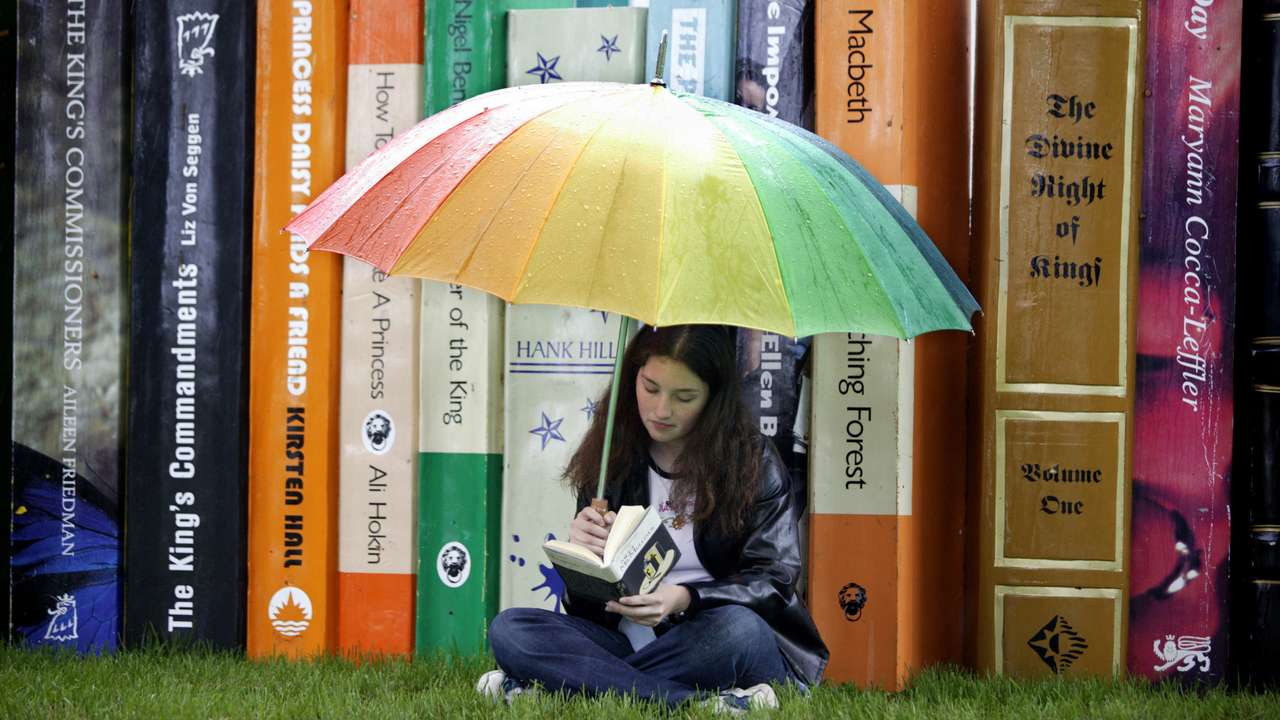
    The UK’s best literary festivals of 2026

    Reading is often a cherished solo activity but attending a literary festival can be a great way to connect with other bookworms, meet your favourite authors and discover new books. 

    Cambridge Literary Festival
    This five-day festival includes an eclectic mix of talks. Among the highlights this year are Frances Wilson on the enigma of Muriel Spark; Alan Hollinghurst on the books that have inspired his work; and Zadie Smith discussing her exhilarating new essay collection. On the final day, The Observer is hosting an event showcasing “rising stars” of fiction.

    Bath Literature Festival
    This year promises another stand-out line-up of speakers in the historic city of Bath. Listen out for talks by former Facebook executive Sarah Wynn-Williams on her tell-all memoir, and bestselling novelist Anthony Horowitz chatting about his latest gripping thriller. The festival is also hosting a series of guided walking tours, including, of course, a Jane Austen-themed trail.

    Hay Festival
    This year’s star-studded line-up features Gisèle Pelicot, Nazanin Zaghari-Ratcliffe and Emma Thompson, among others. The programme is bursting with talks and insights from the likes of Ali Smith, Bernardine Evaristo and Val McDermid, and Emerald Fennell will be discussing her cinematic take on “Wuthering Heights”.

    Bradford Literature Festival 
    Bradford was named last year’s UK City of Culture thanks in part to this stand-out literary festival. While the 2026 programme is yet to be announced, the festival hosted more than 700 events in 2025, with talks from big names including Lemn Sissay, Grace Dent, Ash Sarkar and Celia Imrie.


    Statistic of the day

    70,168: The average number of under-18s prescribed anti-depressants each year in England since 2020, according to a BBC analysis of NHS data. The health service has been fielding more than 100,000 child mental health referrals per month, on average, since 2022 – more than double the rate in 2017.


    instant opinion

    Today’s best commentary

    Donald Trump is deluded, but so are we
    Alys Denby in City A.M.
    Even if they “bear only a tenuous connection to reality”, Donald Trump’s words “can move markets”, writes Alys Denby. British governments have long been operating in a “no less deceptive way”, particularly with claims about our public finances: “the architecture of forecasts, audits and fiscal rules enables Chancellors to show that their spreadsheets add up”, even when spending is “completely unsustainable”. We won’t overcome the economic challenges facing us “until we snap out of our delusion”.

    Call for Andrew to give evidence must not be ignored – no one is beyond scrutiny
    The Mirror’s editorial board
    “The pressure on Andrew Mountbatten-Windsor is intensifying,” says The Mirror. “One of the most powerful voices in US politics”, Jamie Raskin, has called for him to testify about his links to Jeffrey Epstein before the House Judiciary Committee. Raskin, the committee’s top democrat, “is right” that “it should be seen as a ‘service’” to “survivors who have waited long enough for answers”. The disgraced royal “has always denied wrongdoing. But denial is not accountability.”

    Kids don’t belong in pubs
    Cathy Adams in The Times
    Once, “the pub was the ultimate adult sanctuary – a place of sweat, smoke and sauvignon blanc”, writes Cathy Adams. Now, “the under-tens outnumber the under-18s”. I love my child but “I don’t particularly want my wine to come with a side of whine”. I will “begrudgingly admit I would rather pubs accepted children than went bust”, but, parents, “pick your moment”: take them for a “relaxed Sunday afternoon roast rather than a post-work livener on Friday”.


    word of the day

    Profiteering

    What UK petrol stations aren’t doing, according to an investigation by The Times – despite the government’s claims to the contrary. The analysis of prices on more than 6,000 forecourts found that motorists had been charged an average of 12.1% more for petrol since the Iran conflict began, well below the 18% rise in wholesale prices.


    Evening Review was written and edited by Rebecca Messina, Jamie Timson, Rafi Schwartz, Rebekah Evans, Marc Shoffman, Chas Newkey-Burden, Irenie Forshaw, Helen Brown, David Edwards, Adrienne Wyper and Kari Wilkin, with illustration from Stephen Kelly.

    Image credits, from top: illustration by Stephen Kelly / Shutterstock / Getty Images; Wiktor Szymanowicz / Future Publishing / Getty Images; Oscar Wong / Getty Images; Julien de Rosa / AFP / Getty Images; Andrew Fox / Getty Images

    Morning Report and Evening Review were named Newsletter of the Year at the Publisher Newsletter Awards 2025
     

    Recent editions

    • Evening Review

      The federal debt balloons

    • Morning Report

      Meta loses its first big social media case

    • Evening Review

      Iran war triggers energy crisis

    VIEW ALL
    TheWeek
    • About Us
    • Contact Future's experts
    • Terms and Conditions
    • Privacy Policy
    • Cookie Policy
    • Advertise With Us
    • FAQ
    Add as a preferred source on Google Add as a preferred source on Google

    The Week is part of Future US Inc, an international media group and leading digital publisher. Visit our corporate site.

    © Future US, Inc. Full 7th Floor, 130 West 42nd Street, New York, NY 10036.