The Week The Week
flag of US
US
flag of UK
UK
https://cdn.mos.cms.futurecdn.net/flexiimages/jacafc5zvs1692883516.jpg

SUBSCRIBE & SAVE

Less than $3 per week

Sign in
  • View Profile
  • Sign out
  • The Explainer
  • The Week Recommends
  • Newsletters
  • Cartoons
  • From the Magazine
  • The Week Junior
  • Student Offers
  • More
    • Politics
    • World News
    • Business
    • Health
    • Science
    • Food & Drink
    • Travel
    • Culture
    • History
    • Personal Finance
    • Puzzles
    • Photos
    • The Blend
    • All Categories
  • Newsletter sign up Newsletter
  • The Week Evening Review
    Energy bills, slavery reparations, and Apple at 50

     
    TODAY’S BIG QUESTION

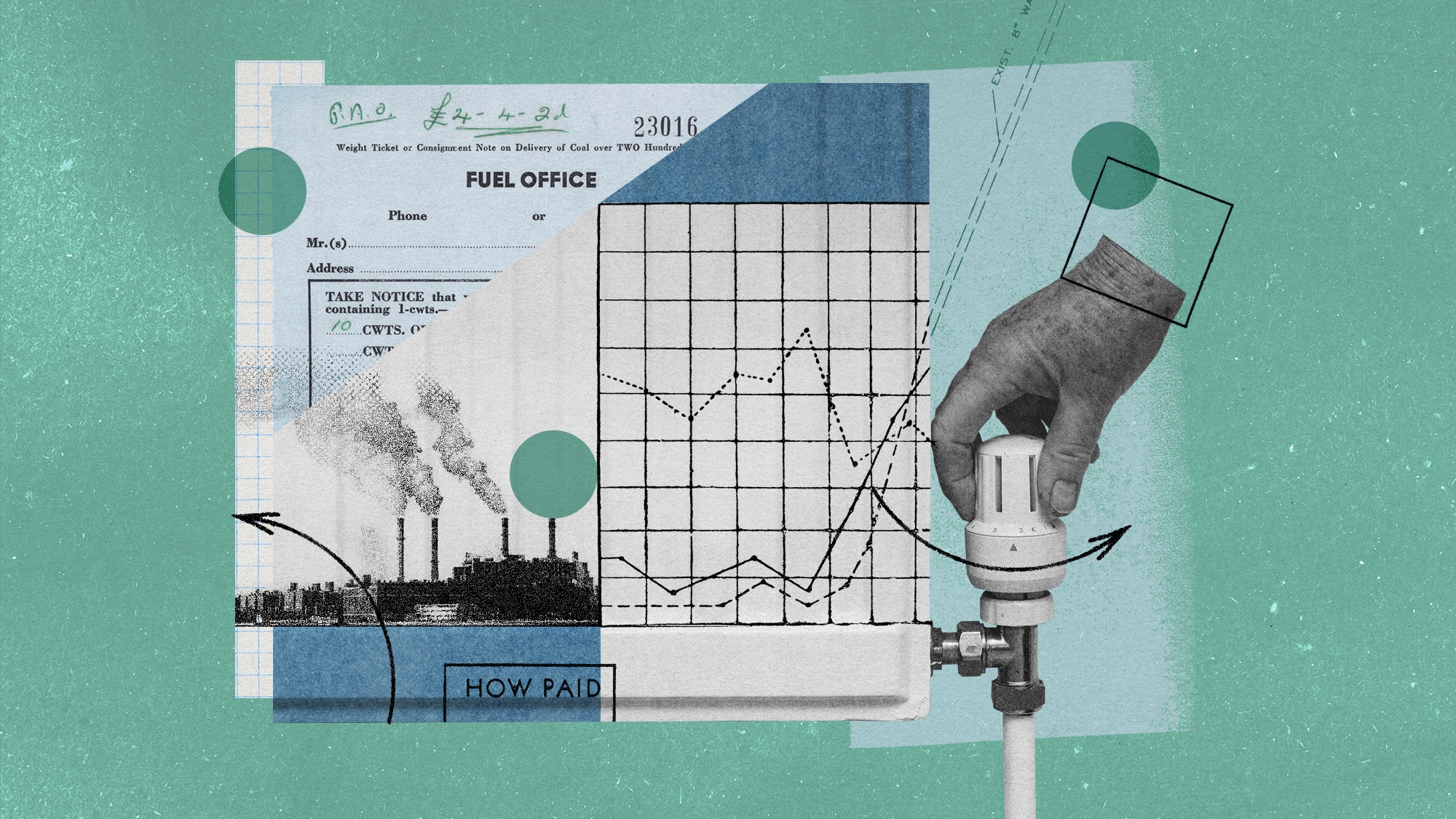
    Should the government help with energy bills?

    Keir Starmer today outlined measures to “bear down on costs” amid mounting calls for action as oil and gas prices soar due to the Middle East conflict. The prime minister pointed to Ofgem’s new energy price cap, which amounts to a 7% decrease in energy bills, as well as increases to minimum wages and a £1 billion-a-year Crisis and Resilience Fund that will help vulnerable households with heating oil prices. But the best way to bring down costs for families is to reopen the Strait of Hormuz, he said. That means “pushing for de-escalation in the Middle East”.

    What did the commentators say?
    The PM “seems to be suffering from a dangerous degree of complacency in the face of the mounting energy crisis”, said The Independent. Other countries are implementing measures to conserve energy and support families, such as free public transport in Australia and fuel duty cuts in Ireland, but Starmer “has merely urged the British people to ‘act as normal’”. The price cap resets at the end of June – and according to forecasts, the next is set to increase by 18%.

    The Conservatives are urging the government to remove VAT from household energy bills for the next three years, while the Green Party is calling for ministers to increase the tax on energy firms’ profits.

    Charities say this month’s increases to council tax, water, broadband and mobile phone tariffs are also “threatening to stretch many households to breaking point”, said the Press Association. Businesses are set for “painful increases in their gas and electricity tariffs” too, as the situation in the Middle East “sends wholesale prices soaring”.

    Rachel Reeves has talked of “targeted” help, said The Times, but with millions of pensions and welfare claimants, “that could be a very big target”. The “ruinous spending of the lockdown era crippled this country’s finances”, which Liz Truss ignored when she proposed a universal cap to blunt the impact of the Ukraine war. Gilts “went into freefall” and Truss “was toast”. Since then, the bond market has “consigned Britain to the naughty step”.

    What next?
    The chancellor has insisted it’s “too early” to say who could get help from the government. But she “hinted help might not come” until autumn, said the BBC.


    THE EXPLAINER

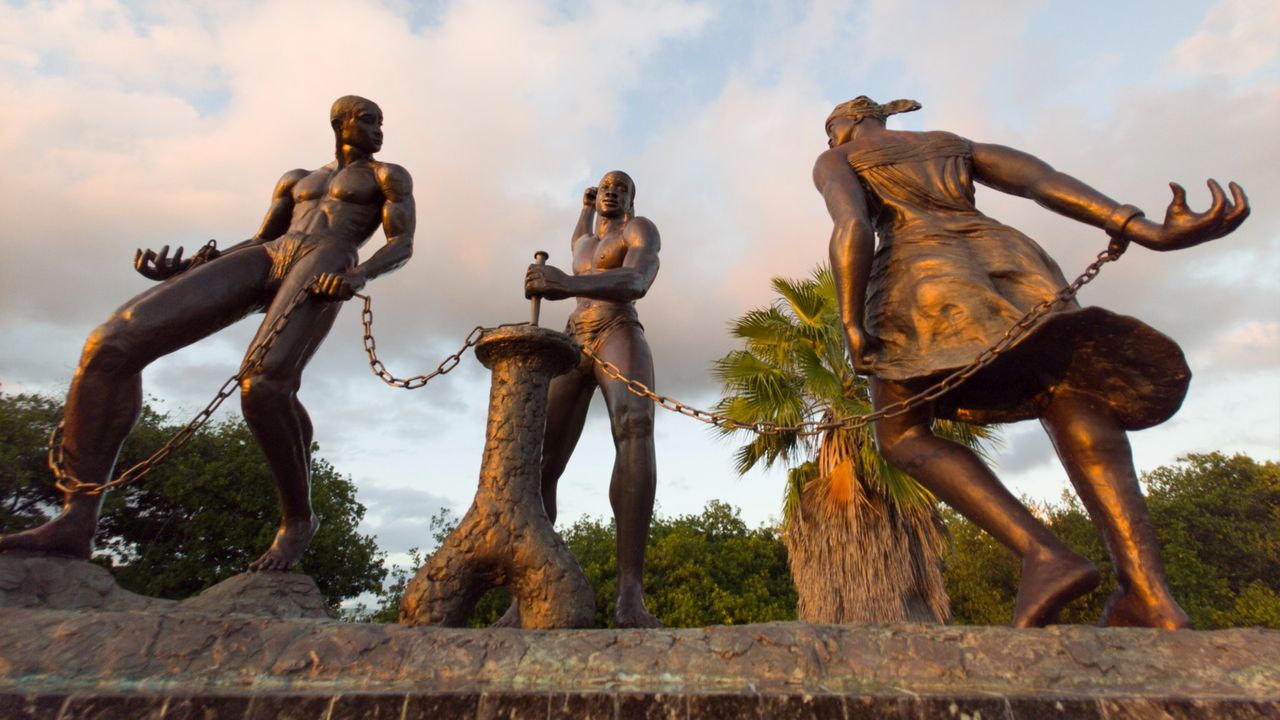
    The UN’s push for slavery reparations

    The UN is calling for reparations for African nations that were subjected to the transatlantic slave trade, after voting to recognise slavery as a crime against humanity. African countries have welcomed the resolution, but other nations including the US have responded with scepticism.

    What did the UN vote for?
    The UN has declared the “trafficking of enslaved Africans and racialised chattel enslavement of Africans” to be the “gravest crime against humanity”. The “scale, duration, systemic nature, brutality and enduring consequences” still “structure the lives of all people through racialised regimes of labour, property and capital”, said the resolution, which was spearheaded by Ghana. An estimated 12.5 million people across the African continent were captured by Europeans during the height of the slave trade. The full scope and amount of the proposed reparations has not been specified, and the resolution, which was “overwhelmingly backed” by 123-3, is “not legally binding”, said the BBC. But “analysts say it sends a powerful message”.

    Why are some countries against it?
    Argentina, Israel and the US were the three countries that voted against the resolution. US officials said the decision was not about race. The White House “strongly objects to the cynical usage of historical wrongs as a leverage point in an attempt to reallocate modern resources to people and nations who are distantly related to the historical victims”, Deputy US Ambassador Dan Negrea said in a speech to the UN.

    The UK and all members of the EU were among the 52 abstentions. The UK recognises the “abhorrent nature of slavery” but “continues to disagree with fundamental propositions of the text”, said James Kariuki, the UK chargé d’affaires to the UN. The UK is against creating a “hierarchy of historical atrocities”, he said in a statement following the vote. And the “principles of intertemporality”, assessing legality based on the law at the time, and “non-retroactivity are long-standing tenets of international law”. 

    Despite such concerns, this was the “furthest the UN has ​gone in recognising transatlantic slavery as a crime against humanity and in calling for reparations”, Justin Hansford, a ⁠law professor at Howard University, told Reuters. “This marks the first vote on ​the floor of the UN” and “I cannot overemphasise how large of a step that is”.


    QUOTE OF THE DAY

    “Donald Trump is a walk in the park compared to Nicolae Ceaușescu.”

    Royal documentary maker Robert Hardman says King Charles should have no problem navigating his upcoming Washington visit. The US president will be far easier company than “some of the tyrants and dictators” Charles has met, Hardman told BBC Radio 4’s “PM”.


    Poll watch

    Viktor Orbán’s ruling Fidesz party is facing defeat in Hungary’s 12 April parliamentary elections, according to a survey of 1,500 voters by 21 Research Center. The centre-right Tisza had the support of 56% of decided voters, while Fidesz was backed by 37%, down from 39% three weeks ago. More than a quarter (26%) were still undecided.


    IN THE SPOTLIGHT

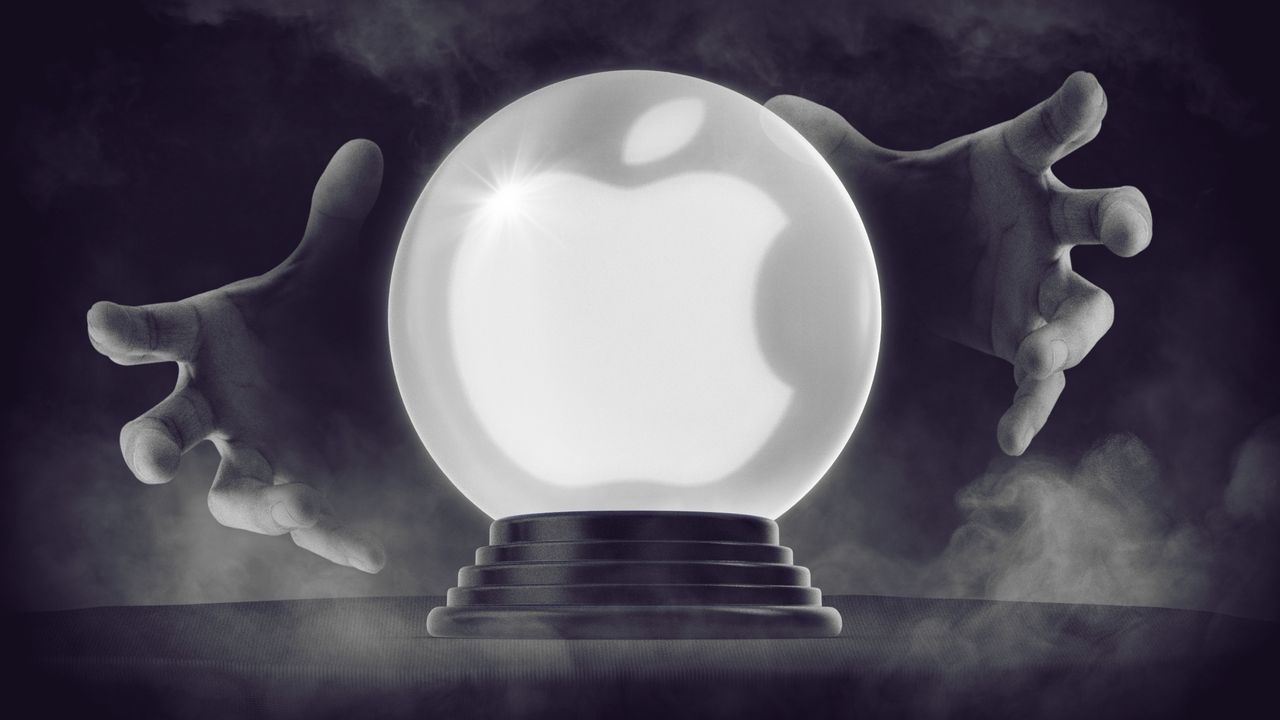
    Apple at 50: where does it go from here?

    “If you look backward in this business, you’ll be crushed,” said Apple co-founder and CEO Steve Jobs in 2008, a year after he changed the world forever with the release of the first iPhone. “You have to look forward.”

    Apple may be “allergic to nostalgia”, said Steven Levy in Wired, but the company is “begrudgingly engaging in a series of concerts and commemorations” to mark its 50th anniversary today, “and we’re being blitzed by books, articles and oral histories” about the tech giant’s origins.

    Tariffs take a bite
    Launched by Jobs from his California garage along with Steve Wozniak in 1976, the company went on to pioneer the personal computer, transform the music market and revolutionise how people use phones and technology in the internet age. Apple is now valued at more than $3.6 trillion (£2.7 trillion), and 27% of the global population – roughly 2.2 billion people – use one or more of its products.

    “No country has been more central to Apple’s rise – or more fraught for its future – than China,” said France 24. After taking over as CEO following Jobs’ death from pancreatic cancer in 2011, Tim Cook made China the primary manufacturing base for Apple devices. It is also one of Apple’s largest consumer markets, but the company “faces mounting pressure” on two fronts: trade tensions and tariffs have “accelerated efforts to diversify manufacturing” to elsewhere in Asia, while “competition from domestic rivals such as Huawei has eaten into Apple’s Chinese market share”.

    ‘Future belongs to AI’
    “The world in which Apple once thrived no longer exists,” said former Financial Times editor Lionel Barber in The New Statesman. A “25-year-long process of hyper-globalisation in which money, technologies and ideas have flowed freely” is “now fading amid economic nationalism driven, in part, by a technological arms race between the US and China, and a global tariff offensive led by Donald Trump”.

    Apple is also facing a threat to its dominance closer to home, in the form of a series of anti-trust cases against the company. And while it may have “absolutely owned” the internet and mobile era, said Wired, “the future belongs to AI” – a category in which Apple seems to have been lacking. Apple’s “obsession with user privacy” has made it hard to perfect an AI system, said France 24, yet this obsession could help position the company as the driver behind personalised AI. Making that profitable is “a goal that has proved elusive for much of the AI industry”.


    Good day ⛅

    … for honouring weathercasters, as the Met Office station at RHS Wisley is renamed the Carol Kirkwood Weather Site. Fans including Keir Starmer, musician Bryan Adams and fellow broadcaster Sue Barker paid tribute to Kirkwood today, during her final appearance on “BBC Breakfast” before retiring after 28 years at the corporation.


    Bad day 🪩

    … for Donald Trump’s ballroom ambitions, after a judge ordered a temporary halt to the latest phase in his White House reconstruction. The National Trust for Historic Preservation filed the lawsuit, which argues that the $400 million ballroom project requires approval from Congress, shortly after the president demolished the historic East Wing.


    PICTURE OF THE DAY

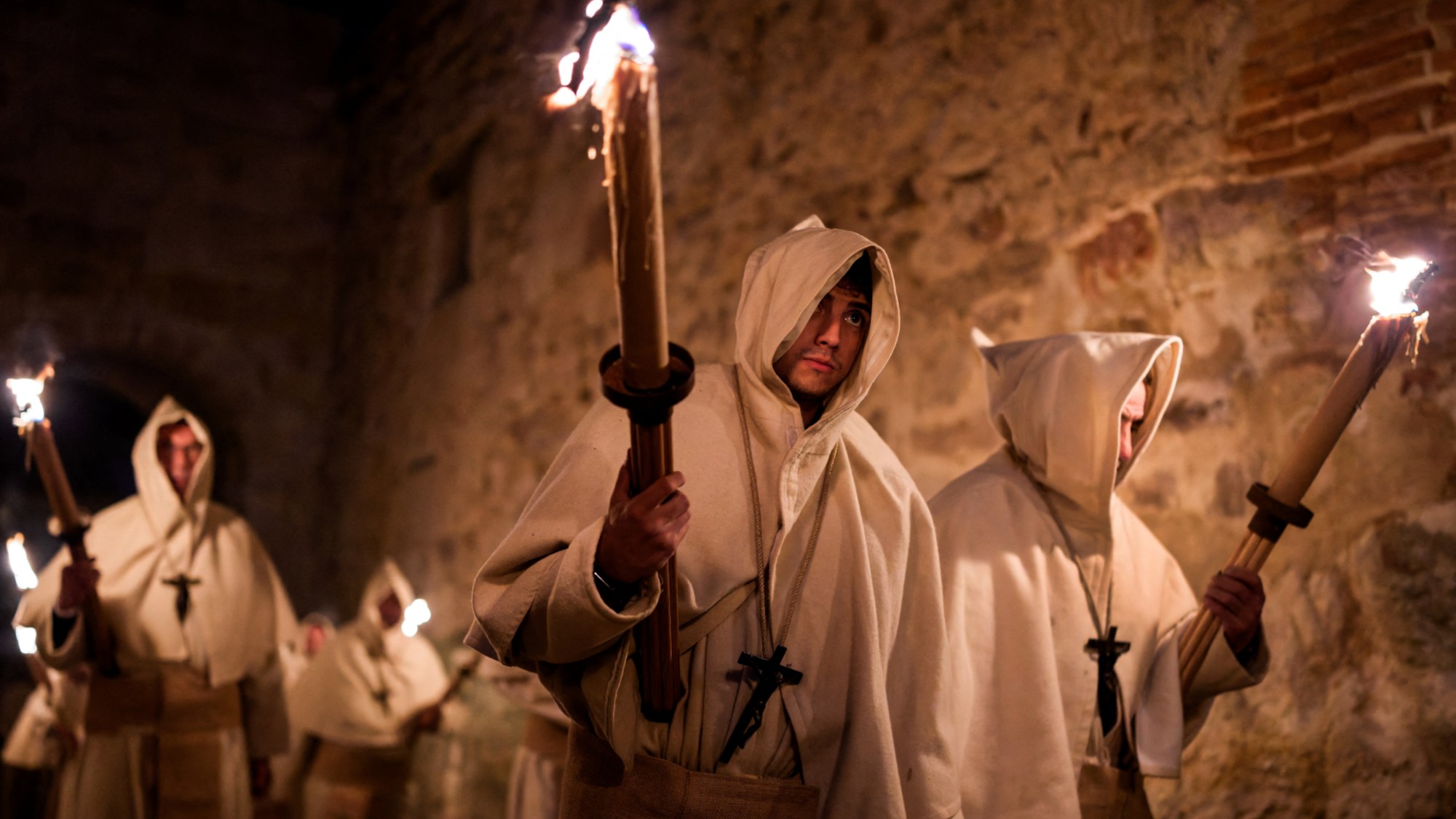
    Holy walk

    Penitents of the Cristo de la Buena Muerte (Christ of the Good Death) brotherhood take part in a Holy Week procession through the Spanish town of Zamora ahead of Easter Sunday.

    Cesar Manso / AFP / Getty Images


    Puzzles

    Guess the number

    Try The Week’s daily number challenge in our puzzles and quizzes section

    Play here


    THE WEEK RECOMMENDS

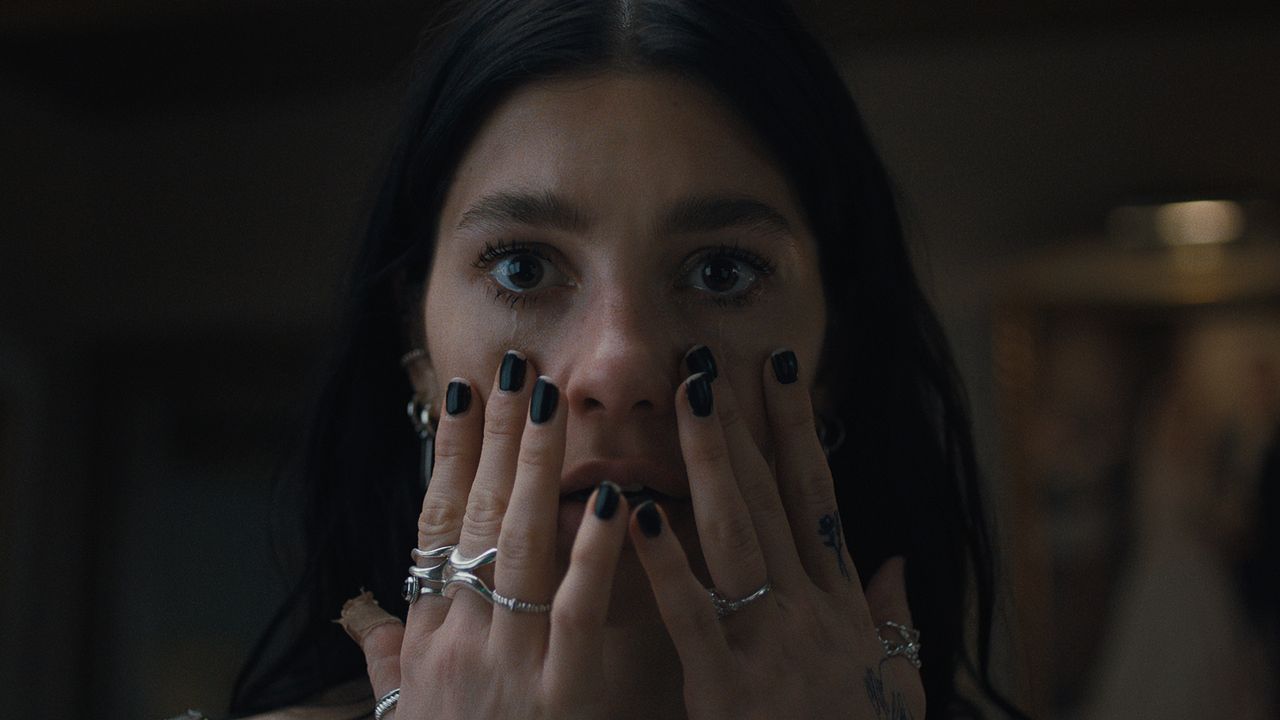
    Netflix’s new ‘terrifying’ wedding horror

    The Duffer brothers take “pre-wedding jitters” and ramp them up to “supernatural extremes” in their new Netflix series “Something Very Bad Is Going to Happen”, said Angie Han in The Hollywood Reporter. The result is a “surprisingly thoughtful, satisfyingly bloody take on the impossibility of absolute romantic certainty”.

    Nervous bride-to-be Rachel (Camila Morrone) and Nicky Cunningham (Adam DiMarco) initially appear to be a happy, “promising match”. The action begins five days before their wedding – an intimate affair set to take place at Nicky’s parents’ holiday cabin in the woods. But Rachel soon senses that “something is not right”. Driving to the venue, “ill omens seem to abound”: the couple overhear “snatches of a disturbing conversation” and pass a car “scribbled with ‘just married’ in paint the colour of blood”.

    “Wait until she gets there,” said Anita Singh in The Telegraph. The “creepy” cabin is decorated with “taxidermied Irish wolfhounds” that Rachel is told never to look in the eye, and each of Nicky’s relatives is “awful, emotionally disturbed, or plain loony”. Disturbing tales of “evil” monsters lurking in the woods don’t help things. “Run, Rachel!”

    It’s a “macabre and unsettling” show filled with plenty of “blood and gore”. But the “real horror”, it transpires, would be “realising that you’ve married the wrong person”. As the “claustrophobia and hysteria build”, Morrone’s stand-out performance “grounds everything in some sort of reality”.

    The show has “fun with the trappings of weddings from hell”, said Rhik Samadder in The Guardian, and excels in its “limbo-like scenes suffused with dread”. Above all, “it gives a chilling new meaning to having cold feet”.


    Statistic of the day

    17,000 mph: The speed at which Nasa’s Artemis II is set to soar into space after launching later today – 22 times the speed of sound. The first crewed mission around the Moon since 1972 will take three Americans and a Canadian as far as 250,000 miles from Earth, beating Apollo 13’s record of 248,655.


    instant opinion

    Today’s best commentary

    Say hello to the UK’s most successful growth industry: organised waste crime
    George Monbiot in The Guardian
    “This country’s a dump,” writes George Monbiot, and I mean that “literally”. The chances of being nabbed while dumping illegal waste are “minimal”, and the penalties are “laughable”. Five decades of “monitoring and enforcement” cuts have turned “organised waste crime” into a “whole new industrial sector”. The government’s new “waste crime action plan” can’t “match the scale of the crisis”. The rubbish “piling up around us” is a “potent symbol” of this country’s “dysfunction and neglect”.

    Beatrice and Eugenie’s exile is brutally unfair – and totally right
    Harry Mount in The i Paper
    “The King has cast his nieces Beatrice and Eugenie out into the cold this Easter,” writes Harry Mount. They won’t be joining him at Sandringham because “they would hog the headlines”, and a “slow drip-drip” of bad press has a “long-term effect on the monarchy”. The two princesses should “retire into a comfortable private life” and accept that “any hope of royal duties are over”. They can still “go to big royal events”, but they’re “now distinctly back-row material”.

    Harry Potter is for infantilised millennials
    Kristina Murkett in The Spectator
    The trailer for the new Harry Potter TV series is a reminder “that you can’t catch lightning in a bottle twice”, writes Kristina Murkett. Watching it is “weirdly unsettling”: it’s like “a shot-for-shot video game remake where they couldn’t get the rights to the original actors’ likenesses”. The show is clearly aimed at “infantilised” millennials “who can’t move on”, instead of “actual children”. But if it isn’t “trying to appeal to a new audience, then what really is the point”?


    word of the day

    Grind

    “Coffee lovers can be particular about their beans,” said The Times, but it seems preparation may be just as important as origin. Rate of water flow and grind size are the key factors for flavour, according to a study in the journal Royal Society Open Science. So “a basic supermarket blend can taste delicious if the grind is right and the flow is well controlled”, said the newspaper. 


    Evening Review was written and edited by Hollie Clemence, Jamie Timson, Harriet Marsden, Justin Klawans, Chas Newkey-Burden, Irenie Forshaw, Adrienne Wyper, Helen Brown and Kari Wilkin, with illustrations from Julia Wytrazek and Stephen Kelly.

    Image credits, from top: illustration by Julia Wytrazek / Getty Images; BSR Agency / Getty Images; illustration by Stephen Kelly / Getty Images / Shutterstock; Cesar Manso / AFP / Getty Images; Netflix

    Morning Report and Evening Review were named Newsletter of the Year at the Publisher Newsletter Awards 2025
     

    Recent editions

    • Evening Review

      Iran war pokes the AI bubble

    • Morning Report

      Trump’s risky new Iran threats

    • Evening Review

      Iran’s Hormuz ‘tollbooth’

    VIEW ALL
    TheWeek
    • About Us
    • Contact Future's experts
    • Terms and Conditions
    • Privacy Policy
    • Cookie Policy
    • Advertise With Us
    • FAQ
    Add as a preferred source on Google Add as a preferred source on Google

    The Week is part of Future US Inc, an international media group and leading digital publisher. Visit our corporate site.

    © Future US, Inc. Full 7th Floor, 130 West 42nd Street, New York, NY 10036.