The Week The Week
flag of US
US
flag of UK
UK
https://cdn.mos.cms.futurecdn.net/flexiimages/jacafc5zvs1692883516.jpg

SUBSCRIBE & SAVE

Less than $3 per week

Sign in
  • View Profile
  • Sign out
  • The Explainer
  • The Week Recommends
  • Newsletters
  • Cartoons
  • From the Magazine
  • The Week Junior
  • Student Offers
  • More
    • Politics
    • World News
    • Business
    • Health
    • Science
    • Food & Drink
    • Travel
    • Culture
    • History
    • Personal Finance
    • Puzzles
    • Photos
    • The Blend
    • All Categories
  • Newsletter sign up Newsletter
  • The Week Evening Review
    The Falkland Islands, a River Wye lawsuit, and Italy’s ‘forest family’

     
    TODAY’S BIG QUESTION

    Why is Donald Trump threatening the Falklands?

    The Trump administration’s threat to review its position on Britain’s claim to the Falkland Islands could have a significant impact on the future of the territory, according to analysts.

    A leaked internal Pentagon memo published last week by Reuters suggested that, as punishment for not supporting Donald Trump’s war against Iran, the US might reassess diplomatic support for longstanding European “imperial possessions”, such as the ⁠Falklands, which have been administered by Britain since 1833 but are still claimed by Argentina.

    Argentina’s President Javier Milei is “upbeat about the prospects”, said Reuters, after the Trump ally told a radio show that “we are doing everything humanly possible to bring the Falkland Islands back into Argentine hands”. His vice president, Victoria Villarruel, yesterday ramped up tensions by calling for Falklanders to go back to England.

    What did the commentators say?
    Trump “has repeatedly demonstrated his desire to use transactional diplomacy to pressure both allies and adversaries”, said the BBC. The Falklands are a “pressure point for the UK but irrelevant to the US”, making them a perfect target for this kind of “leverage”.

    Given the state of Britain’s Armed Forces, said The i Paper, the UK would “struggle to defend” the islands if the US withdrew its support for British sovereignty. Although the loss of American backing would “make it easier for Argentina to press its claim more assertively”, an invasion remains unlikely, international relations expert Dr Johanna Amaya-Panche told the outlet. “Argentina is not capable of retaking the islands militarily.” But the Milei government “may adopt a more assertive diplomatic or legal strategy, seeking to internationalise the dispute and mobilise external support”.

    Downing Street has insisted that the Falklands’ status will remain unchanged. “Sovereignty rests with the UK and the islanders’ right to self-determination is paramount,” said the PM’s spokesperson. This “robustness is a welcome surprise”, said The Telegraph.

    What next?
    We are not facing “a repeat” of the 1982 war with Argentina, said former defence secretary Penny Mordaunt in the Daily Express. But this is a “reminder that the world can change fast” and that “we owe it to all Brits, whether they reside in the UK or in her territories, that we are capable of defending them and their interests”.


    THE EXPLAINER

    The UK’s biggest pollution lawsuit

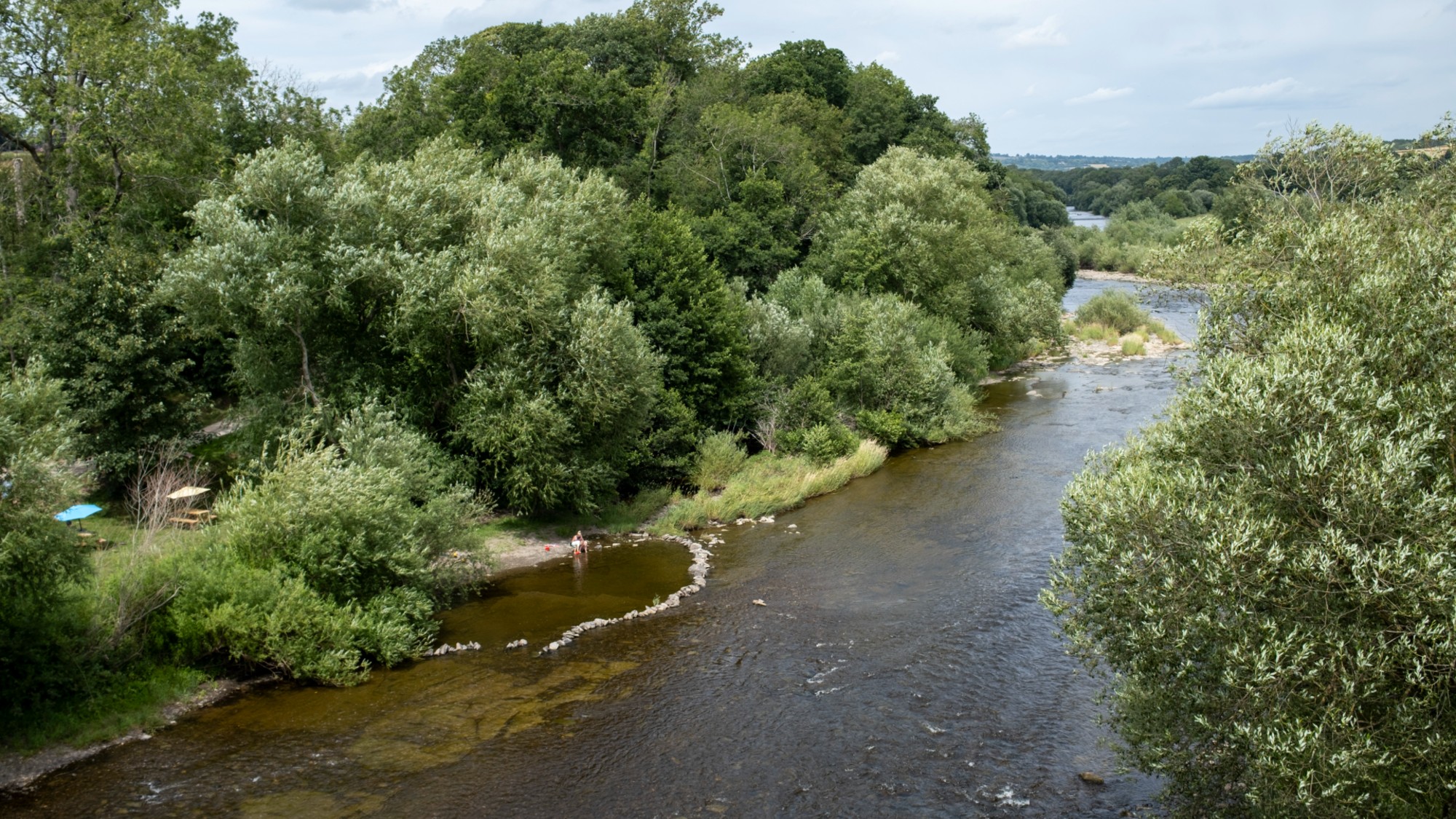
    The River Wye is at the centre of what lawyers are billing as the biggest environmental pollution case brought in the UK. More than 4,500 local people are taking part in the lawsuit against Welsh Water and Avara Foods, one of the country’s largest chicken producers. The companies appeared in the High Court yesterday, accused of polluting the Welsh river. Both deny responsibility.

    What has happened to the River Wye?
    In 2020, conservation groups noticed that the Wye’s “once crystal-clear waters” had turned into a “pea soup”, said The Observer. They suspected that chicken manure from local poultry farms, which house about a quarter of the UK’s total poultry population, was “sullying the water”.

    The “tens of millions” of chickens in the area create a “manure mountain” of “hundreds of thousands of tonnes”, said The Times. Until recently, manure from local chicken sheds was spread as fertiliser on nearby arable fields. The legal claim alleges that rain washed the nitrogen and phosphorus in the manure off the soil and into waterways where, combined with sewage spills, it fuelled algae growth, robbing the water of oxygen and suffocating fish.

    What’s the aim of the lawsuit?
    Many of the chicken farms in the Wye area supply a Hereford processing plant belonging to poultry provider Avara Foods. Although the manure was spread by arable farmers, the locals bringing the suit believe Avara and its subsidiary, Freemans of Newent Ltd, should be held responsible for the river pollution, and are seeking “substantial damages”.

    The suit also names Welsh Water, claiming the Wye was polluted by its sewage spills and by the use of its “sludge”, a by-product of sewage treatment, as fertilisers on farmers’ fields. The group bringing the claim is demanding action to clean up the river.

    What’s the defence?
    Avara Foods claims its operations aren’t causing the pollution. The company told its poultry suppliers in 2023 to stop spreading manure on their land and says it can’t be held responsible for arable farmers using the manure as crop fertiliser. Welsh Water said it had invested £70 million over the past five years to improve its infrastructure on the Wye, and had reached “real improvements in water quality”. It intends “to defend this case robustly”.


    QUOTE OF THE DAY

    “It was like a knife through my soul.” 

    Morgan McSweeney describes his feelings at learning the full extent of Peter Mandelson’s relationship with Jeffrey Epstein, during testimony to the Foreign Affairs Select Committee. “I was wrong” to recommend Mandelson as US ambassador, Keir Starmer’s former chief of staff said.


    Poll watch

    Less than a quarter (23%) of voters want Christianity to play a greater role in UK politics, according to a Public First survey of 2,012 adults for Politico. Nearly two-thirds (65%) said there should be a clear separation between Christianity and politics. The rest were unsure.


    IN THE SPOTLIGHT

    Italy’s controversial off-grid ‘family in the woods’

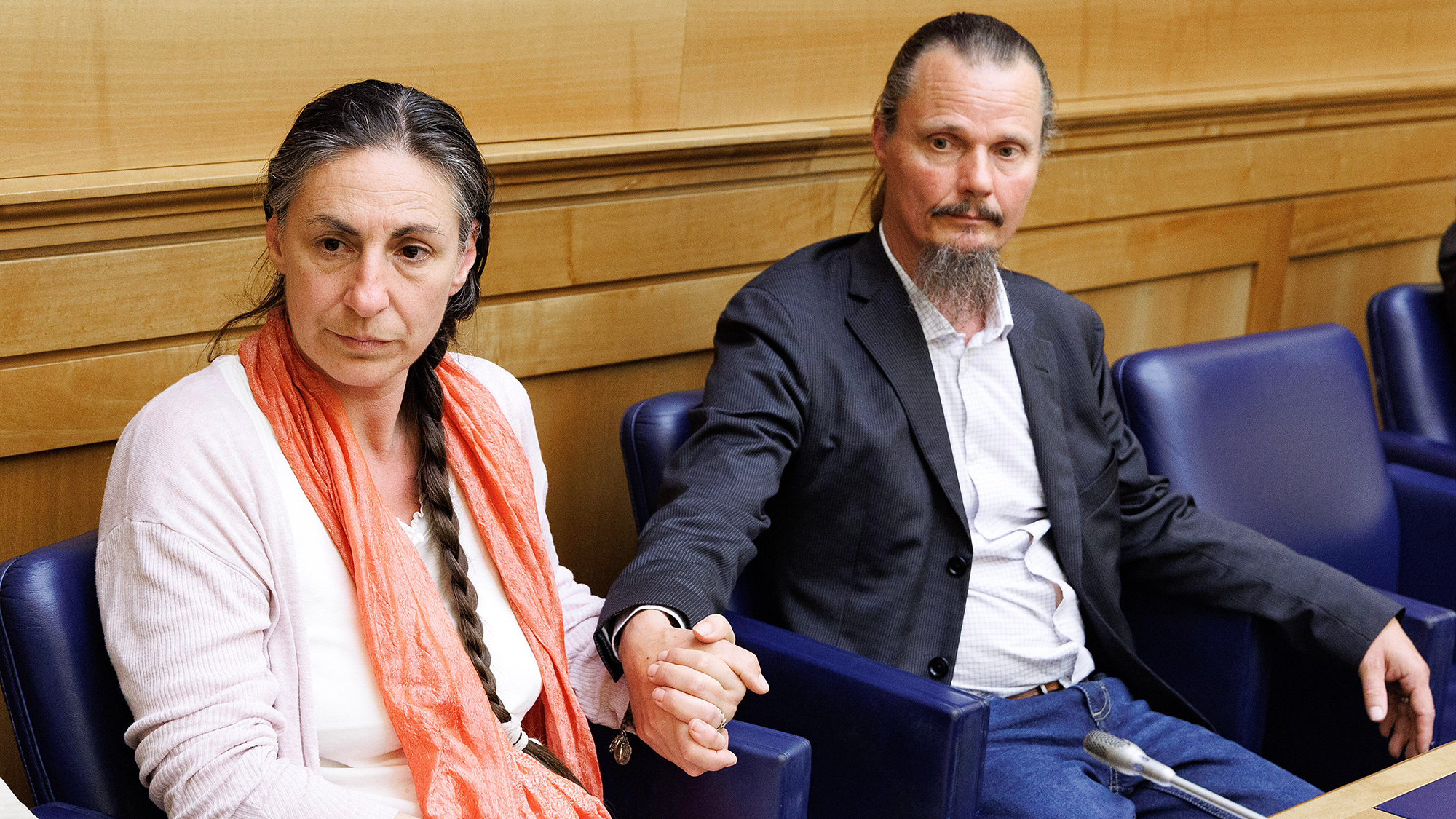
    A row over an “off-grid” Anglo-Australian couple whose children were removed by authorities has divided Italy. British former chef Nathan Trevallion and Australian ex-horse trainer Catherine Birmingham (pictured above) were raising their three children in a stone farmhouse in the woods of the mountainous Abruzzo region. But the children were taken into care after the entire family ended up in hospital after eating poisonous foraged mushrooms.

    Remote ‘paradise’
    The couple moved to a two-room cottage in Abruzzo’s “remote woodland” in 2021, said The Times. They hoped to “build an off-grid paradise”, growing their own food and homeschooling their eight-year-old daughter and seven-year-old twins.

    The family would “draw water from a well” and “produce electricity from solar panels”, said The Telegraph. Their house is surrounded by wildlife, including wolves. They all slept in one room and used a lavatory in a wooden outhouse, but had a car for shopping in the nearby village of Palmoli, as well as a computer and mobile phones.

    Following the family’s hospitalisation in 2024, police reported them to social services, who described the farmhouse as “a dilapidated ruin”. The family “fled to Spain”, then to Emilia-Romagna in northern Italy, before returning to their “little patch of wilderness”. Last November, a juvenile court in L’Aquila ordered that the children be put into care. Prosecutors said they were being raised in a “challenging and harmful” environment, without sanitation, formal education or medical supervision.

    Cause célèbre
    The couple, who are now renovating the farmhouse to comply with the authorities, have become a cause célèbre for the Italian far-right. Prime Minister Giorgia Meloni has argued that “children are not of the state”, while her deputy, Matteo Salvini, likened the case to a kidnapping. Far-right leaders have “seized upon the case in the name of educational freedom”, said Le Monde. For Salvini’s populist Lega party, the “forest family” has become a “top priority”, used to “fuel its anti-judge rhetoric, portraying magistrates as enemies of family liberties”.

    “We live outside of the system, this is what they’re accusing us of,” Trevallion told La Repubblica. “They are ruining the life of a happy family.” Birmingham told a press conference that “this has been by far the cruellest thing I have experienced and personally seen done to children in my life”.


    Good day 🎯

    … for Beau Greaves, who has made darts history by becoming the first woman to win a Professional Darts Corporation ranking title. The 22-year-old beat three former world champions in a row at the Players Championship in Milton Keynes.  


    Bad day 👛

    … for Claire’s, which has closed the last of its remaining UK stores, after collapsing into administration for a second time earlier this year. More than 1,000 jobs are expected to be lost, although the accessories chain’s 356 concessions in shops such as Asda will remain open. 


    PICTURE OF THE DAY

    Back-to-back meetings

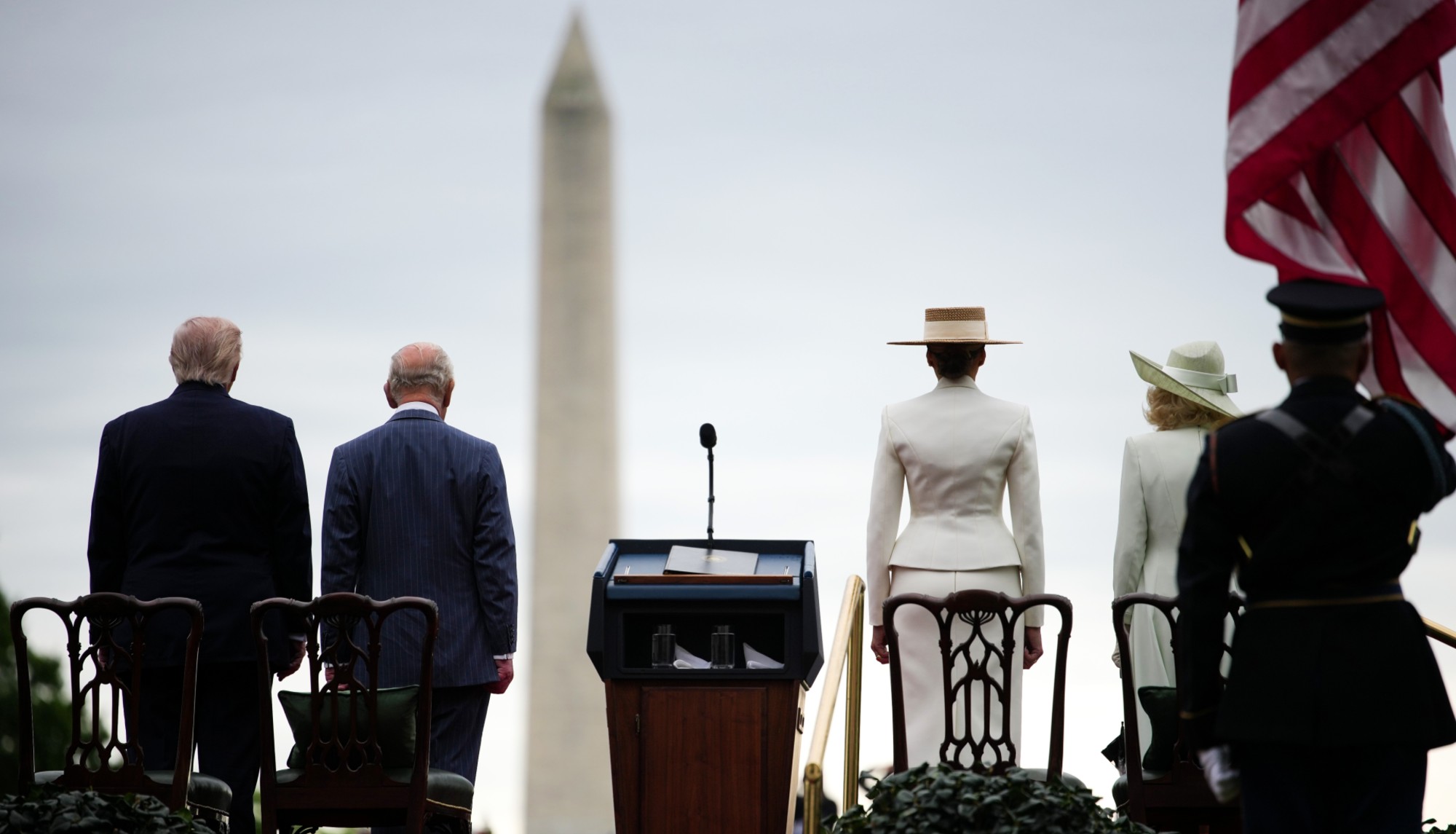
    King Charles and Queen Camilla stand alongside Donald and Melania Trump at a welcoming ceremony on the White House South Lawn. On the second day of his state visit, the King is due to have closed-door talks with the president, address US lawmakers and attend a banquet.

    Andrew Harnik / Getty Images


    Puzzles

    Chain Word

    Try The Week’s new daily word challenge in our puzzles and quizzes section

    Play here


    THE WEEK RECOMMENDS

    The best UK staycations for a summer break

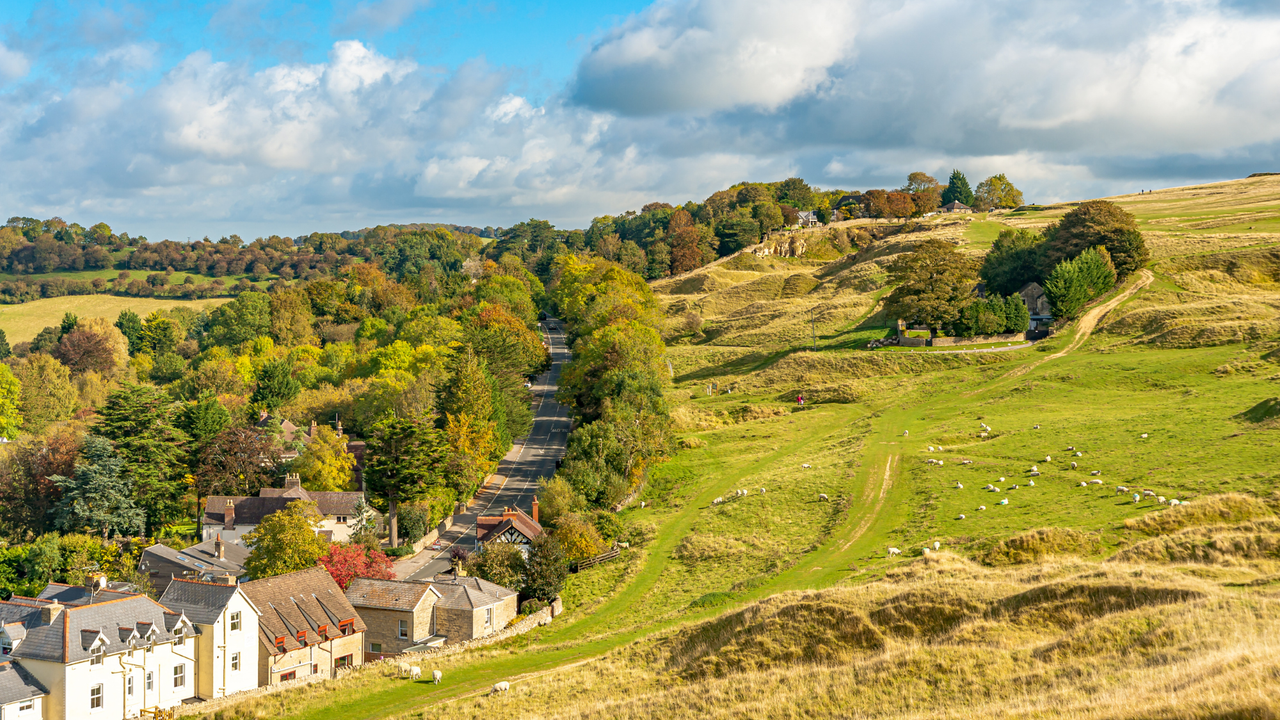
    “Britons are rushing to book holidays in the UK,” said the Financial Times. Fears over soaring airfares and travel delays triggered by the Iran war have “put people off long-haul trips”. Holidaymakers staying closer to home can choose from destinations ranging from postcard-worthy Cotswold villages to the rolling valleys of the Yorkshire Dales. Here are some top-rated spots.

    The Fish, Cotswolds
    With its “cheerful smattering of honey-hued villages” and “endless rolling green expanses”, the Cotswolds (pictured above) is “one of the loveliest” locations in the UK, said Condé Nast Traveller. This beautiful part of the country offers plenty of chances to enjoy “long walks to cosy pubs along cobbled ancient streets”. Consider checking in at The Fish, where guests can choose between staying in a treehouse, cabin or woodland hut.

    Blakeney Hotel, Norfolk
    The pretty coastal village of Blakeney is “secluded up in the most northern part of Norfolk”, said GQ. “Not a huge amount happens” here, but that’s sort of the point. If you’re looking for somewhere to completely relax and unwind, try Blakeney Hotel on the seafront. Its “Edwardian handsomeness” feels “reassuringly traditional”, and there are plenty of great walks in the area.

    Middleton Lodge, North Yorkshire
    “When it comes to rural retreats, Middleton Lodge might just have it all,” said Condé Nast Traveller. Set within 200 acres of parkland and woods on the edge of the Yorkshire Dales, the Georgian mansion offers a range of “light and airy” rooms, with “cloud-like beds with deep, squashy sofas”. But what really “sets this place apart” is the hotel’s “eco-forward ethos”.  


    Statistic of the day

    £2.366 billion: BP’s underlying profits for the first three months of 2026, up from £1.021 billion in the same period last year. The latest quarterly result, the first announced since the Iran war began, “reflects exceptional oil trading”, said the London-based gas and oil giant.


    instant opinion

    Today’s best commentary

    How antisemitism, fear and intolerance grip Britain’s art world
    Rosie Kay in The Jewish Chronicle
    “Something serious” has “gone wrong in the cultural world”, writes choreographer Rosie Kay, founder of campaign group Freedom in the Arts. Artists are being “publicly smeared, quietly dropped, professionally isolated” or deemed “problematic” because of “who they are” or what “they have said”. It’s “particularly acute” for Jewish artists, who are “subjected to exceptional scrutiny” and “suspicion”. The arts must “recover their nerve”, or “our cultural life will become narrower, more intolerant and more divisive, and everyone will lose”.

    Barbecue season is here – and it’s showing up Britain’s gender divide
    Stefano Hatfield in The i Paper
    “The weekend barbecue is an illusion of equality,” writes Stefano Hatfield. Men “happily preside over a grill like minor deities”, yet they “vanish” when cooking “involves a hob or a saucepan”. They “opt out of the mundane” but “step in for the occasional headline act”. Nothing will change without an “unglamorous insistence that cooking is not a performance, but a life-skill”. Men need to shoulder the “quiet, repetitive slog” of “getting dinner on the table five nights a week”.

    Are you the sort who avoids your neighbours? If so, I don’t blame you
    Robert Crampton in The Times
    I’m not surprised by reports that “half of Britons have never popped next door for a cup of tea”, writes Robert Crampton. “Being familiar with your neighbours” may be seen as “a good thing” but when I was a boy, one neighbour tried “to wash my mouth out with soap and water”, another “denounced my dad as a communist”, and the boys two doors down threw “dog turds” into our garden. “Some neighbours are best kept at a distance.”


    word of the day

    Larceny

    Taking something that doesn’t belong to you, a crime that can leave a bitter taste – unless it involves chips. The theory that French fries nicked from someone else’s plate taste better has been put to the test in experiments involving 120 people. According to the study, published in the Food Quality and Preference journal, “covert larceny” improved “taste pleasantness and overall enjoyment”, including “perceived saltiness, crispiness, and intensity”. 


    Evening Review was written and edited by Hollie Clemence, Rebecca Messina, Harriet Marsden, Chas Newkey-Burden, Irenie Forshaw, Adrienne Wyper, Helen Brown and Kari Wilkin, with illustrations from  Julia Wytrazek.

    Image credits, from top: illustration by Julia Wytrazek / Getty Images; Mike Kemp / In Pictures / Getty Images; Roberto Monaldo / LaPresse / Shutterstock; Andrew Harnik / Getty Images; Eduardo Fonseca Arraes / Getty Images

    Morning Report and Evening Review were named Newsletter of the Year at the Publisher Newsletter Awards 2025
     

    Recent editions

    • Evening Review

      Trump spins the WHCA attack

    • Morning Report

      Seeking a motive for press gala attack

    • Sunday Shortlist

      Hathaway goes pop

    VIEW ALL
    TheWeek
    • About Us
    • Contact Future's experts
    • Terms and Conditions
    • Privacy Policy
    • Cookie Policy
    • Advertise With Us
    • FAQ
    Add as a preferred source on Google Add as a preferred source on Google

    The Week is part of Future US Inc, an international media group and leading digital publisher. Visit our corporate site.

    © Future US, Inc. Full 7th Floor, 130 West 42nd Street, New York, NY 10036.