The Week The Week
flag of US
US
flag of UK
UK
https://cdn.mos.cms.futurecdn.net/flexiimages/jacafc5zvs1692883516.jpg

SUBSCRIBE & SAVE

Less than $3 per week

Sign in
  • View Profile
  • Sign out
  • The Explainer
  • The Week Recommends
  • Newsletters
  • Cartoons
  • From the Magazine
  • The Week Junior
  • Student Offers
  • More
    • Politics
    • World News
    • Business
    • Health
    • Science
    • Food & Drink
    • Travel
    • Culture
    • History
    • Personal Finance
    • Puzzles
    • Photos
    • The Blend
    • All Categories
  • Newsletter sign up Newsletter
  • The Week Evening Review
    PM’s make-or-break speech, EU’s AI rollback, and Trump’s China visit

     
    TODAY’S BIG QUESTION

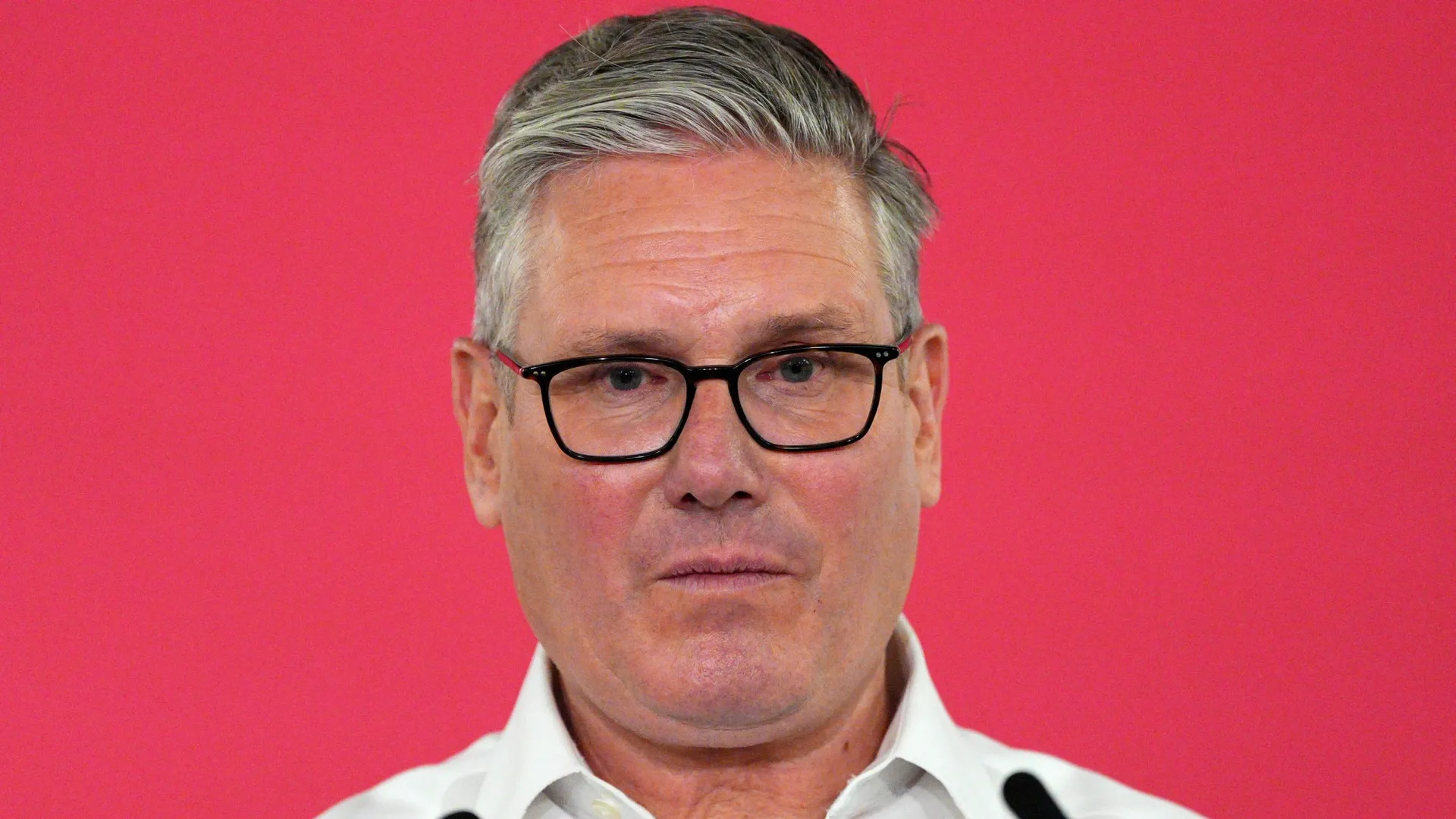
    Is it too late for Keir Starmer to save his job?

    Keir Starmer today vowed to prove his doubters wrong in what was widely billed as his “make-or-break” speech. The prime minister acknowledged that Labour’s local election losses were “tough” and that his government had made “mistakes”, but insisted he had got “the big political choices right”.

    What did the commentators say? 
    “Labour MPs tell me they admire Starmer’s performance”, said ITV’s political editor Robert Peston on X. He was “cheerful and resilient”, even as he “showed contrition for his party’s historically terrible performance in last week’s elections”.

    This speech was “better than many” Starmer has given, “and he did show some passion”, said Peter Walker in The Guardian. But for his sceptics “to be mollified”, he needed to have produced “a giant-sized rabbit” from his policy hat – “something to make them sit up and think: oh, maybe this time things are different. But he did not.”

    The PM said that “incremental change won’t cut it”, said Steven Swinford and Oliver Wright in The Times, yet “his pivotal speech was inherently incrementalist”. “Calls by some of those around him to be more radical appear to have fallen on deaf ears.”

    “The next 72 hours or so of hysteria” will be “dangerous”, said Sean O’Grady in The Independent. But it’s “not at all obvious why a change of leader and prime minister would either be easy or even that advantageous to the party”. For all their “fratricidal habits”, Labour MPs “won’t kick Starmer out – not yet”.

    What next?
    A Labour source “told me there’d be plenty of Labour-friendly measures on offer” in Wednesday’s King’s Speech, said the BBC’s Laura Kuenssberg. But they “weren’t so sure” that there would be “anything dramatic or dazzling to change the conversation”.

    More than 50 MPs have already backed a demand for Starmer to set out a timetable for a leadership election to take place by September. The PM’s speech “was held in Waterloo”, said ITV’s Peston. “He wants to be Wellington but he may be Napoleon.”


    TALKING POINT

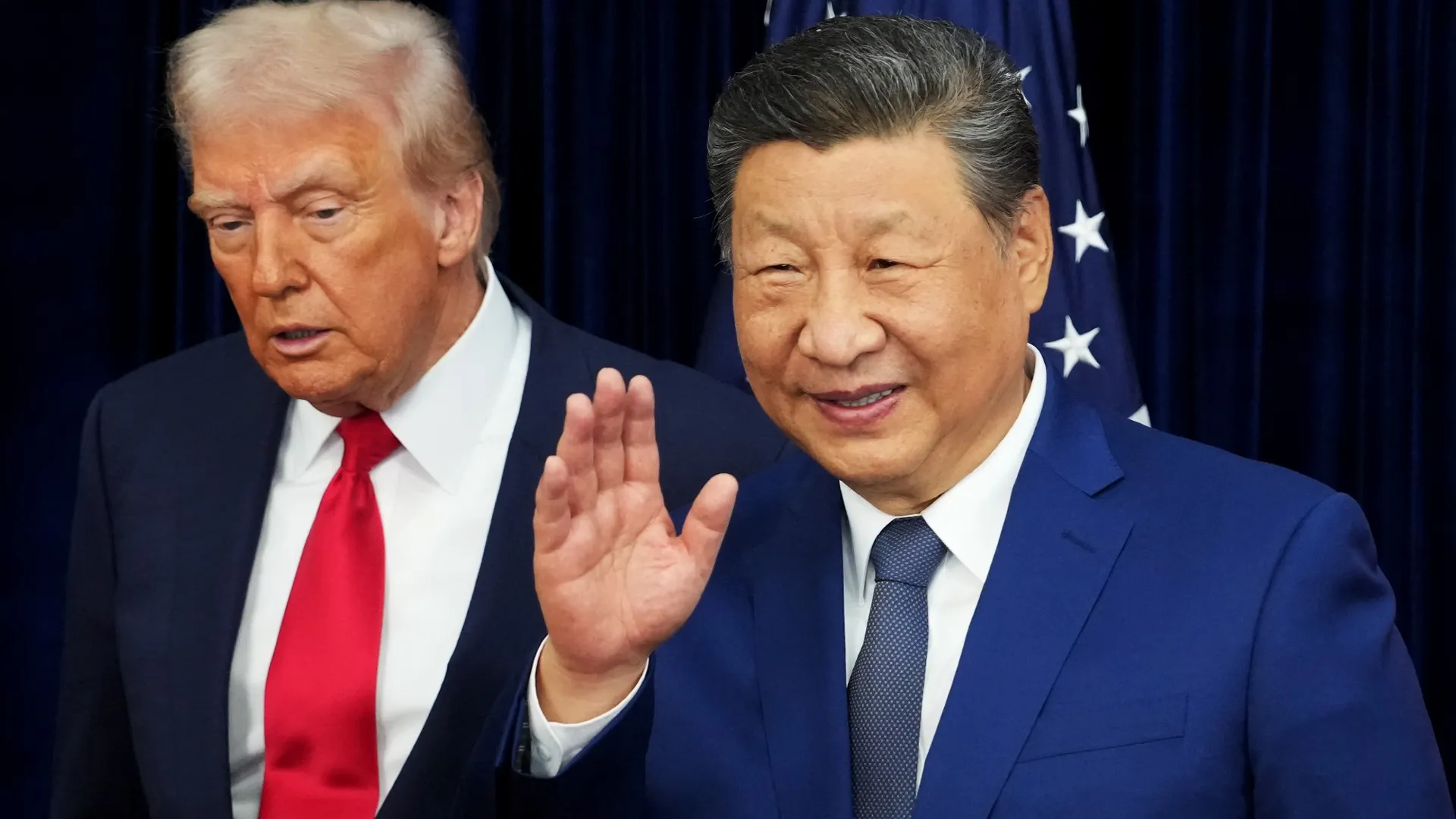
    Xi-Trump summit: does China hold all the cards?

    Beijing has confirmed that Donald Trump will arrive on Wednesday for the first visit to China by a US president in nearly a decade. But while the summit heralds a pivotal moment between the world’s two largest economies, the odds appear stacked against the White House. 

    ‘Creditor-debtor dynamic’
    Trump “may want to temper his expectations” for the summit, Jacob Dreyer said in The New York Times. Beijing once viewed presidential visits as “global validation” for its rise, but China has now “begun to chart its own course” as its leaders realise their nation has “learned all it can from America”. Although Trump wants to improve the US-China relationship, “maintaining a tense stability is about all he can hope for”.

    The US president has “fewer cards to play” now, said The Hill’s Brahma Chellaney. After his decision to go to war against Iran “boomeranged” into a “global energy shock”, a meeting intended as a “show of strength” for the US is looking more like “damage control”. The war has depleted American munitions and weakened the country’s economy, accelerating a shift in the US-China relationship from a “rivalry of near-peers” to “something closer to a creditor-debtor dynamic”. The question facing Trump in Beijing is “not whether he can strike a deal”, but rather “what he will give up to get one”.

    ‘Minimum level of predictability’
    Xi Jinping “may be able to get Iran to agree to terms that allow Trump to get out of his war”, said The Independent’s world affairs editor Sam Kiley. But in return, China’s leader is likely to seek an end to the $11billion (£8.1billion) US military aid programme for Taiwan.

    “The thing about selling out Taiwan in terms of Trump is there’s really no consequence for him,” a White House source told Politico. “He’s not going to run again. He doesn’t have this ideological concern about the future of democracy. He looks at things only in practical economic terms.”

    The summit is “unlikely to deliver decisive breakthroughs” between the U.S. and China, Yingfan Chen and Dingding Chen said on The Diplomat. Its significance will not be in “transforming” the dynamic between the two countries. Rather, this is about “maintaining a minimum level of predictability” in their relationship so that competition between them can continue “within constraints the system can absorb”. 


    QUOTE OF THE DAY

    “A lot of people might not have envisaged yours truly as walking into No. 10 and I’m therefore happy to do something more vague.”

    Labour’s Catherine West confirms she isn’t launching a leadership bid against Keir Starmer. “My job was to get the ball rolling,” the MP for Hornsey and Friern Barnet told PoliticsHome, after announcing that she is instead canvassing support for a timetable for his resignation.


    Poll watch

    Half of the UK’s under-16s own an AI-enabled toy or learning device, but 75% of parents worry about the potential safety risks, research for the British Standards Institution suggests. The Focaldata poll of 2,000 parents found that 91% want a recognised safety certification or mark for AI toys, to help protect children from unwanted content or data vulnerabilities.


    THE EXPLAINER

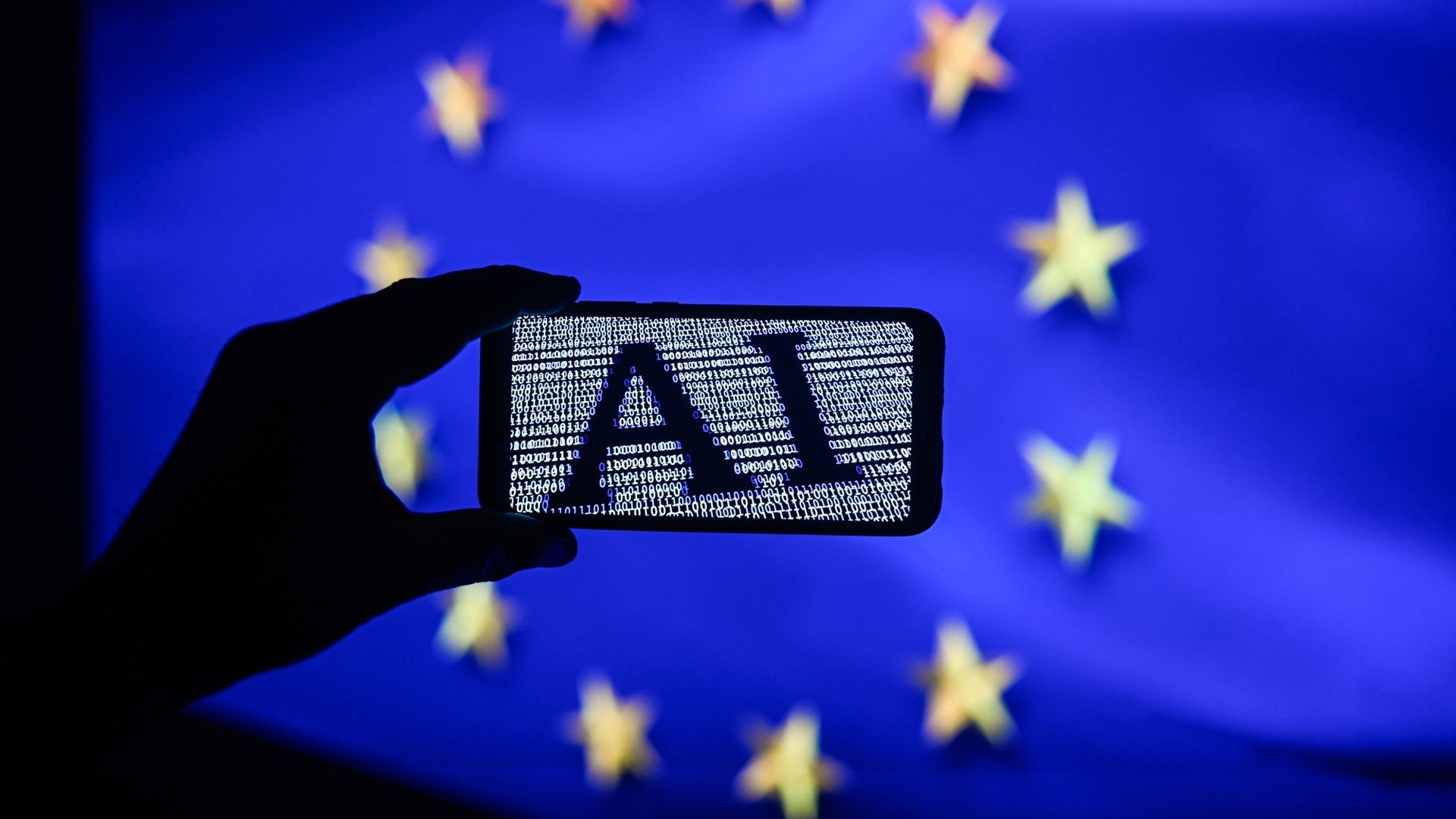
    Why the EU is rolling back AI restrictions

    Restrictions on high-risk uses of artificial intelligence in the EU will be delayed by more than a year under a deal struck by its legislators. The deal “marks a notable rollback” in the bloc’s “digital rulebook after years of Brussels proudly marketing itself as the world’s tech cop”, said The Register.

    What is changing?
    The EU’s AI Act came into force in August 2024 following “years of talks”. But as part of a “phased rollout”, the rules governing high-risk uses were only “set to kick in this August”, said Politico.

    Now, the bloc has “hit the regulatory equivalent of ‘snooze for 16 months’”, said The Register. “The headline change pushes back enforcement of rules covering systems” in areas such as biometrics, critical infrastructure, education, employment, migration, and border control until December 2027. EU officials insist the delay is “about timing, not watering down the law”. They claim the rules are “moving faster than the standards needed to support them” and that companies currently “lack the guidance and technical tools required for compliance”.

    Is this a win for Big Tech?
    The change of heart is a “big win” for tech firms and industry groups that have been lobbying the EU to “soften” the AI Act, said The Register. As recently as last week, bosses from companies including ASML, Airbus, Ericsson, Nokia, SAP, Siemens and Mistral AI “publicly warned that Europe risked over-regulating itself out of the global AI race”.

    The new deal marks the “first significant rollback” of rules in the digital sphere, and came after the EU faced pressure from the US over its tech laws. There were also “warnings” from its own industry and governments that “strict restrictions had put the bloc at a disadvantage in a global AI race”, said Politico. “Only a couple of countries around the world” followed the EU’s lead on restrictions, so the bloc “faced criticism” for “cracking down on AI too early”. 

    What is staying the same?
    Some aspects of the AI Act will keep to their original schedule. Bans on unacceptable-risk AI have applied since February 2025, according to the European Commission. The transparency obligations under Article 50, including disclosure for chatbot interactions, will come into force from 2 August.


    Good day 🎶

    … for Beatles fans, who will soon be able to tour the former London home of the band’s Apple Corps record label. Opening next year, “The Beatles at 3 Savile Row” will feature seven floors of memorabilia, including unseen archive material, plus access to the rooftop where they recorded their last ever gig, in 1969. The museum will be “like coming home”, said Ringo Starr.


    Bad day 🚲

    … for Benedict Cumberbatch, after he was filmed during a “road rage” row with a fellow cyclist in London. The Marvel actor was allegedly caught running a red light by a masked man, who accused him of being “deluded” and “lying” during a ten-minute argument. “Dude, you verbally abused me,” Cumberbatch responded.


    PICTURE OF THE DAY

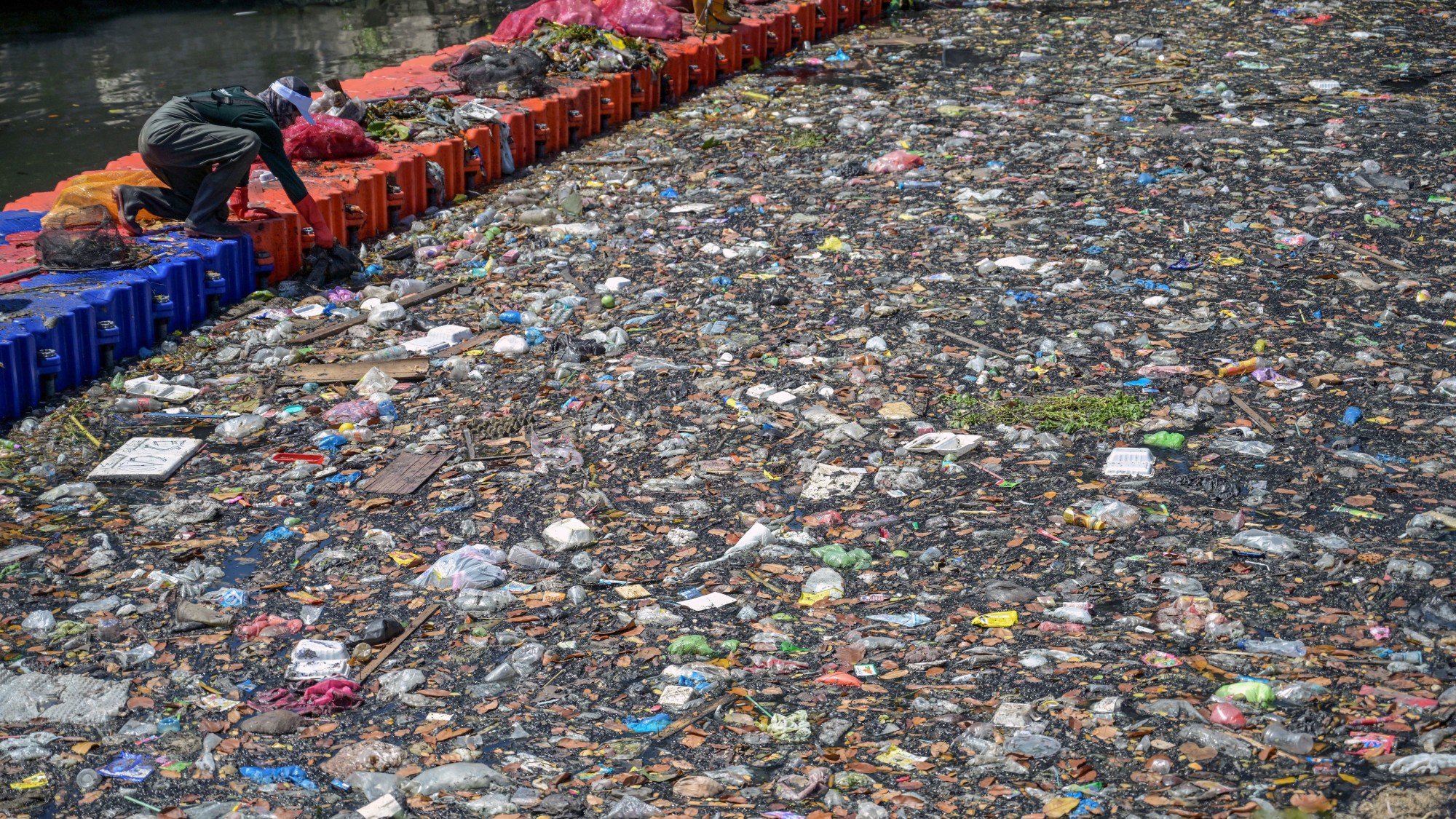
    Rivers of crud 

    A worker from the Indonesian government’s Environmental Agency pulls rubbish from the Kali Tebu River in Surabaya, East Java. An estimated 35% of the nation’s waste is “unmanaged”, with much of it ending up in rivers, oceans and along roadsides. 

    Juni Kriswanto / AFP / Getty Images


    Puzzles

    Chain Word

    Try The Week’s new daily word challenge in our puzzles and quizzes section

    Play here


    THE WEEK RECOMMENDS

    Mixing it up with ‘blouge’ wines

    “Is it a red wine, or a white?” said The Economist. Actually, “blouge”, made with a mix of rouge and blanc grapes, “is both”. The resulting tipple is “light and refreshing, like a white, but with the structure and depth of a red”.

    Mixing red and white is “not a new idea”, and winemakers have long been making champagnes from different coloured grapes. But trendy blouge wines are popping up in bars worldwide as producers break “new ground” with a growing number of “fresher” versions, often with “playful names to emphasise their novelty and expand their appeal”.

    The pretty colours “tempt the Instagram lens”, said The Telegraph. Blouge also appeals to “aperitivo-hour drinkers” on the lookout for wines with the “appeal of a light cocktail; often fruity and chilled, perhaps with a vestige of florality and a tinge of either astringency or sweetness”.

    BoogieWoogie from Aubert et Mathieu is due to arrive in the UK this month, said The Guardian. A “light and juicy” blend of red and white grenache grapes, this is the “perfect match for tapas, pizza and picnics”. Or try Domaine Lucas Madonia: The Blouge 2024, a “high-quality, natural” wine made with grapes from a vineyard set on a “steep mountainside in the Swiss Alps of Valais”. Best enjoyed “cold on a sunny day after work”, the “fruity, aromatic blend” of chasselas white and gamay red grapes has a “clean, lively finish” with hints of “juicy strawberries and raspberries”.


    Statistic of the day

    £200,000: How much the Royal Navy is spending to replace female sailors’ uniforms with “inappropriately placed buttons”, according to internal documents seen by The Times. New jackets will be distributed to more than 950 female officers, at taxpayers’ expense, after concerns were raised about a top row of decorative buttons positioned at nipple height.


    instant opinion

    Today’s best commentary

    Europe should behave more like China does if it wants to survive this age of chaos
    Mark Leonard in The Guardian
    China and Europe “stand to lose the most” from the Iran war, writes Mark Leonard of the European Council on Foreign Relations. But, as Europe’s leaders “watch like rabbits caught in the headlights”, China “is better prepared”. Beijing has been “quietly stockpiling oil” and “cornering the global market” in “technologies of the future”. Europe must “do the same”, not only to get “on a more equal footing” with China but also “to withstand” future threats “in our age of un-order”.

    Powerful women can help weather this storm
    Libby Purves in The Times
    In the “new landscape” wrought by the “local election storm”, the “first things I notice are women”, writes Libby Purves. Angela Rayner and Kemi Badenoch could soon be Westminster’s “rival giants”, and “it took a female backbencher to push the button” over Keir Starmer’s leadership while her 217 male Labour colleagues “froze”. I’m fascinated “by peculiarly female moments of firmness on both sides of the aisle: a reckless willingness to be unbending” that’s “perhaps not unconnected” to “centuries of being ordered about”.

    Iran is on its knees, and can’t demand anything significant from Trump
    Con Coughlin in The Telegraph
    “No matter how hard they pretend” otherwise, Tehran’s “ayatollahs desperately need to seal a deal” with America, writes Con Coughlin. With its economy collapsing and “key infrastructure” destroyed, Iran can’t withstand the US naval blockade much longer. Yet “prominent Western commentators” assume any Donald Trump initiative is “doomed to failure” and argue “Iran has the upper hand”. This risks diverting Iran from accepting that “the only realistic deal” is one that “ends hostilities and allows the country to rebuild”.


    word of the day

    Silicosis

    A lung disease caused by inhaling tiny particles of silica dust. The Health and Safety Executive is launching a crackdown on the unsafe “dry cutting” of kitchen worktop stone, following a surge in silicosis cases among young tradespeople. Water suppression tools that dampen the potentially fatal dust will become a legal requirement, and more than 1,000 workplace inspections will be conducted over the next year.


    Evening Review was written and edited by Jamie Timson, Will Barker, Chas Newkey-Burden, Irenie Forshaw, Steph Jones, Helen Brown and Kari Wilkin.

    Image credits, from top: Carl Court / Getty Images; Omar Marques / SOPA Images / LightRocket / Getty Images; Andrew Harnik / Getty Images; Juni Kriswanto / AFP / Getty Images; Plateresca / Getty


    Morning Report and Evening Review were named Newsletter of the Year at the Publisher Newsletter Awards 2025
     

    Recent editions

    • Sunday Shortlist

      A young director's ‘exquisite’ debut

    • Saturday Wrap

      Waging lawfare for Trump

    • Evening Review

      JD Vance goes to Iowa

    VIEW ALL
    TheWeek
    • About Us
    • Contact Future's experts
    • Terms and Conditions
    • Privacy Policy
    • Cookie Policy
    • Advertise With Us
    • FAQ
    Add as a preferred source on Google Add as a preferred source on Google

    The Week is part of Future US Inc, an international media group and leading digital publisher. Visit our corporate site.

    © Future US, Inc. Full 7th Floor, 130 West 42nd Street, New York, NY 10036.