The Week The Week
flag of US
US
flag of UK
UK
https://cdn.mos.cms.futurecdn.net/flexiimages/jacafc5zvs1692883516.jpg

SUBSCRIBE & SAVE

Less than $3 per week

Sign in
  • View Profile
  • Sign out
  • The Explainer
  • The Week Recommends
  • Newsletters
  • Cartoons
  • From the Magazine
  • The Week Junior
  • Student Offers
  • More
    • Politics
    • World News
    • Business
    • Health
    • Science
    • Food & Drink
    • Travel
    • Culture
    • History
    • Personal Finance
    • Puzzles
    • Photos
    • The Blend
    • All Categories
  • Newsletter sign up Newsletter
  • The Week Evening Review
    Labour leadership, concert tours, and a football spy scandal

     
    TODAY’s BIG QUESTION

    Who will be the ‘stop Wes’ candidate?

    The wait is over. Wes Streeting has resigned as health secretary and called on Keir Starmer to “facilitate” a contest for a new prime minister. For Labour MPs to the left of Streeting, the question now is: who’s best placed to ‘stop Wes’?

    What did the commentators say?
    Former deputy PM Angela Rayner is “likely to be a decisive figure”, said The New Statesman’s editor Tom McTague. She believes a Streeting leadership would be a “continuation of what she sees as the Labour right’s disastrous control of the party”. Her “source of strength” is “her personality, her character” – things she’s implied are “missing in the current occupant of No. 10”.

    Andy Burnham is “electoral gold dust”, said Neal Lawson in The Guardian. “Untainted by the past two years of government”, he has enjoyed success as Manchester’s mayor, and his popularity is “streets ahead of anyone else”. The problem? “Ten people stand in his way” – the officers of Labour’s NEC who blocked him from running for Westminster earlier this year. If they block him again, it would be a “political calamity”.

    “Logic, sadly, points to one all-too-likely victor”, said Ross Clark in The Spectator. With Burnham “marooned in Manchester” and Rayner weakened by coverage of “her tax affairs”, Ed Miliband is the only credible “anti-Streeting challenger”. He’s also the “most popular cabinet minister” among Labour members. Yet voters have “already rejected him overwhelmingly” in a general election. “To have him lumbered on us anyway would be like telling the waiter we will have anything but the onion soup but then having it served to us.”

    What next?
    If Burnham were able to stand for the leadership and Rayner or Miliband did too, it could “split the left-wing vote” and make it easier for Streeting to “snatch victory”, said Millie Cooke in The Independent. But a “Rayner-Burnham pact” could exert “formidable force” from the left that Streeting would find “extremely difficult” to overcome. “Such a possibility will only put pressure on” the former health secretary “to act quickly and trigger a contest” before Burnham “has a chance to return to Westminster”.


    THE EXPLAINER

    ‘Blue dot fever’: why concerts aren’t selling out

    A string of artists including Meghan Trainor, Zayn and the Pussycat Dolls have cancelled planned US concert tours due to low ticket sales. This wave of “blue dot fever” – named after the blue dots that represent available seats in venue seating charts – is being blamed on tightening consumer budgets and the waning power of nostalgia.

    Why are seats not selling?
    There are “signs that consumer tolerance for high prices is breaking and a correction is taking place”, said The Times. The average price of a ticket for the top 100 worldwide tours last year was $132.62 (£98.14), an increase of 39% since 2019. After the Covid pandemic, there was “such pent-up demand that it was really easy to tour and everybody was making a lot of money”, said J.R. Lind from concert data analyst Pollstar. Now, there’s a “little bit of coming back to Earth”, and affordability is “going to start affecting concerts”.

    Why are ticket prices so high?
    “Three key factors” are at play, said Rolling Stone: “dynamic pricing, rampant scalping, and one dominant company, Live Nation, controlling every source of revenue, including beer, food, parking and Ticketmaster service fees”.

    High ticket prices are also a result of the soaring costs of touring. The current surge in petrol and diesel prices “can quickly change the math for tours that depend on long-haul logistics”, said the San Francisco Chronicle.

    Who is most affected?
    “Mega-stars and must-see tours continue to sell,” said the San Francisco Chronicle. But for smaller or older artists, “streaming popularity, nostalgia or social media buzz does not always translate into thousands of $100-plus seats”.

    Yet in 2024, Oasis “sold out its first North American tour since 2008 within an hour”, said Newsweek, and Coldplay, Hilary Duff and My Chemical Romance are among other “nostalgia” acts that “have seen huge demand for live concerts”. New Level Radio CEO Nathan Green argues that more artists should consider downsizing, “even if it means smaller venues and more nights”. All these “empty seats are a sign to every fan that the hype was bigger than the act”, he told the news magazine.


    QUOTE OF THE DAY

    “If Andy’s expecting a coronation, he’s mistaken.”

    An unnamed Green Party insider tells Politico’s London Playbook that Andy Burnham shouldn’t expect a smooth ride if he makes a bid for No. 10. The Greens and Reform have pledged to contest any by-election intended to get the Manchester mayor into Parliament.


    Poll watch

    One in seven Brits get health advice from an AI chatbot rather than their GP, polling for King’s College London’s Policy Institute suggests. The survey of 2,093 adults found that the most common reason for turning to AI is convenience (46%), but 25% said waiting times for NHS services are too long.


    IN THE SPOTLIGHT

    Southampton and the latest case of spying in football

    The English Football League has charged Southampton with spying on their opponents two days before the first leg of the Championship play-off semi-final. Middlesbrough claim the supposed spy was a Southampton analyst observing a training session. Southampton went on to beat Middlesbrough in extra-time in the second leg to progress to the play-off final at Wembley.

    ‘Practically unheard of’
    Southampton have launched an internal review to “ensure that all facts and context are properly understood” before “conclusions are drawn”, said chief executive Phil Parsons. But the club have “not tried to fight the accusation that they tried to gain an unfair advantage”, said The Telegraph. They reportedly claimed the analyst was “acting on his own initiative and had not been instructed to travel to Rockliffe Hall hotel, adjacent to Boro’s training ground, to spy on Kim Hellberg and his players”.

    Such spying cases, said the BBC, were “practically unheard of” until 2019, when Leeds United boss Marcelo Bielsa admitted he had sent a member of staff to spy on “every team they played that season”. The EFL then introduced rule 127: “no club shall directly or indirectly observe (or attempt to observe) another club’s training session in the period of 72 hours prior to any match”.

    ‘Almighty mess’
    The EFL is in an “impossible position”, said The Independent. Southampton would usually have 14 days to respond to the charges, but the EFL has asked the independent disciplinary commission to fast-track the case, given that the play-off final between Southampton and Hull is set for 23 May. There are also “logistical issues as well as moral ones”.
    The “nuclear option” – expelling Southampton from the play-offs – creates “an almighty mess”. But finding them guilty and fining them would cost far less than the prize for promotion, which isn’t likely to “assuage Middlesbrough”.

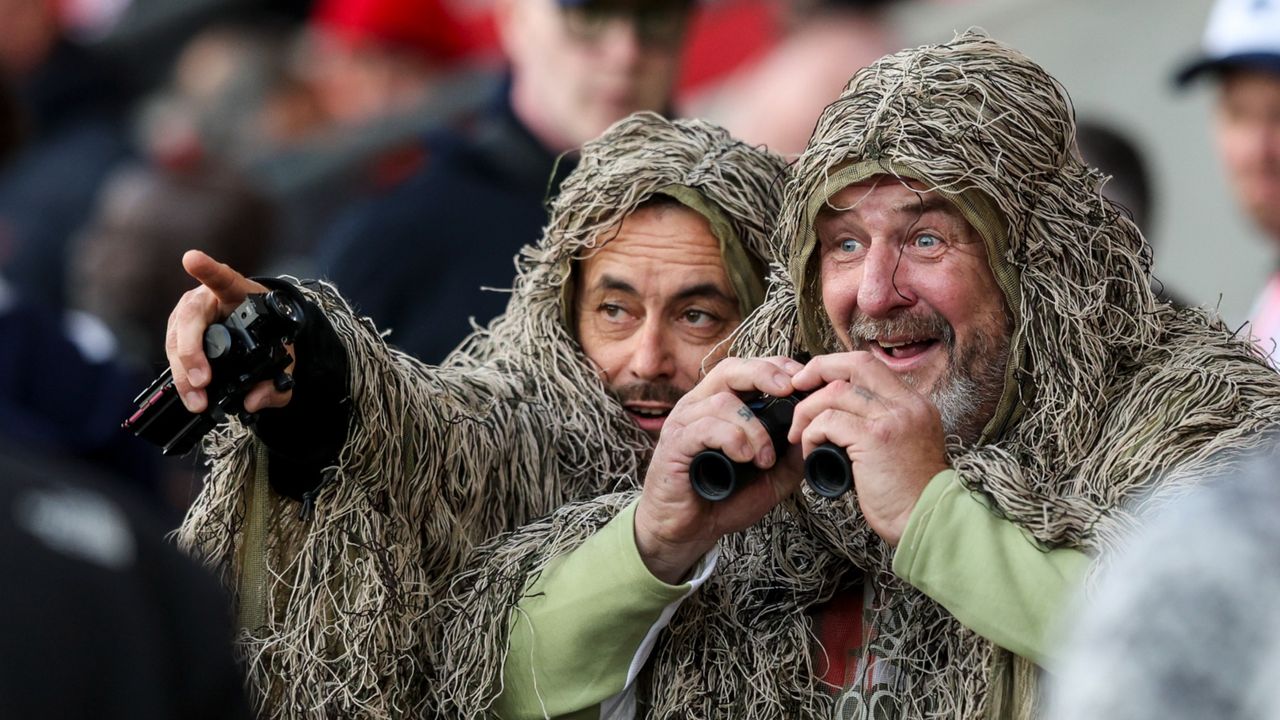
    Meanwhile, Middlesbrough are in “limbo”, continuing to train in case they have to take Southampton’s place in the play-offs. Southampton or the EFL could also appeal any verdict, but Middlesbrough cannot, although they could pursue legal action. Some Southampton fans are planning to go to Wembley “dressed as hedges or carrying binoculars”. But for Boro and the EFL “this is no laughing matter”.


    Good day 🏏

    … for breaking the glass ceiling, as former England wicketkeeper Sarah Taylor becomes the first woman ever appointed to coach the national men’s team. The 36-year-old will be the squad’s fielding coach during the upcoming Test series against New Zealand. She’s “one of the best in the business”, said England men’s side director Rob Key.


    Bad day 🙁

    … for Russian morale, as the nation’s “happiness index” hits a 15-year low. The state-owned Russian Public Opinion Research Centre’s tracker – which measures how many people report being generally content versus how many are not – put the happiness score at 56 in April, down two points from March.


    PICTURE OF THE DAY

    Turning green

    A vegetable vendor navigates the polluted waters of Dal Lake in Indian-administered Kashmir. Despite being known as the “jewel in the crown of Kashmir”, the urban lake is swamped with toxic algae blooms after decades of contamination with untreated sewage.

    Tauseef Mustafa / AFP / Getty Images


    Puzzles

    Chain Word

    Try The Week’s new daily word challenge in our puzzles and quizzes section

    Play here


    THE WEEK RECOMMENDS

    Best nature reserves to visit in the UK

    Britain’s many islands “are among the most geologically varied in the world”, said Richard Madden in The Telegraph, and our National Nature Reserves play a “crucial role” in preserving this “remarkable biodiversity”. There are currently 390s NNRs in the UK – here are some of the best.

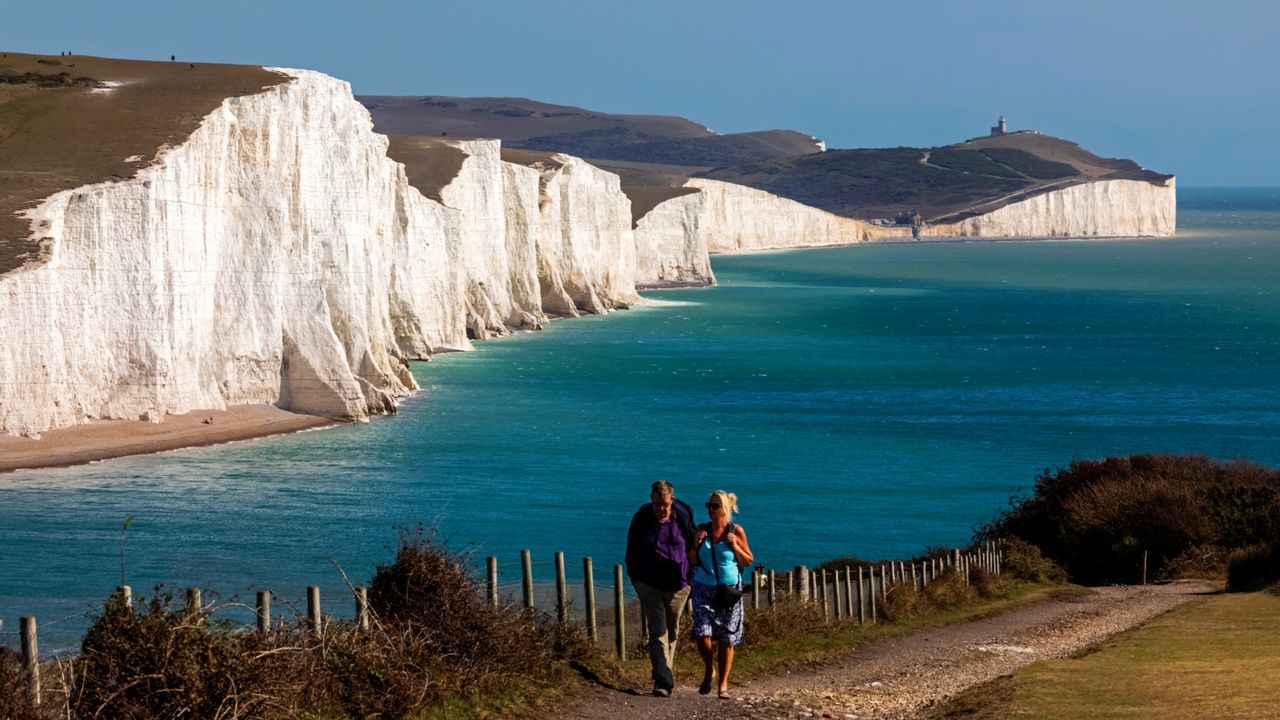
    Seven Sisters National Nature Reserve, East Sussex
    With “stunning white chalk cliffs and waving green hills”, Seven Sisters (pictured above) has “long been a day-trip favourite” from London, said Anna Mahtani in Time Out. Bird lovers can catch glimpses of skylarks and yellowhammers, while “those with a keen eye might catch a chalkhill blue butterfly”.

    Northumberland National Park, Northumberland
    The park is a “fabulous” starting point for a long hike, including the 97-mile St Oswald’s Way from Lindisfarne to Heavenfield, said Emily Sargent in The Times. The route’s highlights include the “heather-clad” Simonside Hills, home to some of the “northeast’s rarest wildlife”, including the curlew, the red grouse and the mountain bumblebee.

    Gilfach Nature Reserve, Rhayader, Wales
    Tucked in the Cambrian mountains, Gilfach Nature Reserve is “as rich in history as it is in wildlife”, said BBC Countryfile. Visitors can climb a wooden platform to view wonderful waterfalls, and “if you’re lucky, the acrobatic finale of one of nature’s greatest migrations: Atlantic salmon”.

    St Abb’s Head National Nature Reserve, Berwickshire
    Scotland’s St Abb’s is a great spot for twitchers, said Madden in The Telegraph. Guillemots and razorbills “crowd together on the offshore stacks”, while puffins use crevices in the cliff face to lay their single egg. And in surrounding seas, there have been sightings of dolphins, minke whales and seals.


    Statistic of the day

    48%: The percentage of UK undergraduates who attended all their lectures last year, down from 63% in 2006, according to a new analysis of annual survey data. The Higher Education Policy Institute’s study suggests that increased absenteeism may be a result of worsening mental health and more students having term-time jobs, as well as the wider availability of recorded lectures.


    instant opinion

    Today’s best commentary

    Macron is right. We’ve lost our manners
    Michael Deacon in The Telegraph
    Emmanuel Macron was right to tell “selfish, inconsiderate morons to learn some basic manners” when they were “drowning out the speeches” at a summit in Kenya, writes Michael Deacon. “Basic manners are dying out here, too.” People talk in cinemas, libraries and even during concerts, because technology has “conditioned us to be vastly more self-absorbed” and “we’ve become far less united”. But “shushing diplomats is one thing. Shushing a thug on the bus is quite another.”

    No 10’s door revolves and we all lose as a result
    Janice Turner in The Times
    “What effect will this constant churn of prime ministers have on our collective psyche?” writes Janice Turner. “Political geeks and Labour’s opponents will relish” the “drama”, but “I find it more exhausting than electrifying”. “No politician has ever disappointed me more” than Keir Starmer but if he “goes and the new Labour leader loses in 2028”, that will “make eight PMs since 2015”. If “every manifesto promise is provisional” then “who can you trust, how can you plan”?

    My dad gave me three pieces of advice. This one surprised me.
    Theodore R. Johnson in The Washington Post
    When I went to college, writes Theodore R. Johnson, my father gave me some advice, much of which “I could’ve predicted”. But he also told me: “Go places by yourself. Don’t be afraid to go alone.” Moving away from home can be “daunting”, but “he wanted me to learn how to be confident walking into any room” on my own. This “dare to explore, to go see the world”, is “the advice I treasure most to pass on”.


    word of the day

    鲁

    A Mandarin Chinese character, pronounced “Lu”, being used to represent Marco Rubio’s surname. Chinese state media previously used 卢, which has a similar pronunciation, for the US secretary of state, but analysts suggest the change is a diplomatic workaround to allow him to join this week’s summit in China despite sanctions and an entry ban imposed under his “old” name.


    Evening Review was written and edited by Rebecca Messina, Jamie Timson, Will Barker, Harriet Marsden, Devika Rao, Chas Newkey-Burden, Irenie Forshaw, David Edwards, Helen Brown, and Kari Wilkin, with illustrations from Stephen P. Kelly.

    Image credits, from top: illustration by Stephen P. Kelly / Getty Images; Matt Dirksen / Chicago Cubs / Getty Images; Robin Jones / Getty Images; Tauseef Mustafa / AFP / Getty Images; Dukas / Universal Images Group / Getty Images

    Morning Report and Evening Review were named Newsletter of the Year at the Publisher Newsletter Awards 2025
     

    Recent editions

    • Evening Review

      Young Americans’ pessimism about the job market

    • Morning Report

      FDA chief runs out of allies and time

    • Evening Review

      The strongest El Niño on record

    VIEW ALL
    TheWeek
    • About Us
    • Contact Future's experts
    • Terms and Conditions
    • Privacy Policy
    • Cookie Policy
    • Advertise With Us
    • FAQ
    Add as a preferred source on Google Add as a preferred source on Google

    The Week is part of Future US Inc, an international media group and leading digital publisher. Visit our corporate site.

    © Future US, Inc. Full 7th Floor, 130 West 42nd Street, New York, NY 10036.