The Week The Week
flag of US
US
flag of UK
UK
https://cdn.mos.cms.futurecdn.net/flexiimages/jacafc5zvs1692883516.jpg

SUBSCRIBE & SAVE

Less than $3 per week

Sign in
  • View Profile
  • Sign out
  • The Explainer
  • The Week Recommends
  • Newsletters
  • Cartoons
  • From the Magazine
  • The Week Junior
  • Student Offers
  • More
    • Politics
    • World News
    • Business
    • Health
    • Science
    • Food & Drink
    • Travel
    • Culture
    • History
    • Personal Finance
    • Puzzles
    • Photos
    • The Blend
    • All Categories
  • Newsletter sign up Newsletter
  • The Week Evening Review
    Xi’s ‘newfound leverage’, the roadmap for rejoining the EU, and deleting keyboards

     
    TODAY’S BIG QUESTION

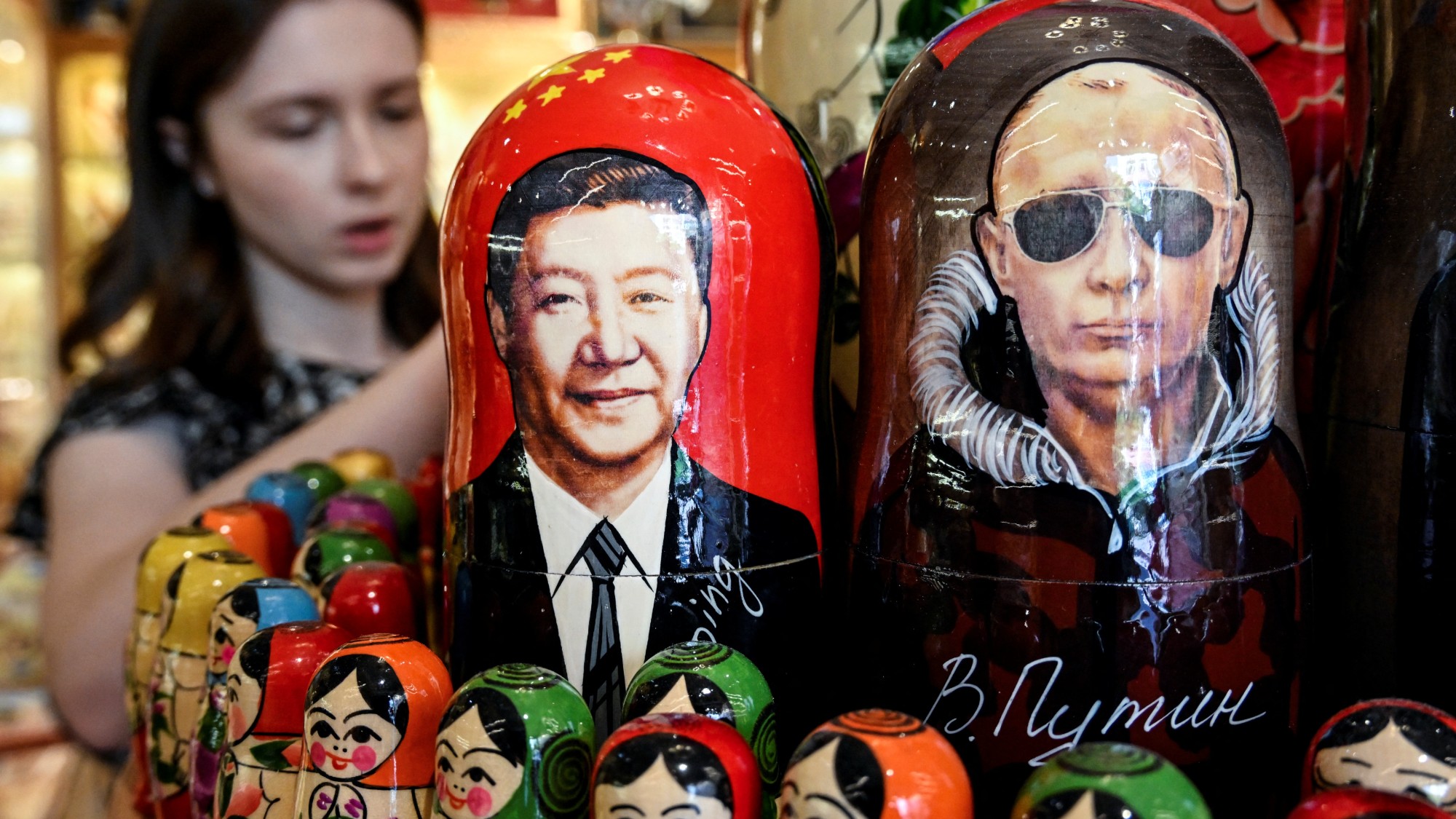
    What does China want from Putin?

    Vladimir Putin arrives in Beijing today for a two-day summit with Xi Jinping, their second meeting in less than a year. It’s obvious what a war-fatigued and internationally isolated Russia wants from China, on which it relies for drones and economic support. But less obvious is what China may be seeking from its unstable and less powerful neighbour.

    What did the commentators say?
    The timing of the visit, days after Donald Trump’s, “sends an unmistakable signal”, said The Economist. Xi is emphasising that even if he can “stabilise relations” with the US, it won’t “come at the expense of his ‘no limits’ partnership” with Putin. Those ties could “grow deeper yet” as a result of the war in Iran, and Xi and Putin could share intelligence about Trump’s military action against their allies Venezuela and Tehran.

    Yet the balance of power between China and Russia has “shifted dramatically” since Putin’s full-scale invasion of Ukraine. Xi could “exploit his newfound leverage” to “secure more sensitive military technology and know-how”. China now produces most of its own weapons, many based on Russian designs, and could seek “more high-end assistance” in nuclear and ballistic missile areas.

    A “key aim” for China is “more reliable and sustainable energy supplies”, said Deutsche Welle. China is concerned about dependence on seaborne imports, which account for about 90% of its oil. The blockade of the Strait of Hormuz and the global disruption to supplies make Russian oil a “more attractive” prospect, and Western sanctions on Russian exports mean China can “secure Russian energy at a discount”.

    “China and Russia are like a couple in the same bed with different dreams,” said Claus Soong of the Mercator Institute for China Studies. A weakened Russia, and possibly even the collapse of Putin’s regime, would “pose immediate strategic risks for Beijing”. There are signs of cooling in the limitless friendship that they proclaimed in 2022, before Russia invaded Ukraine, but “Russia still has more to offer” than Europe.

    What next?
    Tomorrow’s discussions are expected to focus on Xi’s meeting with Trump, the wars in Ukraine and the Middle East, and cooperation across energy, trade and security. But any concrete agreements are “unlikely to be made public”, said The Economist. “As during previous visits, announcements are likely to be broad in scope but thin on detail.”


    THE EXPLAINER

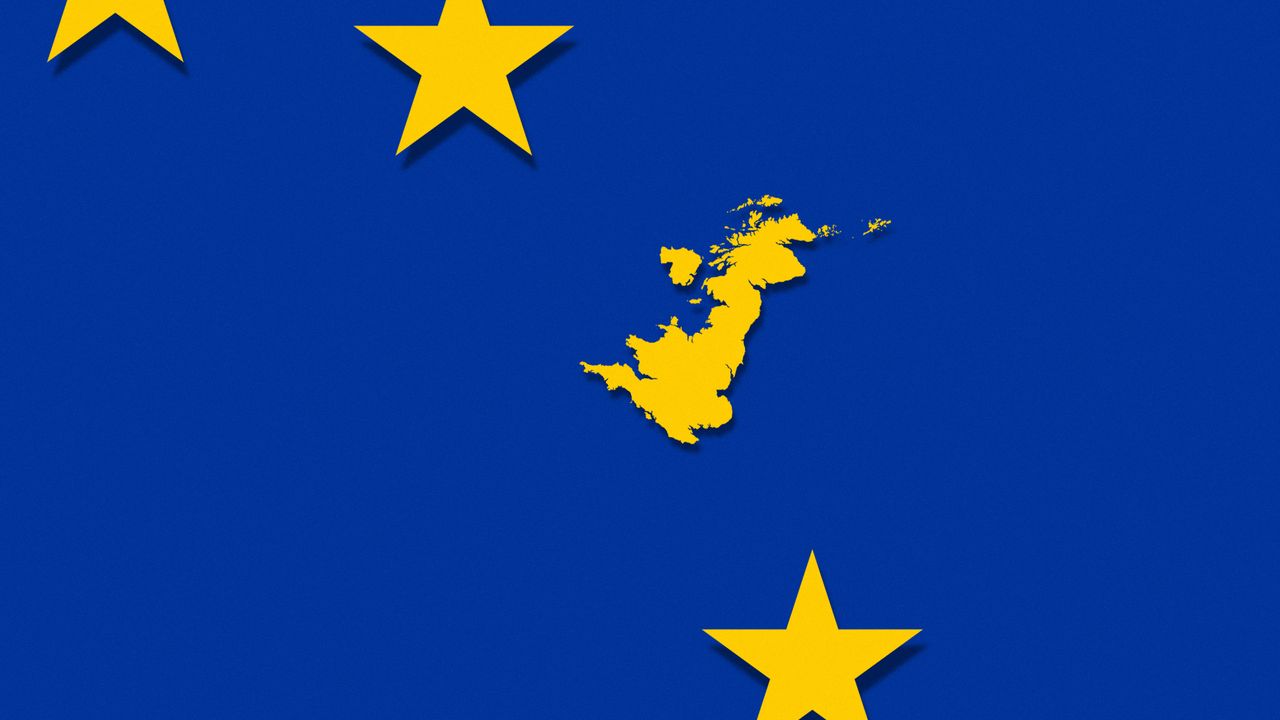
    Reversing Brexit: how rejoining the EU might work

    Labour leadership hopeful Wes Streeting has “put the Europe question firmly back on the political agenda” by dropping the “bombshell” that he’d like Britain to “one day” rejoin the EU, said The Times. However, the process of reversing Brexit and rejoining the bloc would be far from straightforward.

    Is it possible?
    Yes, although no country has ever left the EU and then rejoined. If the UK decided to seek membership again, it would need to apply through the framework set out in Article 49 of the Treaty on European Union. The support of all member states would be needed to “open and conclude accession talks”, said the Institute for Government, and the UK’s “historical reluctance to integrate fully with the EU” could remain a “concern to the bloc”.

    What would the process be? 
    First, the UK would submit an application to the Council of the European Union. All existing EU member states would then need to agree unanimously to begin accession talks with London. At this stage, member states could decide to impose stricter eligibility criteria. If the UK cleared that hurdle, it would enter negotiations over alignment with the EU’s legal and regulatory framework across a wide range of policy areas, including trade, fisheries, immigration and borders, environmental standards and competition law.

    Britain’s application would ultimately need unanimous approval from the council, as well as the backing of a majority in the European Parliament. Realistically, the entire process could take several years at a minimum. Even relatively straightforward accessions can take close to a decade.

    What would the UK have to agree to?
    Although the UK previously enjoyed favourable terms within the EU, those concessions might not be available if it sought to rejoin. For example, the opt-out that kept Britain outside the Schengen border-free travel zone would probably not apply a second time.

    Rejoining could also involve a commitment to adopt the euro. In addition, Britain would return without the 1984 rebate negotiated by Margaret Thatcher, which refunded roughly 66% of the UK’s net contribution to the EU budget. In 2020, the UK’s net contribution stood at £12.6 billion; any future contribution is likely to be significantly higher. “I think we would welcome the UK with open arms,” a senior European foreign ministry official told The Times. “Just not on their terms.”


    QUOTE OF THE DAY

    “I’ve been cheated, very badly cheated.”

    Andrew Malkinson, who spent 17 years in prison after being wrongly convicted of rape, tells the BBC that “anger came bubbling up” when the real attacker was found guilty last month. Malkinson, now 60, was exonerated in 2023 but is still fighting a compensation battle. 


    Poll watch

    Andy Burnham would be the clear favourite in a Labour leadership contest, according to a YouGov poll of 706 party members. The Greater Manchester mayor was the first-choice candidate of 47%, ahead of Keir Starmer on 31% and Angela Rayner on 8%. Wes Streeting lagged behind on 4%. 


    IN THE SPOTLIGHT

    The changing sounds of the office

    The sound of typing has been the background hum of office work for a century and a half. But after years of bashing typewriters, then tapping keyboards, desk-bound employees are, in ever-increasing numbers, murmuring to AI dictation apps to send emails, draft reports and write code.

    Voice mode ‘etiquette’
    Voice-to-text software has been around since the 1960s, but it was always “clunky” and slow and “never worked quite right”, said employment reporter Jo Constantz on Bloomberg. Now, advances in AI have made it “viable”: it can “take the messiness of speech and package it into something more useful”. In “voice mode”, you can produce double the words-per-minute than when typing.

    Dictation is definitely “having a moment”, said Joe Castaldo, business reporter at Canada’s The Globe and Mail. More and more software engineers, in particular, are switching from “pressing keys individually” to “adopting AI-powered speech-to-text apps to verbally issue instructions” to tools such as Anthropic’s Claude Code.

    Start-ups today are like “a high-end call centre – except everyone is chatting with AI”, one venture capitalist told The Wall Street Journal. There is an “etiquette”: “users try to keep their voices low and often wear headphones to block out sound from their dictating neighbours, dialling down the annoyance factor”. But talking to yourself is still “weird, if not a little embarrassing”.

    ‘Velocity towards voice’
    It’s too early to say if and when “the Qwerty keyboard might follow the ticker tape and fax machines into obsolescence”, Dylan Fox, CEO of San Francisco-based AssemblyAI, told the Los Angeles Times. But “the velocity towards voice is accelerating”.

    There’s “a mad dash to dominate any corner of the evolving field”, said Bloomberg’s Constantz. The market for AI voice generators alone is expected to be worth £5.75 billion this year, rising to £16.27 billion by the end of the decade, according to US consulting firm Grand View Research.

    Google, Apple and Microsoft have invested heavily in their voice-to-text products, and dictation app start-ups – many with variations of “whisper” in their name – have experienced remarkable growth over the past year. After all, Superwhisper founder Neil Chudleigh told The Globe and Mail, “we’re talking about replacing every keyboard on the planet”.


    Good day 🎓

    … for Billie Jean King, who has graduated from college with a bachelor’s degree in history at the age of 82. “It is never, ever, too late to finish what you have started,” the 39-time Grand Slam winner, who enrolled at Cal State Los Angeles in 1961 but left three years later to pursue her tennis career, said on social media. 


    Bad day 👩‍⚖️

    … for Elon Musk, who has vowed to appeal after his $150 billion lawsuit against OpenAI was thrown out of court. The tycoon claimed fellow OpenAI co-founder Sam Altman breached his contract by turning the organisation into a for-profit company, but a California judge ruled that the case was filed outside the statute of limitations. 


    PICTURE OF THE DAY

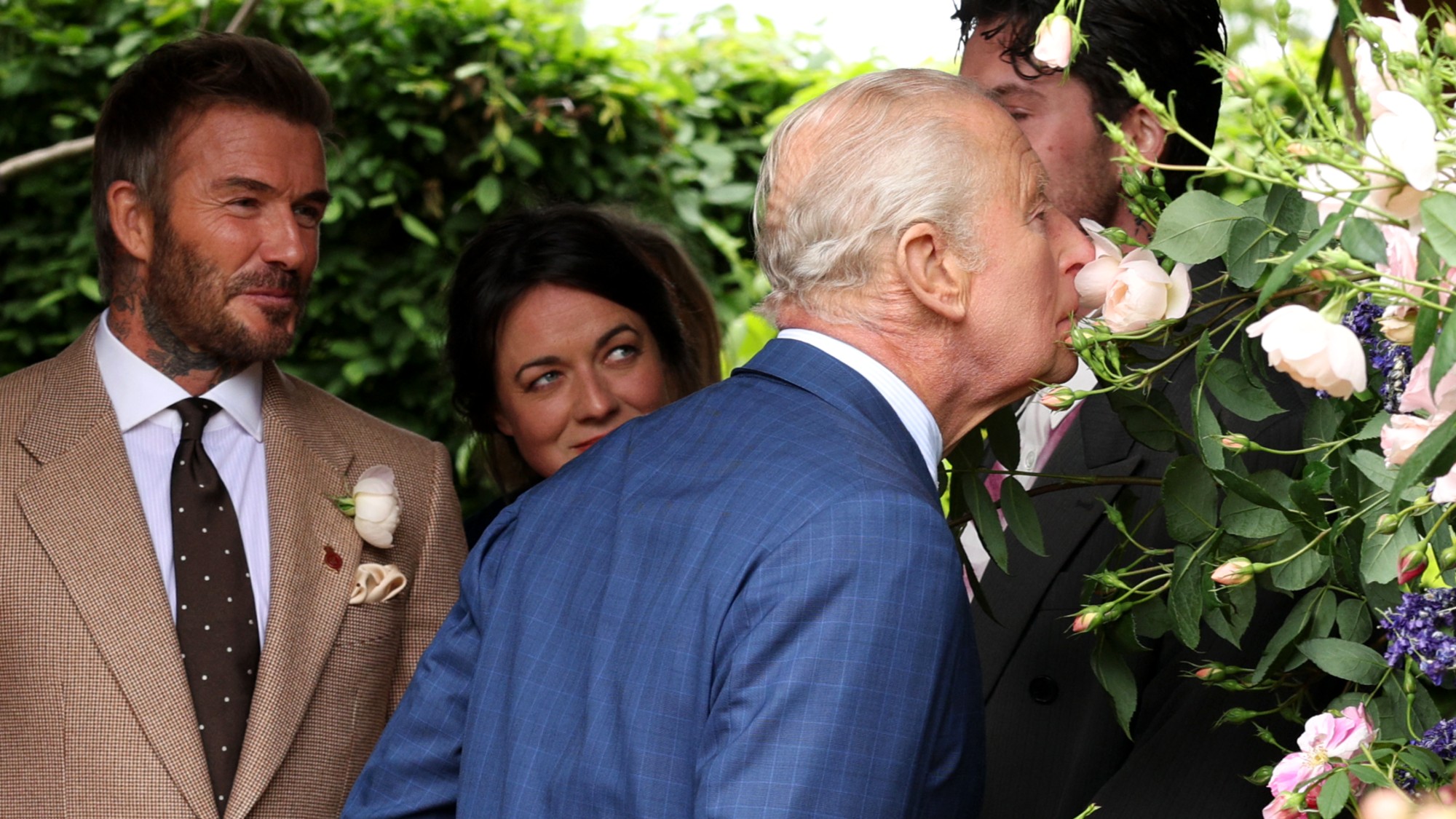
    Becks in bloom

    King Charles sniffs the “Sir David Beckham Rose” at the RHS Chelsea Flower Show in London. The footballer joined Charles and horticulturist Frances Tophill at the unveiling of the bloom, created by Shropshire-based David Austin Roses at the request of Beckham’s daughter, Harper. 

    Adrian Dennis / Pool / AFP / Getty Images


    Puzzles

    Chain Word

    Try The Week’s new daily word challenge in our puzzles and quizzes section

    Play here


    THE WEEK RECOMMENDS

    Europe’s best music festivals to book before it’s too late

    The UK has some great music festivals taking place this year, but a selection of events outside the country are worth going the extra mile. Here are some of Europe’s best shows with tickets still up for grabs.

    PhillGood, Plovdiv
    With “balmy climes and ancient cities”, Bulgaria is underrated as a summer destination, said Time Out. The country’s second-largest city, Plovdiv, is both “stunning” and “very buzzy”, making it the perfect location for the PhillGood festival, which takes place on “the scenic banks of the Rowing Canal”. This year’s line-up features “heavyweight” artists including The Cure, Gorillaz and Moby.

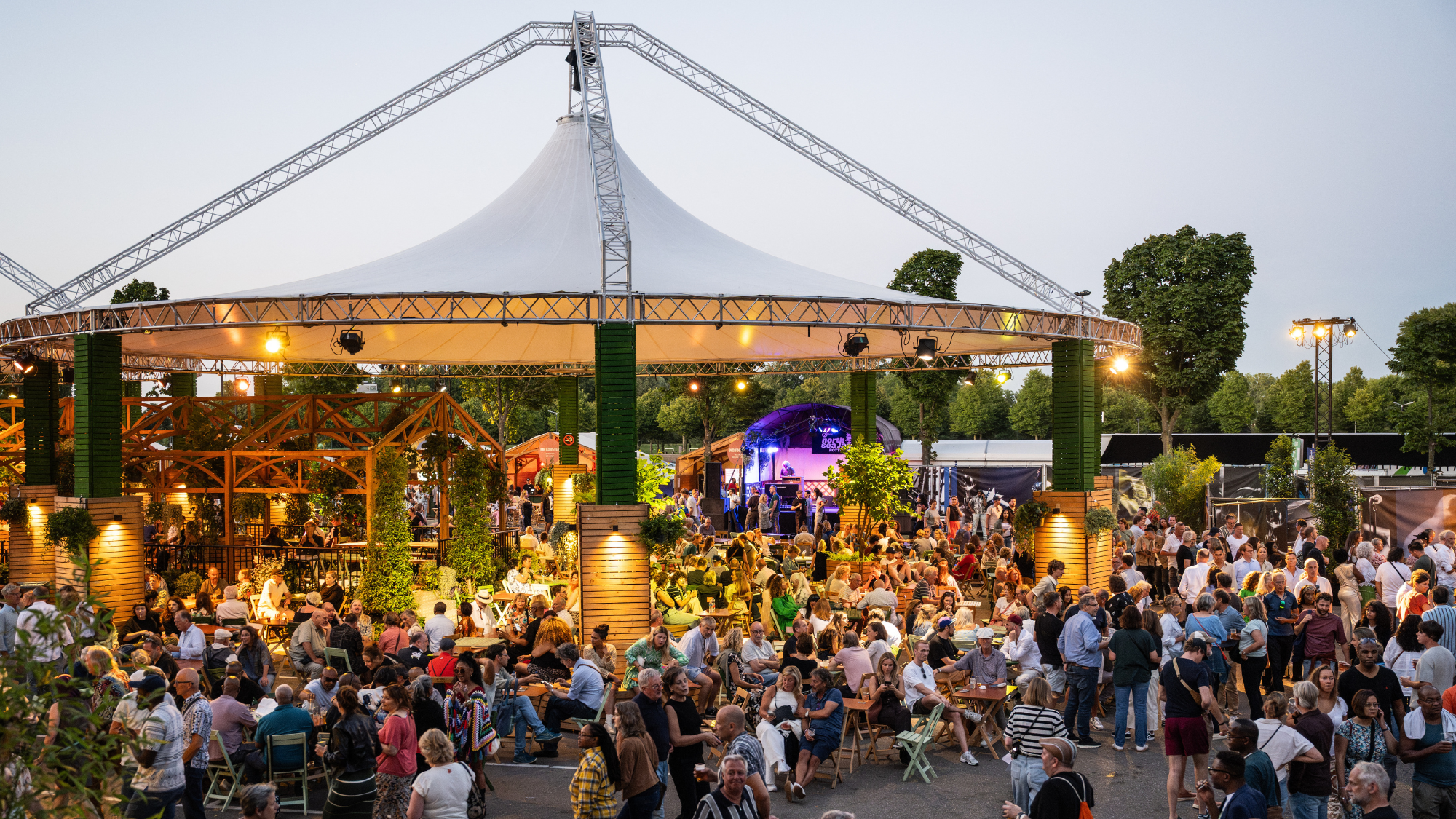
    North Sea Jazz, Rotterdam
    While this festival spotlights “classy, populist” jazz acts, it’s “boundary-pushing” when it comes to genre, said The Guardian. Esperanza Spalding, Nils Petter Molvær and Joshua Redman are just a few of the names on the bill as North Sea Jazz celebrates its 50th anniversary. There are also “soul, R&B, disco and African pop” performances, and the Roots are bringing the “funk-fringed edges of hip-hop” to the stage.

    Mad Cool, Madrid
    This is “one of Europe’s most welcoming festivals”, said The Independent. Mad Cool has multi-generational appeal, with an “impressive” list of musicians on the programme, from “viral” TikTok artists to many a “rock’n’roll veteran”. CMAT, Twenty One Pilots and Zara Larsson are just some of the artists performing this year. Spain has no shortage of fun summer festivals and, as the name suggests, this one is “delightfully chill”.


    Statistic of the day

    £102.7 billion: The latest top-end estimated cost of completing HS2, more than triple the initial 2011 estimate of £32.7 billion. The line between Old Oak Common in west London and Birmingham’s Curzon Street station is now expected to open between May 2036 and October 2039, at least a decade later than planned. 


    instant opinion

    Today’s best commentary

    Adversity doesn’t always forge the best MPs
    James Marriott in The Times
    “Any candidate for political high office” seems “required to hawk a story of early adversity”, writes James Marriott. But I don’t believe such suffering forges “the pure metal of moral character ”, and “sometimes it breeds a callous determination to look after Number One”. This “most middle-class parliament in decades” may find adversity “mystically compelling” because “misery seems most glamorous to those who know least about it”. But we shouldn’t “underrate the power of the boringly well-adjusted”.

    There’s nothing attractive about being a landlord anymore
    Melanie McDonagh in The i Paper
    The Greens’ proposal of rent controls is “an attractive policy” for many of us, writes Melanie McDonagh. The block where I live once had a “terrific mix of long-term tenants of modest means”, but “that simply doesn’t happen any more”. Yet look at how the new ban on no-fault evictions has some landlords “running scared”, with some tenants “given notice to quit” before it came into force. These changes sound good but actually “squeeze the number of landlords willing to rent”.

    Meghan just travelled 6,000 miles to be humiliated – I almost feel sorry for her
    Chris Riches in the Daily Express
    The Duchess of Sussex flew from California to Switzerland to make a speech about child safety “and just two dozen people” turned up to hear her, writes Chris Riches. “I’ve seen more people watching a Peruvian busking pipe band in Croydon’s Whitgift Centre.” I would feel bad for her, only “it doesn’t matter – as long as people liked the look of her black suit on Instagram and want to buy it, she is laughing”.


    word of the day

    Axolotlisation

    As Mexico City’s mascot for this summer’s World Cup, the capital’s native axolotl salamander “is everywhere”, said The Guardian: “painted on walls, plastered on trains, crawling up lamp-posts, swimming across traffic barriers”. Some residents are complaining about “axolotlisation”, but if that means “filling what was once grey with colour”, said Mayor Clara Brugada, “then yes, we are axolotlising the capital”. 


    Evening Review was written and edited by Hollie Clemence, Rebecca Messina, Irenie Forshaw, Harriet Marsden, Chas Newkey-Burden, Deeya Sonalkar, Adrienne Wyper, Helen Brown, David Edwards and Kari Wilkin, with illustrations from Stephen P. Kelly.

    Image credits, from top: Alexander Nemenov / AFP / Getty Images; illustration by Stephen P. Kelly / Future; Maskot / Getty Images; Adrian Dennis / Pool / AFP / Getty Images; Simon Lenskens / ANP / AFP / Getty Images

    Morning Report and Evening Review were named Newsletter of the Year at the Publisher Newsletter Awards 2025
     

    Recent editions

    • Evening Review

      Is Ukraine giving up on Trump?

    • Morning Report

      Trump pushes out another GOP foe

    • Sunday Shortlist

      Twin vengeance

    VIEW ALL
    TheWeek
    • About Us
    • Contact Future's experts
    • Terms and Conditions
    • Privacy Policy
    • Cookie Policy
    • Advertise With Us
    • FAQ
    Add as a preferred source on Google Add as a preferred source on Google

    The Week is part of Future US Inc, an international media group and leading digital publisher. Visit our corporate site.

    © Future US, Inc. Full 7th Floor, 130 West 42nd Street, New York, NY 10036.