The Week The Week
flag of US
US
flag of UK
UK
https://cdn.mos.cms.futurecdn.net/flexiimages/jacafc5zvs1692883516.jpg

SUBSCRIBE & SAVE

Less than $3 per week

Sign in
  • View Profile
  • Sign out
  • The Explainer
  • The Week Recommends
  • Newsletters
  • Cartoons
  • From the Magazine
  • The Week Junior
  • Student Offers
  • More
    • Politics
    • World News
    • Business
    • Health
    • Science
    • Food & Drink
    • Travel
    • Culture
    • History
    • Personal Finance
    • Puzzles
    • Photos
    • The Blend
    • All Categories
  • Newsletter sign up Newsletter
  • The Week Evening Review
    Starmer’s demise, a fiscal rules rejig, and the smartphone fertility question

     
    TODAY’s BIG QUESTION

    Was ‘lame’ Keir Starmer destined to fail?

    Announcing his resignation this morning, Keir Starmer said that his party had answered the question of “whether I am best placed to lead us into the next general election” and “I accept that answer with good grace”.

    His plummeting popularity since Labour’s 2024 landslide electoral victory marks “one of the shortest honeymoon periods in British political history”, said the BBC’s Becky Morton and Brian Wheeler.

    What did the commentators say?
    Shortly after becoming prime minister, Starmer boasted “that there would never be such a thing as Starmerism”, said Morton and Wheeler. But what he saw as a lack of ideological baggage ultimately translated – in the eyes of the public and many within his own party – into a perception that he “was, simply, not very good at politics”.

    “There is something lame about him that Starmer has struggled from the start to shrug off,” said Ameer Kotecha in The Spectator. Over the course of his premiership, the Starmer who has emerged “appears constantly at the mercy of events”, while his occasional moments of “startling ruthlessness” were “even more unattractive than his mere ineptitude”.

    Starmer “arrived for a career in politics unprepared for what a career in politics actually means”, said Andrew Marr in The New Statesman. In taking on the leadership of a fractured, stagnating Britain, he “chose a painful, treacherous path at an unusually difficult time”. If it “hasn’t worked”, it is “by no means all his fault”.

    What next?
    “The beneficiary of Starmer’s demise is all but certain to be Andy Burnham,” said Sonia Sodha in The Times. Burnham is “a warm and effective communicator” – but he must use that charisma to “strike a realistically ambitious tone” and sell the public on “hard truths” about the road ahead, rather than quick-fix solutions whose inevitable failure will only benefit populist parties.

    The picture for Labour has become so “bleak” that most party insiders will be happy if Burnham can simply “persuade people to give the party a second look”, Tim Bale, a politics professor at Queen Mary University of London, told The New York Times. But “if the sausage isn’t going to change, when it comes down to it, all he’s really offering is some sizzle”.


    THE EXPLAINER

    The UK’s fiscal rules: stick or twist?

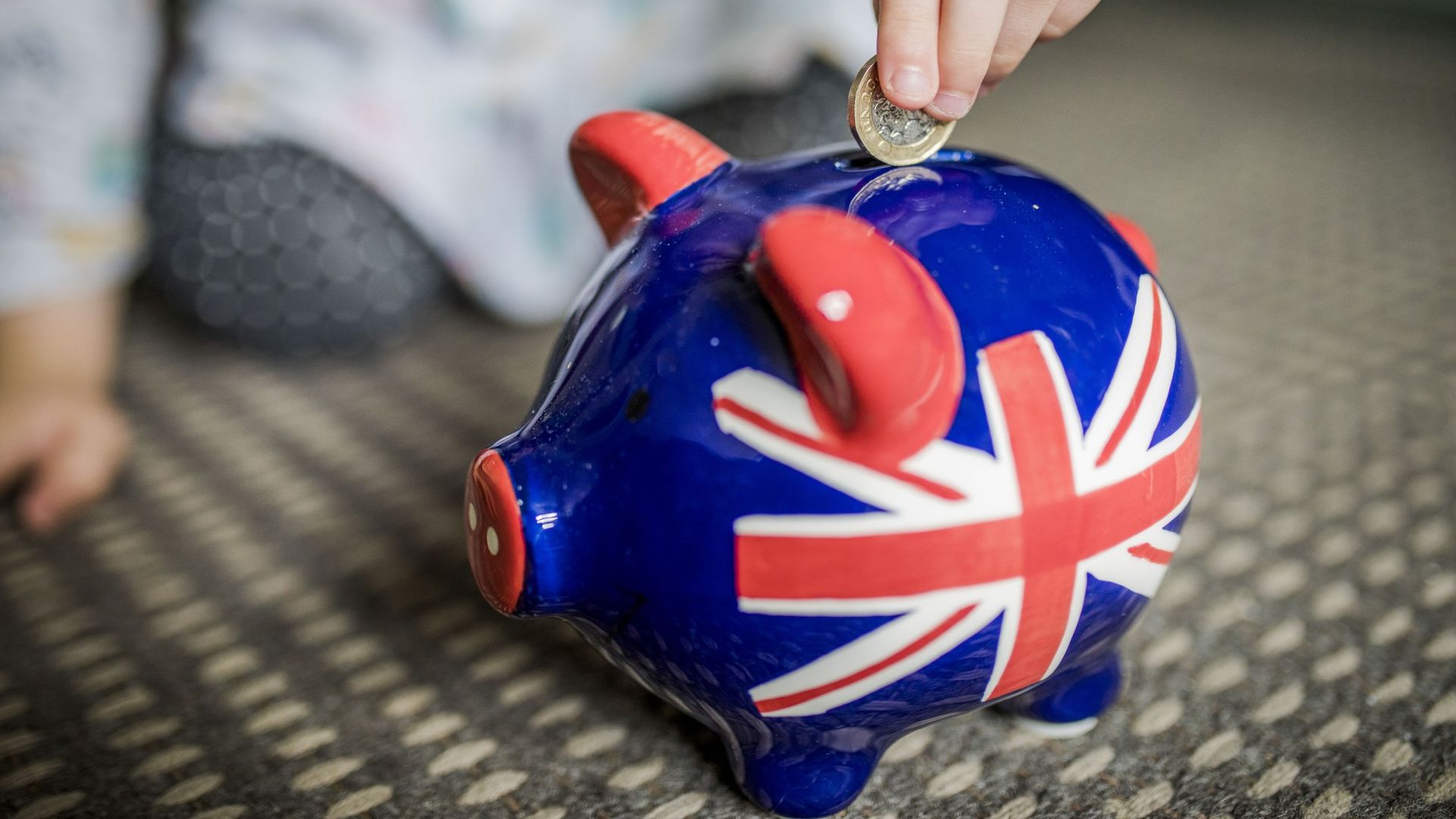
    The pound fell and government borrowing costs rose following Keir Starmer’s resignation announcement this morning. As Andy Burnham moves closer to power, there is concern in the financial markets that the government will start tinkering with its current strict fiscal rules on borrowing and spending.

    What are the fiscal rules?
    First introduced by Tony Blair’s Labour government in 1997, and now in their 10th iteration, the fiscal rules are restrictions set by the government to constrain its own decisions on taxes and spending. They are intended to act as a check on politicians seeking to borrow more in the short term. They also signal to investors and taxpayers that the government is committed to responsible management of public finances.

    Rachel Reeves set out this Labour government’s iteration of the fiscal rules in October 2024. There are three main rules: that the current government budget should be in balance or in surplus by 2029-30; that national debt should be lower as a share of the economy in 2029-30 than in 2028-29; and that some welfare spending must be subject to a (fairly loose) cap.

    What are the issues with fiscal rules?
    Chancellors setting reasonable rules can still “be prone to wishful thinking,” said Sean O’Grady in The Independent. They may permit themselves huge deficits to be balanced in future years by “unspecified cuts in public spending”. Or they can “lock themselves into a fiscal straitjacket”, as Reeves did with her party’s “commitment not to raise income tax, VAT and national insurance contributions”.

    The whole approach to a fiscal policy based around “pass-fail” rules needs a “rethink”, the Institute for Fiscal Studies said in February. The “fixation” with “creating ‘headroom’” against rigid rules leads to “dysfunctional” policy-making, and “aggressive ‘gaming’ of rolling targets”. 

    What might Burnham do?
    During his by-election campaign, Burnham committed to Reeves’ current fiscal rules, after previous suggestions that he made about changing them caused a bond market wobble. But, with No. 10 now in his sights, there are signs that he could try to give himself more leeway.

    He has been “taking advice” from former Bank of England economist Andy Haldane and former Goldman Sachs chair Jim O’Neill, said Bloomberg. Both have been calling for looser fiscal rules for some time. O’Neill has argued that the constraints are “petty and arbitrary”, and Haldane has said the case for changing them is “overwhelming”.


    QUOTE OF THE DAY

    “May peace, respect and friendship prevail among all nations.”

    A handwritten message left by the Iranian men’s football team in their World Cup dressing room after their 0-0 draw with Belgium. The note also mentioned “#168” and “#Minab”, a reference to the people killed in a US air strike on a school in the Iranian city.


    Poll watch

    A majority of EU citizens would like the UK to rejoin the bloc, according to research for the European Council on Foreign Relations ahead of the tenth anniversary of Brexit tomorrow. The Mandate/YouGov poll of almost 20,000 people across 15 countries found that 66% either “strongly supported” or “tended to support” UK membership. 


    TALKING POINT

    Did smartphones cause the world’s baby bust?

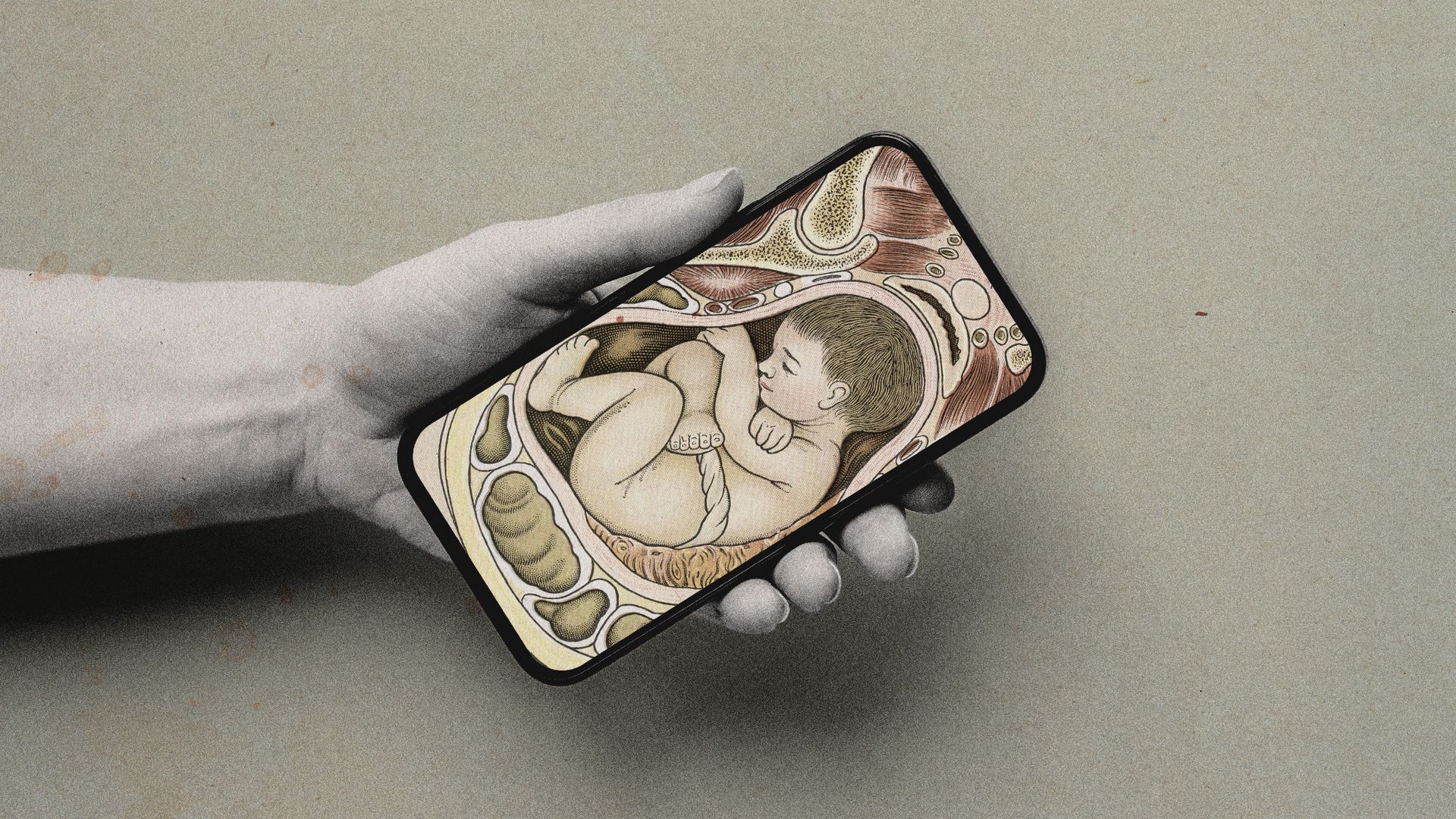
    Apple introduced the iPhone to the world in 2007. That same year, birth rates in countries worldwide began to decline. And the developments may be related, according to two new studies.

    One found the iPhone “caused as much as half of the fertility decline” from 2007 to 2011, said The New York Times. A second study that covered 128 countries found that teen pregnancies declined “once smartphones became a mass phenomenon”. It may be that people “began to socialise more on their phones and less in person”, or it could be that the technology “made pornography more accessible”.

    But other factors may also be at play. Smartphones are just one “example of the kinds of social influences” that may have reduced fertility, Wellesley College economics professor Phillip B. Levine told the newspaper.

    ‘Awkward, antisocial puppies’
    Phones have “turned us into awkward, antisocial puppies who can’t handle eye contact”, said Lauren Veldhuizen in the National Review. The rise of smartphone technology has created a world in which “fewer people date and fewer babies are born”. Smartphones “short-circuit the deep-seated human need to have your kids keep you company”, said Noah Smith on his Noahpinion blog. We are choosing to “forsake each other’s company to stare eternally into a black mirror”.

    The media has honed in on the new studies because of a collective mood of “total paranoia and doom about smartphones”, said Elizabeth Nolan Brown at Reason. The biggest plunges in the 2007-11 study were among 15- to 24-year-old females, suggesting that more girls and women are “avoiding unintended pregnancy at young ages”. That’s not necessarily a bad thing. 

    ‘No easy fix’
    Maybe smartphones first tarnished dating, but AI “might finish the job”, said Eric Levitz on Vox. Streaming and social media have helped to isolate us, but online platforms can’t offer discussions on “your career anxieties, favourite Civil War battle or debilitating fear of iguanas”. Claude, ChatGPT, Gemini and other artificial intelligence chatbots can. 

    There’s “no easy fix here”, said Axios. Politicians have proposed “baby bonuses, tax credits, or better child care and parental leave policies” to solve the fertility crisis, all to no avail. So “perhaps the solution is that everyone tosses their phones into the sea”.


    Good day 👫

    … for odd couples, as Nicola Sturgeon prepares to play deputy prime minister to Michael Gove’s PM in a new reality TV drama. Scotland’s former first minister and the former Tory minister will team up with other ex-politicians to plan the response to a fictional attack on Britain by Russia in Sky TV’s “The Wargame”.


    Bad day 💰

    … for Millennials, whose early careers were less financially rewarding than those of Gen Zers, according to new research. An analysis by the Resolution Foundation found that Millennials – born between the early 1980s and mid-1990s – were the first generation not to have enjoyed higher disposable incomes at age 24 than previous cohorts. But the real weekly pay of their Gen Z successors outstripped the earnings of every generation since the 1950s.


    PICTURE OF THE DAY

    Called out of darkness

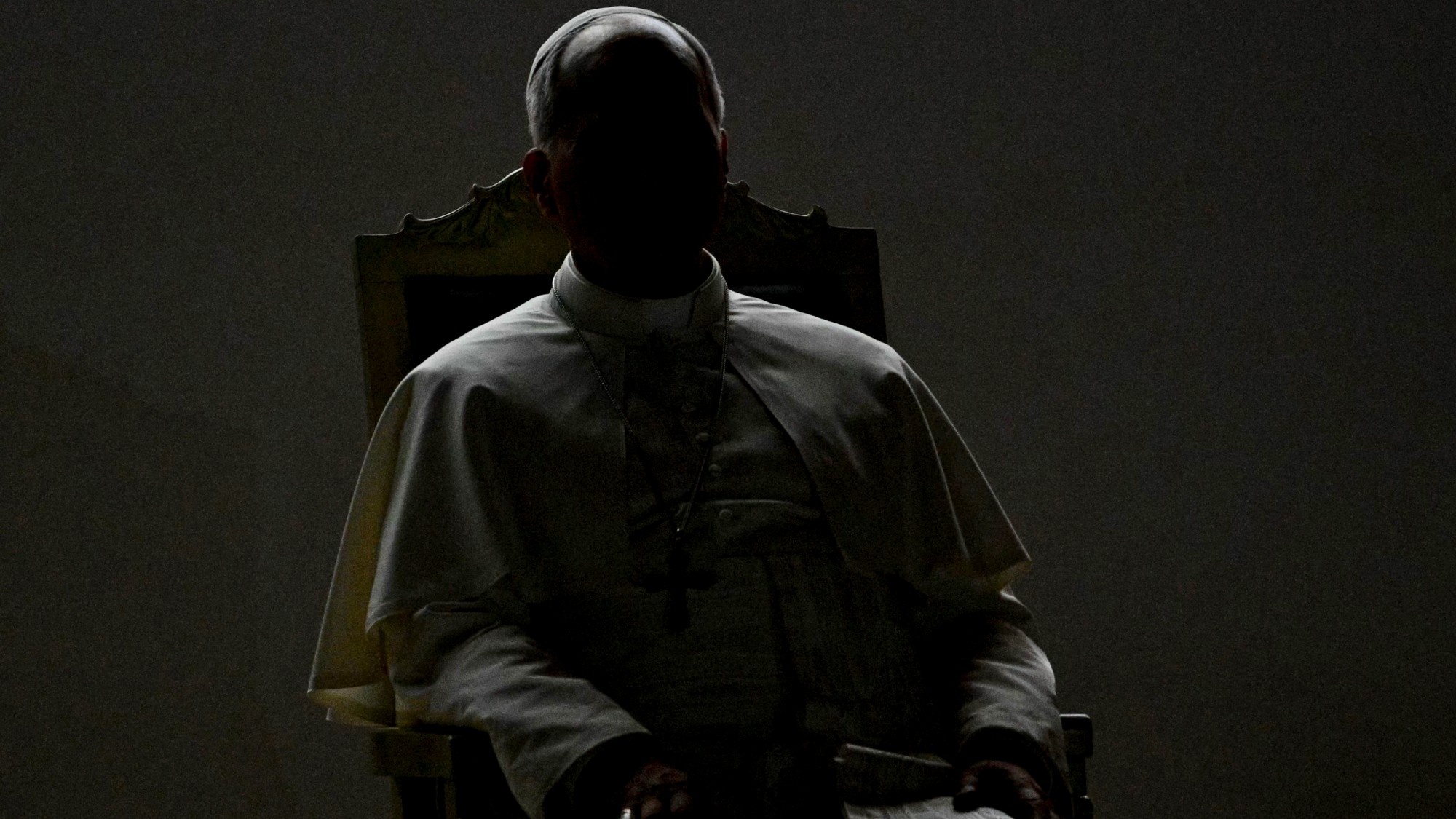
    Pope Leo XIV watches a video screening in the dark during a visit to the Rome headquarters of the World Food Programme. In a speech to the UN aid agency, Pope Leo decried leaders who “feed” wars while millions go hungry.

    Andreas Solaro / AFP / Getty Images


    Puzzles

    Chain Word

    Try The Week’s new daily word challenge in our puzzles and quizzes section

    Play here


    THE WEEK RECOMMENDS

    Chilli crisp: the ‘flavour bomb’ we can’t get enough of

    Visit the “specialist aisle in most British supermarkets” and you’re almost certain to find a “red jar with the kindly face of a middle-aged Chinese woman staring back at you”, said Ammar Kalia in The Guardian.

    These jars of Lao Gan Ma chilli crisp, a “spicy, crunchy and moreish umami condiment”, have made the woman on the label, Tao Huabi, a fortune. Generously dolloped on top of everything from dumplings to fried eggs, chilli crisp has become a “social media sensation” and inspired countless spin-offs from independent producers. Made by “pouring hot oil over chilli flakes, spice mixes and fresh ingredients such as spring onions, garlic and peanuts”, Lao Gan Ma is a “multi-sensory flavour bomb”.

    Both “comforting and punchy”, it’s “stupendously addictive and can be added to basically anything”, said Dusty Baxter-Wright in Cosmopolitan. “Fiery yet sweet”, it’s “crunchy with soybeans and tingly on your tongue”.

    Lao Gan Ma is a “classic for a reason”, said James Park in Eater, but there are other options. As a “self-proclaimed chilli crisp hype man”, I discover “creative” new brands almost “daily”. Momofuku Chilli Crunch is “full of umami with a surprising level of heat”; what “sets it apart” from its rivals is the addition of shiitake mushroom powder. Try it with baked brie and “you will be hooked”.


    Statistic of the day

    37: How high Celsius temperatures are expected to climb in parts of central and southern England and southeast Wales between Wednesday morning and Thursday evening. The Met Office has issued a rare red weather warning stretching from Kent to Glamorganshire, and as far north as Birmingham.


    instant opinion

    Today’s best commentary

    The royals need to show us if they are value for money
    Jennie Bond in The i Paper
    The news that King Charles will “make his tax affairs public” is “welcome”, writes former royal correspondent Jennie Bond. “I understand it was always part of the plan”, but recent pressure from Parliament “risks giving the impression” that he’s “been bounced” into it. Support for the royal family remains generally strong but is “slightly shakier” on their “value for money”. We need to see that they’re “contributing like the rest of us to our stretched and beleaguered national coffers”.

    Trump’s Iran folly opens slim path to safer world
    Hugo Dixon on Reuters
    “Operation Epic Fury” now “looks more like an epic folly”, writes Hugo Dixon. But the US conflict with Iran “has silver linings”. Donald Trump is “looking increasingly like a spent volcano” and “Israel’s wings” have also “been clipped”; “further large-scale aggression” from either “seems less likely”. By contrast, Europe has “gained some kudos” for standing up to US “arm-twisting” and “has a better chance to convene an alliance of ‘middle powers’ not totally under the thumb” of America or China.

    I disagree with Andy Burnham’s politics. But as former health secretaries, we both know the NHS needs to be fixed
    Jeremy Hunt in The Guardian
    If Andy Burnham succeeds Keir Starmer, he’ll be “the first prime minister to have been health secretary”, writes former Tory health secretary Jeremy Hunt. “Both of us” have “seen how difficult it is to make” the “enormous” NHS system “responsive to patients”. The real issue is productivity: everything is “micro-managed from London”, breeding “learned helplessness” locally. Burnham should devolve NHS responsibility to England’s mayors. “It would turn the NHS from the world’s most bureaucratic health service into its most innovative one.”


    word of the day

    Terraform

    To alter another world to make it like Earth. Scientists have drawn up a research blueprint that “could be a first step” towards “transforming the cold climes of Mars into a far more habitable place for Earthlings”, said Space.com. The roadmap, presented at the annual Space Resources Roundtable in Colorado, could form the basis for “government-scale programmes” to evaluate the feasibility, cost and timescale of terraforming the Red Planet, but also assesses “what could go wrong”.


    Evening Review was written and edited by Jamie Timson, Rebecca Messina, Elliott Goat, Joel Mathis, Chas Newkey-Burden, Irenie Forshaw, Helen Brown, David Edwards and Kari Wilkin, with illustrations from Stephen P. Kelly and Julia Wytrazek.

    Image credits, from top: illustration by Stephen P. Kelly / Getty Images;
    Jennifer West / Bloomberg / Getty Images; illustration by Julia Wytrazek / Getty Images; Andreas Solaro / AFP / Getty Images; Imaginechina Limited / Alamy

    Morning Report and Evening Review were named Newsletter of the Year at the Publisher Newsletter Awards 2025
     

    Recent editions

    • Sunday Shortlist

      Toys vs. screens

    • Saturday Wrap

      Trillionaire takeover

    • Evening Review

      When will oil prices descend?

    VIEW ALL
    TheWeek
    • About Us
    • Contact Future's experts
    • Terms and Conditions
    • Privacy Policy
    • Cookie Policy
    • Advertise With Us
    • FAQ
    Add as a preferred source on Google Add as a preferred source on Google

    The Week is part of Future US Inc, an international media group and leading digital publisher. Visit our corporate site.

    © Future US, Inc. Full 7th Floor, 130 West 42nd Street, New York, NY 10036.